Example Of Acknowledgement In Report In Ohio
Description



Get your form ready online
Our built-in tools help you complete, sign, share, and store your documents in one place.
Make edits, fill in missing information, and update formatting in US Legal Forms—just like you would in MS Word.
Download a copy, print it, send it by email, or mail it via USPS—whatever works best for your next step.
Sign and collect signatures with our SignNow integration. Send to multiple recipients, set reminders, and more. Go Premium to unlock E-Sign.
If this form requires notarization, complete it online through a secure video call—no need to meet a notary in person or wait for an appointment.
We protect your documents and personal data by following strict security and privacy standards.

Make edits, fill in missing information, and update formatting in US Legal Forms—just like you would in MS Word.

Download a copy, print it, send it by email, or mail it via USPS—whatever works best for your next step.

Sign and collect signatures with our SignNow integration. Send to multiple recipients, set reminders, and more. Go Premium to unlock E-Sign.

If this form requires notarization, complete it online through a secure video call—no need to meet a notary in person or wait for an appointment.

We protect your documents and personal data by following strict security and privacy standards.
Looking for another form?










Form popularity
FAQ
The signer must sign the document in the presence of the notary public. The notary public must then complete the notarial certificate with his or her signature, the venue, date the act took place, typed/printed/stamped name, notary seal and expiration date, if applicable.
Florida does not require exact wording, but the certificate must include elements spelled out in Florida Statutes, 117.054, including the venue, name of signer, type and date of notarization, form of identification used, the Notary's signature, name and seal, and whether the signer appeared via physical presence or ...
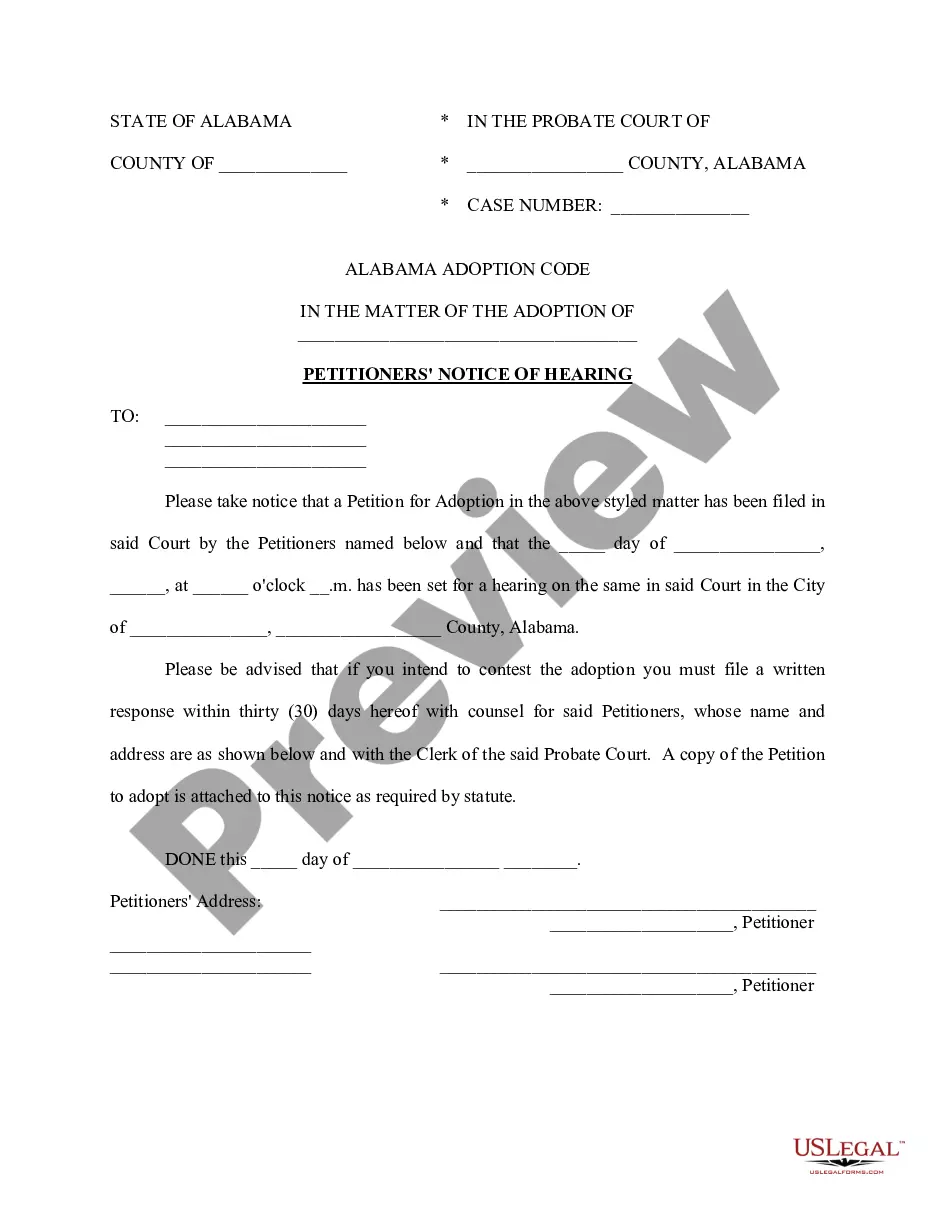
These are some helpful practices for creating acknowledgment receipts: Be specific. Your acknowledgment receipt should contain the names of the issuing party and the person receiving the document. Make a duplicate. Be timely. Be formal. Address all pertinent details. Proofread.
The signer must sign the document in the presence of the notary public. The notary public must then complete the notarial certificate with his or her signature, the venue, date the act took place, typed/printed/stamped name, notary seal and expiration date, if applicable.
``I want to thank my friends for always being there for me during this journey. Their encouragement and support made a significant difference in my life.'' ``I would like to acknowledge everyone who contributed to this project, whether directly or indirectly. Your support has been invaluable, and I am truly grateful.''
One of the most common mistakes that notaries make is not printing or signing their name exactly as it appears on their notary commission.
General Information about the Ohio Notary Commission The Notary Modernization Act took effect on September 20, 2019. Under this law, all applications for notary commissions, renewals, online authorizations and updates to contact information must submit an application electronically to the secretary of state.
Only when the required notarial act is an acknowledgment—and if all requirements of the notarial act can be met—then yes… a notary may notarize a document that is already signed.
(1) The signer of the notarized document is required to give an oath or affirmation that the statement in the notarized document is true and correct; (2) The signer signs the notarized document in the presence of a notary public.