Acknowledgement For Funeral In Maryland
Description
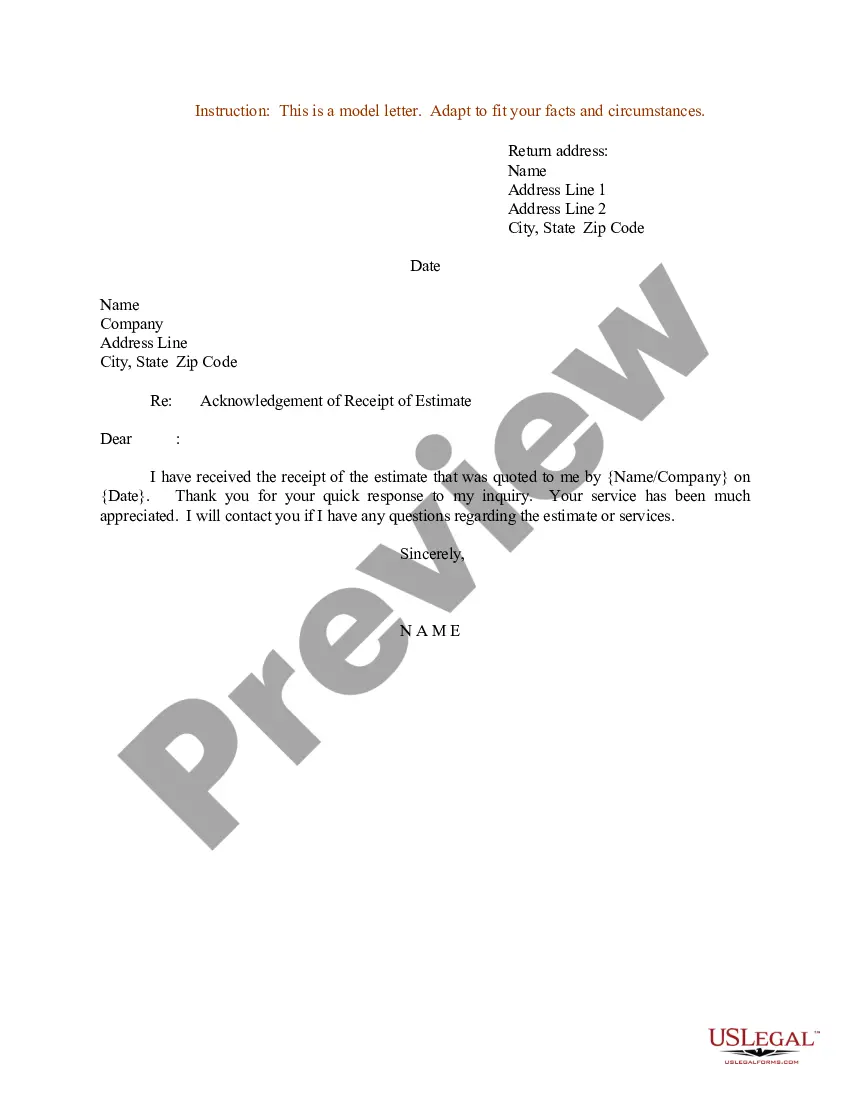



Get your form ready online
Our built-in tools help you complete, sign, share, and store your documents in one place.
Make edits, fill in missing information, and update formatting in US Legal Forms—just like you would in MS Word.
Download a copy, print it, send it by email, or mail it via USPS—whatever works best for your next step.
Sign and collect signatures with our SignNow integration. Send to multiple recipients, set reminders, and more. Go Premium to unlock E-Sign.
If this form requires notarization, complete it online through a secure video call—no need to meet a notary in person or wait for an appointment.
We protect your documents and personal data by following strict security and privacy standards.

Make edits, fill in missing information, and update formatting in US Legal Forms—just like you would in MS Word.

Download a copy, print it, send it by email, or mail it via USPS—whatever works best for your next step.

Sign and collect signatures with our SignNow integration. Send to multiple recipients, set reminders, and more. Go Premium to unlock E-Sign.

If this form requires notarization, complete it online through a secure video call—no need to meet a notary in person or wait for an appointment.

We protect your documents and personal data by following strict security and privacy standards.
Looking for another form?









Form popularity
FAQ
Here are some guidelines for writing a good condolence letter: Acknowledge the loss and name the deceased. Express your sympathy. Note special qualities of the deceased. Recall a memory about the deceased. Remind the bereaved of their personal strengths you have witnessed.
"Thank you for your words of sympathy, your voice of concern, your gesture of caring, and the love you offer." "We couldn't have asked for a better service. I am so glad that you all are a part of my "family" too. {We} are blessed many times over."
What to Write in a Funeral Thank You Card Open with a statement of recognition and gratitude. Mention the gesture that was extended. Highlight the significance of their relationship with the deceased. End with a heartfelt closing.
10 ways to say thank you for attending the funeral. Thank you for taking the time to come to x's funeral. Thanks for coming to x's funeral. Your presence meant the world to us. Your attendance and support made a huge difference during this difficult time. Thank you for sharing the celebration of x's life with us.
“Thank you for thinking of our family during this difficult time. Your card was sincerely appreciated.” “Thank you so much for the condolences. We truly appreciated the warm words of comfort.”
There is no set deadline when it comes to sending out thank you cards, though getting them out within two to three weeks after the funeral is ideal. Even if it takes some time for you to feel ready to tackle the task of writing thank you notes, it is never too late to send them out.
Words to write in a sympathy card: I am so sorry for your loss. My thoughts are with you during this difficult time. Sending my love and deepest sympathy to you and your family. I am here for you and your family, whatever you need. I just wanted you to know I'm thinking of you, now more than ever.
Sincerely thank you for your kind expressions of sympathy. is deeply appreciated and gratefully acknowledged. We deeply appreciate your thoughtfulness and thank you most sincerely. thoughtfulness is appreciated and will always be remembered.
Your sympathy in our recent loss will long be remembered. Thank you sincerely for all that you have done for us in our time of need. Thank you for the many ways in which you helped us during the loss of our (RELATIVE). We deeply appreciate your kindness.
It is customary to send acknowledgements to anyone who has contributed in some way during the bereavement period. This includes: Individuals who sent flowers, donations, or personal notes. Those who participated in the service, such as clergy, musicians, and pallbearers.
