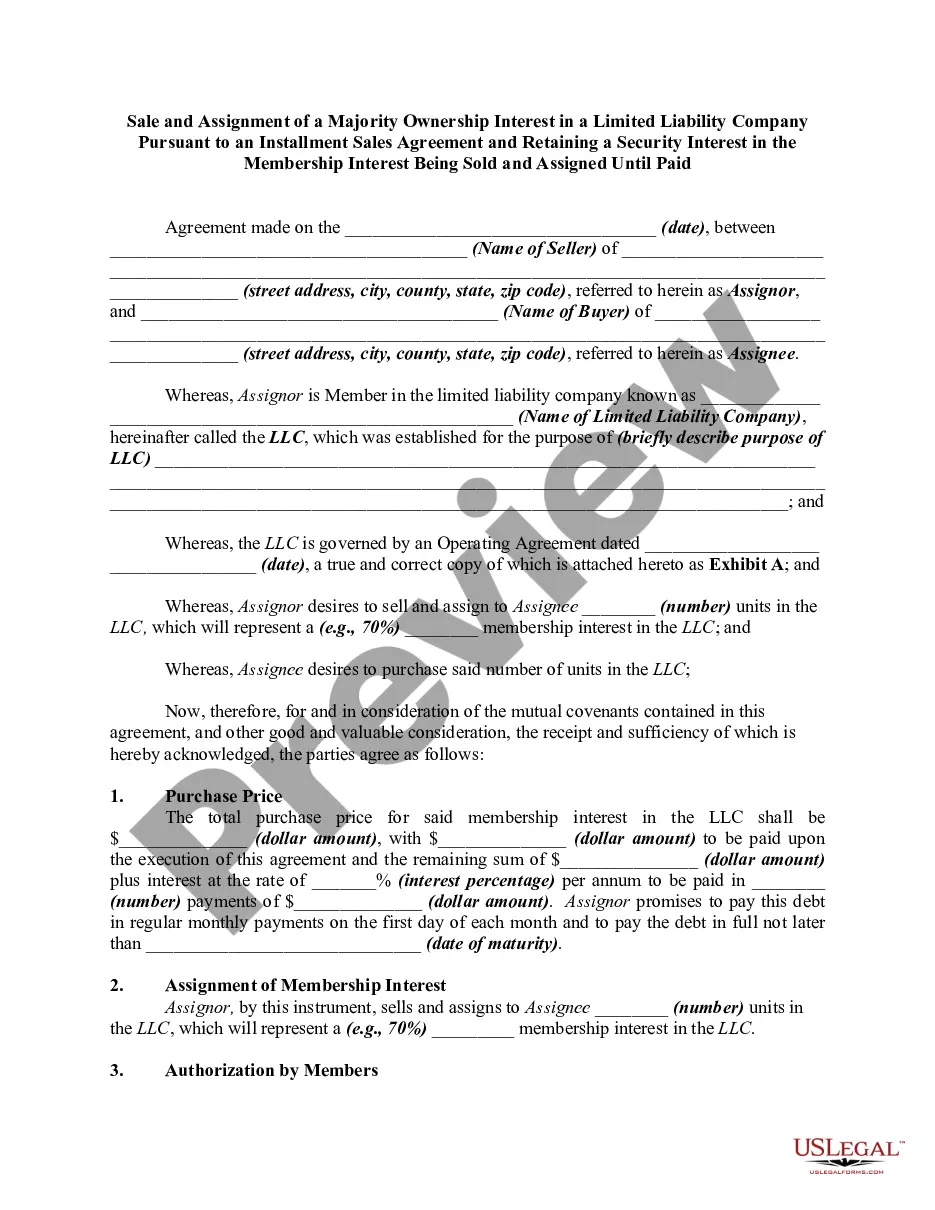
Notice Of Serving Interrogatories Form In Wayne
Description



Get your form ready online
Our built-in tools help you complete, sign, share, and store your documents in one place.
Make edits, fill in missing information, and update formatting in US Legal Forms—just like you would in MS Word.
Download a copy, print it, send it by email, or mail it via USPS—whatever works best for your next step.
Sign and collect signatures with our SignNow integration. Send to multiple recipients, set reminders, and more. Go Premium to unlock E-Sign.
If this form requires notarization, complete it online through a secure video call—no need to meet a notary in person or wait for an appointment.
We protect your documents and personal data by following strict security and privacy standards.

Make edits, fill in missing information, and update formatting in US Legal Forms—just like you would in MS Word.

Download a copy, print it, send it by email, or mail it via USPS—whatever works best for your next step.

Sign and collect signatures with our SignNow integration. Send to multiple recipients, set reminders, and more. Go Premium to unlock E-Sign.

If this form requires notarization, complete it online through a secure video call—no need to meet a notary in person or wait for an appointment.

We protect your documents and personal data by following strict security and privacy standards.
Looking for another form?










Form popularity
FAQ
Rule 2-421 - Interrogatories to Parties (a) Availability; Number. Any party may serve written interrogatories directed to any other party. Unless the court orders otherwise, a party may serve one or more sets having a cumulative total of not more than 30 interrogatories to be answered by the same party.
§ 2-341. (a) Without leave of court. A party may file an amendment to a pleading without leave of court by the date set forth in a scheduling order or, if there is no scheduling order, no later than 30 days before a scheduled trial date.
(a) A defendant may propound interrogatories to a party to the action without leave of court at any time. (b) A plaintiff may propound interrogatories to a party without leave of court at any time that is 10 days after the service of the summons on, or appearance by, that party, whichever occurs first.
NUMBER AND SCOPE OF INTERROGATORIES. Rule 33 (a), Federal Rules of Civil Procedure , restricts to 25 (including all discrete subparts) the number of interrogatories a party may serve on any other party.
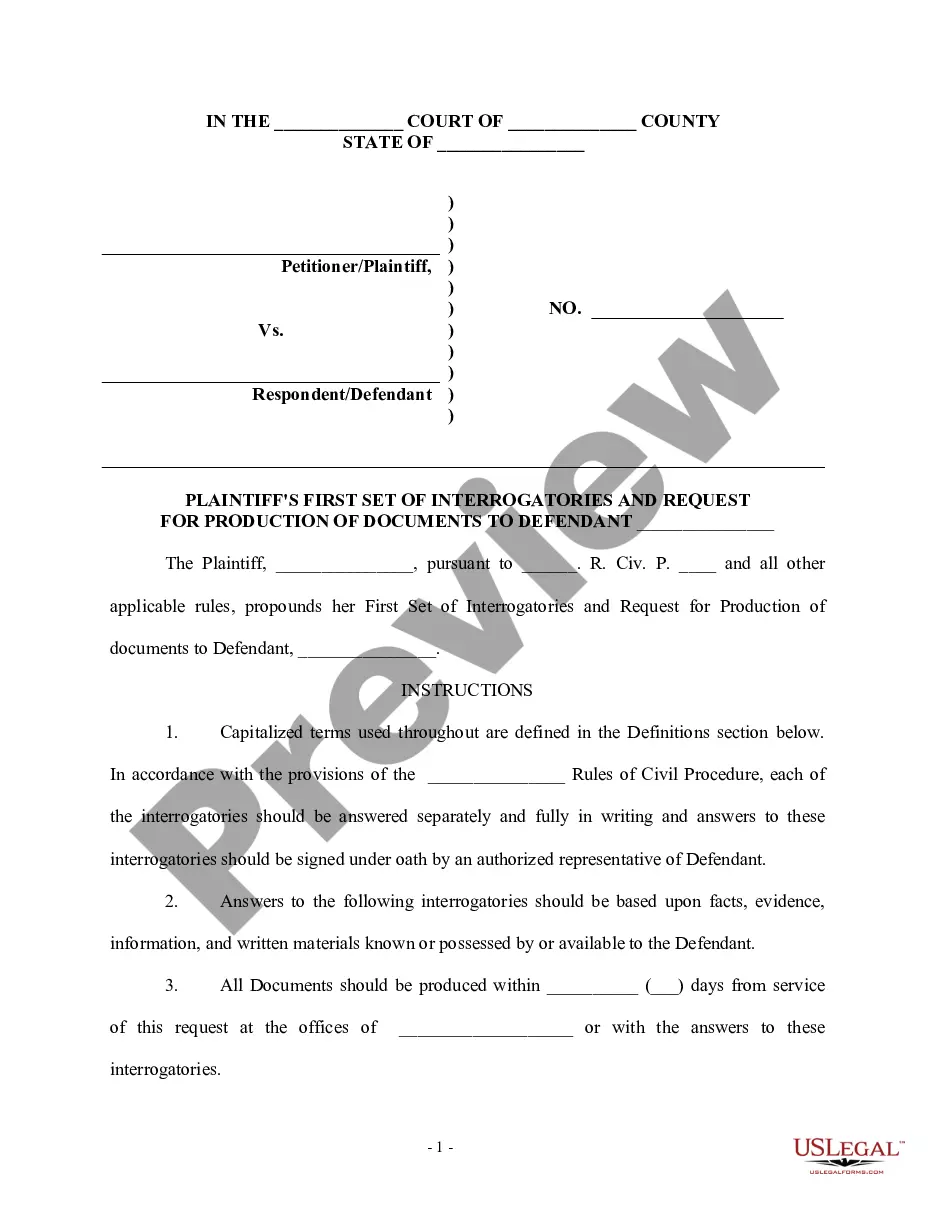
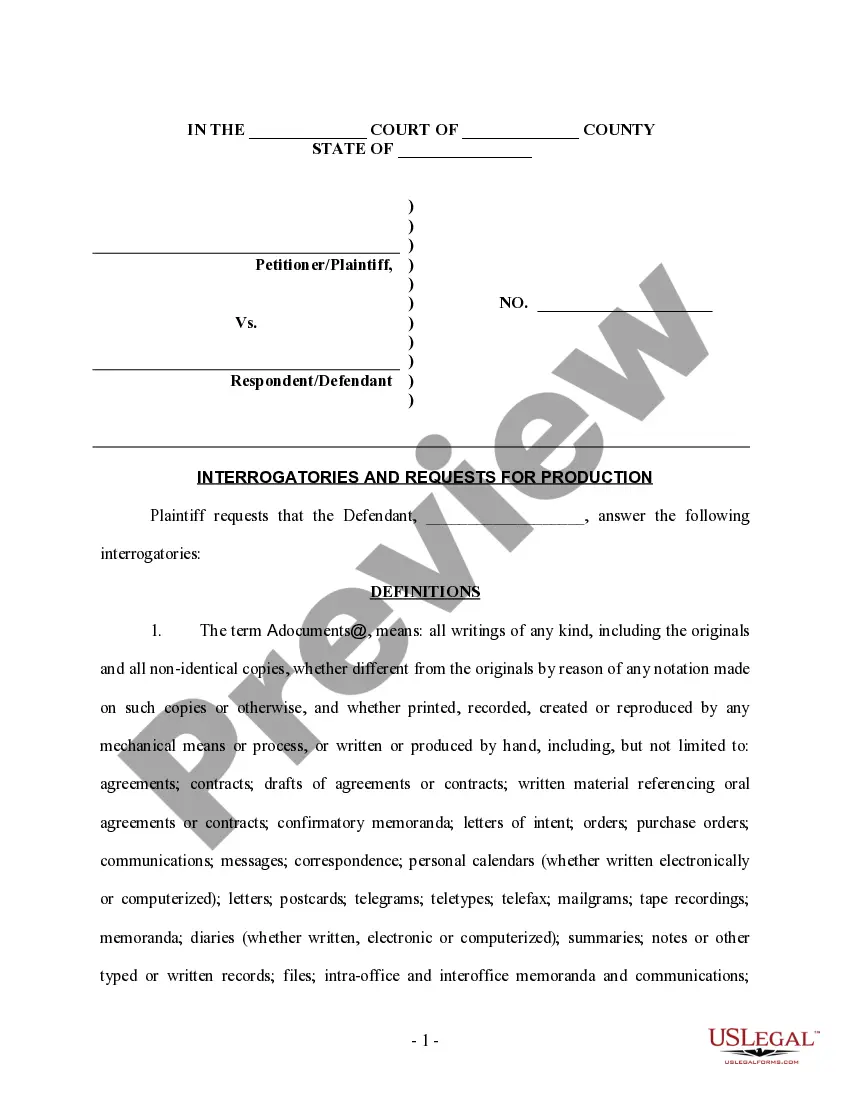
Interrogatories. Interrogatories is a list of questions sent to the other party. You cannot send more than 30 questions to another party in a circuit court case. The Maryland Rules have form interrogatories that you can use as an example.
There are two types of interrogatories, form and special interrogatories.
"Discoverable" Information Similarly, if information is "discoverable" and your opponent asks you for it, you must disclose the information. The Maryland Rules encourage broad discovery. Generally, information that is "not privileged" and "relevant to the subject matter involved in the action" is discoverable.
Your answers to the interrogatories should usually be short, clear, and direct and should answer only the question that is being asked. This is not the time to set out your entire case or defense to the other side. Take the time to make sure your answers are correct and truthful.
The responding party must serve a written response on the requesting party within 30 days after service of the interrogatories, except that a defendant in a suit governed by the Family Code served with a request before the defendant's answer is due need not respond until 50 days after service of the request.
Any party may serve on any other party no more than 25 written interrogatories, excluding interrogatories asking a party only to identify or authenticate specific documents. Each discrete subpart of an interrogatory is considered a separate interrogatory.