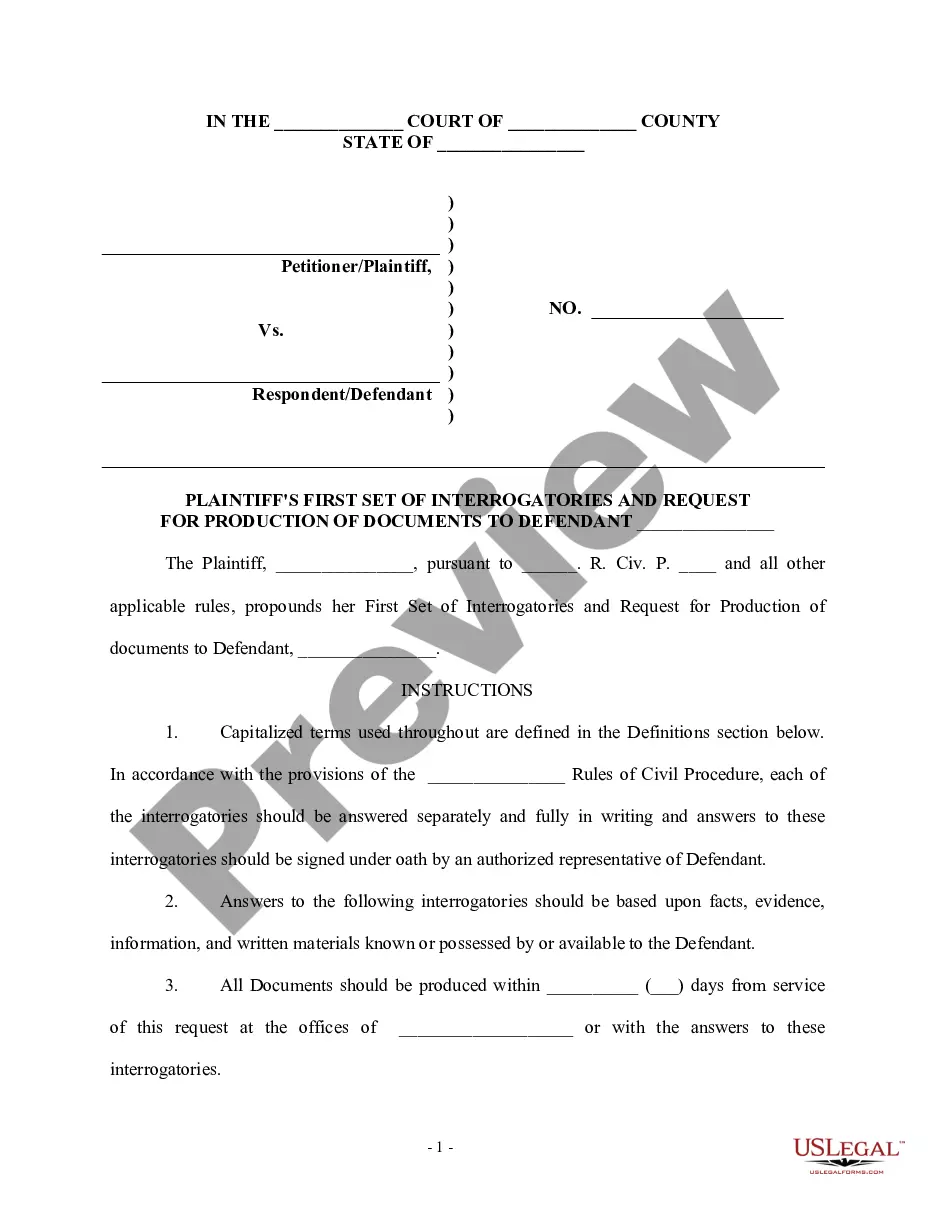
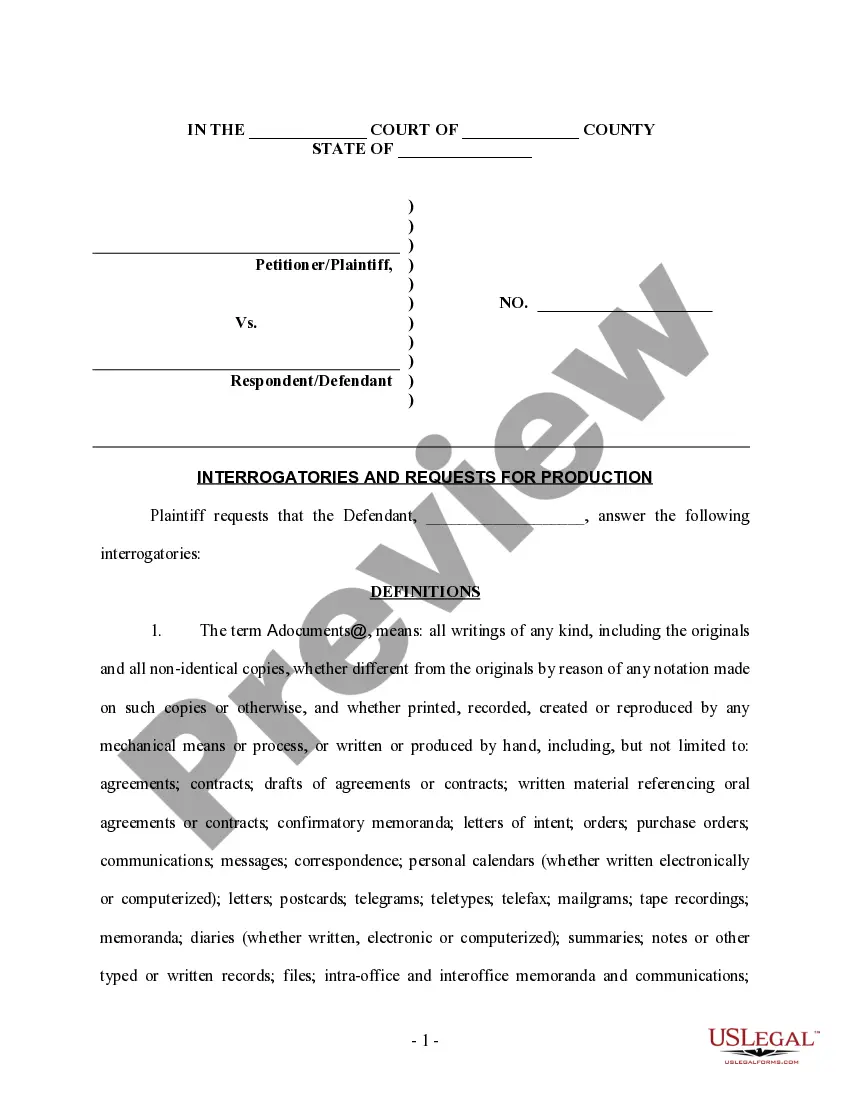
Notice Discovery Template Fortinet _all_ In Washington
Description

Get your form ready online
Our built-in tools help you complete, sign, share, and store your documents in one place.
Make edits, fill in missing information, and update formatting in US Legal Forms—just like you would in MS Word.
Download a copy, print it, send it by email, or mail it via USPS—whatever works best for your next step.
Sign and collect signatures with our SignNow integration. Send to multiple recipients, set reminders, and more. Go Premium to unlock E-Sign.
If this form requires notarization, complete it online through a secure video call—no need to meet a notary in person or wait for an appointment.
We protect your documents and personal data by following strict security and privacy standards.

Make edits, fill in missing information, and update formatting in US Legal Forms—just like you would in MS Word.

Download a copy, print it, send it by email, or mail it via USPS—whatever works best for your next step.

Sign and collect signatures with our SignNow integration. Send to multiple recipients, set reminders, and more. Go Premium to unlock E-Sign.

If this form requires notarization, complete it online through a secure video call—no need to meet a notary in person or wait for an appointment.

We protect your documents and personal data by following strict security and privacy standards.
Looking for another form?









Form popularity
FAQ
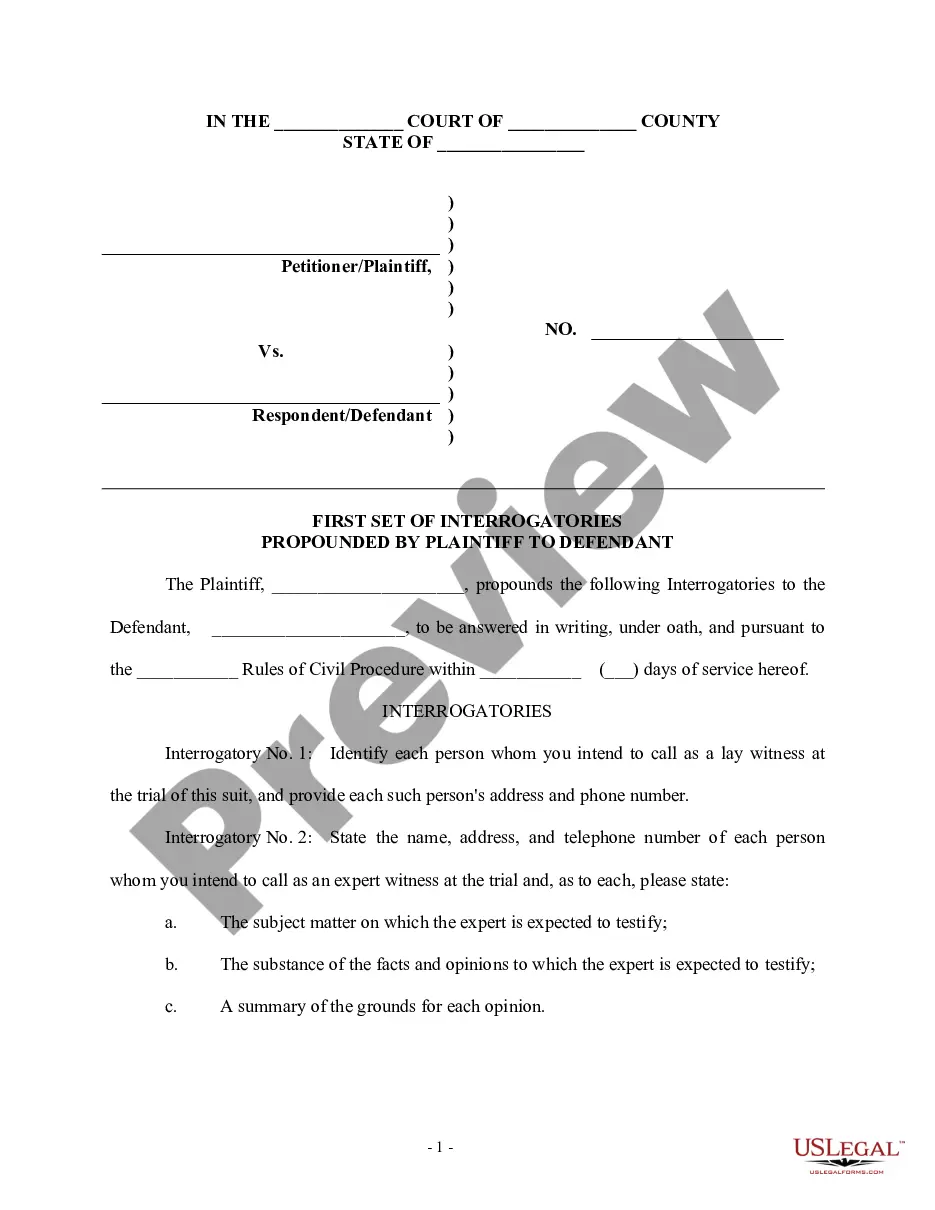
(2) In addition to section (b)(1), any party may serve upon any other party not more than two sets of written interrogatories containing not more than 20 questions per set without prior permission of the court.
(a) Except as otherwise provided in this chapter, any party shall be entitled as a matter of right to complete discovery proceedings on or before the 30th day, and to have motions concerning discovery heard on or before the 15th day, before the date initially set for the trial of the action.
Unless agreed by the parties and with the permission of the court, all discovery shall be completed within 60 days of the demand, or 90 days of service of the summons and complaint, or counterclaim, or cross complaint, whichever is longer. This revision is advisable for several reasons.
Unless agreed by the parties and with the permission of the court, all discovery shall be completed within 60 days of the demand, or 90 days of service of the summons and complaint, or counterclaim, or cross complaint, whichever is longer.
Discovery ends 30 days before trial (the cutoff date). That means, at the very latest anything you ask for must be due 30 days before your trial. At the latest, you need to serve your requests 60 days before your trial date (65 if you serve by mail).
What is the Discovery Rule? The discovery rule allows plaintiffs to extend the statute of limitations on the basis that they had not reasonably discovered that they had a claim in time to meet the deadline.
To view raw logs, in the log message list view toolbar, click Tools > Display Raw. To switch back to formatted log view, click Tools > Formatted Log. For more information about FortiGate raw logs, see the FortiGate Log Message Reference in the Fortinet Document Library.
To view raw logs, in the log message list view toolbar, click Tools > Display Raw. To switch back to formatted log view, click Tools > Formatted Log. For more information about FortiGate raw logs, see the FortiGate Log Message Reference in the Fortinet Document Library.
To view logs: Go to Administration > Log Viewer. Click the Filter icon in each column heading to apply filters. Click Clear Filters to remove the filters.
There is only one difference. Firewall policy controls traffic passing through from Fortigate. Local-in-Policy control inbound traffic to FortiGate interface. If you have found a solution, please like and accept it to make it easily accessible to others.