Notice For Service In Virginia
Description


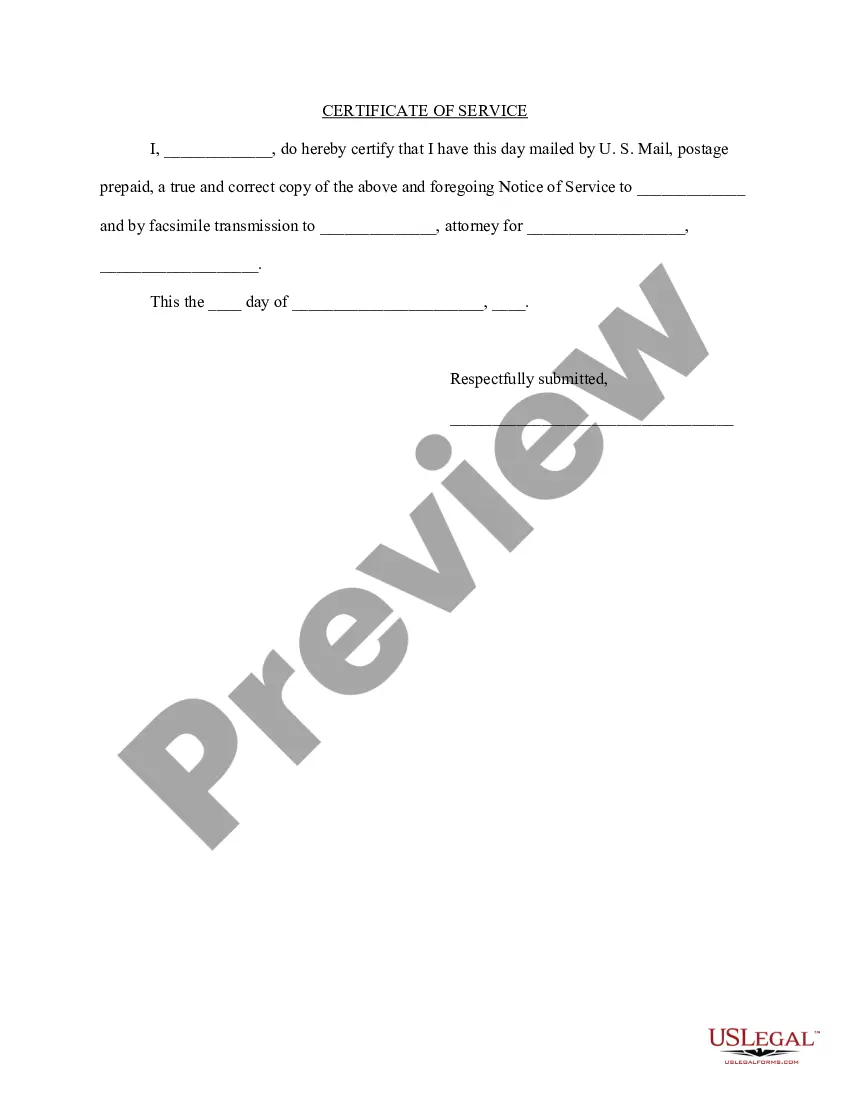
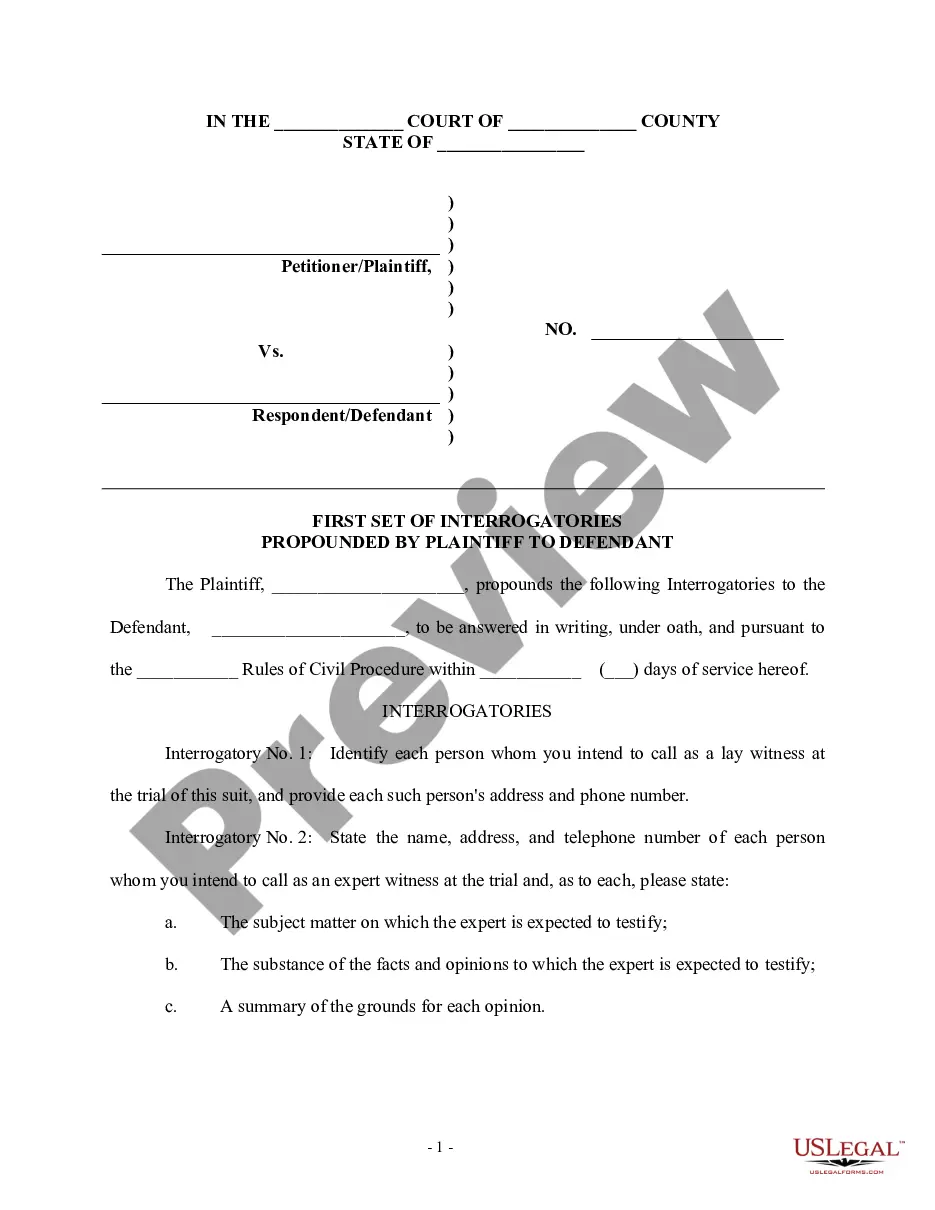
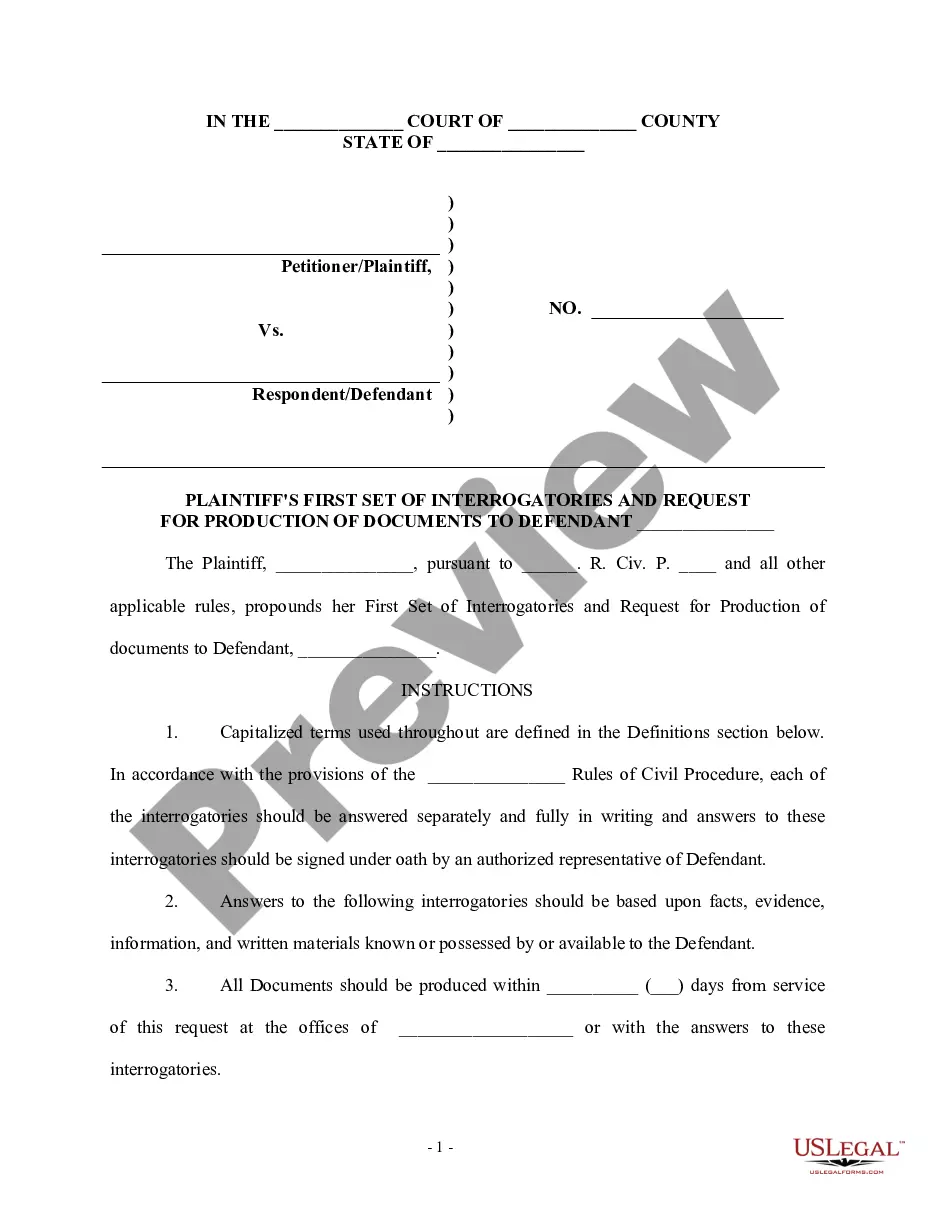
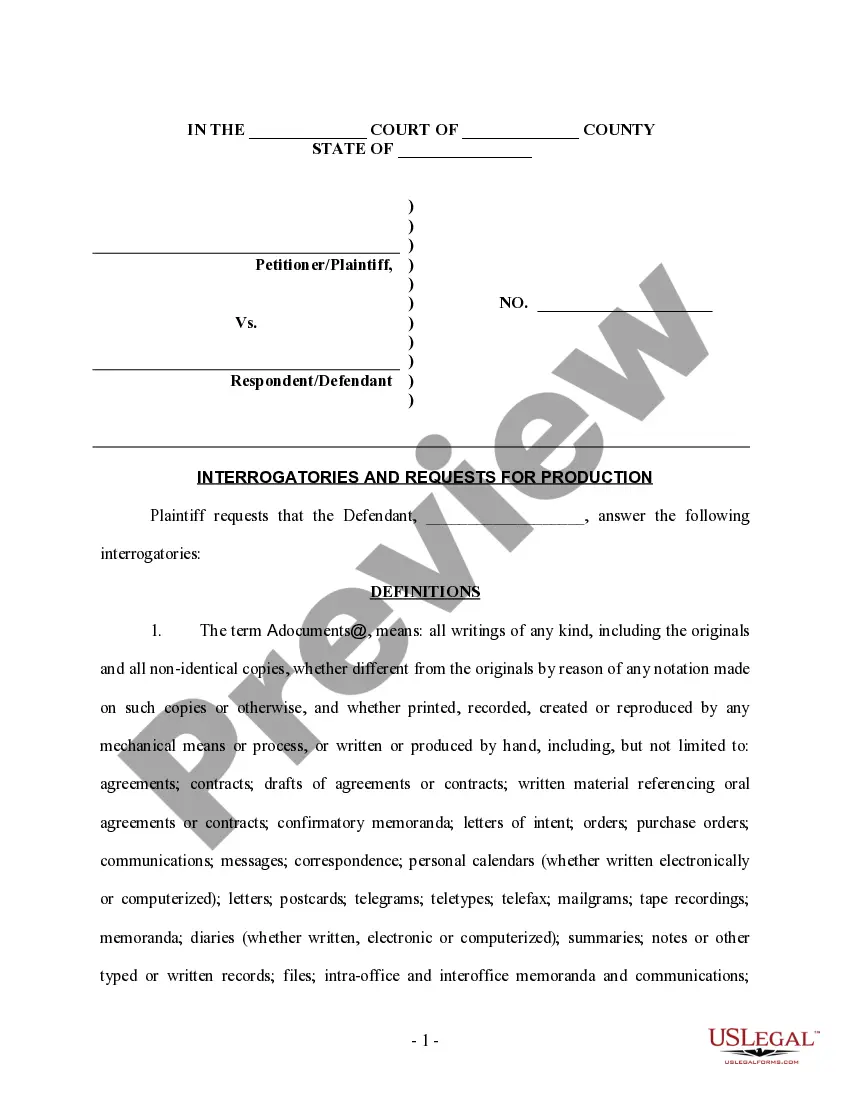
Get your form ready online
Our built-in tools help you complete, sign, share, and store your documents in one place.
Make edits, fill in missing information, and update formatting in US Legal Forms—just like you would in MS Word.
Download a copy, print it, send it by email, or mail it via USPS—whatever works best for your next step.
Sign and collect signatures with our SignNow integration. Send to multiple recipients, set reminders, and more. Go Premium to unlock E-Sign.
If this form requires notarization, complete it online through a secure video call—no need to meet a notary in person or wait for an appointment.
We protect your documents and personal data by following strict security and privacy standards.

Make edits, fill in missing information, and update formatting in US Legal Forms—just like you would in MS Word.

Download a copy, print it, send it by email, or mail it via USPS—whatever works best for your next step.

Sign and collect signatures with our SignNow integration. Send to multiple recipients, set reminders, and more. Go Premium to unlock E-Sign.

If this form requires notarization, complete it online through a secure video call—no need to meet a notary in person or wait for an appointment.

We protect your documents and personal data by following strict security and privacy standards.
Looking for another form?








Form popularity
FAQ
The following persons are authorized to serve process: The sheriff within such territorial bounds as described in § 8.01-295; Any person 18 years of age or older and who is not a party or otherwise interested in the subject matter in controversy. A private process server.
Service of process is the procedure by one party in a lawsuit or legal proceeding to give another party an appropriate notice of the initiation of legal action .
Terminating or Ending Your Tenancy If it is a month to month lease, 30 days is usually required. If it is a year's lease, the lease will usually state that your notice – that you will not be renewing the lease – must be given 30 or 60 days before the lease ends.
For example, a process server might mail a complaint and summons to a defendant's home address via certified mail, or send a subpoena to a witness's business address with a return receipt requested.
If personal service on the person or their family member cannot be accomplished, the process server can post a copy of the documents at the front door or the main entrance where the person to be served lives. The posting must be made at least ten days before a default judgment could be entered.
In the U.S. legal system, service of process is the procedure by which a party to a lawsuit gives an appropriate notice of initial legal action to another party (such as a defendant), court, or administrative body in an effort to exercise jurisdiction over that person so as to force that person to respond to the ...
Defendants That Avoid Being Served Risk Forfeiting Their Rights. The best reason to not pursue a strategy of avoiding being served with legal documents is that it can cause you to forfeit your legal rights, creating consequences potentially much worse than the lawsuits themselves.
Virginia is a “Race/Notice” state, which means that if a subsequent good faith buyer arrives at the Courthouse and records his deed to a property before an earlier owner has recorded his interest, the first to record prevails.
Virginia is a “Race/Notice” state, which means that if a subsequent good faith buyer arrives at the Courthouse and records his deed to a property before an earlier owner has recorded his interest, the first to record prevails.
113, 119, 376 S.E.2d 66, 69 (1989). A Demurrer asserts that Plaintiffs cannot possibly prevail in the matter as pleaded. Virginia is, however, a notice pleading state.