Notification With Service Android In Sacramento
Description


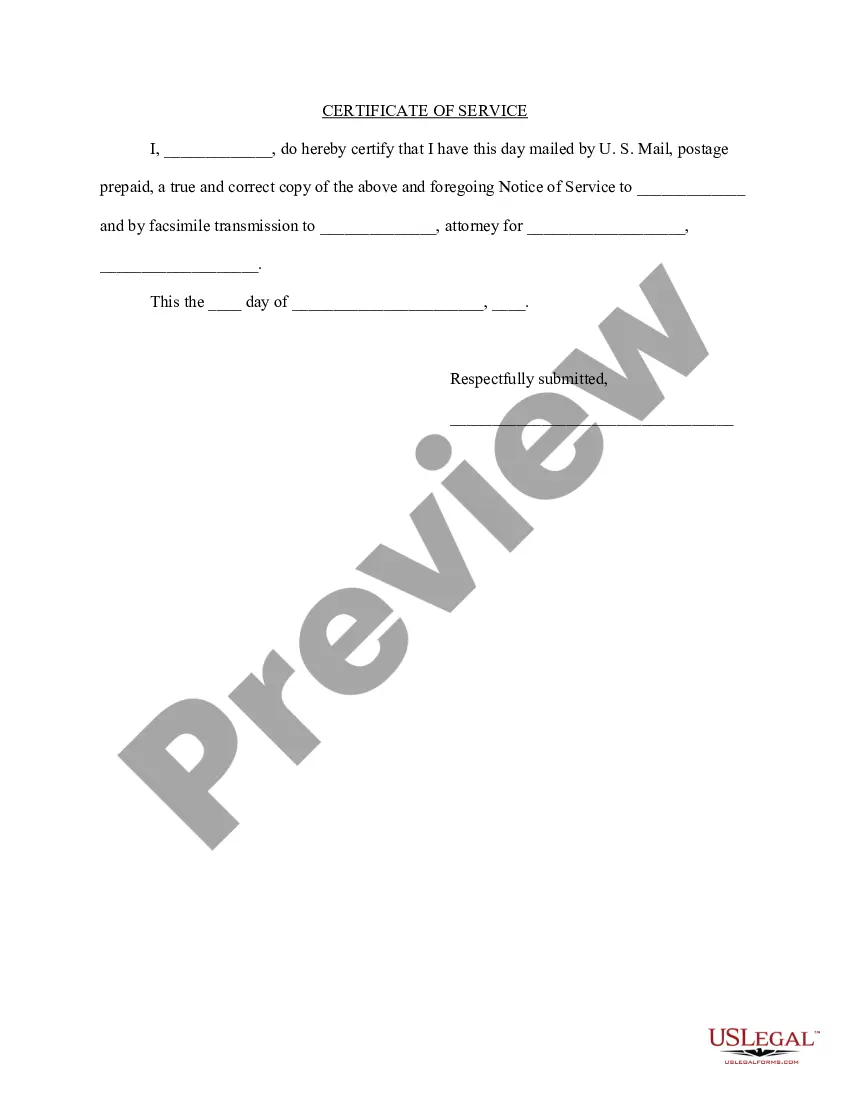
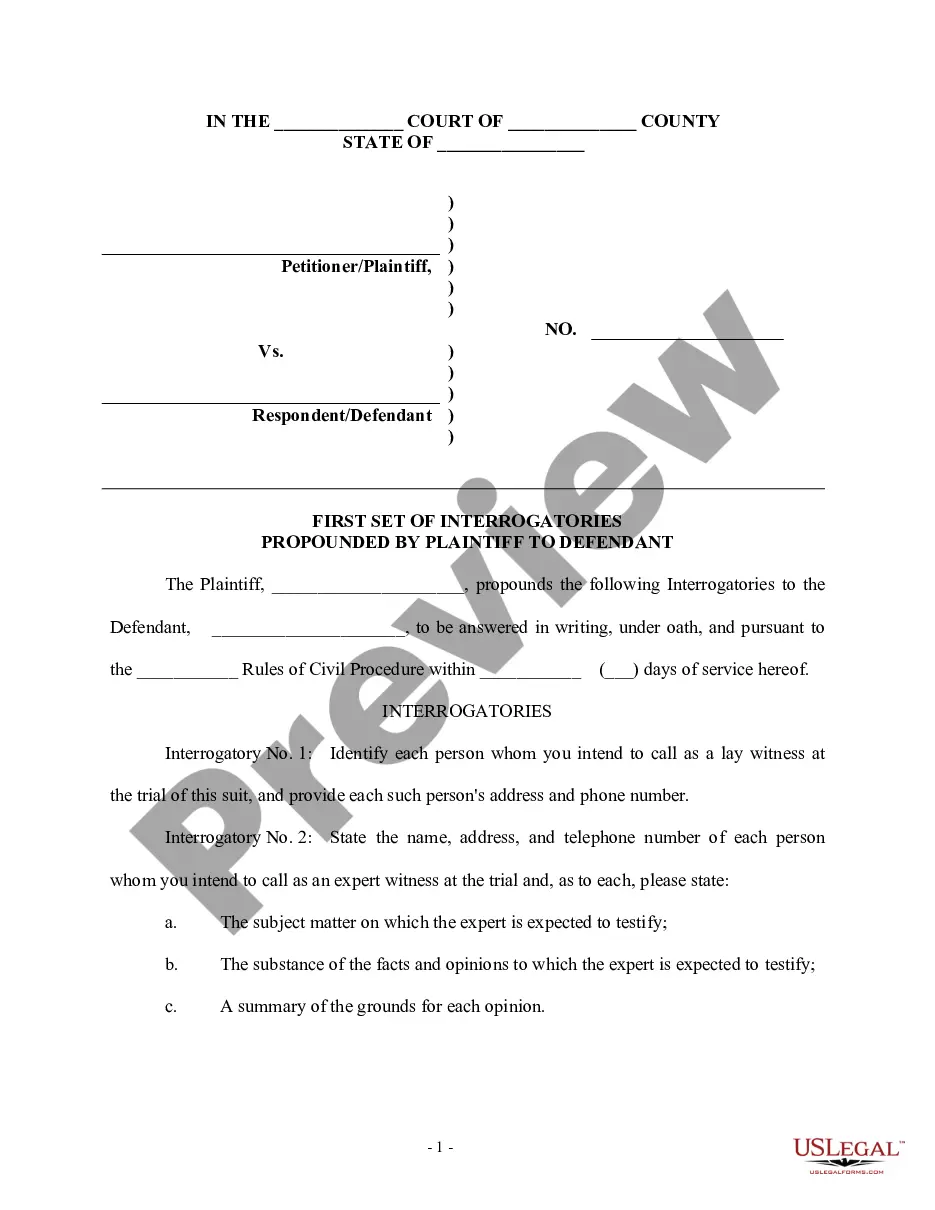

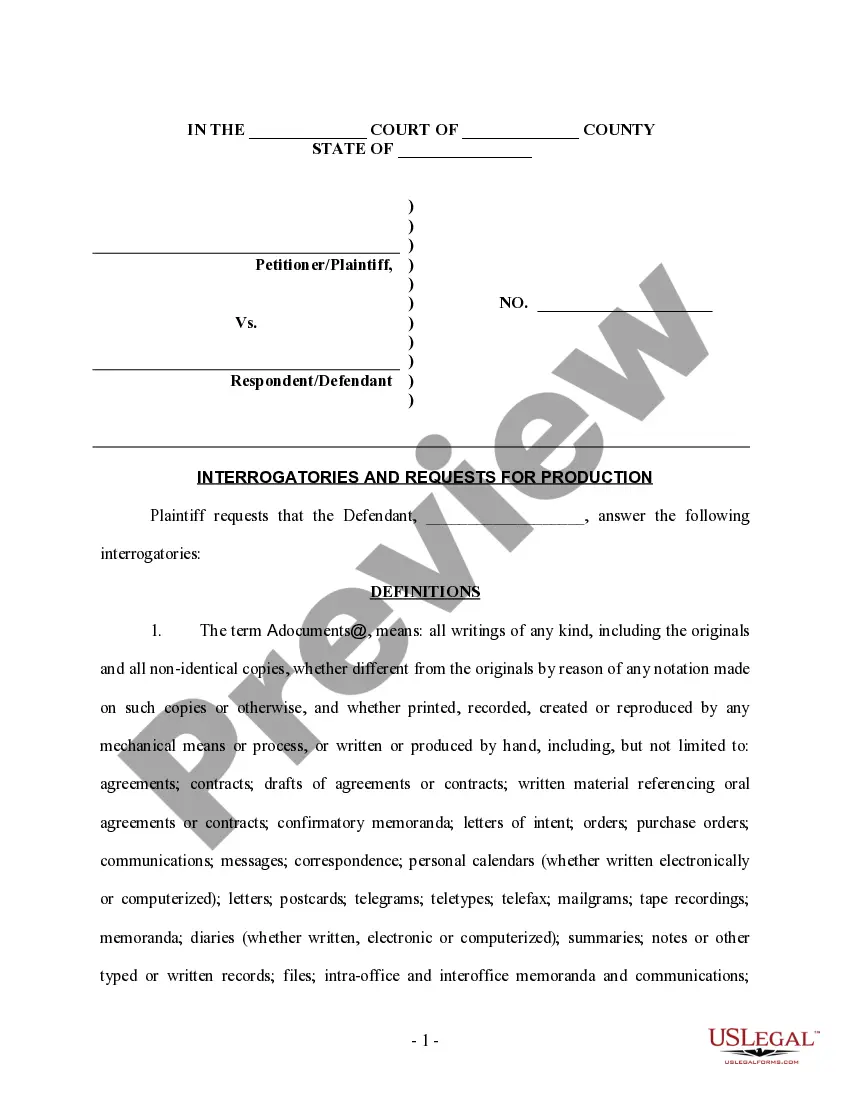
Get your form ready online
Our built-in tools help you complete, sign, share, and store your documents in one place.
Make edits, fill in missing information, and update formatting in US Legal Forms—just like you would in MS Word.
Download a copy, print it, send it by email, or mail it via USPS—whatever works best for your next step.
Sign and collect signatures with our SignNow integration. Send to multiple recipients, set reminders, and more. Go Premium to unlock E-Sign.
If this form requires notarization, complete it online through a secure video call—no need to meet a notary in person or wait for an appointment.
We protect your documents and personal data by following strict security and privacy standards.

Make edits, fill in missing information, and update formatting in US Legal Forms—just like you would in MS Word.

Download a copy, print it, send it by email, or mail it via USPS—whatever works best for your next step.

Sign and collect signatures with our SignNow integration. Send to multiple recipients, set reminders, and more. Go Premium to unlock E-Sign.

If this form requires notarization, complete it online through a secure video call—no need to meet a notary in person or wait for an appointment.

We protect your documents and personal data by following strict security and privacy standards.
Looking for another form?




Form popularity
FAQ
On Android, a local notification is a message that's displayed outside your app's UI to provide reminders or other information from your app. Users can tap the notification to open your app, or can optionally take an action directly from the notification.
Option 1: In your Settings app Open your phone's Settings app. Tap Apps & notifications. Notifications. Under “Recently Sent,” tap an app. Tap a type of notification. Choose your options: Choose Alerting or Silent. To see a banner for alerting notifications when your phone is unlocked, turn on Pop on screen.
Android proposes several types of notifications to inform the user: notifications in the system bar. sound notifications. notifications by vibration.
Tap Notifications, and then turn on notifications by tapping the switch next to Allow notifications. If you'd like the app to alert you with sound and vibration, tap Allow sound and vibration. Then choose what type of notifications you will receive.
To create a service, you must create a subclass of Service or use one of its existing subclasses. In your implementation, you must override some callback methods that handle key aspects of the service lifecycle and provide a mechanism that allows the components to bind to the service, if appropriate.
Icon in the top-right corner of the panel. The Notification Panel is at the top of your mobile device's screen. It is hidden in the screen but can be accessed by swiping your finger from the top of the screen to the bottom. It is accessible from any menu or application.
Android Settings Go to Settings app. Tap Notifications, then select App Settings. To check all listed Apps in your phone, tap All apps. Tap the specific app. Enable the app's notifications on or off. You have the option to disable notifcations entirely for a listed app or to select from a specific categories.
For more details about each part of a notification, read about notification anatomy. Declare the runtime permission. Set the notification content. Create a channel and set the importance. Set the notification's tap action. Show the notification. Add the reply button. Retrieve user input from the reply.