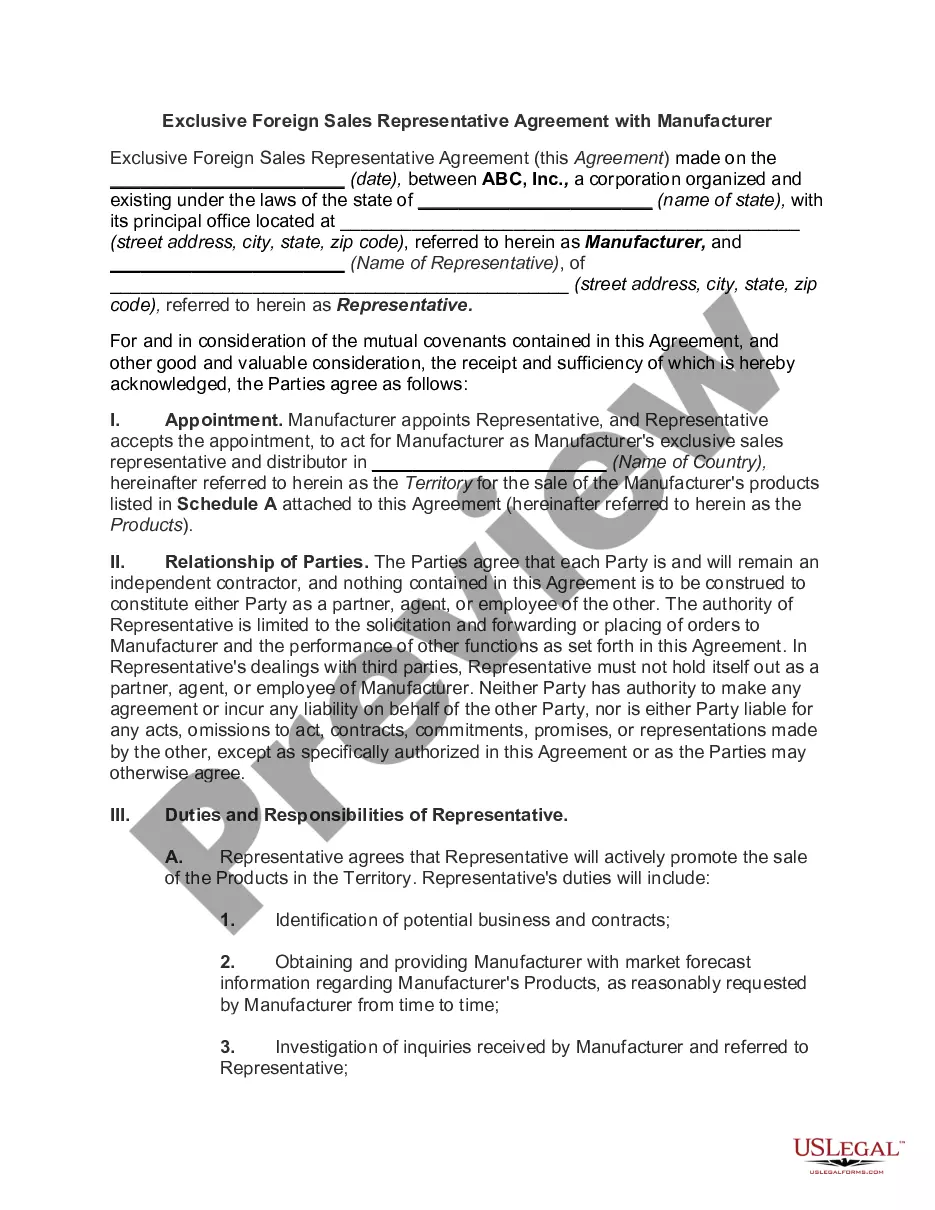
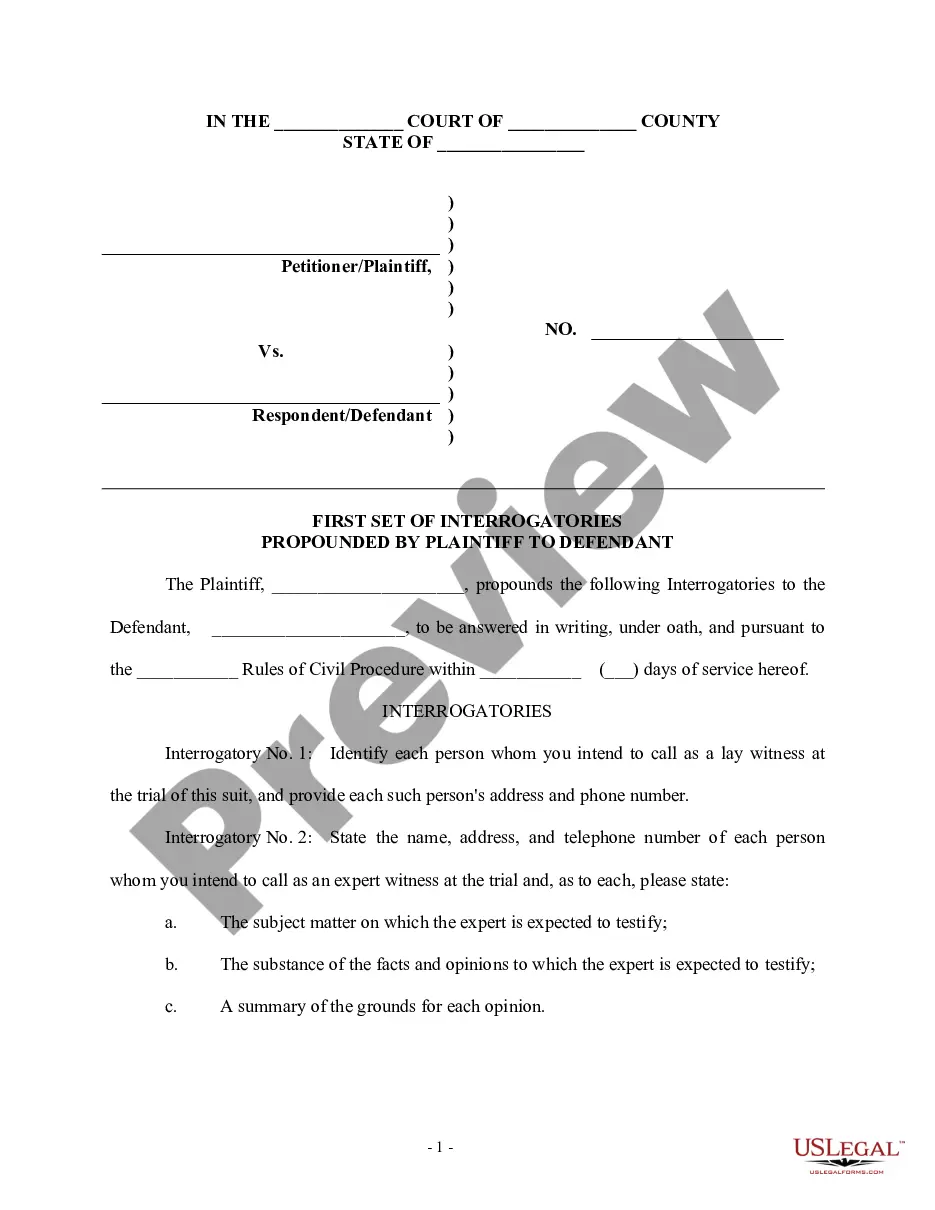
Certificate Of Service For Interrogatories In Queens
Description


Get your form ready online
Our built-in tools help you complete, sign, share, and store your documents in one place.
Make edits, fill in missing information, and update formatting in US Legal Forms—just like you would in MS Word.
Download a copy, print it, send it by email, or mail it via USPS—whatever works best for your next step.
Sign and collect signatures with our SignNow integration. Send to multiple recipients, set reminders, and more. Go Premium to unlock E-Sign.
If this form requires notarization, complete it online through a secure video call—no need to meet a notary in person or wait for an appointment.
We protect your documents and personal data by following strict security and privacy standards.

Make edits, fill in missing information, and update formatting in US Legal Forms—just like you would in MS Word.

Download a copy, print it, send it by email, or mail it via USPS—whatever works best for your next step.

Sign and collect signatures with our SignNow integration. Send to multiple recipients, set reminders, and more. Go Premium to unlock E-Sign.

If this form requires notarization, complete it online through a secure video call—no need to meet a notary in person or wait for an appointment.

We protect your documents and personal data by following strict security and privacy standards.
Looking for another form?






Form popularity
FAQ
Effective January 1, 2024, notarized affidavits are no longer required for most sworn statements submitted in New York state court. No longer limited to lawyers and doctors, court-filed affirmations are now permissible from any witness.
If substituted or nail and mail service were used, the affidavit of service must be filed with the County Clerk within 20 days of the date of service.
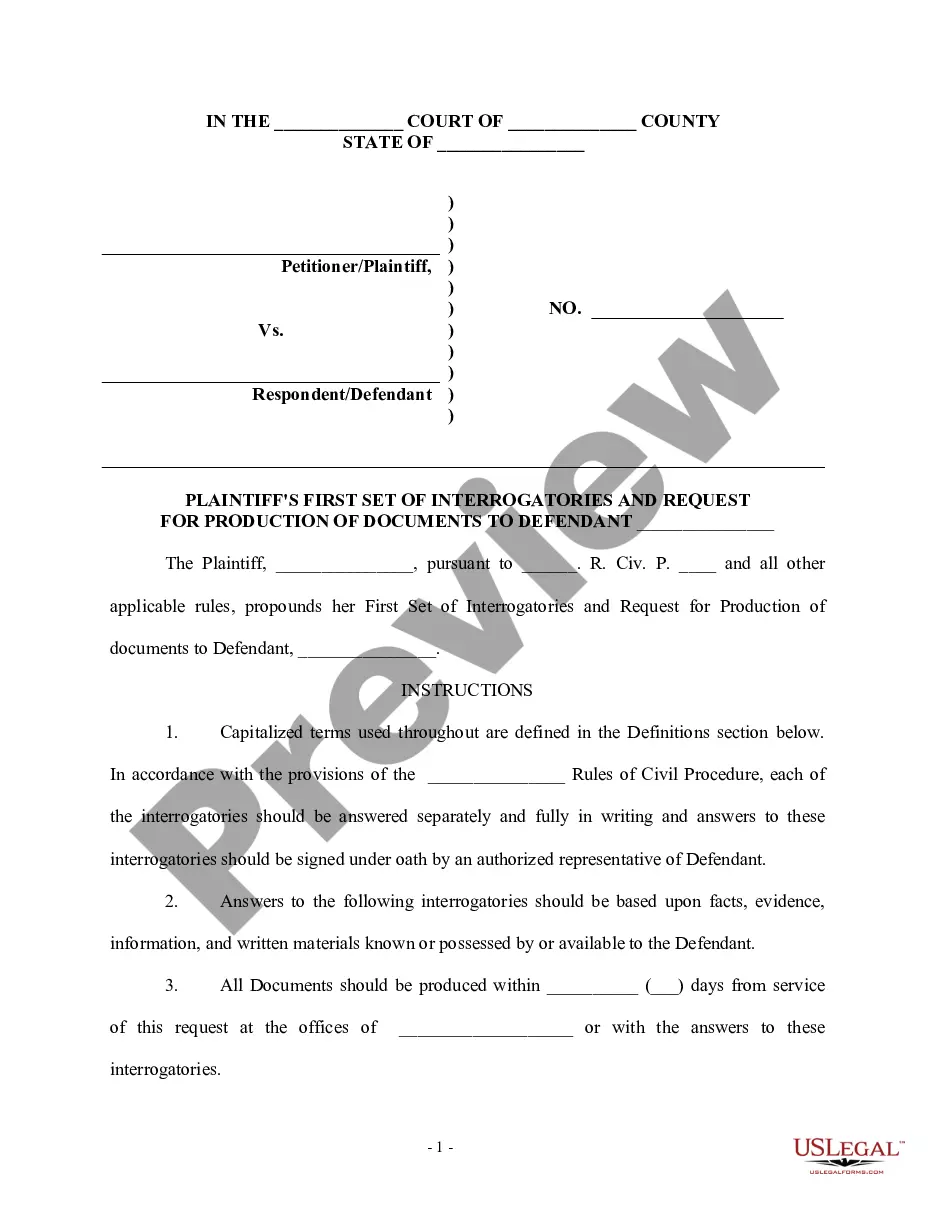
Service of interrogatories. After commencement of an action, any party may serve written interrogatories upon any other party. Interrogatories may not be served upon a defendant before that defendant's time for serving a responsive pleading has expired, except by leave of court granted with or without notice.
Proof of service shall specify the papers served, the person who was served and the date, time, address, or, in the event there is no address, place and manner of service, and set forth facts showing that the service was made by an authorized person and in an authorized manner.
Filing a notarized small estate affidavit could take weeks to months, depending on your state. Once you've sent the affidavit and necessary documents, the state will have to review it and might request additional information. Incorrect details or disputes between the heirs might cause delays in this process.
Submission and Review. After an affidavit is filed, it undergoes review by legal authorities, court officials, or relevant parties involved in the case. This review ensures that: The affidavit meets all legal standards.
What happens next? After the Affidavit of Service has been created, it may need to be notarized before being submitted to the courts. (This will depend on your jurisdiction.) When your Affidavit is ready to be submitted to the court, make sure to double-check everything!
Typically prepared by the process server, an affidavit of service form is often an official court form that can be obtained from the court clerk or various online sources. The document usually includes the following information: The name of the person served. The date, time, and place the person was served.
After an affidavit is filed, the legal process enters a new phase. The document undergoes scrutiny by judges, attorneys, and other involved parties. This examination can lead to further actions, including cross-examinations and additional filings.
An Affidavit of Support is legally enforceable. The sponsor's financial responsibility usually lasts until the applicant either becomes a U.S. citizen, or can be credited with 40 qualifying quarters of work (usually 10 years) under the Social Security Act.