Notice Of Serving Interrogatories Form In Pima
Description


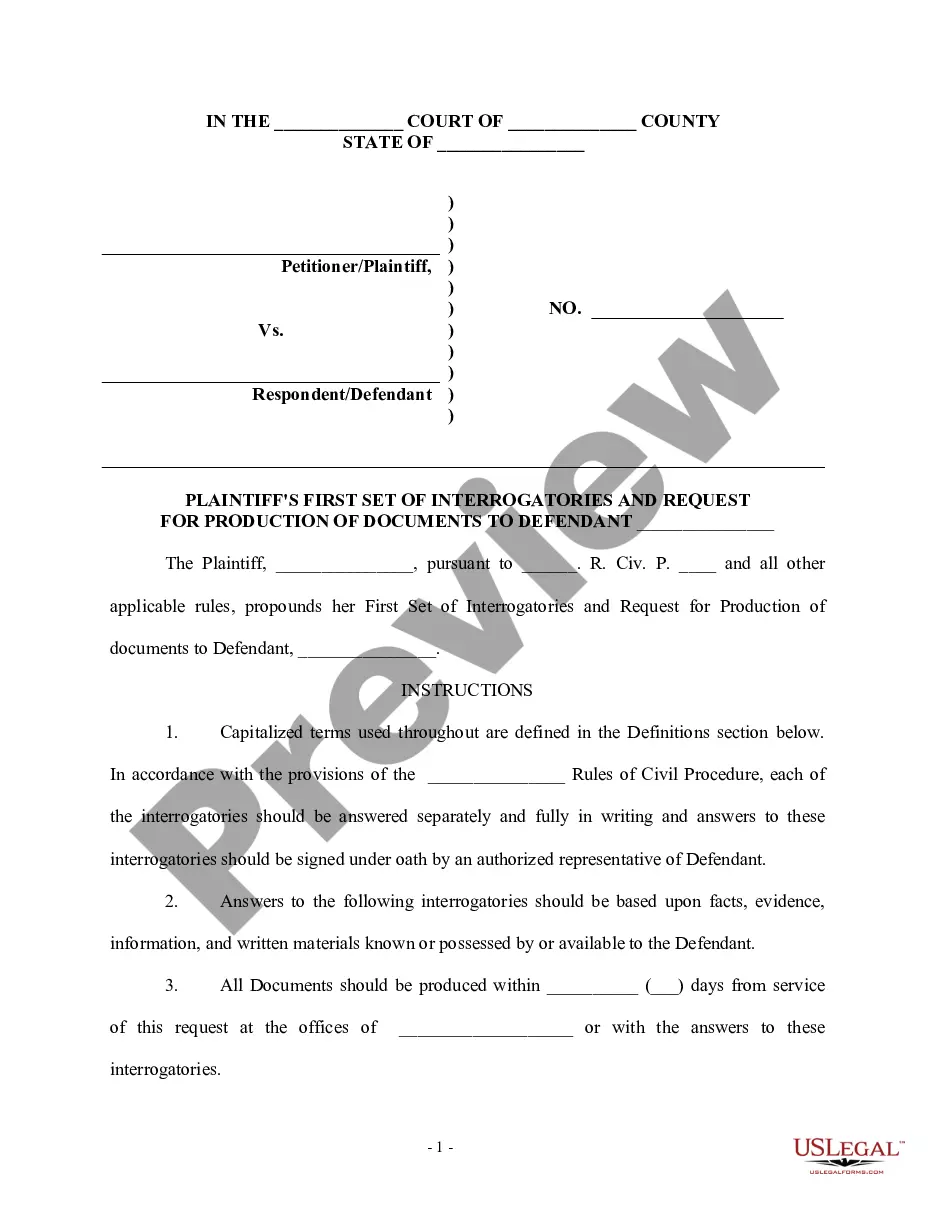
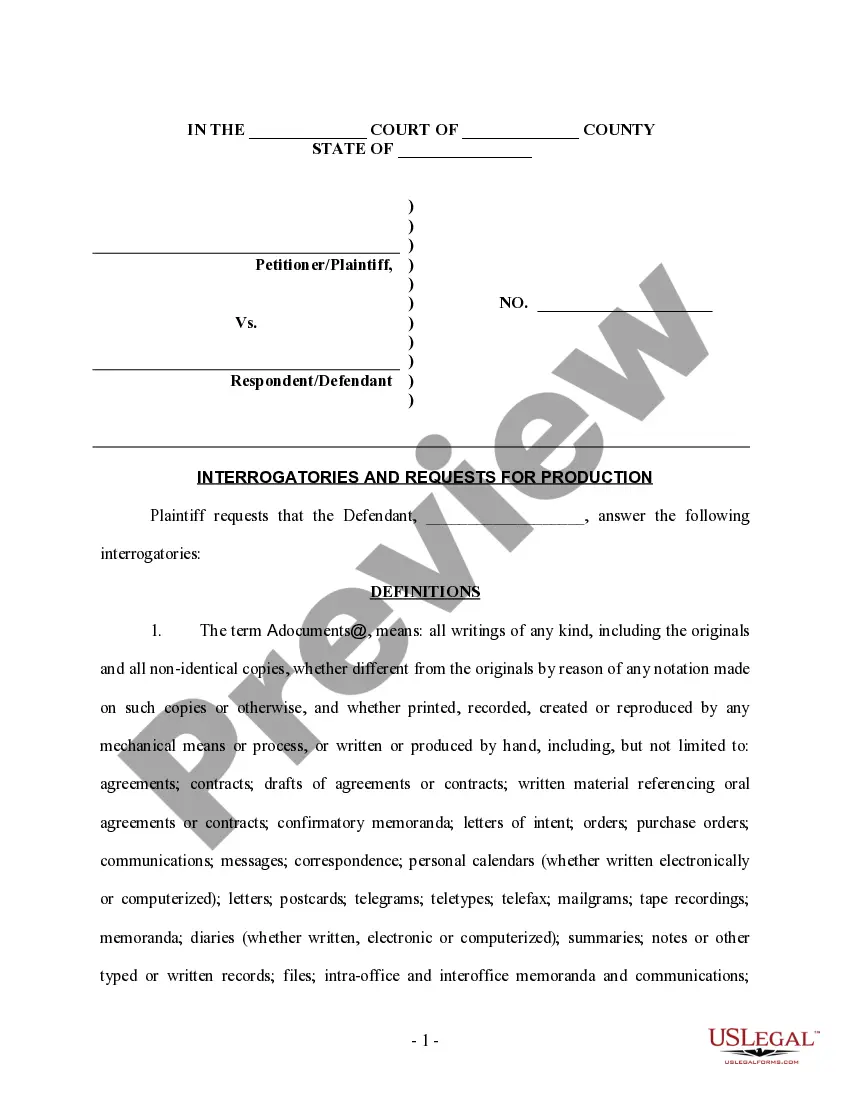
Get your form ready online
Our built-in tools help you complete, sign, share, and store your documents in one place.
Make edits, fill in missing information, and update formatting in US Legal Forms—just like you would in MS Word.
Download a copy, print it, send it by email, or mail it via USPS—whatever works best for your next step.
Sign and collect signatures with our SignNow integration. Send to multiple recipients, set reminders, and more. Go Premium to unlock E-Sign.
If this form requires notarization, complete it online through a secure video call—no need to meet a notary in person or wait for an appointment.
We protect your documents and personal data by following strict security and privacy standards.

Make edits, fill in missing information, and update formatting in US Legal Forms—just like you would in MS Word.

Download a copy, print it, send it by email, or mail it via USPS—whatever works best for your next step.

Sign and collect signatures with our SignNow integration. Send to multiple recipients, set reminders, and more. Go Premium to unlock E-Sign.

If this form requires notarization, complete it online through a secure video call—no need to meet a notary in person or wait for an appointment.

We protect your documents and personal data by following strict security and privacy standards.
Looking for another form?









Form popularity
FAQ
How to fill out Form Interrogatories Fill in basic information at the top of the form. Provide basic information about your case. Select the questions. On Page 2, check the box next to each question you want to ask your spouse to answer. Make copies. Make 1 copy of the completed Form Interrogatories – Family Law.
The Writ of Execution authorizes the Constable or Sheriff to seize non-exempt property from the Judgment- Debtor and sell it to satisfy the judgment against him/her.
The writ of garnishment is a court order requiring the garnishee to withhold a certain amount from your earnings and to continue to withhold a portion of your earnings until the judgment is satisfied or the writ is quashed by the court or released by the judgment creditor.
What Is a Writ of Execution? A writ of execution is a court order that puts in force a judgment of possession and directs law enforcement personnel to begin the transfer of property as the result of a legal judgment.
A garnishment merely freezes the debtor's property in the hands of the garnishee, but an execution requires the person holding the debtor's property to release it to the creditor.
If you do not answer the questions by the deadline, which is usually about a month, the other side could ask the judge to order you to respond to the interrogatories. If you miss the second deadline, the judge could impose a fine against you or strike your pleadings.
: a formal question or inquiry. especially : a written question required to be answered under direction of a court.
You can use interrogatories to find out facts about a case but they cannot be used for questions that draw a legal conclusion.
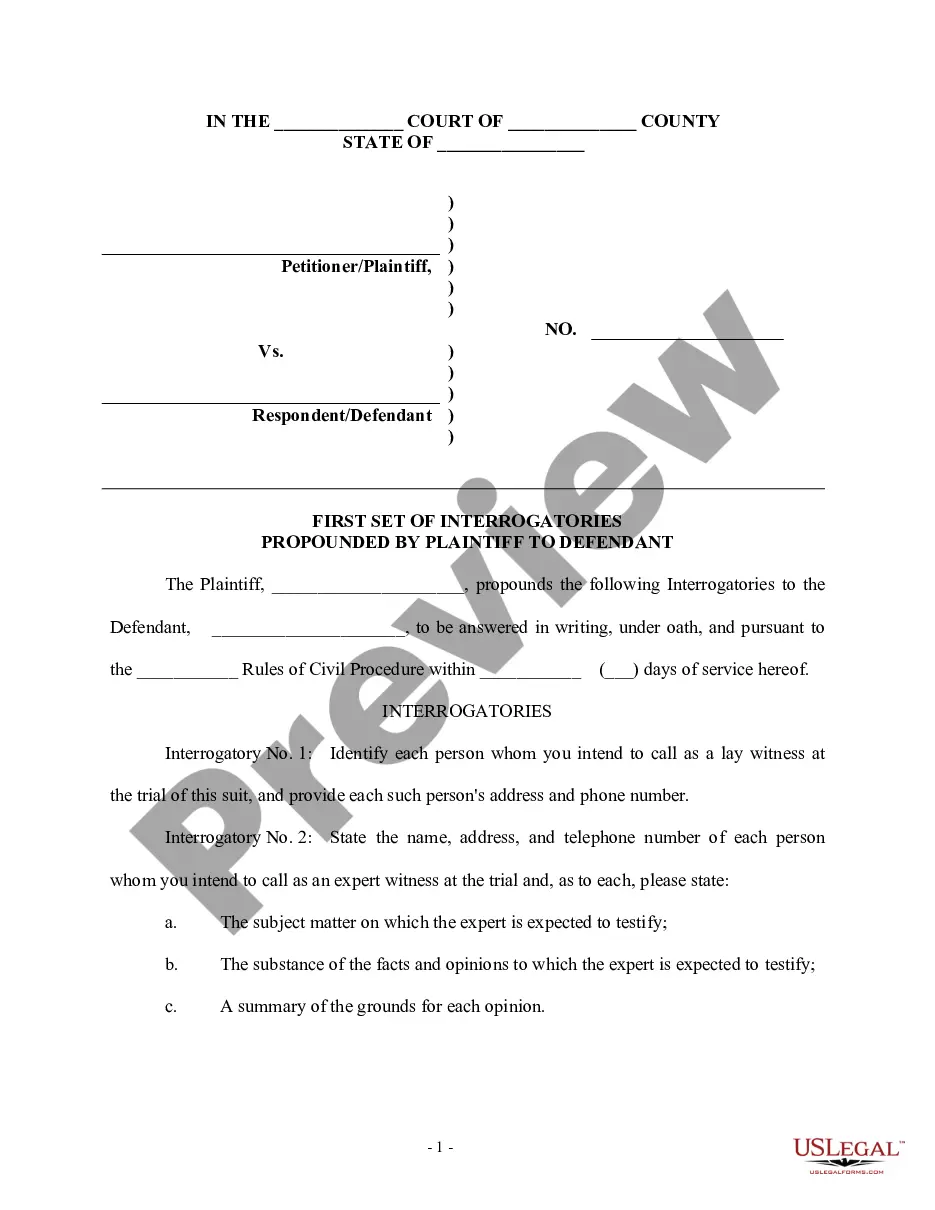
Interrogatories are a discovery device used by a party, usually a Defendant, to enable the individual to learn the facts that are the basis for, or support, a pleading with which he or she has been served by the opposing party.
(a) Interrogatories are written questions prepared by a party to an action that are sent to any other party in the action to be answered under oath. The interrogatories below are form interrogatories approved for use in civil cases.