Notice Discovery Template For Product In Pima
Description

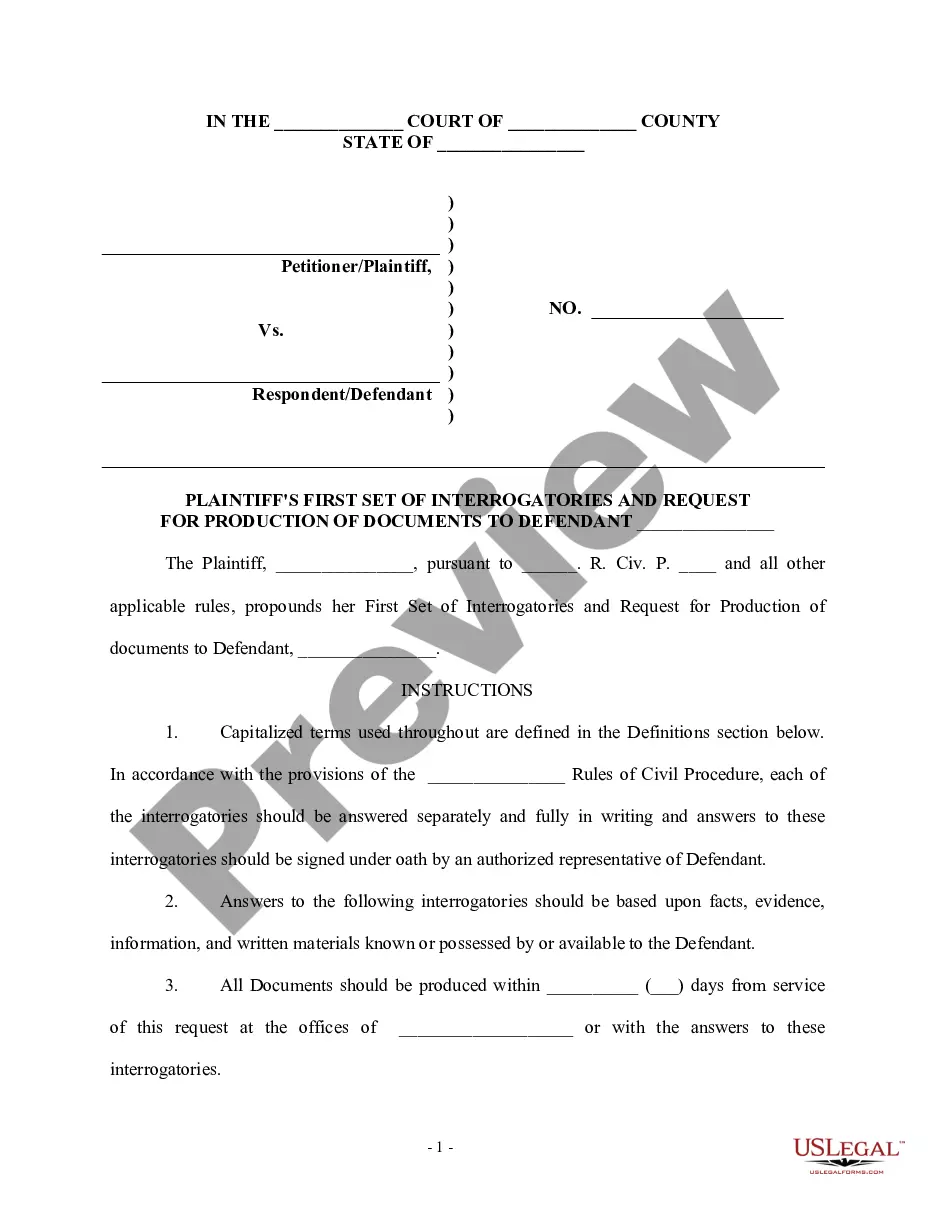
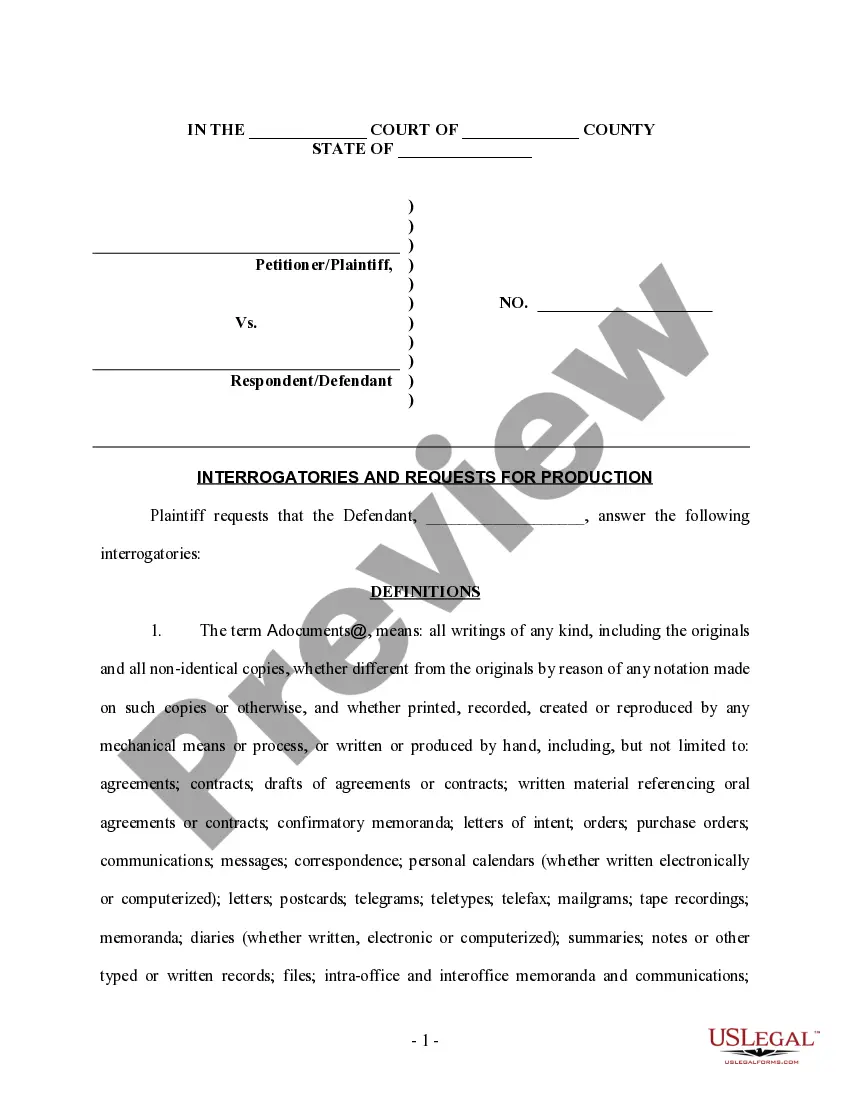
Get your form ready online
Our built-in tools help you complete, sign, share, and store your documents in one place.
Make edits, fill in missing information, and update formatting in US Legal Forms—just like you would in MS Word.
Download a copy, print it, send it by email, or mail it via USPS—whatever works best for your next step.
Sign and collect signatures with our SignNow integration. Send to multiple recipients, set reminders, and more. Go Premium to unlock E-Sign.
If this form requires notarization, complete it online through a secure video call—no need to meet a notary in person or wait for an appointment.
We protect your documents and personal data by following strict security and privacy standards.

Make edits, fill in missing information, and update formatting in US Legal Forms—just like you would in MS Word.

Download a copy, print it, send it by email, or mail it via USPS—whatever works best for your next step.

Sign and collect signatures with our SignNow integration. Send to multiple recipients, set reminders, and more. Go Premium to unlock E-Sign.

If this form requires notarization, complete it online through a secure video call—no need to meet a notary in person or wait for an appointment.

We protect your documents and personal data by following strict security and privacy standards.
Looking for another form?
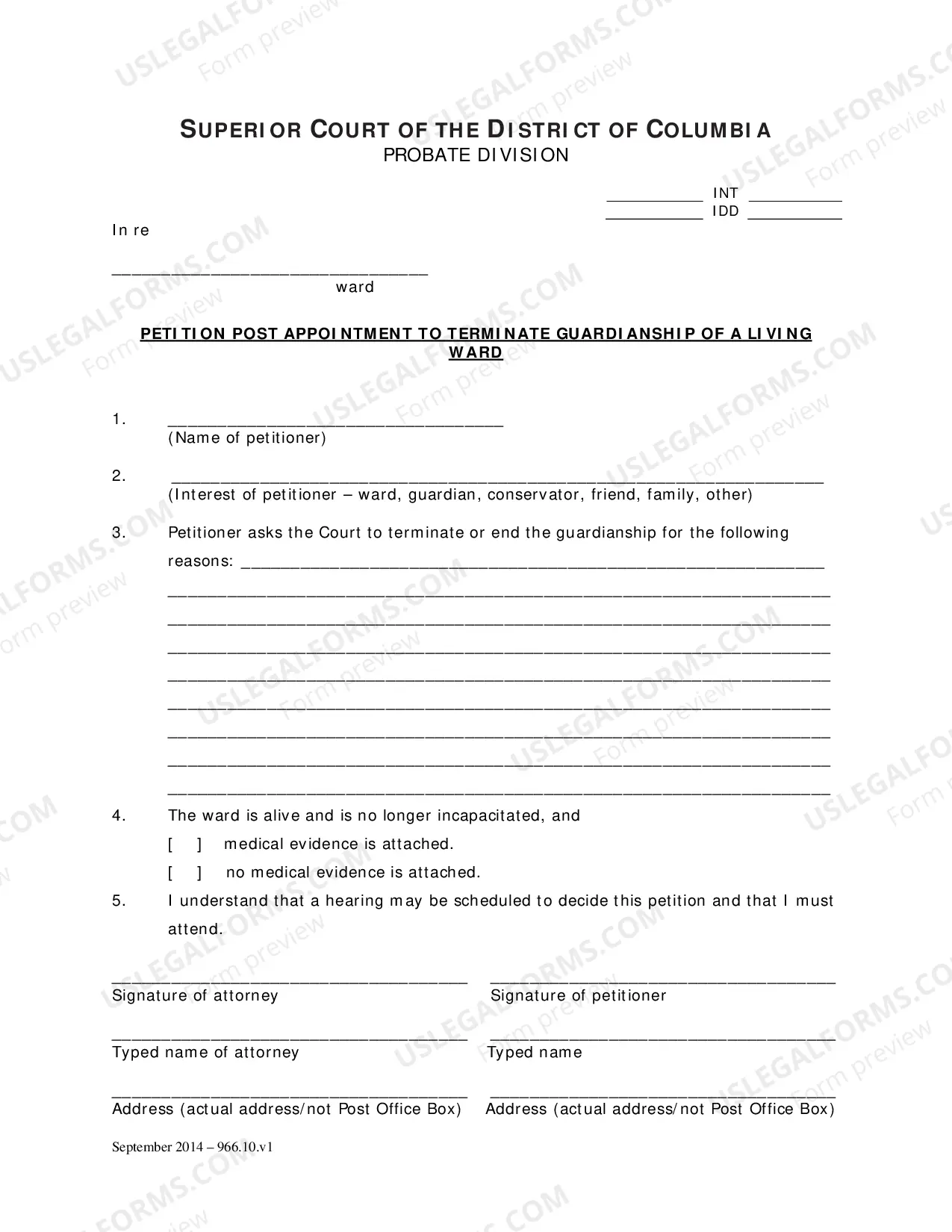






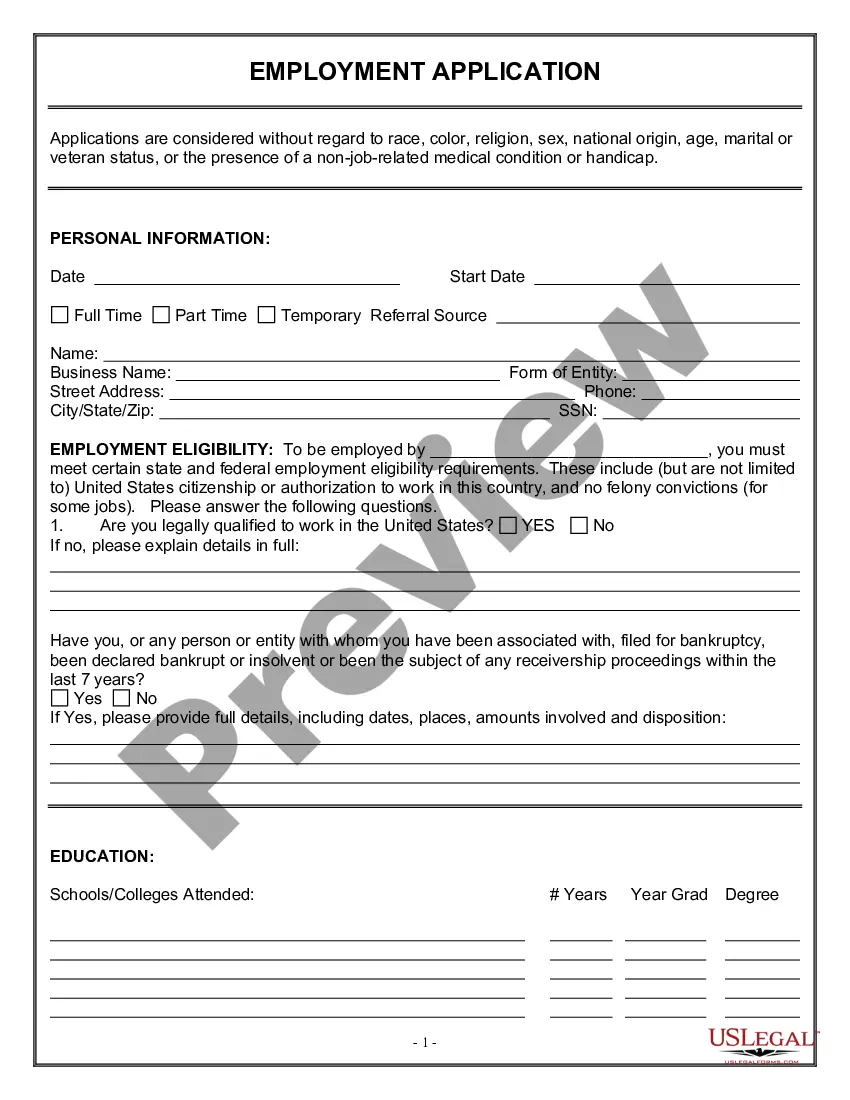


Form popularity
FAQ
8 Valuable techniques for continuous product discovery Customer interviews. Product analytics. Competitor analysis. The five 'whys' technique. Brainstorming. Prioritization techniques. Prototyping. Usability testing.
How To Build Effective Product Documentation for Your Internal Knowledge Base (9 Steps) Understand who the product docs are for. Define the scope of the product docs. Create a document structure. Choose where to host your product docs. Communicate clearly. Include visual aids. Make your product docs accessible.
"Good product discovery has a simple underlying structure: Start with an outcome, discover opportunities, discover solutions." ? Learn the fundamentals of product discovery and why the best product teams are shifting from project-based to continuous discovery.
The product discovery process consists of 7 key stages: Build the product discovery team. Conduct user research. Identify common problems. Prioritize opportunities. Carry out product ideation. Validate product/feature ideas. Develop prototypes and test them.
What are description templates? Description templates help you standardize the information that you collect when an idea is created. To use a template, click into an idea and click on Templates under the idea description. Jira Product Discovery comes with four templates out-of-the-box, or you can create your own.
A typical product discovery template is divided into four key sections, each addressing a crucial aspect of the product discovery process—things like ideation, research and validation, prototyping, testing, and refining.
To create a custom template click +Create a template. Type down the title and add the content you want to use as description template.
A 4-step guide to successful product discovery Step One: Outline your discovery toolbox Step Two: Plan how every team member can contribute Step Three: Consider how to continually involve customers Step Four: Set your ways of working
Product discovery process in 9 steps Define user problems. Assemble a cross-functional team. Market and user research. Idea generation and prioritization. Build prototypes or MVPs. Testing and validation. Iterate and refine. Documentation and development.
Product discovery is a vital process in the development of any successful product. The five stages of product discovery, represented in ideation, research, prototyping, production, and launch and marketing, allow for a thorough and systematic approach to product development.