Notice To Service Provider In Phoenix
Description


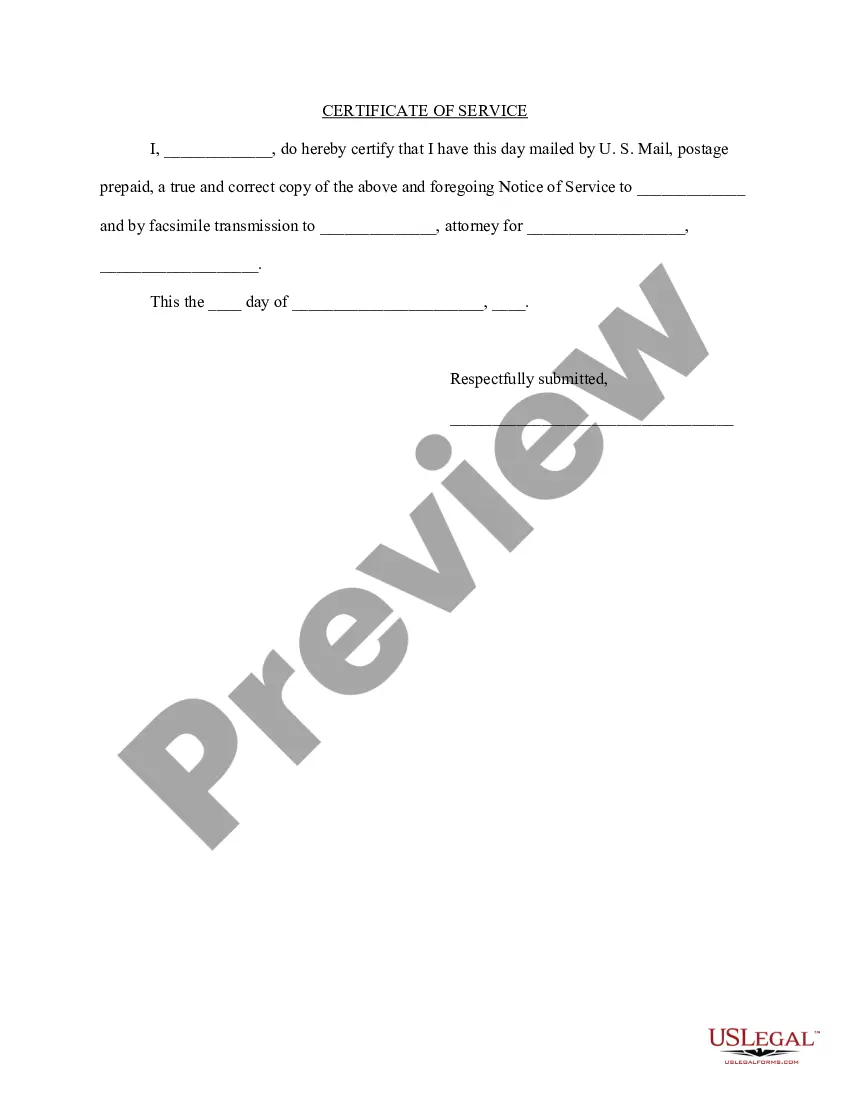
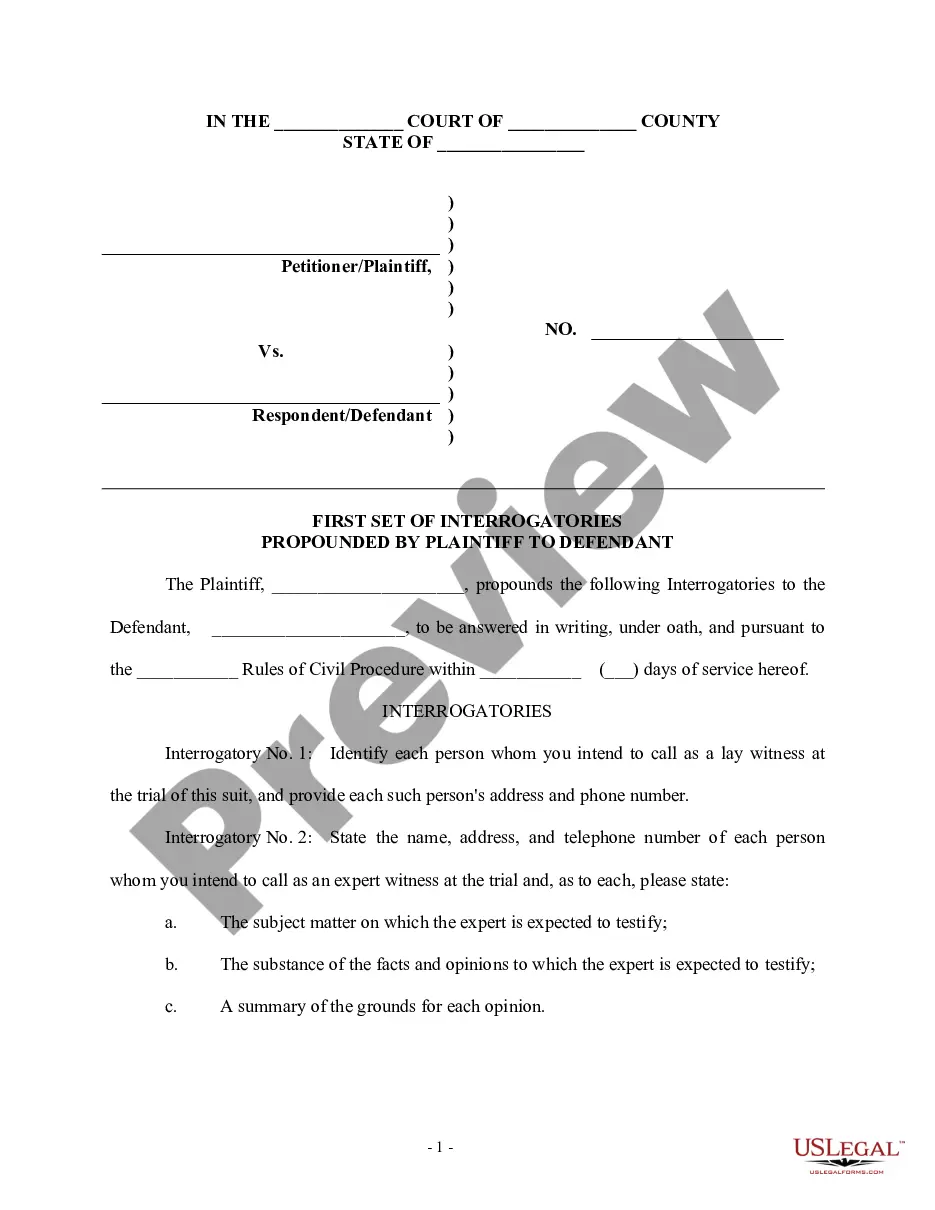
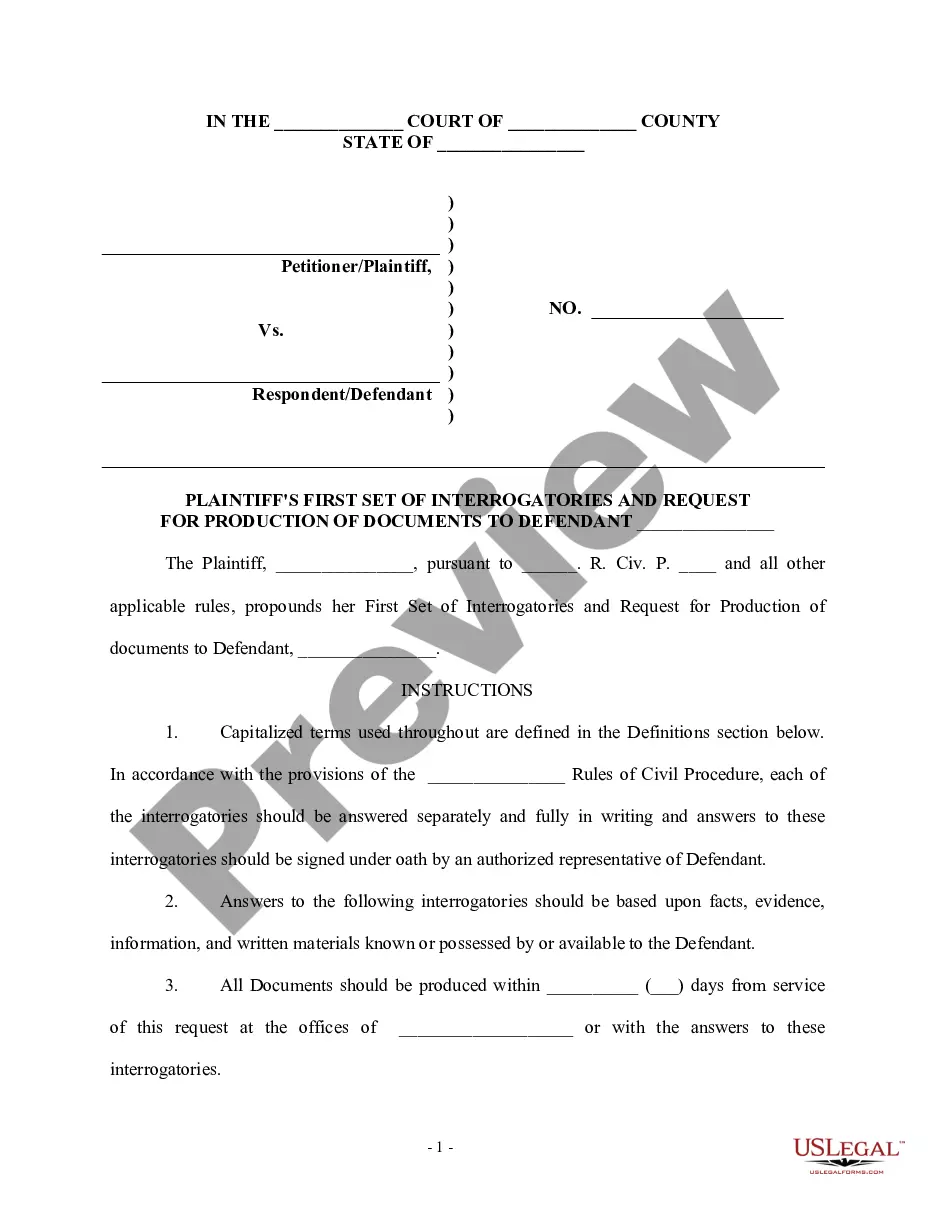
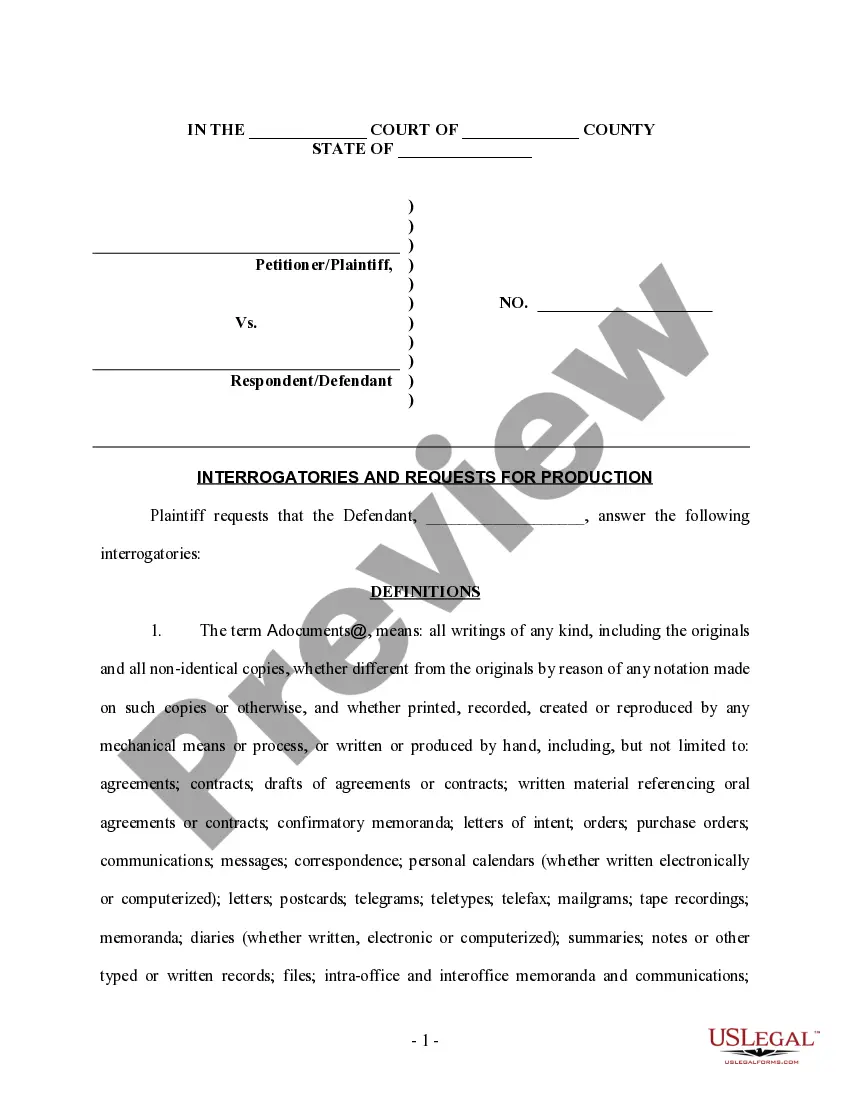
Get your form ready online
Our built-in tools help you complete, sign, share, and store your documents in one place.
Make edits, fill in missing information, and update formatting in US Legal Forms—just like you would in MS Word.
Download a copy, print it, send it by email, or mail it via USPS—whatever works best for your next step.
Sign and collect signatures with our SignNow integration. Send to multiple recipients, set reminders, and more. Go Premium to unlock E-Sign.
If this form requires notarization, complete it online through a secure video call—no need to meet a notary in person or wait for an appointment.
We protect your documents and personal data by following strict security and privacy standards.

Make edits, fill in missing information, and update formatting in US Legal Forms—just like you would in MS Word.

Download a copy, print it, send it by email, or mail it via USPS—whatever works best for your next step.

Sign and collect signatures with our SignNow integration. Send to multiple recipients, set reminders, and more. Go Premium to unlock E-Sign.

If this form requires notarization, complete it online through a secure video call—no need to meet a notary in person or wait for an appointment.

We protect your documents and personal data by following strict security and privacy standards.
Looking for another form?





Form popularity
FAQ
Service of process is giving the other parties in the court case the documents that were filed in the case so that they have notice that a lawsuit was filed against them and they have the opportunity to respond.
To respond you need to: Download or ask the court for a blank answer form. Respond to each of the numbered claims in the complaint. Briefly explain your responses and raise any defenses you have. File your answer with the court and deliver a copy to the person suing you (or their lawyer, if they have one).
You can also reach out to local legal entities. This could be the court's clerk office. Simply ask if there are any legal documents with your name on them that haven't been delivered yet. This is like calling customer service to check if they've dispatched that order you forgot you made.
Unless Rule 4.1(c), (e), (f), or (g) applies, an individual may be served by: (1) delivering a copy of the summons and the pleading being served to that individual personally; (2) leaving a copy of each at that individual's dwelling or usual place of abode with someone of suitable age and discretion who resides there; ...
Generally, your Summons and Complaint must be served within 90 days after you file the Complaint. (ARCP 4(i)) If you fail to serve the Defendants within 90 days, your Complaint will be dismissed.
The meaning of “personally served” is set forth in Rule 113(a). The person who completed service must promptly prepare an affidavit as proof that a defendant was served, and the proof of service must be filed with the court.
You can send the court papers by giving the post office copies of the court papers in an envelope, postage prepaid, to be sent to the other party by any form of mail requiring a signed and returned receipt. This is often called Certified Mail, Restricted Delivery by the post office.
If the process server cannot serve you personally, they can leave a copy of the papers at your home with someone of suitable age and discretion. They may also deliver the documents to an agent who is authorized to receive service of process on your behalf.
If the defendant tries to evade service by staying away from their home, you can serve them at their workplace or another public place. If that does not work, you may need to locate another address to serve them at.