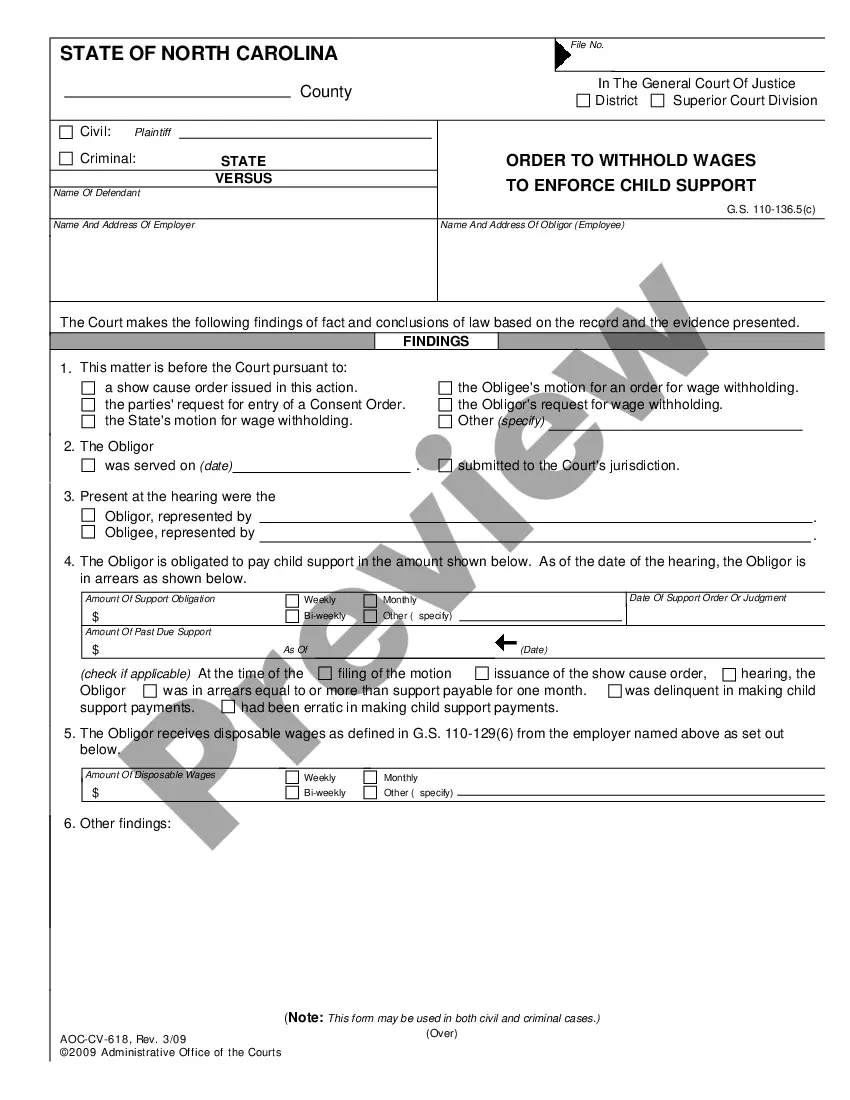
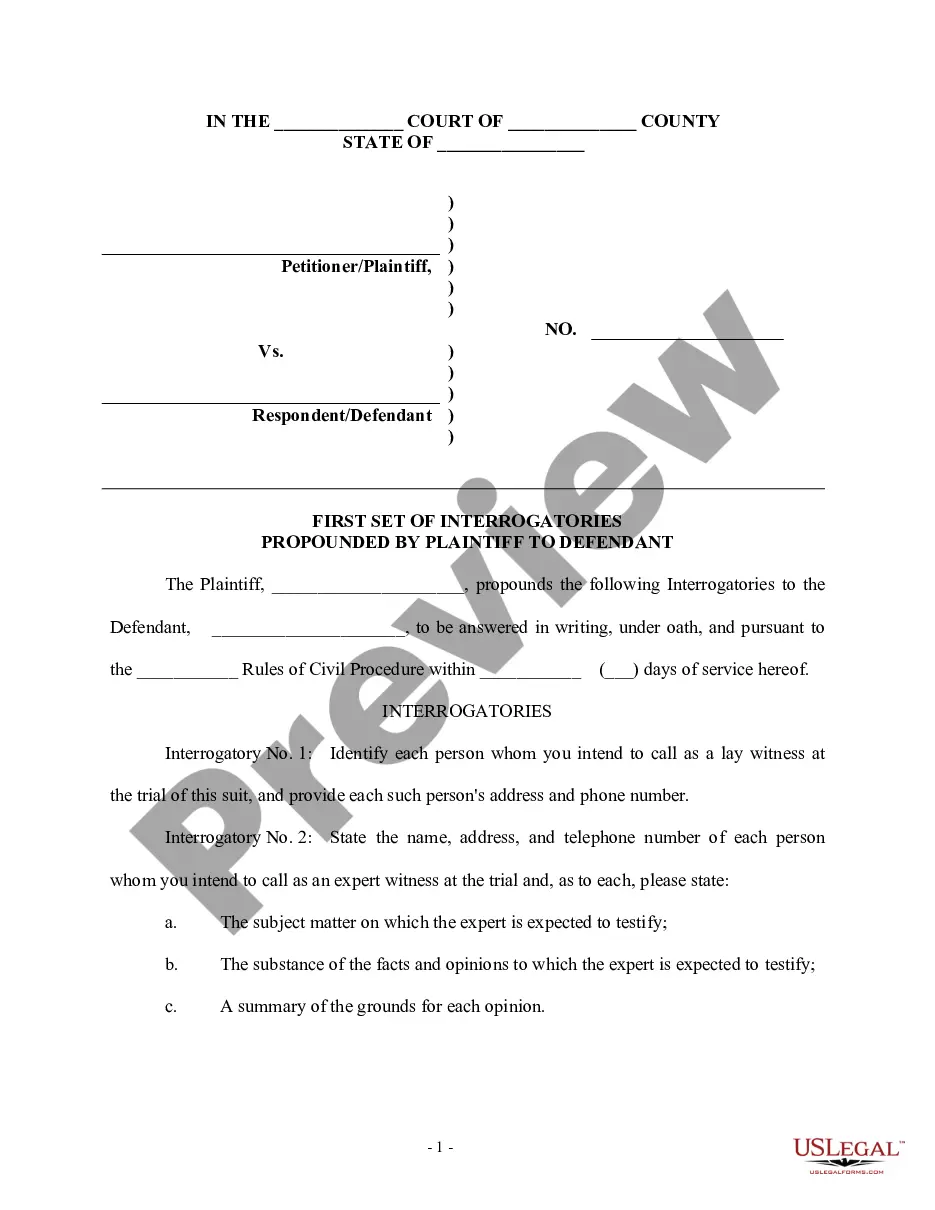
Notice Discovery Template With Formulas In Orange
Description




Get your form ready online
Our built-in tools help you complete, sign, share, and store your documents in one place.
Make edits, fill in missing information, and update formatting in US Legal Forms—just like you would in MS Word.
Download a copy, print it, send it by email, or mail it via USPS—whatever works best for your next step.
Sign and collect signatures with our SignNow integration. Send to multiple recipients, set reminders, and more. Go Premium to unlock E-Sign.
If this form requires notarization, complete it online through a secure video call—no need to meet a notary in person or wait for an appointment.
We protect your documents and personal data by following strict security and privacy standards.

Make edits, fill in missing information, and update formatting in US Legal Forms—just like you would in MS Word.

Download a copy, print it, send it by email, or mail it via USPS—whatever works best for your next step.

Sign and collect signatures with our SignNow integration. Send to multiple recipients, set reminders, and more. Go Premium to unlock E-Sign.

If this form requires notarization, complete it online through a secure video call—no need to meet a notary in person or wait for an appointment.

We protect your documents and personal data by following strict security and privacy standards.
Looking for another form?



Form popularity
FAQ
Information obtained during discovery shall not be filed with the court until such time as it is filed for good cause. The requirement of good cause is satisfied only where the filing of the information is allowed or required by another applicable rule of procedure or by court order.
Discovery materials are filed only in limited circumstances, including if ordered by the Court, if necessary to the presentation or defense of a motion, or if required by law or rule.
You typically have 30 days to respond to the request During the time you have to respond to discovery requests, you can still use mediation or work to negotiate a settlement with the other side.
The privilege log, appendix and accompanying memorandum of law must be sufficient to establish a prima facie case to support assertion of each privilege or protection. No party may submit documents for the Court's in camera review, unless the Court issues a subsequent order requesting such submissions.
Florida's statute of limitations for personal injury cases is generally two years from the date of the injury. However, the discovery rule allows for an exception: the statute of limitations may begin on the date you first discovered (or reasonably should have discovered) the injury.