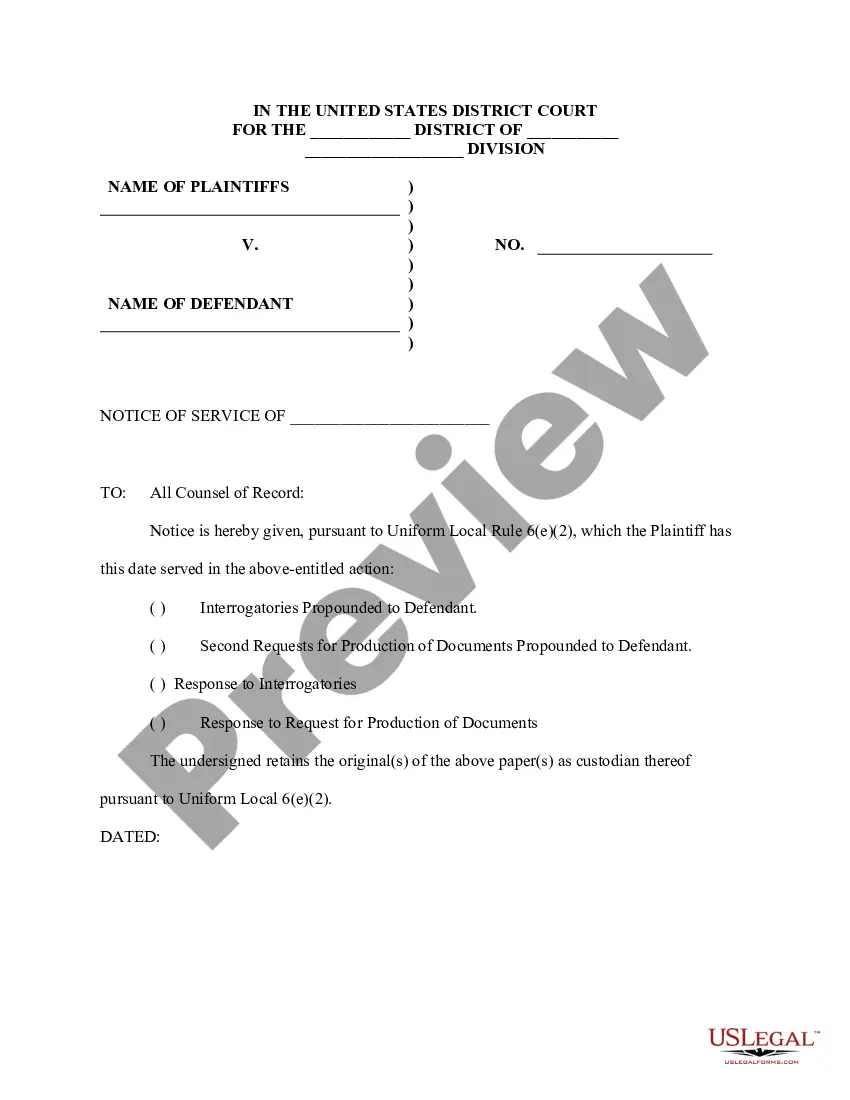
Notice Of Discovery And Demand For Brady Material In Ohio
Description
Get your form ready online
Our built-in tools help you complete, sign, share, and store your documents in one place.
Make edits, fill in missing information, and update formatting in US Legal Forms—just like you would in MS Word.
Download a copy, print it, send it by email, or mail it via USPS—whatever works best for your next step.
Sign and collect signatures with our SignNow integration. Send to multiple recipients, set reminders, and more. Go Premium to unlock E-Sign.
If this form requires notarization, complete it online through a secure video call—no need to meet a notary in person or wait for an appointment.
We protect your documents and personal data by following strict security and privacy standards.

Make edits, fill in missing information, and update formatting in US Legal Forms—just like you would in MS Word.

Download a copy, print it, send it by email, or mail it via USPS—whatever works best for your next step.

Sign and collect signatures with our SignNow integration. Send to multiple recipients, set reminders, and more. Go Premium to unlock E-Sign.

If this form requires notarization, complete it online through a secure video call—no need to meet a notary in person or wait for an appointment.

We protect your documents and personal data by following strict security and privacy standards.
Looking for another form?
Form popularity
FAQ
In Ohio, discovery is governed by Criminal Rule 16 of the Ohio Rules of Criminal Procedure. This rule outlines the obligations and rights of both the defense and the prosecution in terms of sharing evidence and information before trial.
A Brady motion is a defendant's request that the prosecution turn over any potentially “exculpatory” evidence or evidence that may be favorable to the accused in a California criminal case.
One of the tools that a knowledgeable criminal defense attorney will use to defend your rights is the pre-trial discovery process when the defense can file a “Demand for Discovery and Inspection” requesting that the prosecution share its evidence with the defense. This can include: Witness lists.
Brady material , or the evidence the prosecutor is required to disclose under this rule, includes any information favorable to the accused which may reduce a defendant's potential sentence, go against the credibility of an unfavorable witness , or otherwise allow a jury to infer against the defendant's guilt.
This rule is to provide all parties in a criminal case with the information necessary for a full and fair adjudication of the facts, to protect the integrity of the justice system and the rights of defendants, and to protect the well-being of witnesses, victims, and society at large.
(1) Discovery should be commenced by all parties promptly after the filing of a notice of appeal and should be completed within the applicable case management schedule established in rules 5717-1-07 and 5717-1-08 of the Administrative Code, such deadlines also serving as the last day for a party to seek involvement of ...
Ohio Rule of Evidence 1002 provides that, To prove the content of a writing, recording, or photograph, the original writing, recording, or photograph is required, except as otherwise provided in these rules or by statute enacted by the General Assembly not in conflict with a rule of the Supreme Court of Ohio.
The Brady rule, named after Brady v. Maryland , requires prosecutors to disclose material , exculpatory information in the government's possession to the defense.
Maryland. 1 Brady requires that prosecutors fully disclose to the accused all exculpatory evidence in their possession.
Rule 26 - General Provisions Governing Discovery (A)Policy; discovery methods It is the policy of these rules (1) to preserve the right of attorneys to prepare cases for trial with that degree of privacy necessary to encourage them to prepare their cases thoroughly and to investigate not only the favorable but the ...