Notice Of Discovery Without Consent
Description

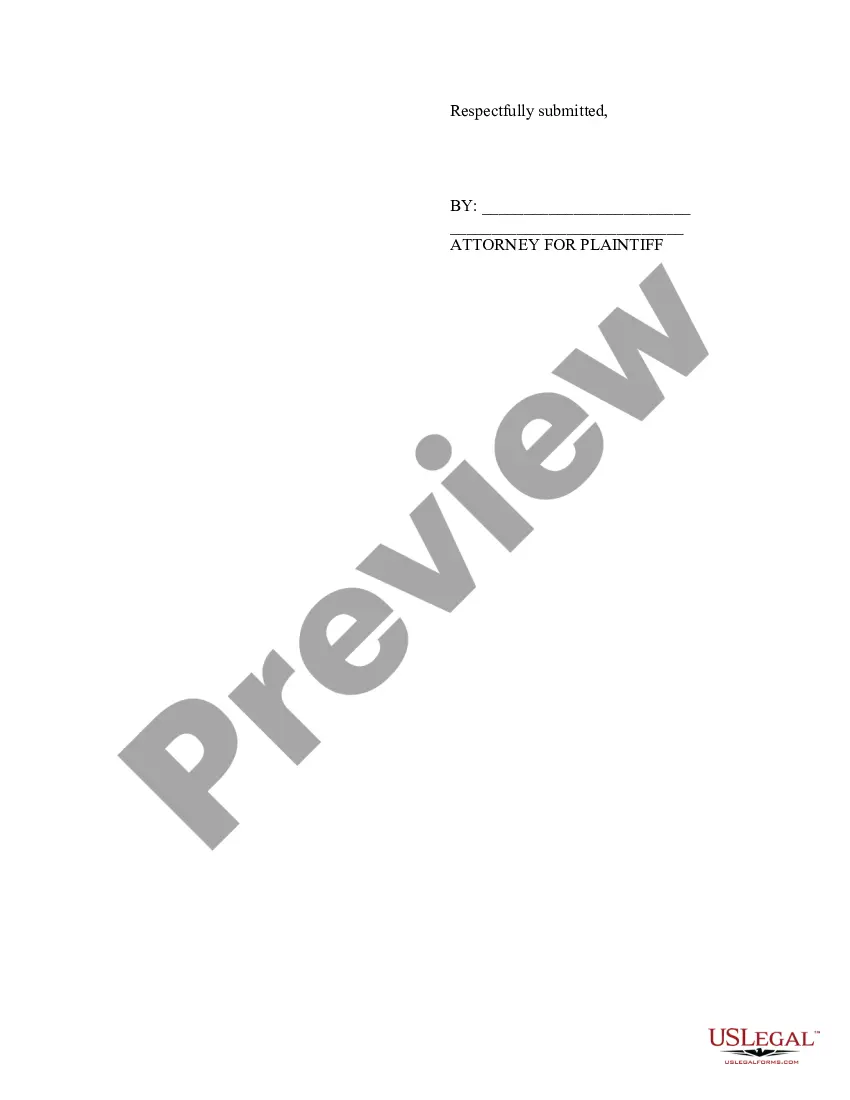
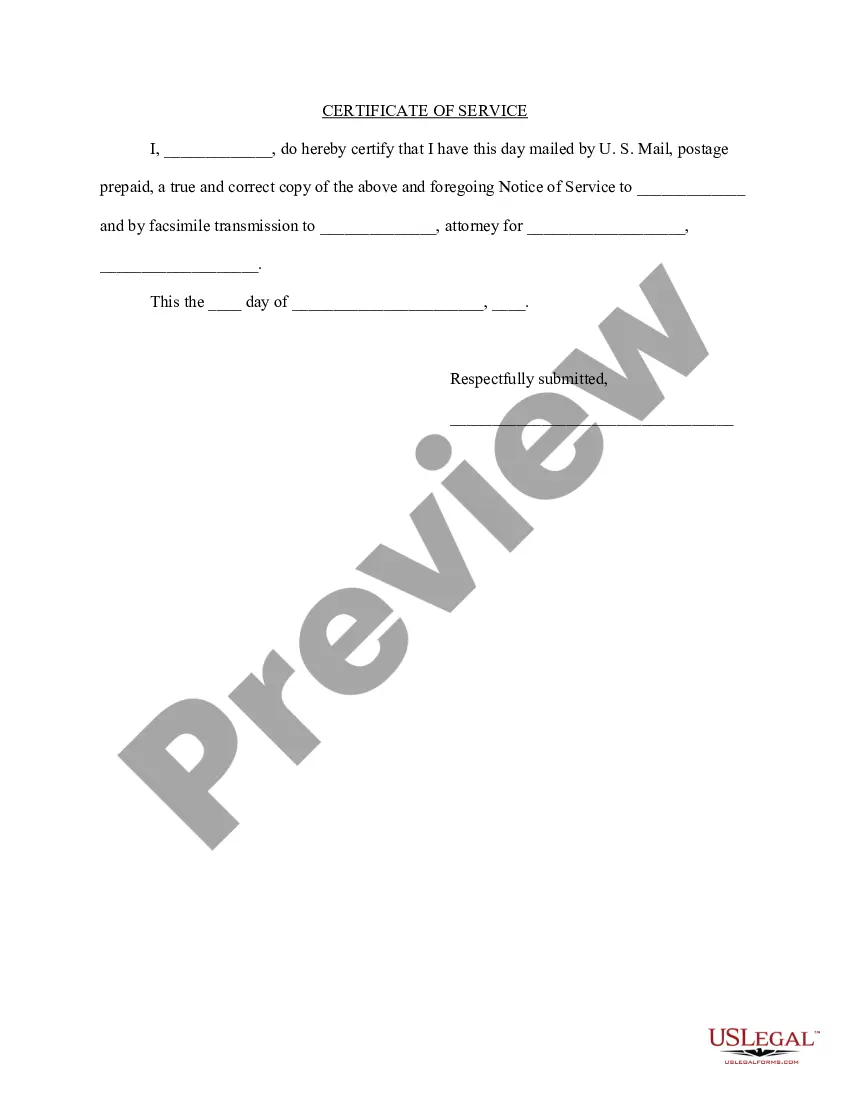
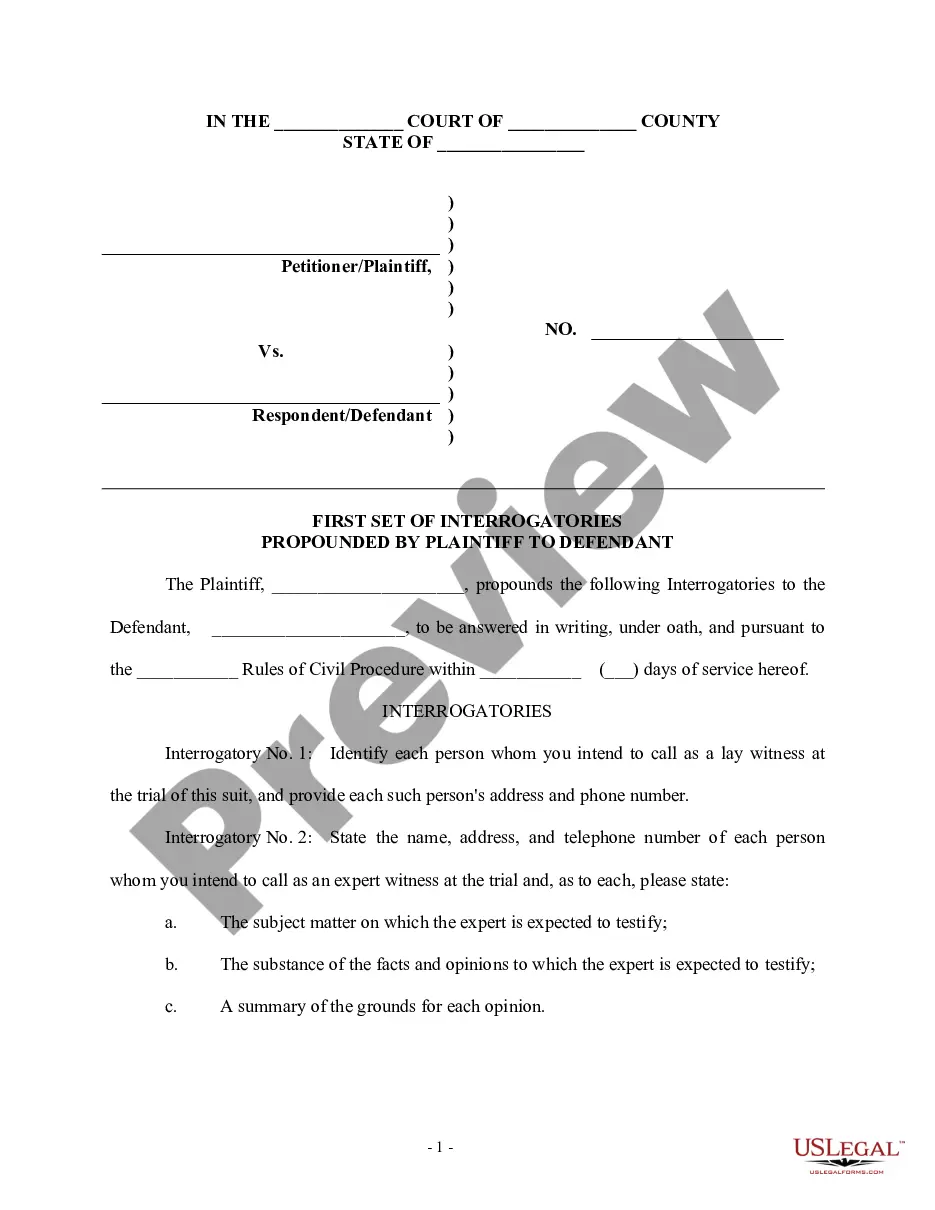

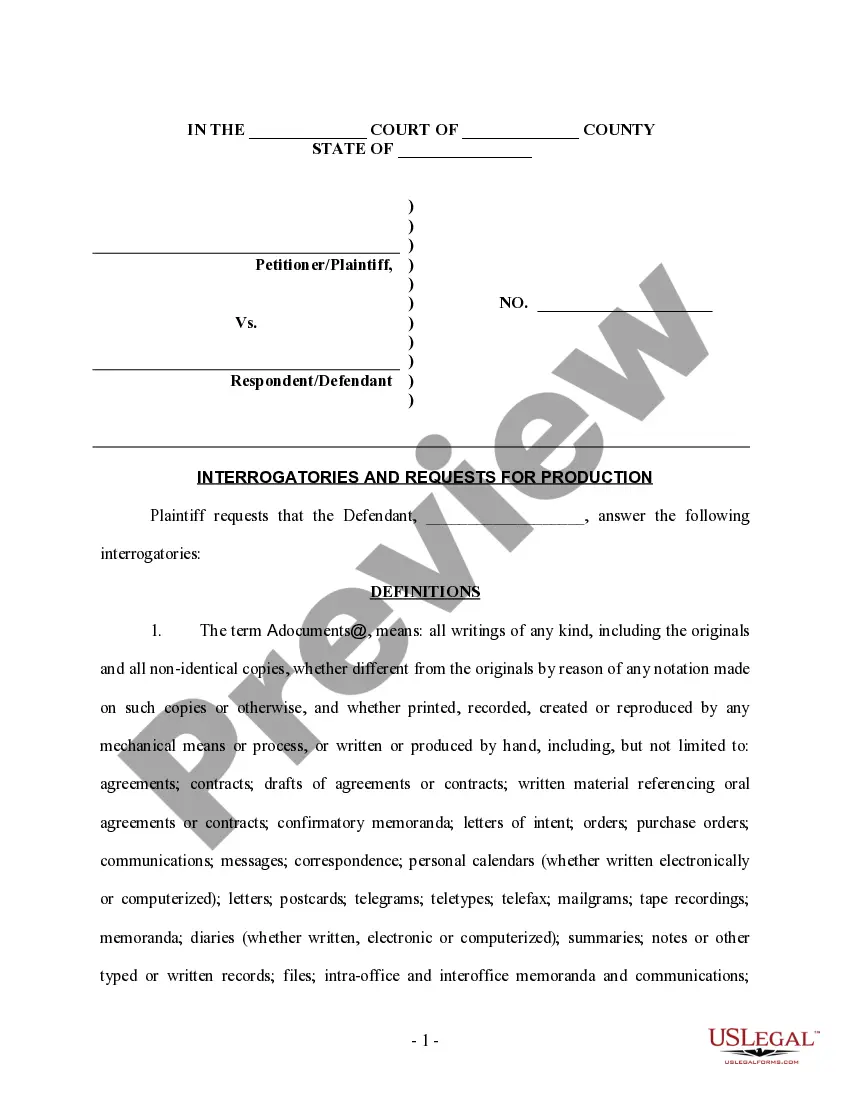
Get your form ready online
Our built-in tools help you complete, sign, share, and store your documents in one place.
Make edits, fill in missing information, and update formatting in US Legal Forms—just like you would in MS Word.
Download a copy, print it, send it by email, or mail it via USPS—whatever works best for your next step.
Sign and collect signatures with our SignNow integration. Send to multiple recipients, set reminders, and more. Go Premium to unlock E-Sign.
If this form requires notarization, complete it online through a secure video call—no need to meet a notary in person or wait for an appointment.
We protect your documents and personal data by following strict security and privacy standards.

Make edits, fill in missing information, and update formatting in US Legal Forms—just like you would in MS Word.

Download a copy, print it, send it by email, or mail it via USPS—whatever works best for your next step.

Sign and collect signatures with our SignNow integration. Send to multiple recipients, set reminders, and more. Go Premium to unlock E-Sign.

If this form requires notarization, complete it online through a secure video call—no need to meet a notary in person or wait for an appointment.

We protect your documents and personal data by following strict security and privacy standards.
Looking for another form?








How to fill out Notice Of Service Of Interrogatories - Discovery?
Managing legal paperwork and processes can be a lengthy task that adds to your daily responsibilities. Notices of Discovery Without Consent and similar documents frequently necessitate that you seek them out and figure out how to fill them out accurately.
Thus, whether you are handling financial, legal, or personal issues, having a thorough and convenient online repository of forms readily available will greatly assist you.
US Legal Forms ranks as the leading online resource for legal documents, featuring over 85,000 forms specific to each state along with various tools to simplify the document preparation process.
Explore the collection of pertinent documents accessible to you with just one click.
Then, follow the steps outlined below to fill out your form: Ensure you have located the correct form using the Preview option and reviewing the form details. Select Buy Now when you are ready, then choose the subscription plan that suits your needs. Click Download and proceed to fill out, eSign, and print the form. US Legal Forms has 25 years of expertise in helping clients manage their legal documentation. Find the form you need today and streamline any procedure with ease.
- US Legal Forms offers state- and county-specific forms available for download at any time.
- Protect your document management tasks by utilizing a high-quality service that enables you to prepare any form in minutes without extra or hidden fees.
- Simply Log In to your account, search for Notice Of Discovery Without Consent, and download it immediately from the My documents section.
- You can also access forms you have previously downloaded.
- Is this your first experience with US Legal Forms? Create an account in just a few minutes, and you will have access to the form library along with Notice Of Discovery Without Consent.
Form popularity
FAQ
To begin the discovery process, parties typically file a request with the court, outlining the information they seek. It’s important to clearly identify what documents and testimonies you need. Once the request is made, the responding party must comply within the stipulated time frame. If you receive a Notice of Discovery Without Consent, engaging with legal forms available through US Legal Forms can streamline your initiation process.
In California, the 45-day rule for discovery typically allows parties to respond to discovery requests within 45 days of receiving them. This rule applies unless a court order or agreement modifies the timeline. Understanding this timeline ensures you have adequate time to prepare a response, especially if you've received a Notice of Discovery Without Consent. Missing this deadline can adversely affect your case.
Your mortgage lender holds the mortgage note until you fully pay off your loan. Once you do that, your lender will send the note to you, along with a notation that your note is paid in full.
You'll receive a copy of the mortgage note when you close on your loan. If you misplace this copy, contact your mortgage lender or servicer and ask for a replacement. You can also find a copy of the mortgage note at your local Recorder of Deeds office.
A satisfaction of mortgage is a signed document confirming that the borrower has paid off the mortgage in full and that the mortgage is no longer a lien on the property.
So whoever is a borrower on the Note is personally liable for paying back the debt to the lender. The Note is not recorded in the Courthouse, so the original Note is returned to the lender upon closing.
Before a bank can institute a foreclosure proceeding, the bank must record the assignment of the note. The bank must also be in actual possession of the note. If the bank fails to ?produce the note,? that is, cannot demonstrate that the note was assigned to it, the bank cannot demonstrate it owns the note.
If you misplaced your copy of the mortgage note, request another copy from your mortgage lender or servicer. Some lenders require you to make this request in writing. You could also try to retrieve a copy through your local recording office. When you get a new copy, store it in a secure place.
A mortgage note?also known as a promissory note or even a mortgage promissory note?is a legal document that binds you to repay your mortgage within an agreed period. The note also outlines the terms of your lending agreement with your mortgage provider.
In a mortgage assignment, your original lender or servicer transfers your mortgage account to another loan servicer. When this occurs, the original mortgagee or lender's interests go to the next lender. Even if your mortgage gets transferred or assigned, your mortgage's terms should remain the same.