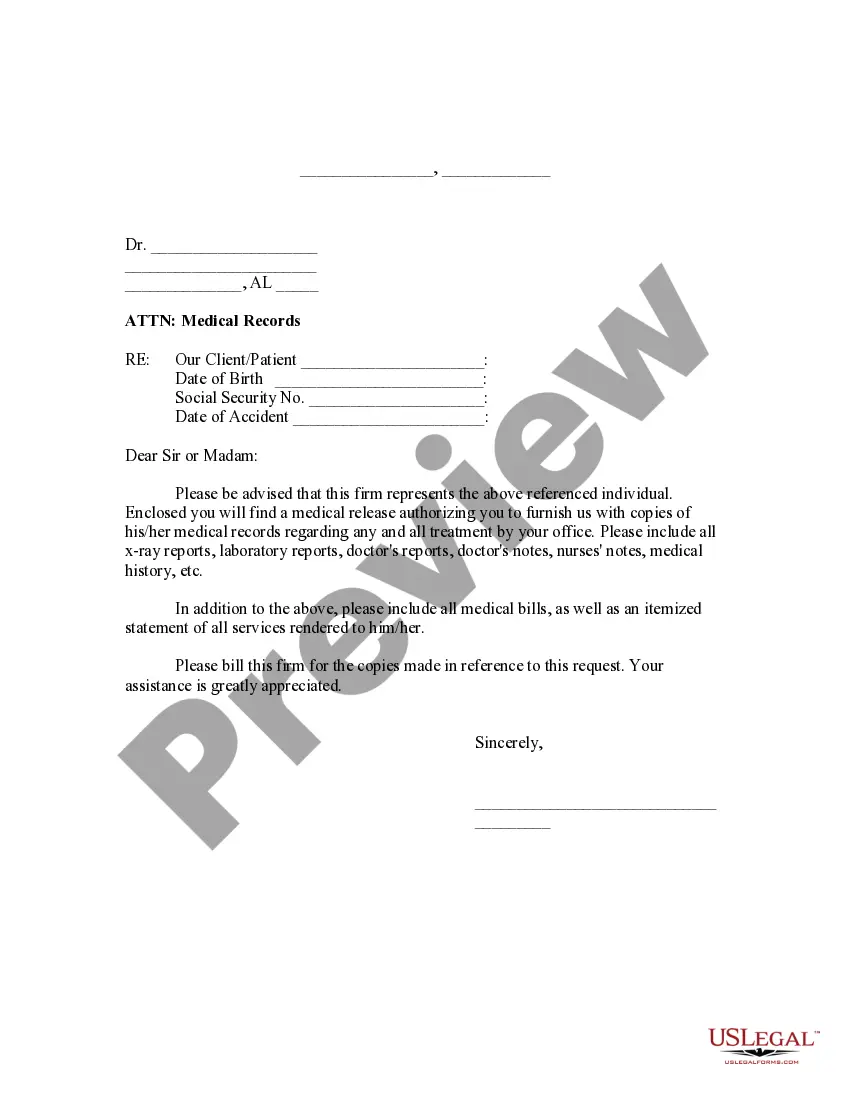
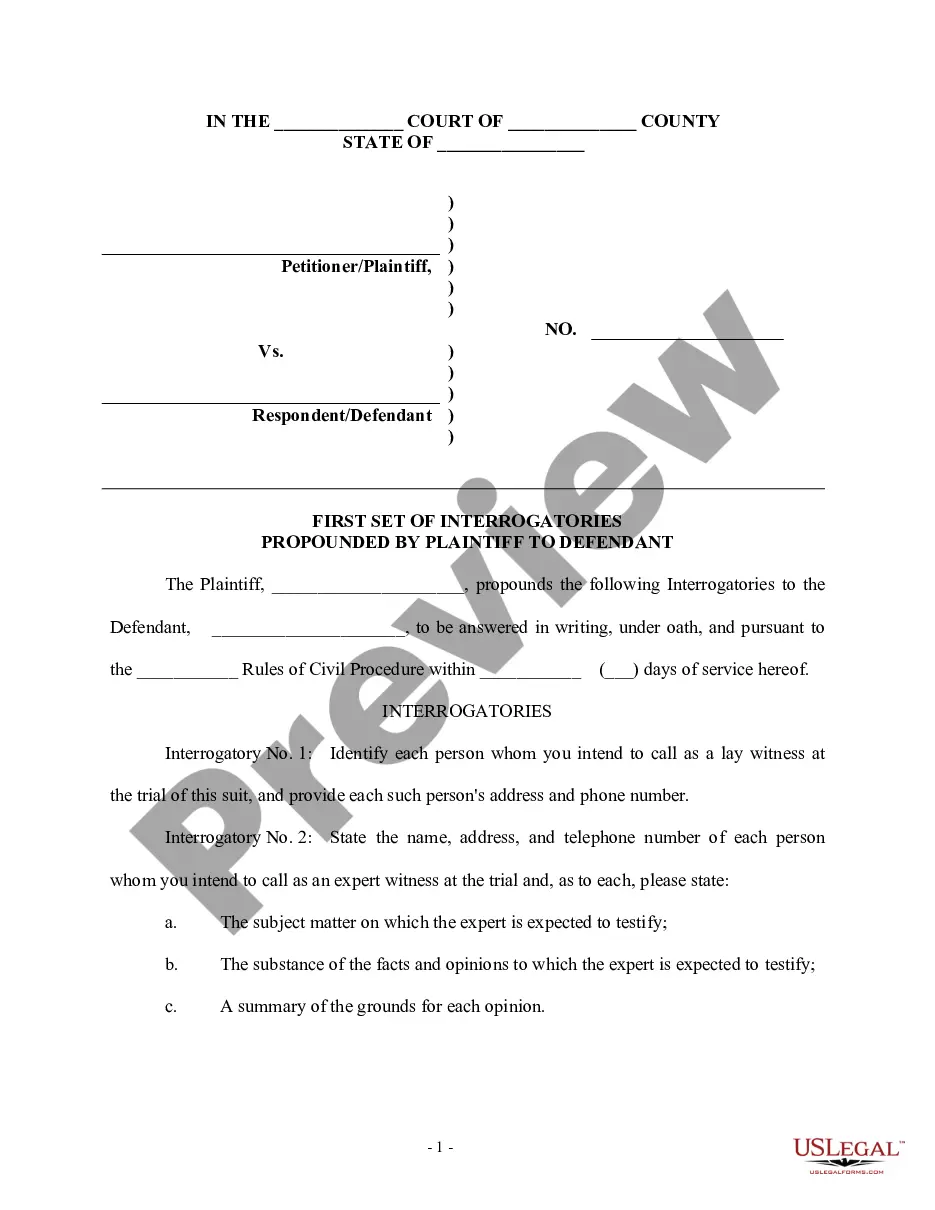
Notice For Discovery In New York
Description

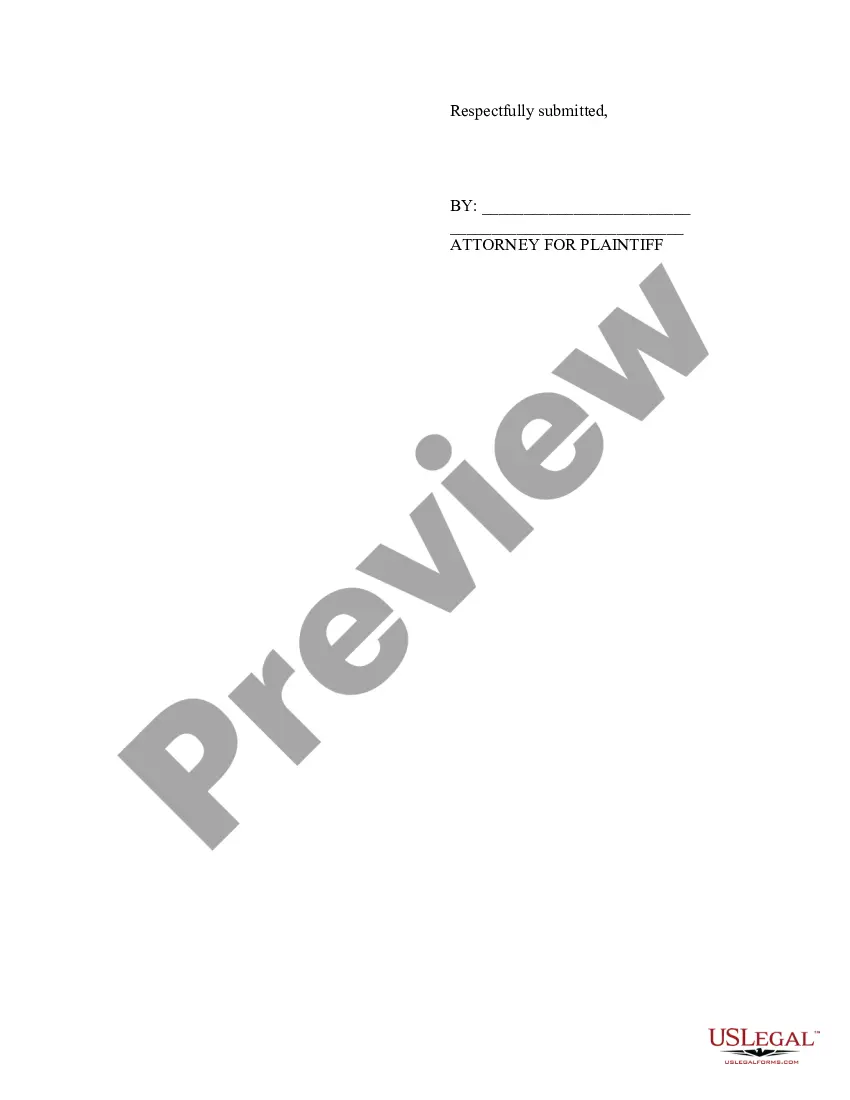
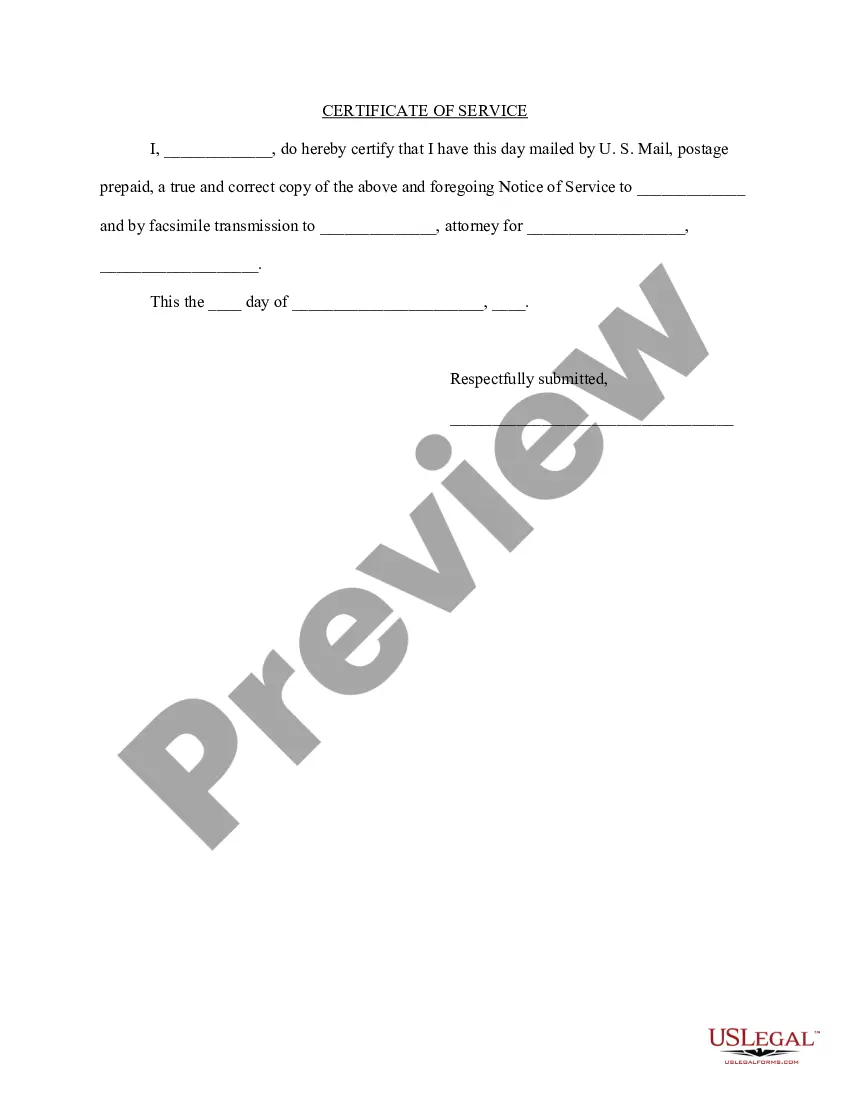
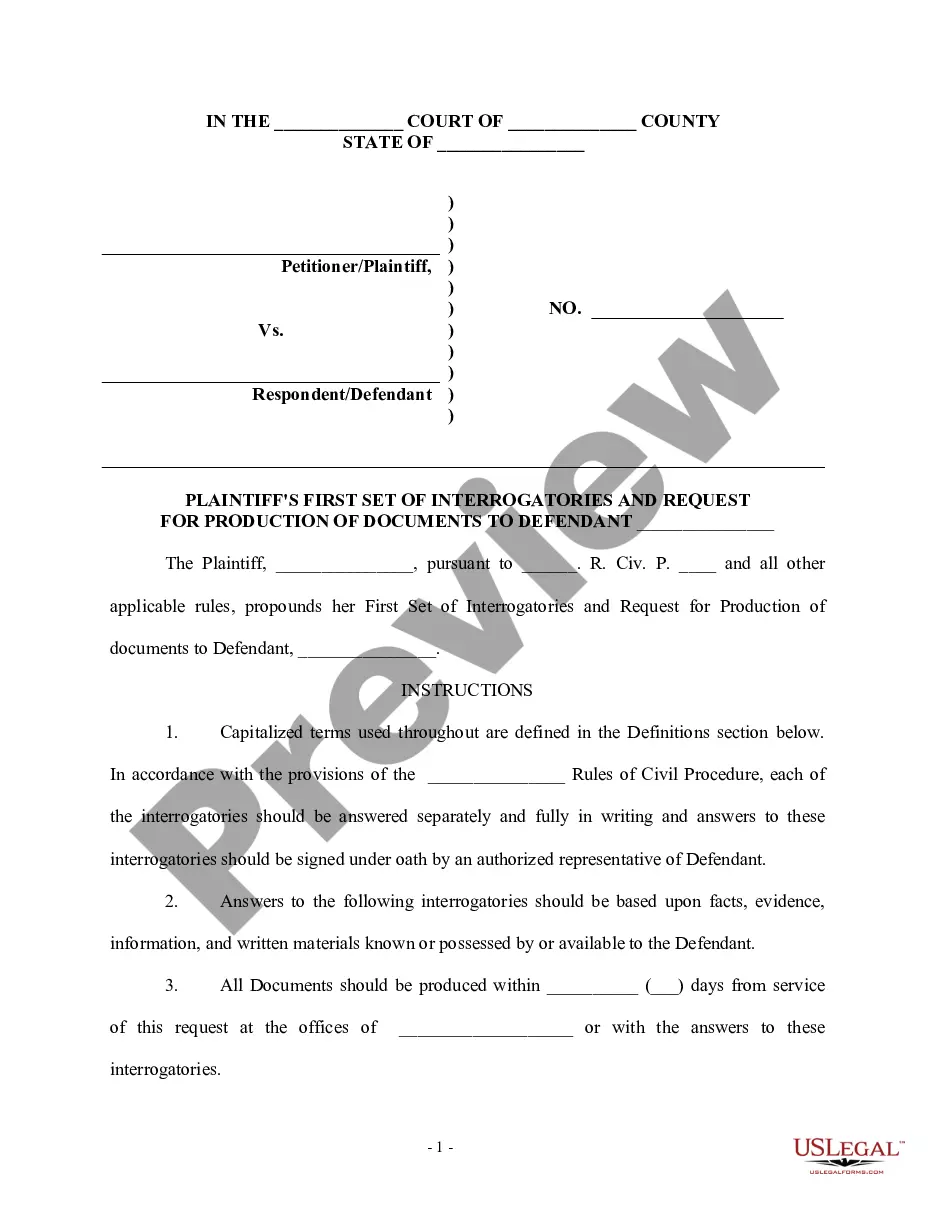
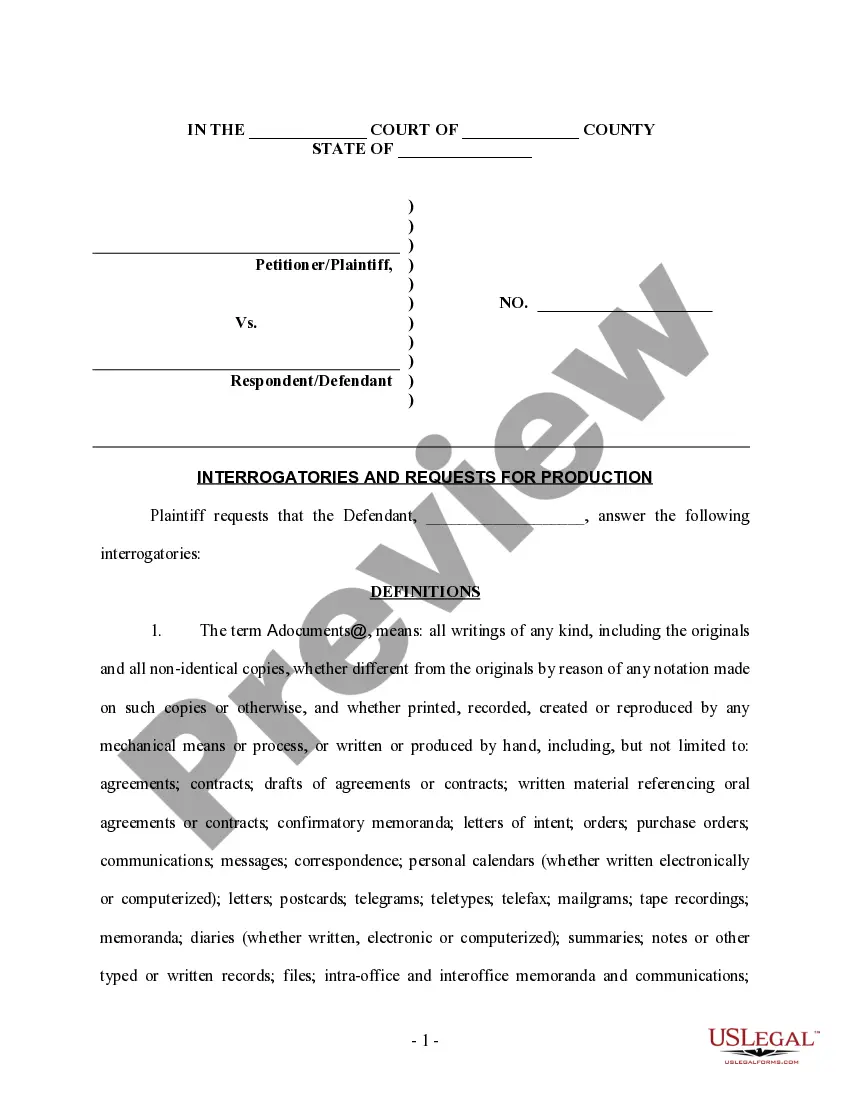
Get your form ready online
Our built-in tools help you complete, sign, share, and store your documents in one place.
Make edits, fill in missing information, and update formatting in US Legal Forms—just like you would in MS Word.
Download a copy, print it, send it by email, or mail it via USPS—whatever works best for your next step.
Sign and collect signatures with our SignNow integration. Send to multiple recipients, set reminders, and more. Go Premium to unlock E-Sign.
If this form requires notarization, complete it online through a secure video call—no need to meet a notary in person or wait for an appointment.
We protect your documents and personal data by following strict security and privacy standards.

Make edits, fill in missing information, and update formatting in US Legal Forms—just like you would in MS Word.

Download a copy, print it, send it by email, or mail it via USPS—whatever works best for your next step.

Sign and collect signatures with our SignNow integration. Send to multiple recipients, set reminders, and more. Go Premium to unlock E-Sign.

If this form requires notarization, complete it online through a secure video call—no need to meet a notary in person or wait for an appointment.

We protect your documents and personal data by following strict security and privacy standards.
Looking for another form?









Form popularity
FAQ
In some cases, the offense may not become known until a later date. In these instances, New York laws sometimes allow the statute of limitations period to commence on the date the injury is discovered or should reasonably have been discovered. This is known as the discovery rule.
“At the conclusion of other discovery and at least 30 days prior the discovery cut-off date,” parties may serve contention interrogatories (Comm'l Div. Rule 11-ad). Requests for admission are unlimited and can be served up to 20 days before trial; responses are due within 20 days (CPLR Section 3123a).
In some cases, the offense may not become known until a later date. In these instances, New York laws sometimes allow the statute of limitations period to commence on the date the injury is discovered or should reasonably have been discovered. This is known as the discovery rule.
1 CPL 245 was passed on April 1, 2019 and went into effect on January 1, 2020. It provided for greater transparency in discovery and set specific timeframes for the sharing of evidence between the prosecution and defense.
The new criminal discovery statute, CPL 245, which went into effect on January 1, 2020, for the first time required “automatic” discovery in criminal cases of certain categories of information without a request and within specified timeframes in advance of trial.
A discovery response is essentially a choice that you make after receiving a request for information. The question then becomes, Should you comply or not?
The law requires automatic discovery of materials, establishes a presumption of sharing, and sets specific timeframes for the sharing of evidence between the prosecution and defense during the pretrial period.
The Defense Must Provide “Reciprocal” Discovery to the Prosecution The defense must provide “reciprocal” discovery within 30 days after the prosecution has served a “certificate of compliance.” The reciprocal discovery obligation relates to evidence the defense intends to offer at trial, including expert opinion, tapes ...
The rule acknowledges that victims cannot sue for damages they are unaware of, and it adjusts the legal timeline ingly. This rule, however, is not without its limits. New York law specifies certain conditions under which the discovery rule applies, and understanding these specifics is crucial.