Proof Of Service For Discovery In Montgomery
Description





Get your form ready online
Our built-in tools help you complete, sign, share, and store your documents in one place.
Make edits, fill in missing information, and update formatting in US Legal Forms—just like you would in MS Word.
Download a copy, print it, send it by email, or mail it via USPS—whatever works best for your next step.
Sign and collect signatures with our SignNow integration. Send to multiple recipients, set reminders, and more. Go Premium to unlock E-Sign.
If this form requires notarization, complete it online through a secure video call—no need to meet a notary in person or wait for an appointment.
We protect your documents and personal data by following strict security and privacy standards.

Make edits, fill in missing information, and update formatting in US Legal Forms—just like you would in MS Word.

Download a copy, print it, send it by email, or mail it via USPS—whatever works best for your next step.

Sign and collect signatures with our SignNow integration. Send to multiple recipients, set reminders, and more. Go Premium to unlock E-Sign.

If this form requires notarization, complete it online through a secure video call—no need to meet a notary in person or wait for an appointment.

We protect your documents and personal data by following strict security and privacy standards.
Looking for another form?






Form popularity
FAQ
Affidavits are often used in court to verify facts and provide sworn testimony. By clearly outlining your statements and ensuring the document is signed and notarized, you can ensure its validity in any legal context.
Submission and Review. After an affidavit is filed, it undergoes review by legal authorities, court officials, or relevant parties involved in the case. This review ensures that: The affidavit meets all legal standards.
After an affidavit is filed, the legal process enters a new phase. The document undergoes scrutiny by judges, attorneys, and other involved parties. This examination can lead to further actions, including cross-examinations and additional filings.
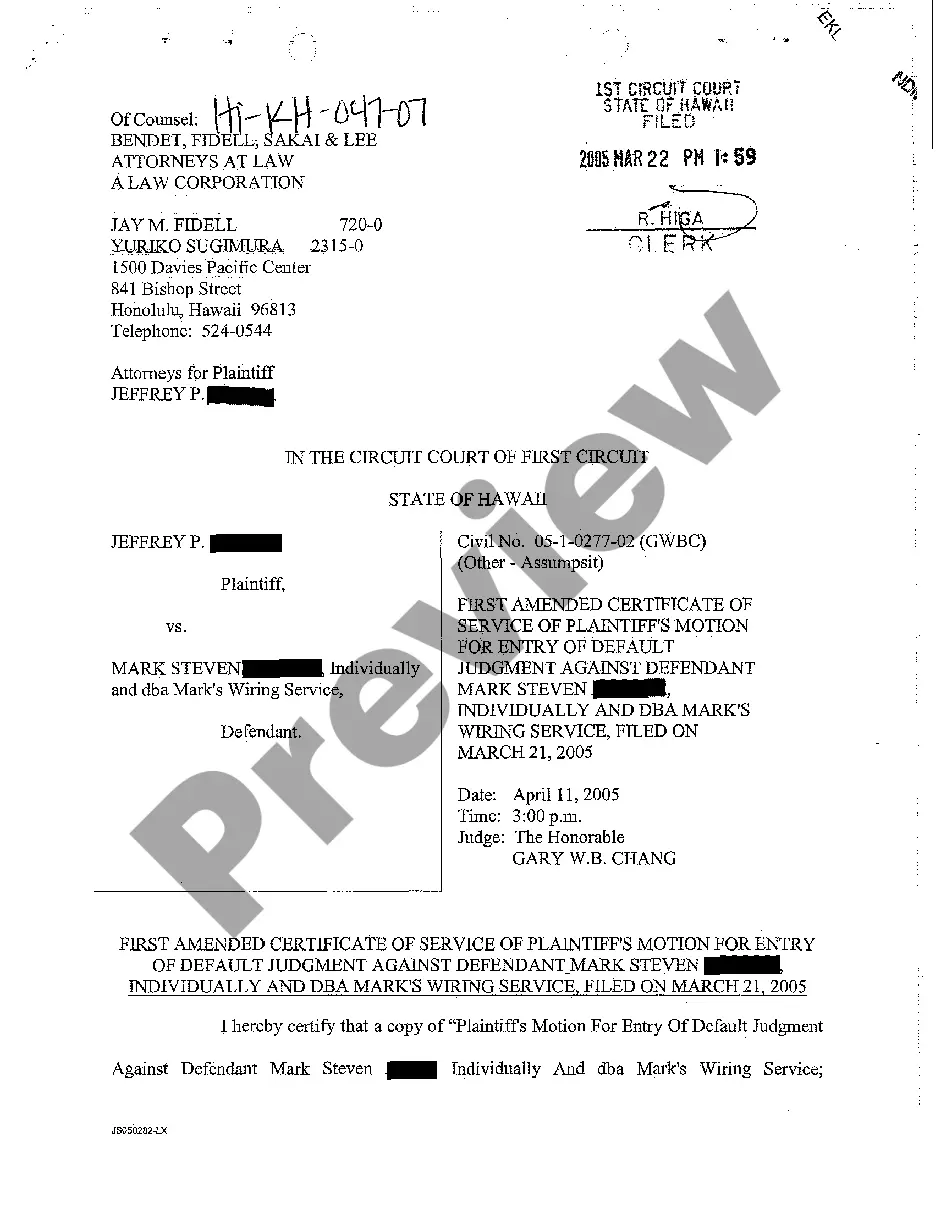
A Proof of Service is a document filed with the Court to show that the summons and complaint were successfully served on the defendant in a lawsuit.
What happens next? After the Affidavit of Service has been created, it may need to be notarized before being submitted to the courts. (This will depend on your jurisdiction.) When your Affidavit is ready to be submitted to the court, make sure to double-check everything!
Typically prepared by the process server, an affidavit of service form is often an official court form that can be obtained from the court clerk or various online sources. The document usually includes the following information: The name of the person served. The date, time, and place the person was served.
Petitioner: The petitioner must complete an Affidavit of Support Form I-864. National Visa Center: After your petition is approved, the National Visa Center (NVC) will assist you in preparing your visa application for interview for certain visa categories at U.S. Embassies & Consulates.
An affidavit for service must include the server's personal information (name, address, and contact details), the specifics of the service (date, time, and method of delivery), and a declaration of truth, swearing under oath that the information is accurate.
Obtain the Form: Obtain the affidavit of service form from the court or its website. Fill Out Personal Information: Include the servicer's and recipient's names, addresses, and any other required identification details. Detail Document Information: Specify the type of documents served (e.g., complaint, summons).
An Affidavit of Service - also known as a Proof of Service or Return of Service - is an important document provided by process servers after they have successfully served documents to someone.