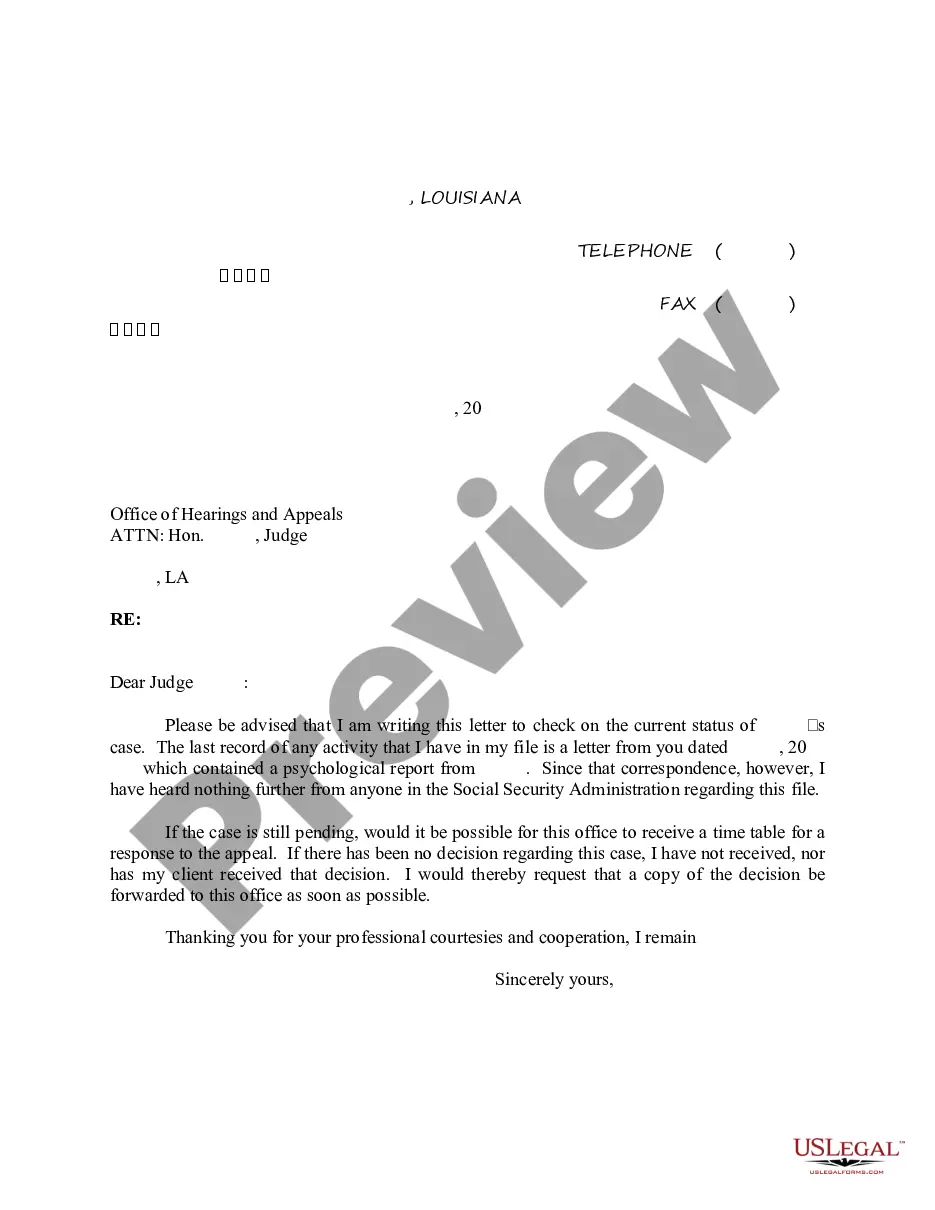
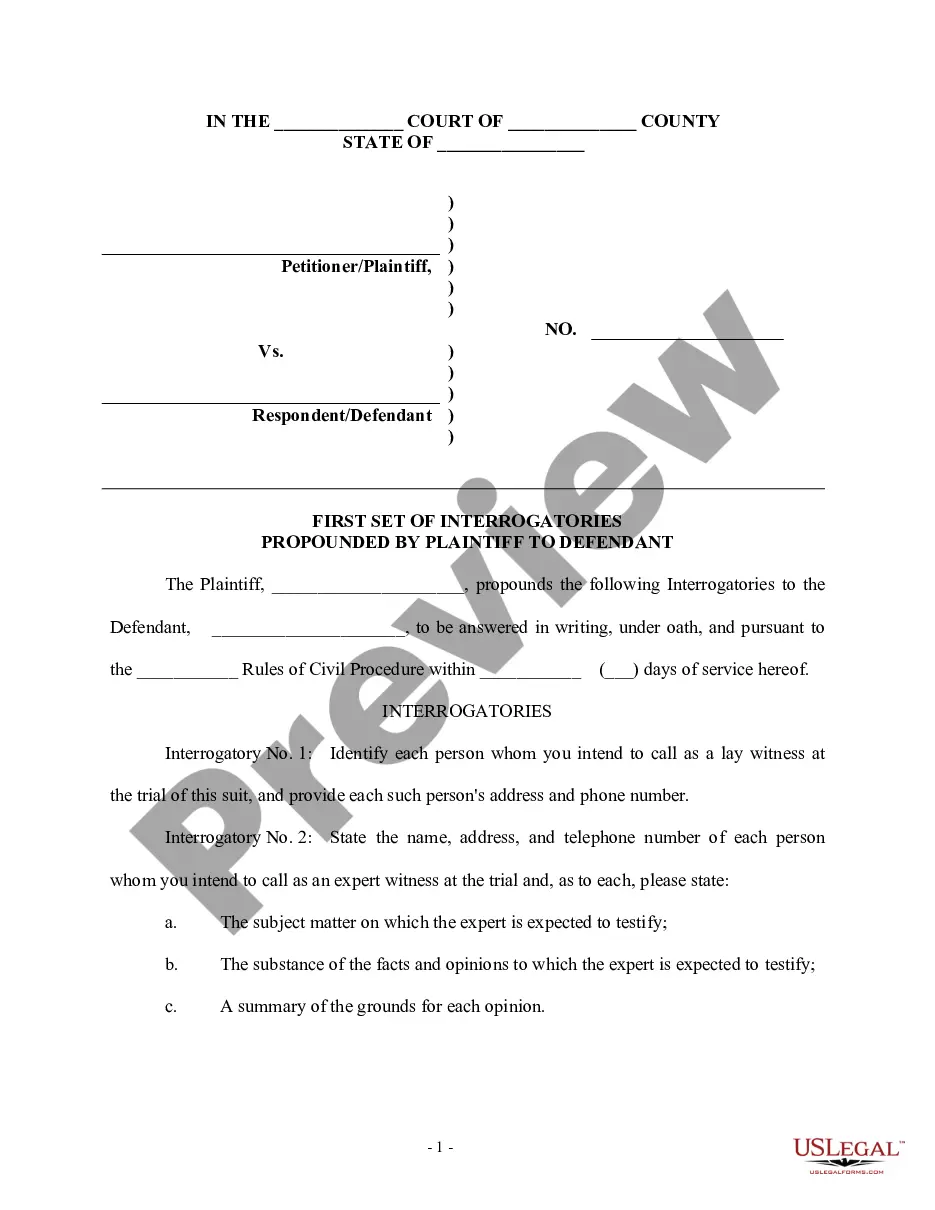
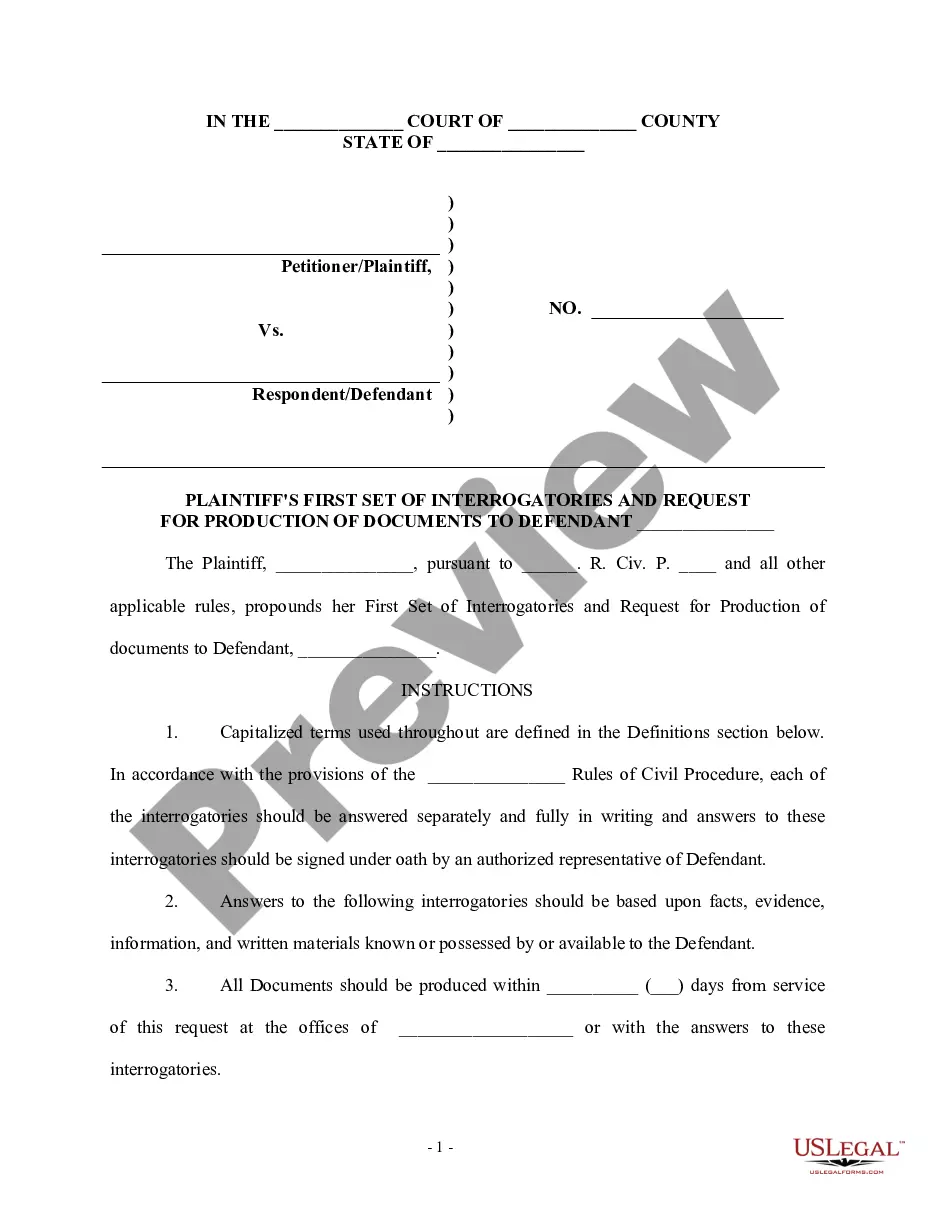
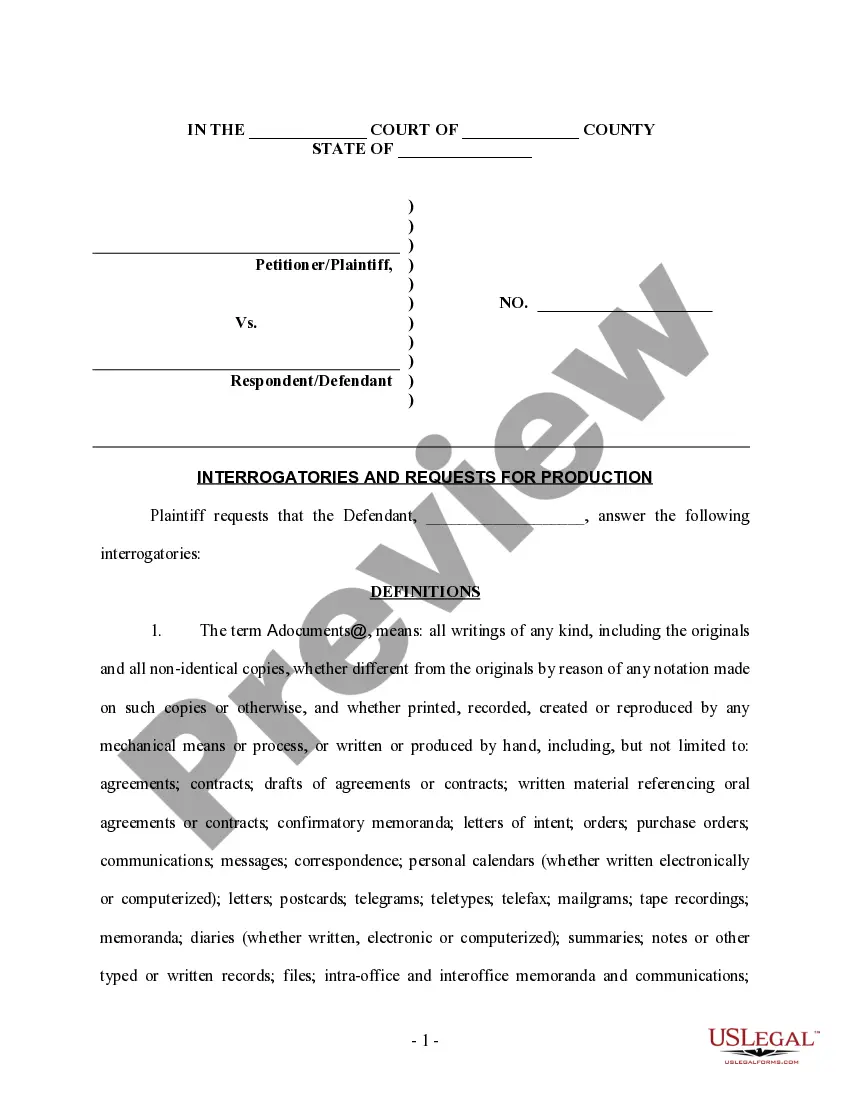
Notice For Discovery And Inspection In Massachusetts
Description

Get your form ready online
Our built-in tools help you complete, sign, share, and store your documents in one place.
Make edits, fill in missing information, and update formatting in US Legal Forms—just like you would in MS Word.
Download a copy, print it, send it by email, or mail it via USPS—whatever works best for your next step.
Sign and collect signatures with our SignNow integration. Send to multiple recipients, set reminders, and more. Go Premium to unlock E-Sign.
If this form requires notarization, complete it online through a secure video call—no need to meet a notary in person or wait for an appointment.
We protect your documents and personal data by following strict security and privacy standards.

Make edits, fill in missing information, and update formatting in US Legal Forms—just like you would in MS Word.

Download a copy, print it, send it by email, or mail it via USPS—whatever works best for your next step.

Sign and collect signatures with our SignNow integration. Send to multiple recipients, set reminders, and more. Go Premium to unlock E-Sign.

If this form requires notarization, complete it online through a secure video call—no need to meet a notary in person or wait for an appointment.

We protect your documents and personal data by following strict security and privacy standards.
Looking for another form?







Form popularity
FAQ
A discovery response is essentially a choice that you make after receiving a request for information. The question then becomes, Should you comply or not?
However, the defendant is permitted extra time to respond from the normal 30 days to 45 days if the discovery is propounded along with the divorce summons and complaint (meaning that a defendant does not have to respond until the expiration of 45 days following the date a summons/complaint is served upon them).
Discovery is how you gather the evidence you will need to prove your case as plaintiff, or defeat the plaintiff's case as a defendant. You use discovery to find out things like: What the other side plans to say about an issue in your case. What facts or witnesses support their side.
Before a prosecutor begins a trial, there is much work to be done. The prosecutor has to become familiar with the facts of the crime, talk to the witnesses, study the evidence, anticipate problems that could arise during trial, and develop a trial strategy.
Massachusetts recognizes the “discovery rule,” which allows the statute of limitations to start when an injury is identified or reasonably should have been recognized, not necessarily from the date of the incident.
Do Most Cases Settle After Discovery? Many personal injury lawsuits conclude either during or at the end of the discovery phase. In many cases, the defendants don't want evidence against them revealed in court.
Depending on the type of case, discovery could last a few months to more than a year. For example, large class action lawsuits, medical malpractice cases, and product liability claims often require lengthy discovery. The parties need time to retain and work with experts.
Summary Judgment, by definition, is where judgment is granted to the party that moves the court by motion because: “there is no genuine issue as to any material fact and that the moving party is entitled to judgment as a matter of law.”
Under Rule 34, the party seeking discovery need merely serve a request upon his opponent. Only if the opponent objects to the request must the discovering party obtain a court order.
This rule establishes a limited right to discovery in summary process actions. In keeping with the need for expeditious procedure, an automatic postponement of the trial date for two weeks from the originally scheduled date results from the timely service and filing of a discovery demand.