Notice Of Service Example In Maricopa
Description


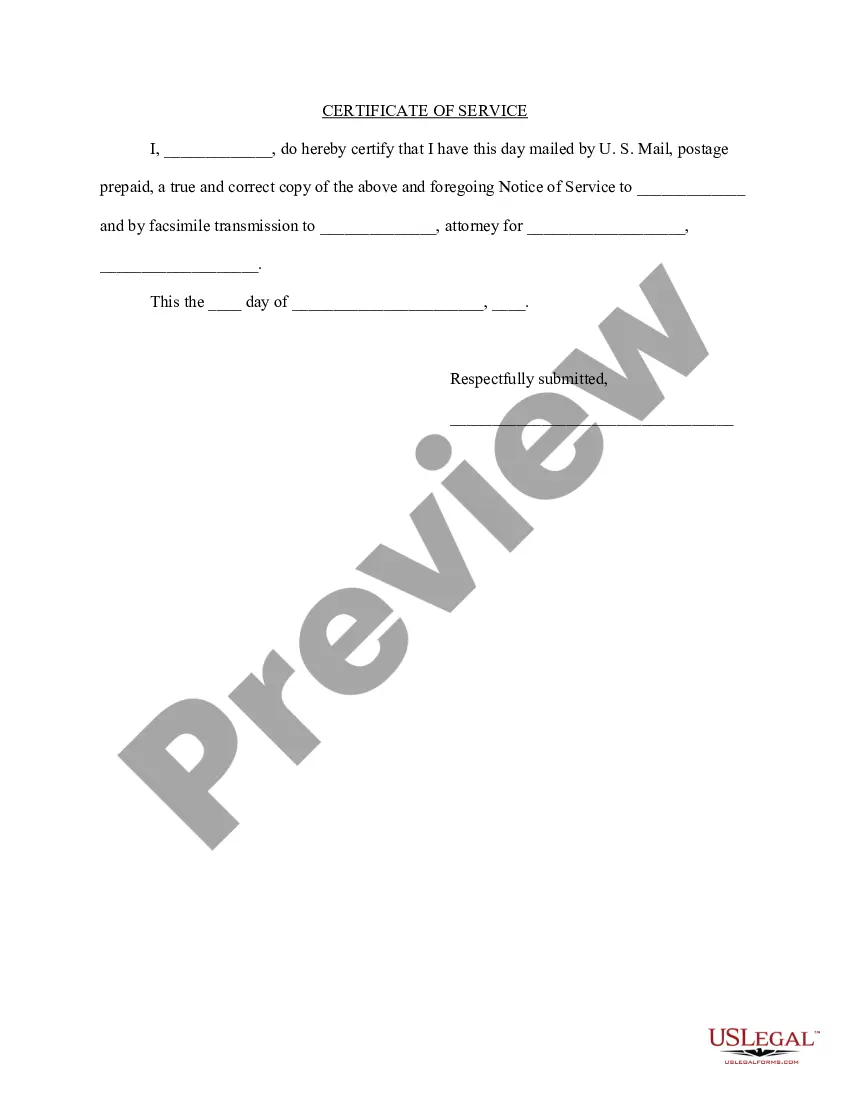
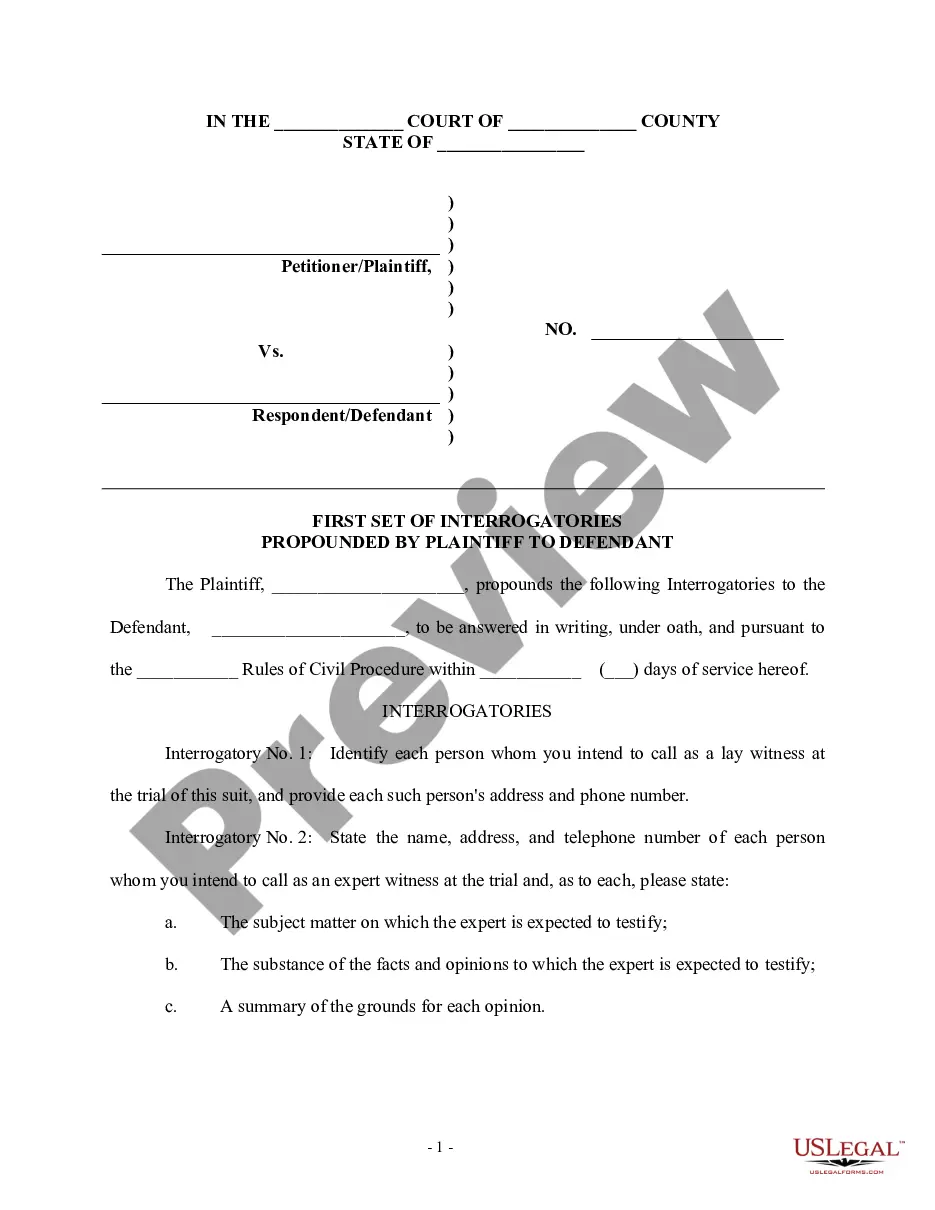

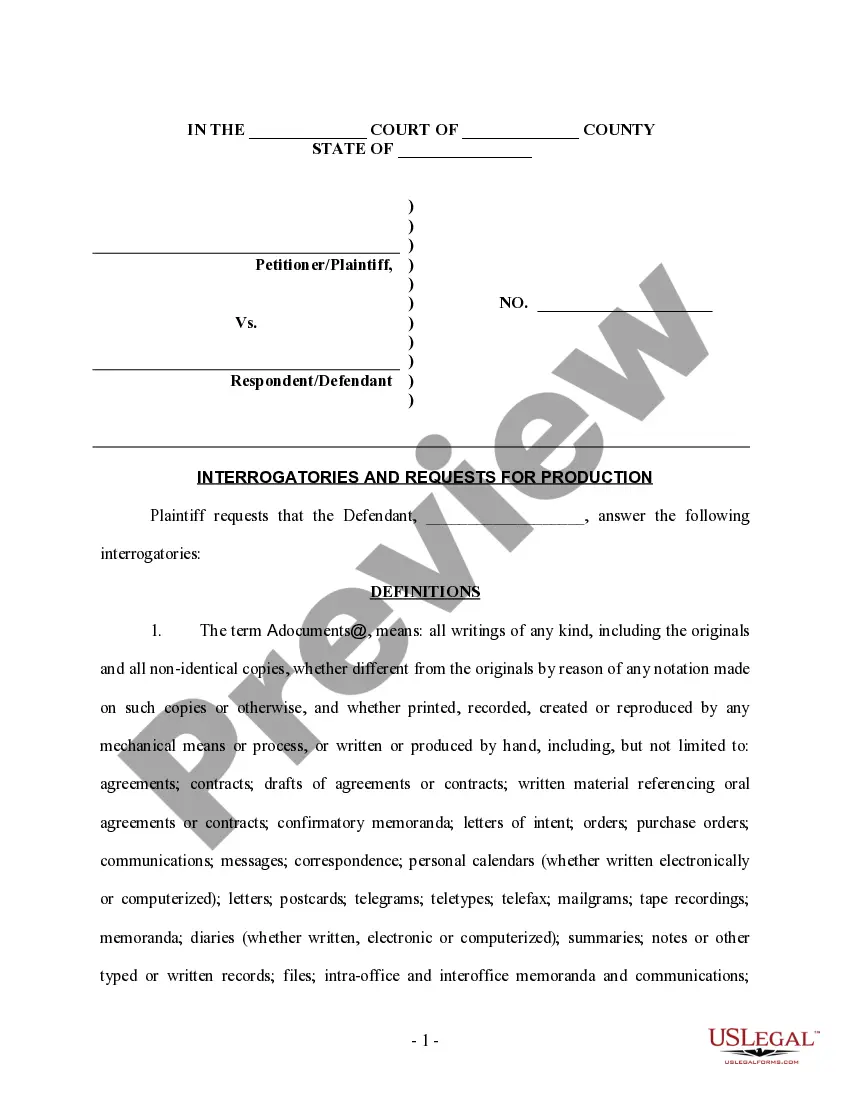
Get your form ready online
Our built-in tools help you complete, sign, share, and store your documents in one place.
Make edits, fill in missing information, and update formatting in US Legal Forms—just like you would in MS Word.
Download a copy, print it, send it by email, or mail it via USPS—whatever works best for your next step.
Sign and collect signatures with our SignNow integration. Send to multiple recipients, set reminders, and more. Go Premium to unlock E-Sign.
If this form requires notarization, complete it online through a secure video call—no need to meet a notary in person or wait for an appointment.
We protect your documents and personal data by following strict security and privacy standards.

Make edits, fill in missing information, and update formatting in US Legal Forms—just like you would in MS Word.

Download a copy, print it, send it by email, or mail it via USPS—whatever works best for your next step.

Sign and collect signatures with our SignNow integration. Send to multiple recipients, set reminders, and more. Go Premium to unlock E-Sign.

If this form requires notarization, complete it online through a secure video call—no need to meet a notary in person or wait for an appointment.

We protect your documents and personal data by following strict security and privacy standards.
Looking for another form?









Form popularity
FAQ
Proof of Service in Arizona The proof of service must be filed with the court. Service must be made within 120 days of issuance of the summons. If the summons and complaint have not been served, the court may on its own initiative or upon motion dismiss the case without prejudice.
The filing party files a Notice of Lodging, which should identify the paper documents that are being lodged with Family Court Administration (i.e., the Consent Decree/Stipulated Agreement and an itemized list of the accompanying documents).
The meaning of “personally served” is set forth in Rule 113(a). The person who completed service must promptly prepare an affidavit as proof that a defendant was served, and the proof of service must be filed with the court.
For service by mail, the person who mails the document signs the affidavit of service. It may also be permissible for the party or attorney who files the document to simply add a statement called a certificate of service. Generally, an affidavit or certificate of service by mail does not need to be notarized.
In the Rule 11 process, the Court orders two Mental Health Experts to meet with the defendant, conduct competency evaluations, review records, and render opinions on the legal competency status of the defendant in reports submitted to the Court.
Service of process is giving the other parties in the court case the documents that were filed in the case so that they have notice that a lawsuit was filed against them and they have the opportunity to respond.
An example of a Proof of Service is a signed declaration from the person who served the documents, stating the name of the person who was served and the date, time, and manner of service. A Proof of Service may also include an affidavit, which is a sworn statement that the documents were properly served.
Unless Rule 4.1(c), (e), (f), or (g) applies, an individual may be served by: (1) delivering a copy of the summons and the pleading being served to that individual personally; (2) leaving a copy of each at that individual's dwelling or usual place of abode with someone of suitable age and discretion who resides there; ...