Notice For Discovery In Maricopa
Description

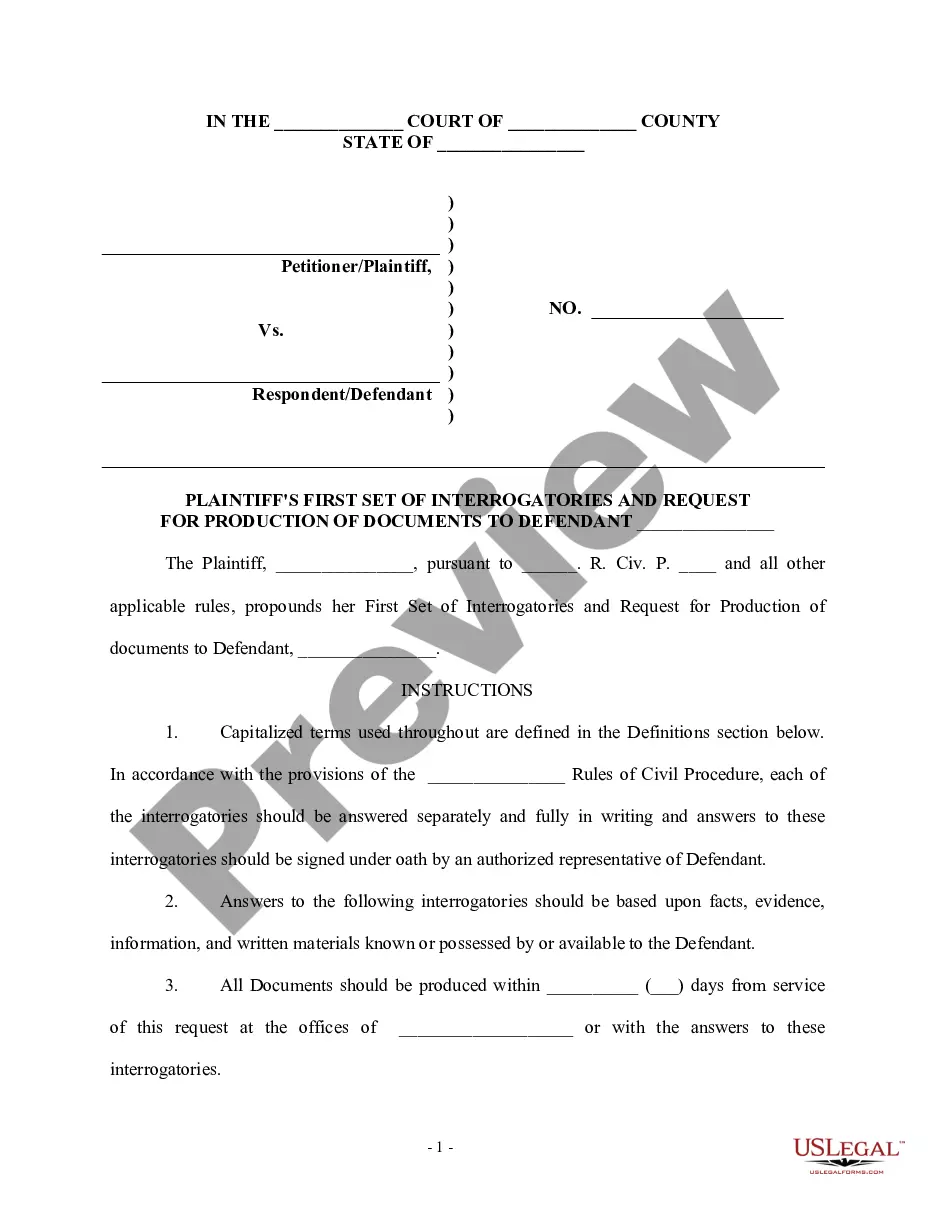
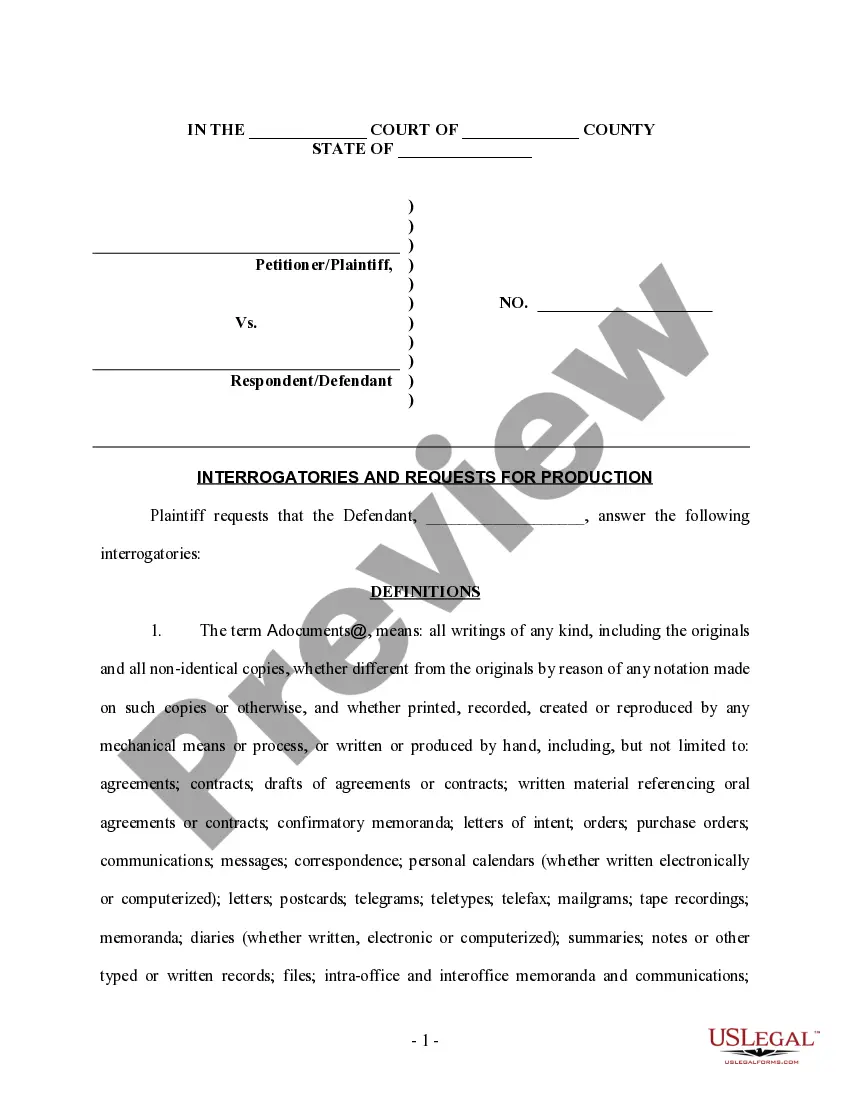
Get your form ready online
Our built-in tools help you complete, sign, share, and store your documents in one place.
Make edits, fill in missing information, and update formatting in US Legal Forms—just like you would in MS Word.
Download a copy, print it, send it by email, or mail it via USPS—whatever works best for your next step.
Sign and collect signatures with our SignNow integration. Send to multiple recipients, set reminders, and more. Go Premium to unlock E-Sign.
If this form requires notarization, complete it online through a secure video call—no need to meet a notary in person or wait for an appointment.
We protect your documents and personal data by following strict security and privacy standards.

Make edits, fill in missing information, and update formatting in US Legal Forms—just like you would in MS Word.

Download a copy, print it, send it by email, or mail it via USPS—whatever works best for your next step.

Sign and collect signatures with our SignNow integration. Send to multiple recipients, set reminders, and more. Go Premium to unlock E-Sign.

If this form requires notarization, complete it online through a secure video call—no need to meet a notary in person or wait for an appointment.

We protect your documents and personal data by following strict security and privacy standards.
Looking for another form?







Form popularity
FAQ
Ing to Arizona Rule of Family Law Procedure 76.1 (Rule 76.1), the court must hold a scheduling conference to formulate a plan for trial, including procedures for admitting evidence, presenting witnesses, and filing a pretrial statement.
Under the discovery rule, a plaintiff's statute of limitations deadline will be extended if they are not aware of the injuries they suffered due to the defendant's fault, and they could not have reasonably discovered the injury.
If you're doing it on your own, however, you may contact your court clerk for information on how to do this. The motion has to state what your ex-spouse isn't doing, what areas he or she is in violation of. It must clarify why he or she ought to be held in contempt of the divorce decree. You must prove your case.
Rule 49 allows full discovery of important facts to avoid “litigation by ambush.” The Rule promotes greater professionalism among counsel, with the ultimate goal of increasing voluntary cooperation and exchange of information.
Unless otherwise limited by court order, the scope of discovery is as follows: Parties may obtain discovery regarding any nonprivileged matter that is relevant to any party's claim or defense and proportional to the needs of the case, considering the importance of the issues at stake in the action, the amount in ...
Arizona Rule of Family Law Procedure 49 (Rule 49) requires both parties to share information in family law cases.
Ing to ARCP Rule 16.1 and Maricopa County Local Rule 3.11, the Court has discretion to direct parties in any civil case to a settlement conference to facilitate settlement.
The Discovery Rule could extend the time you have to file a personal injury case in Arizona. Under the Discovery Rule, the statute of limitations does not begin until the person knows or should have reasonably known about an injury.