Notice Discovery Template With Time In Maricopa
Description

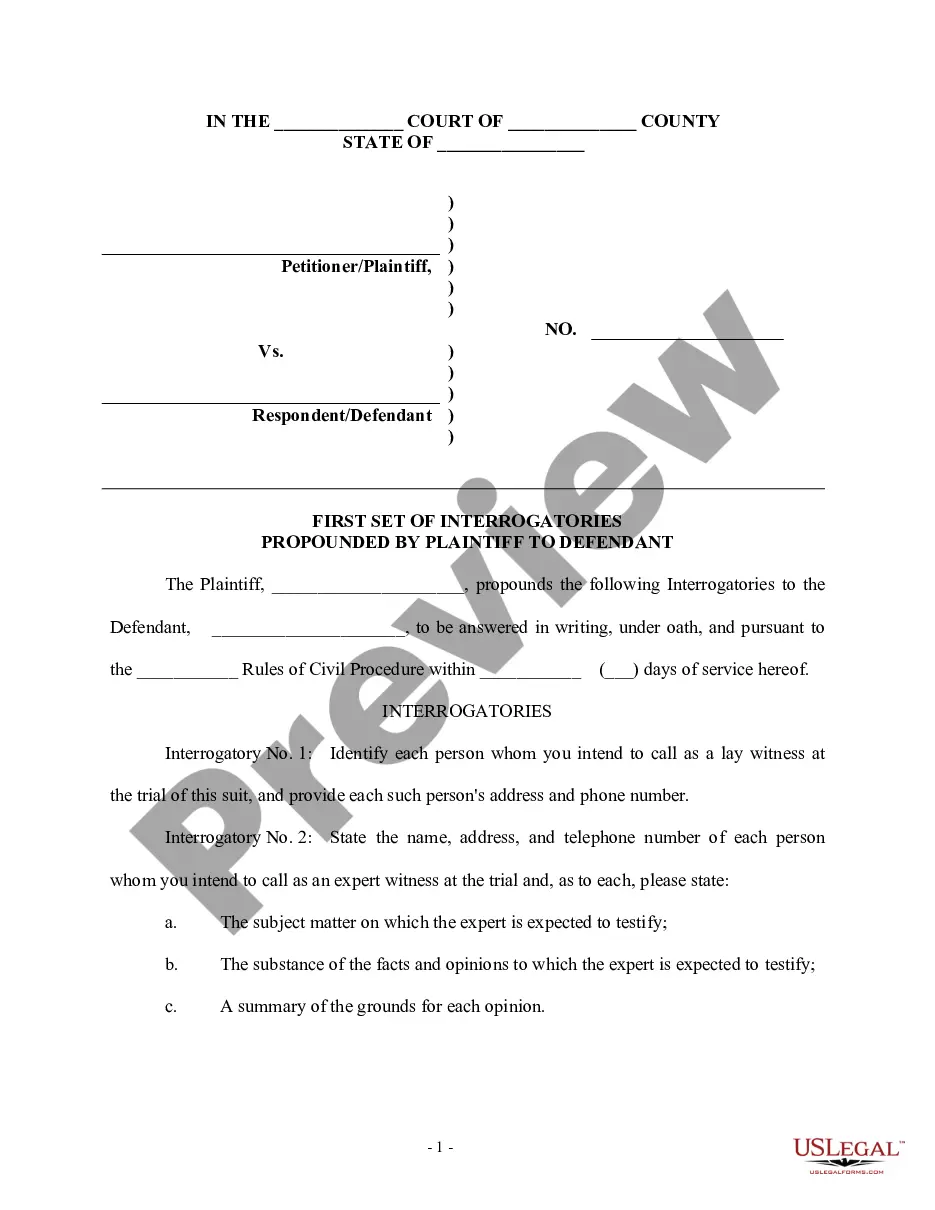
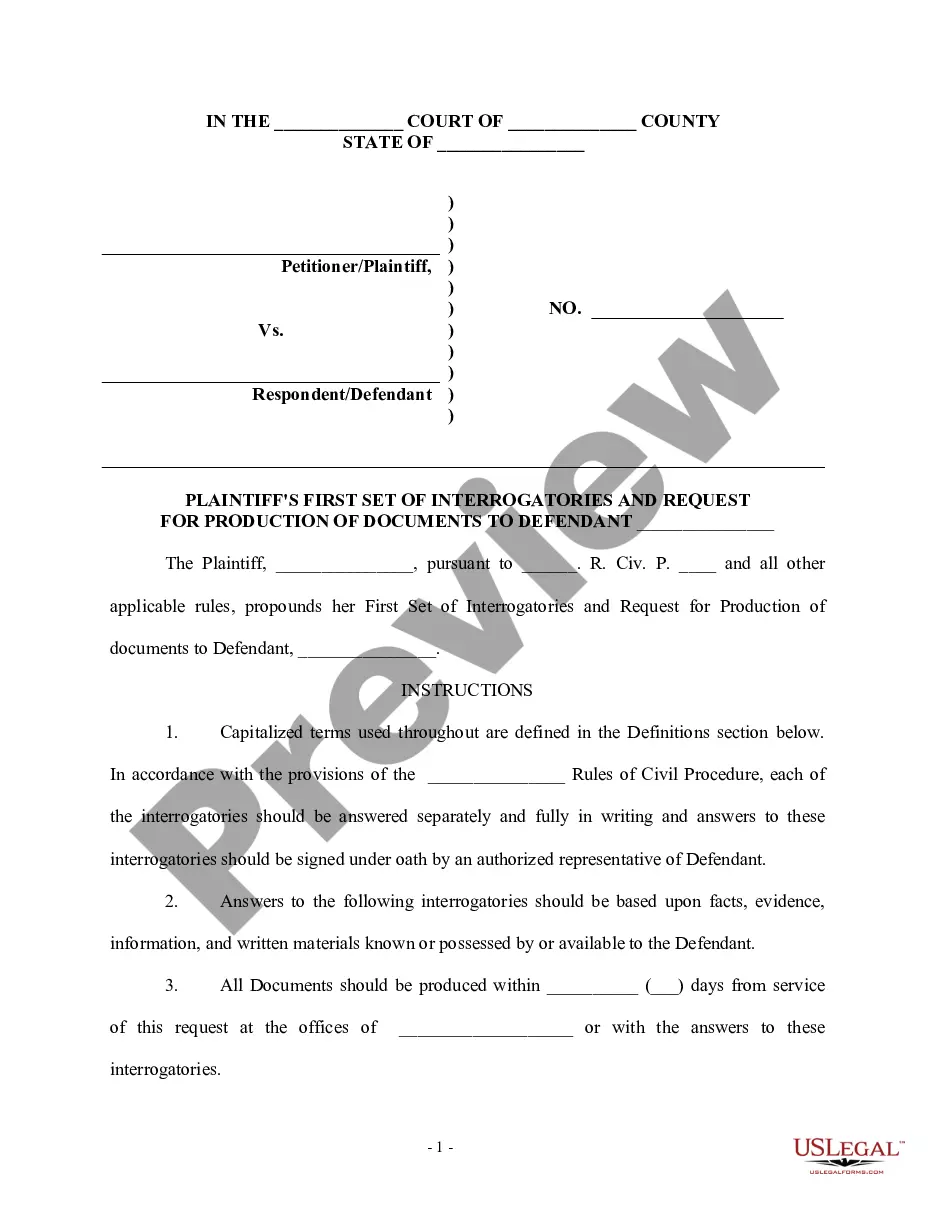
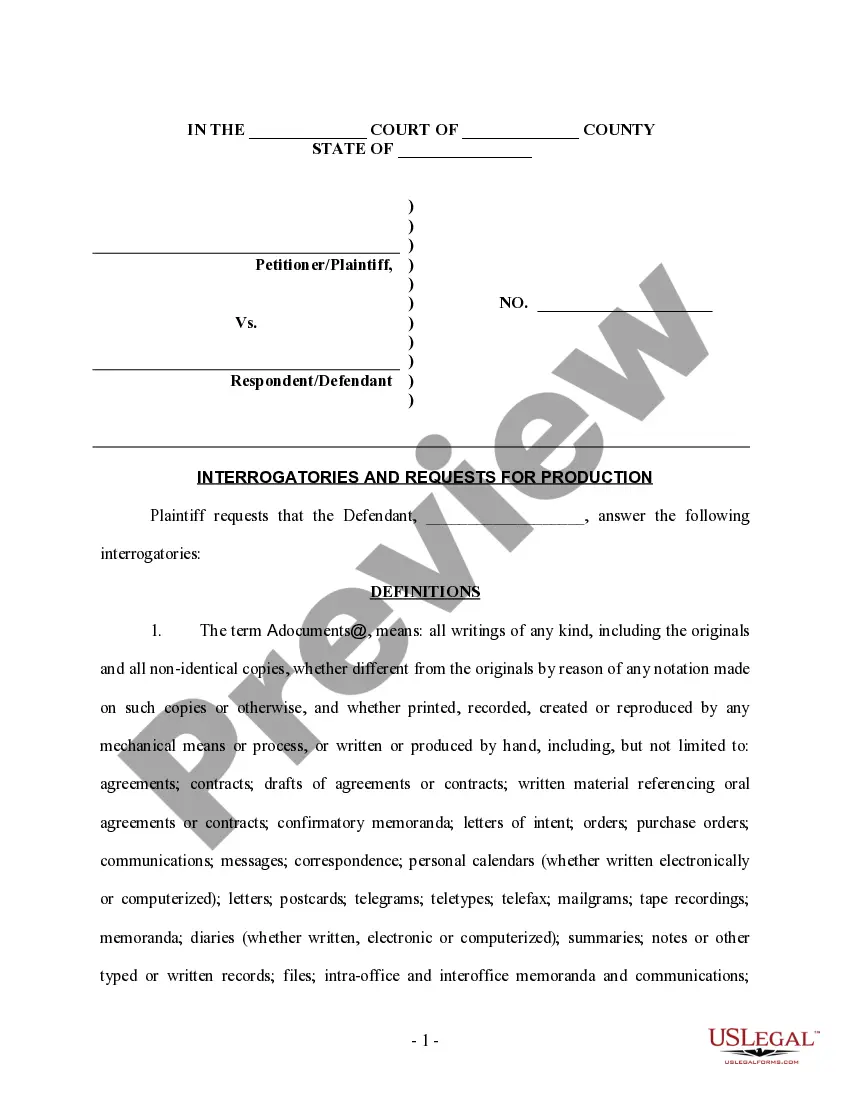
Get your form ready online
Our built-in tools help you complete, sign, share, and store your documents in one place.
Make edits, fill in missing information, and update formatting in US Legal Forms—just like you would in MS Word.
Download a copy, print it, send it by email, or mail it via USPS—whatever works best for your next step.
Sign and collect signatures with our SignNow integration. Send to multiple recipients, set reminders, and more. Go Premium to unlock E-Sign.
If this form requires notarization, complete it online through a secure video call—no need to meet a notary in person or wait for an appointment.
We protect your documents and personal data by following strict security and privacy standards.

Make edits, fill in missing information, and update formatting in US Legal Forms—just like you would in MS Word.

Download a copy, print it, send it by email, or mail it via USPS—whatever works best for your next step.

Sign and collect signatures with our SignNow integration. Send to multiple recipients, set reminders, and more. Go Premium to unlock E-Sign.

If this form requires notarization, complete it online through a secure video call—no need to meet a notary in person or wait for an appointment.

We protect your documents and personal data by following strict security and privacy standards.
Looking for another form?






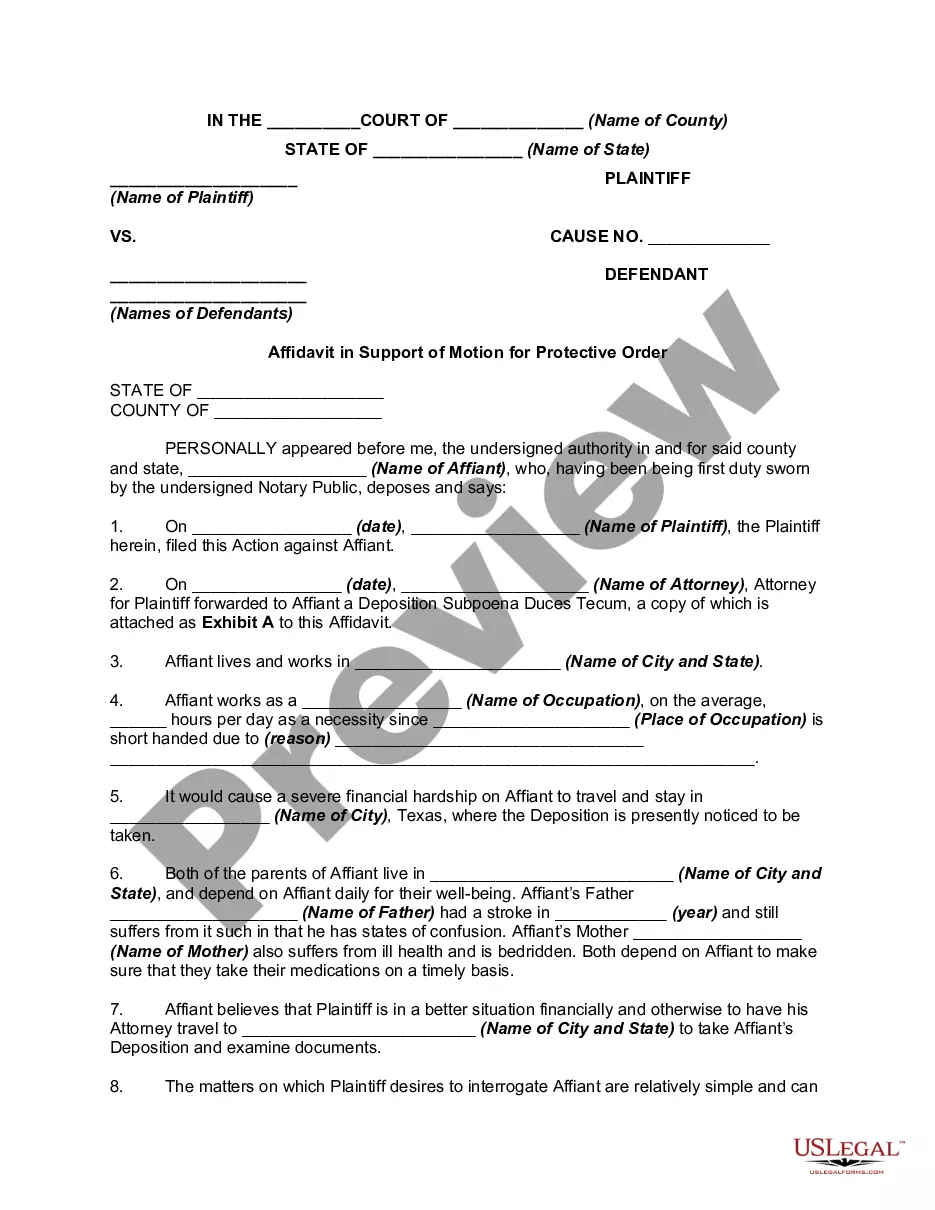
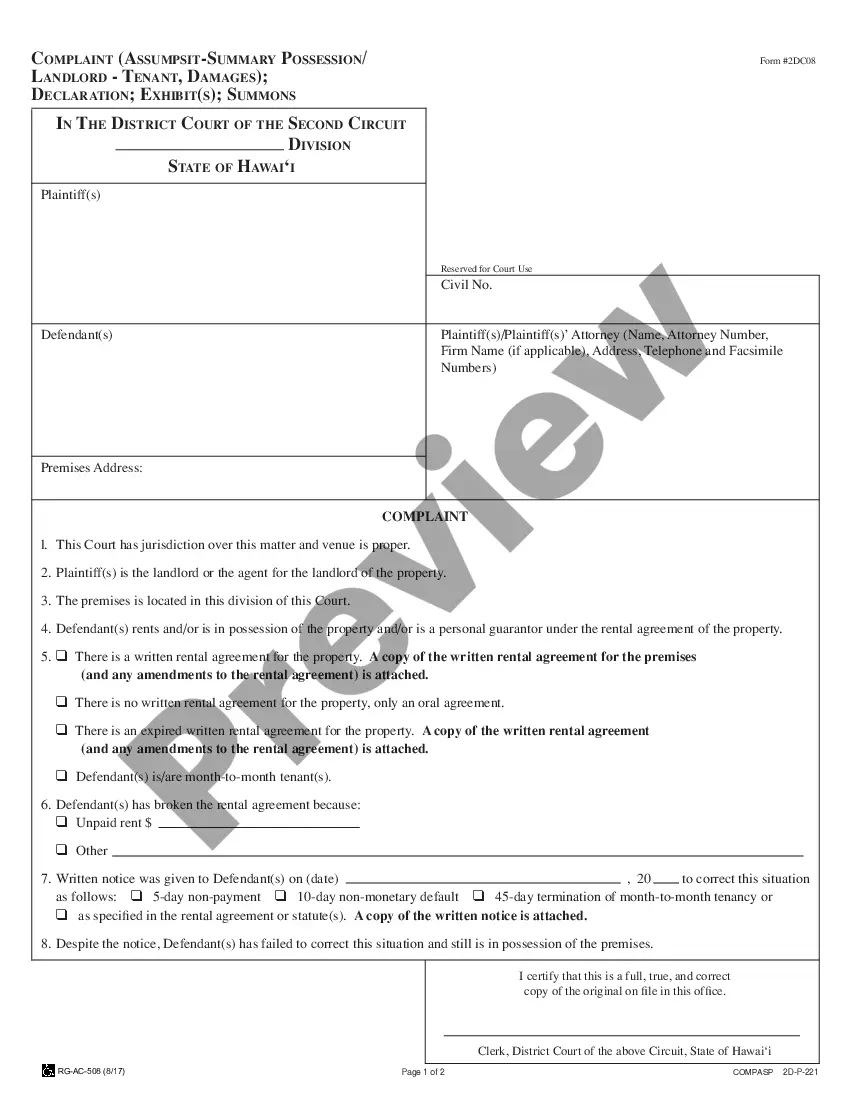


Form popularity
FAQ
In essence, Rule 69 allows divorcing spouses in Arizona to settle some or all of their disputes on their own. The family court will ultimately decide any remaining divorce matters.
Rule 40 - Trial Procedures (a) Scope. This rule governs jury trials and, to the extent applicable, trials to the court. (b) Objectives. The court should adopt trial procedures as necessary or appropriate to facilitate a just, speedy, and efficient resolution of the action.
Rule 48 - Emergency Temporary Orders (a)Filing and Timing. A party may request temporary orders without notice by filing a verified motion, along with a proposed form of orders and a notice of hearing on the motion. A motion may be filed at the same time or after filing an initial pre-decree or post-decree petition.
To request public records of the Superior Court or Judicial Branch in Maricopa County as defined by Arizona Supreme Court Rule 123 (Public Access to the Judicial Records of the State of Arizona), please email PublicRecords@jbazmc.maricopa.
Rule 76 - Resolution Management Conference (a)Purpose and Setting. The purpose of a resolution management conference ("RMC") is to facilitate agreements between the parties. The court may, and on a party's request must, set an RMC.
Marriage records and divorce records can be requested from the Clerk of Superior Court.. Information with marriage records includes the parties that applied, date applied, and the date of marriage.
A party waives the right to a jury trial on any issue of fact raised by the pleadings or evidence but not submitted to the jury unless, before the jury retires, the party demands its submission to the jury. If the party does not demand submission, the court may make a finding on the issue.
Rule 49 allows full discovery of important facts to avoid “litigation by ambush.” The Rule promotes greater professionalism among counsel, with the ultimate goal of increasing voluntary cooperation and exchange of information.
Rule 48 - Emergency Temporary Orders (a)Filing and Timing. A party may request temporary orders without notice by filing a verified motion, along with a proposed form of orders and a notice of hearing on the motion. A motion may be filed at the same time or after filing an initial pre-decree or post-decree petition.
Marriage records in Arizona are public records and are available to anyone who requests them. Reasons for needing a marriage record include insurance purposes and documenting name changes. A divorce decree shows the specific terms of a divorce.