Proof Of Service For Discovery Requests In Harris
Description


Get your form ready online
Our built-in tools help you complete, sign, share, and store your documents in one place.
Make edits, fill in missing information, and update formatting in US Legal Forms—just like you would in MS Word.
Download a copy, print it, send it by email, or mail it via USPS—whatever works best for your next step.
Sign and collect signatures with our SignNow integration. Send to multiple recipients, set reminders, and more. Go Premium to unlock E-Sign.
If this form requires notarization, complete it online through a secure video call—no need to meet a notary in person or wait for an appointment.
We protect your documents and personal data by following strict security and privacy standards.

Make edits, fill in missing information, and update formatting in US Legal Forms—just like you would in MS Word.

Download a copy, print it, send it by email, or mail it via USPS—whatever works best for your next step.

Sign and collect signatures with our SignNow integration. Send to multiple recipients, set reminders, and more. Go Premium to unlock E-Sign.

If this form requires notarization, complete it online through a secure video call—no need to meet a notary in person or wait for an appointment.

We protect your documents and personal data by following strict security and privacy standards.
Looking for another form?







Form popularity
FAQ
Personal service and substituted service are two common types of service of process used in the United States, with personal service being the one most difficult for a defendant to attack for its legality. Another method used to perform service of process is publication. For example, publication in a newspaper.
Retain Your Documents A photocopy of your responses and the original signed Proof of Service should be retained for your records. If the other party claims you did not respond, you may use these documents to defend yourself against a Motion to Deem Facts Admitted.
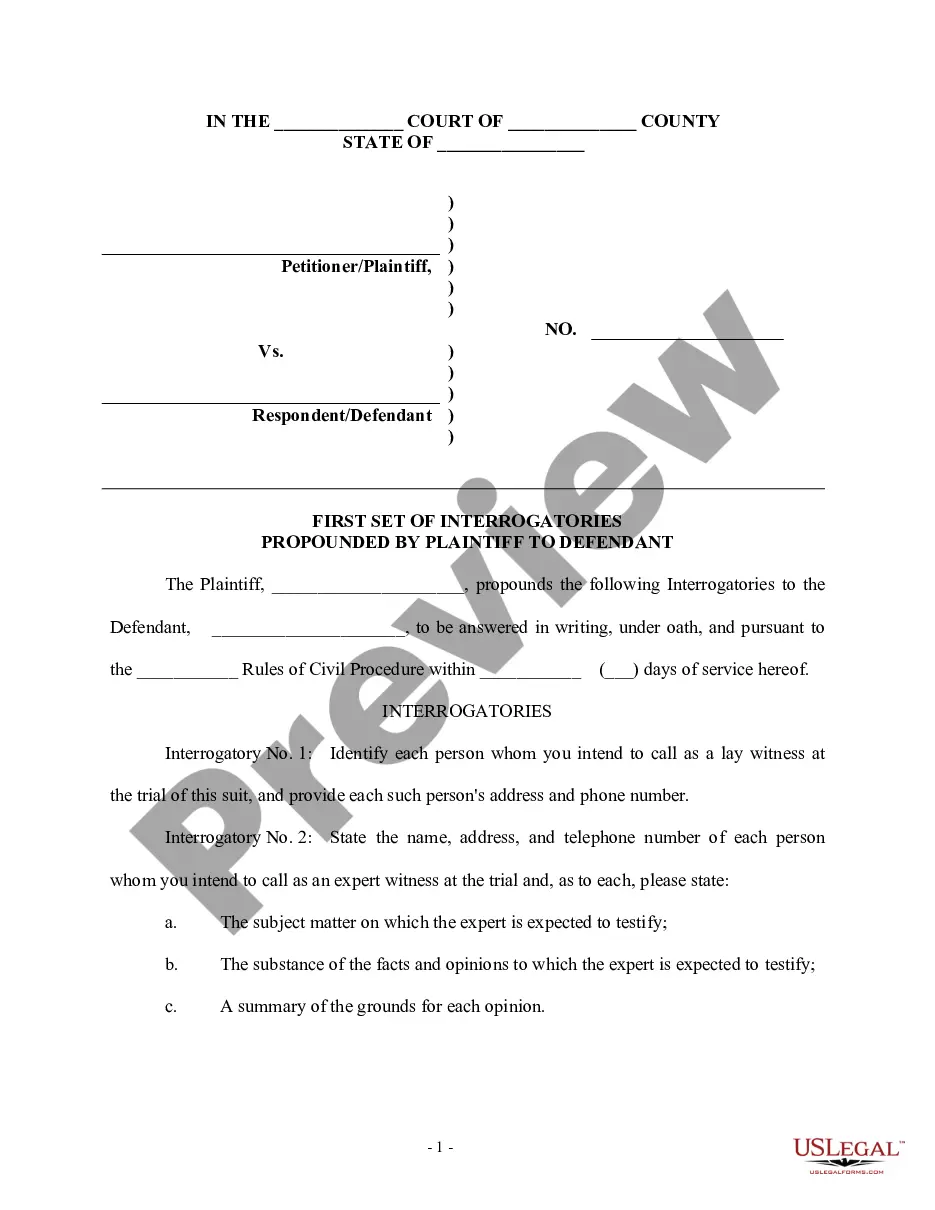
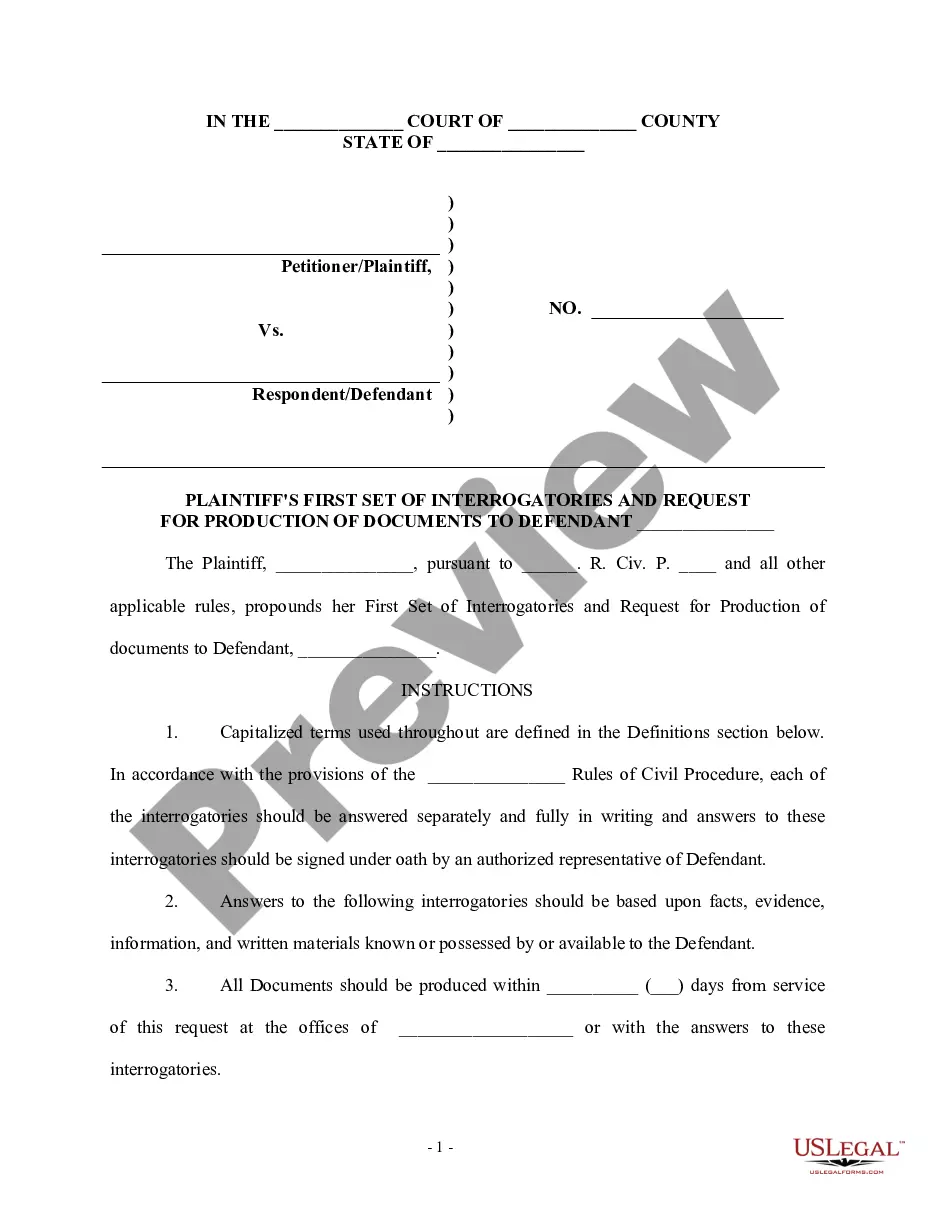
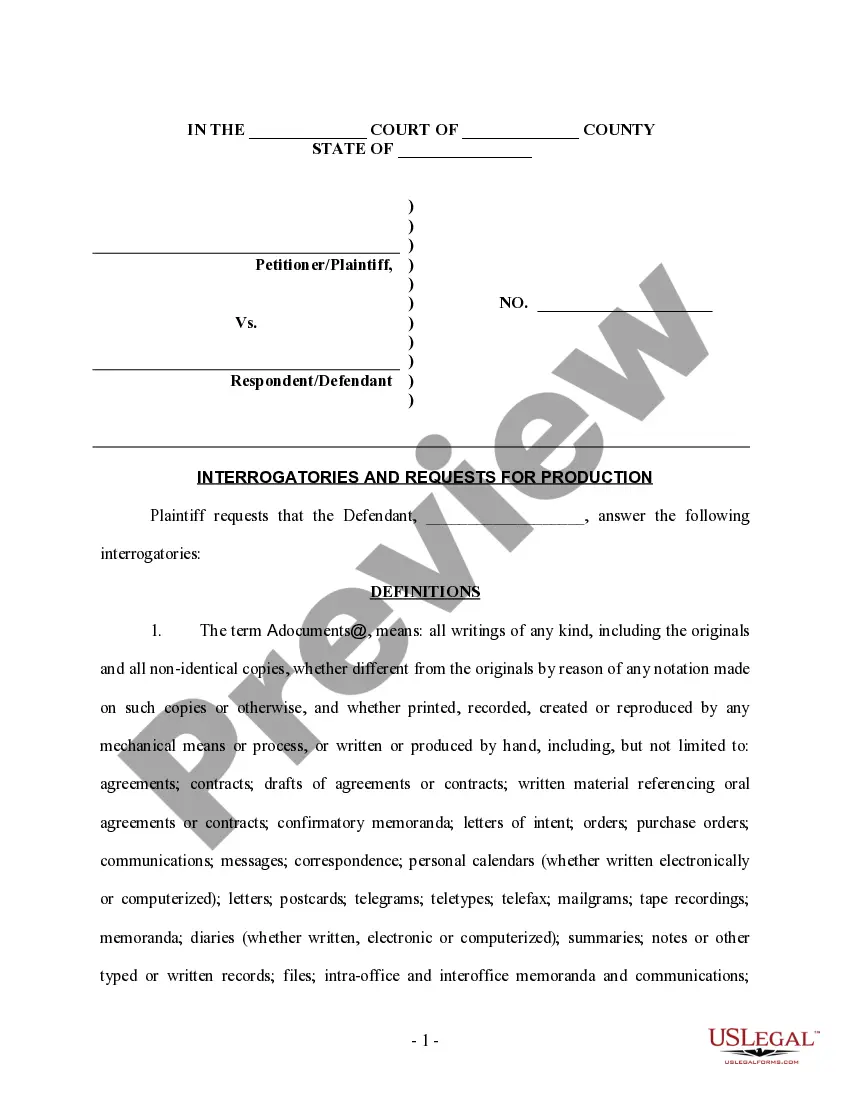
The original form interrogatories and signed proof of service should be retained for your records. If the other party does not respond to your requests, you may use these documents to support a motion to have the court compel responses.
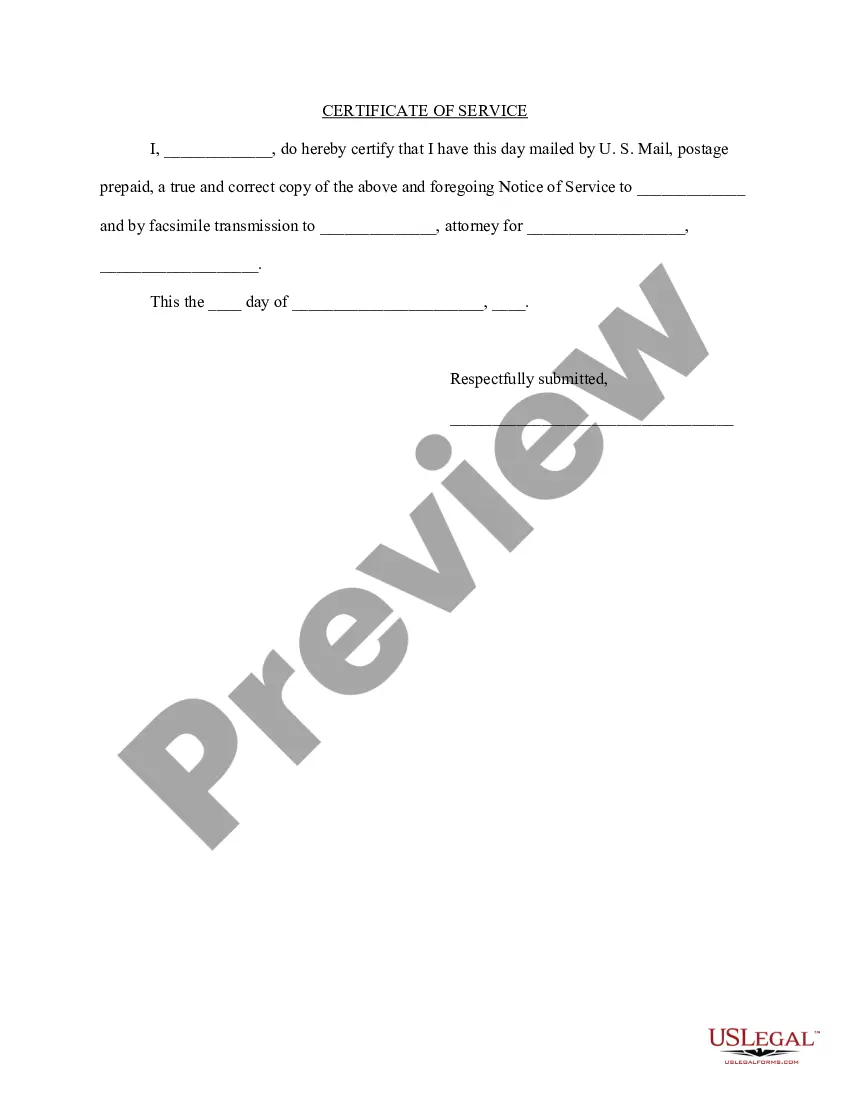
An example of a Proof of Service is a signed declaration from the person who served the documents, stating the name of the person who was served and the date, time, and manner of service. A Proof of Service may also include an affidavit, which is a sworn statement that the documents were properly served.
For a certificate of service for discovery papers, such as written discovery requests and responses, see Form – Certificate of Service (Discovery). The Federal Rules of Civil Procedure state that no certificate of service is required when a paper is served by filing it with the court's electronic-filing (ECF) system.
Service Documents means a claim form, application notice, order or judgment or other document relating to any Proceedings.
A "Proof of Service" is a one-page document that must be attached at the back of every document filed in bankruptcy court, whether the document was filed on a docket in a bankruptcy case or in an adversary proceeding. The "Proof of Service" document is a mandatory form.
The proof of service must be signed by the process server under penalty of perjury, affirming the accuracy and truthfulness of the statements therein. And the affidavit is signed by the process server in front of a notary who puts them under oath that their statements therein are accurate and truthful.
A Proof of Service is a document filed with the Court to show that the summons and complaint were successfully served on the defendant in a lawsuit.