Service Interrogatories With Multiple Parties In Cuyahoga
Description


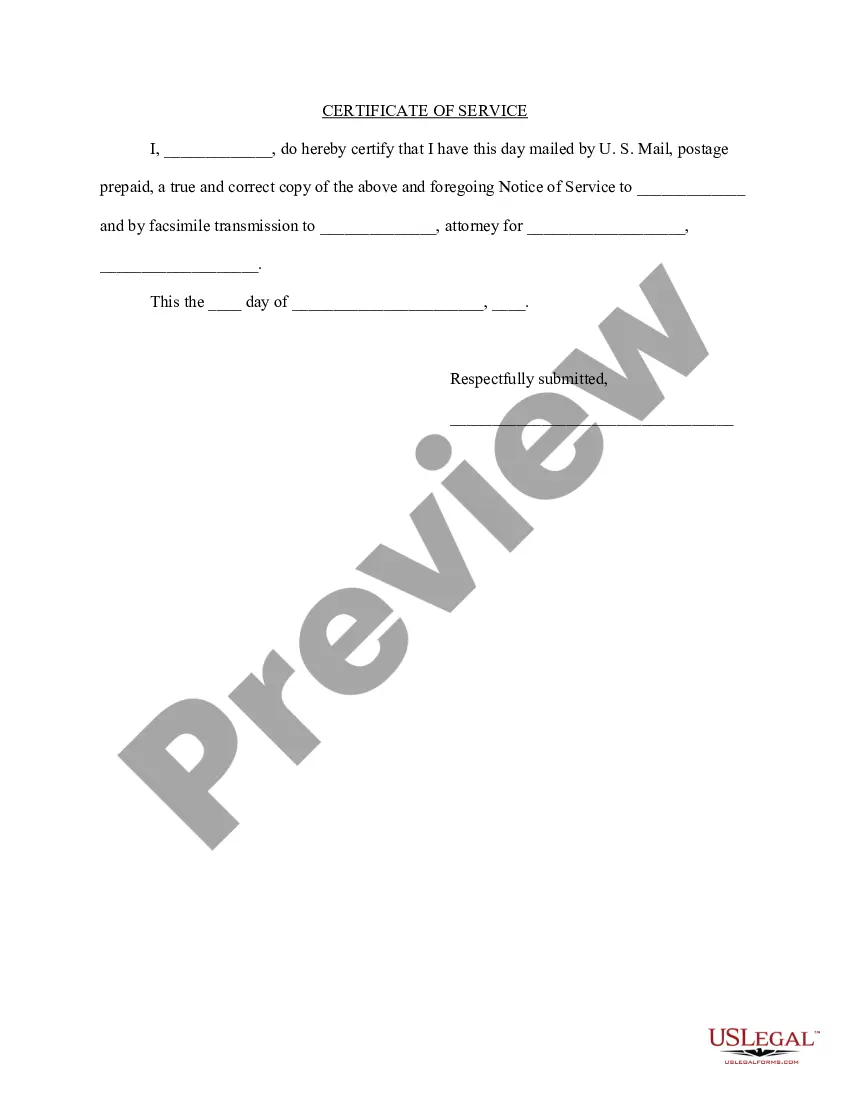
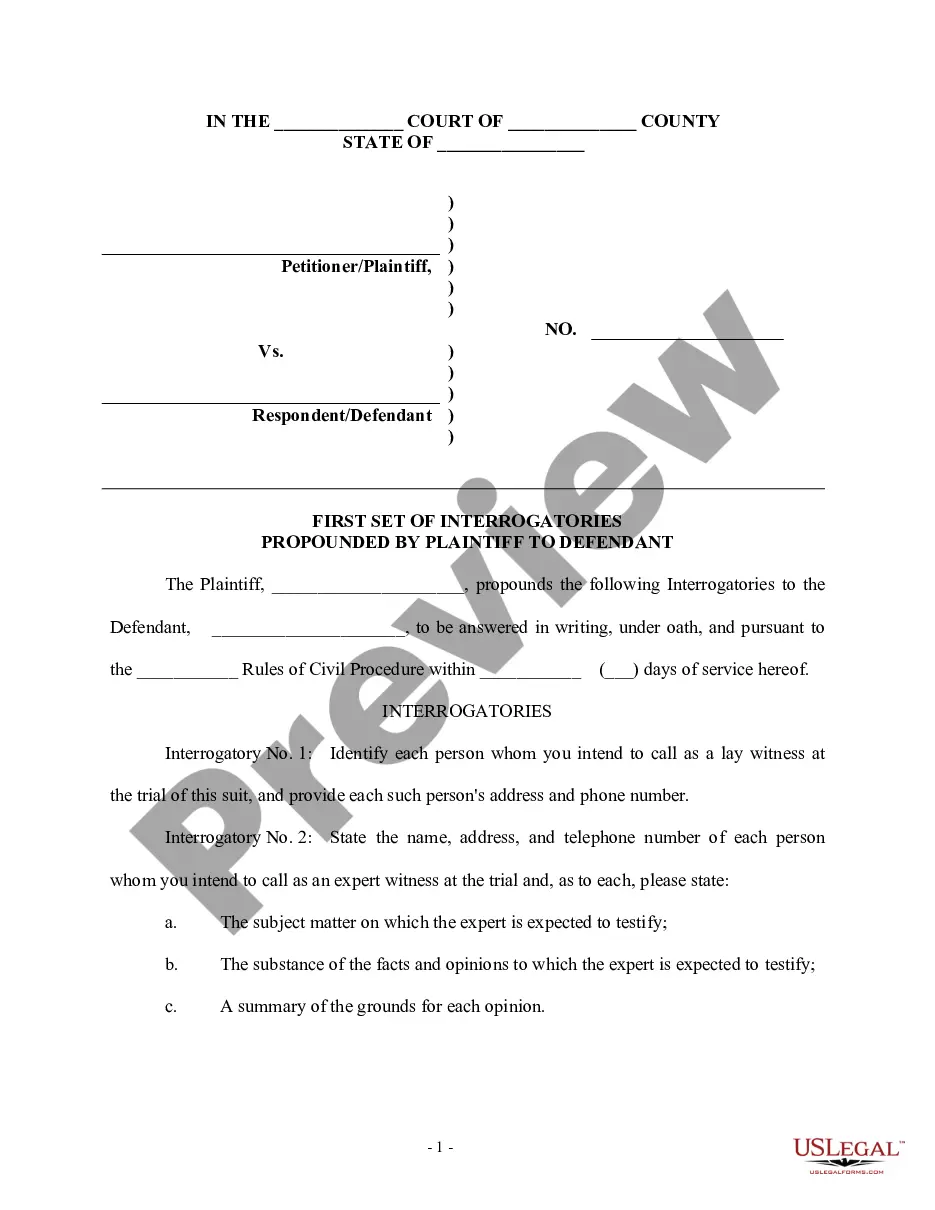

Get your form ready online
Our built-in tools help you complete, sign, share, and store your documents in one place.
Make edits, fill in missing information, and update formatting in US Legal Forms—just like you would in MS Word.
Download a copy, print it, send it by email, or mail it via USPS—whatever works best for your next step.
Sign and collect signatures with our SignNow integration. Send to multiple recipients, set reminders, and more. Go Premium to unlock E-Sign.
If this form requires notarization, complete it online through a secure video call—no need to meet a notary in person or wait for an appointment.
We protect your documents and personal data by following strict security and privacy standards.

Make edits, fill in missing information, and update formatting in US Legal Forms—just like you would in MS Word.

Download a copy, print it, send it by email, or mail it via USPS—whatever works best for your next step.

Sign and collect signatures with our SignNow integration. Send to multiple recipients, set reminders, and more. Go Premium to unlock E-Sign.

If this form requires notarization, complete it online through a secure video call—no need to meet a notary in person or wait for an appointment.

We protect your documents and personal data by following strict security and privacy standards.
Looking for another form?
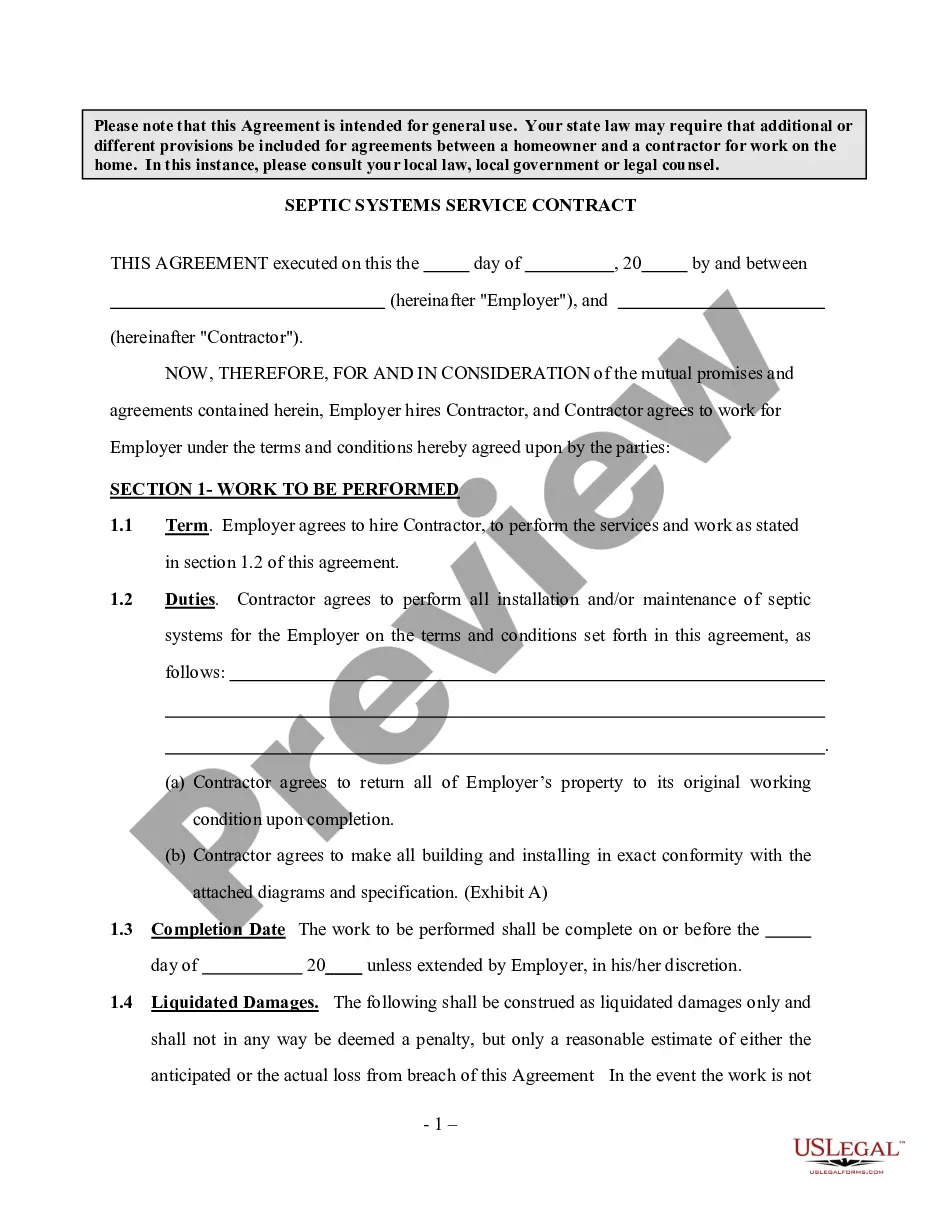
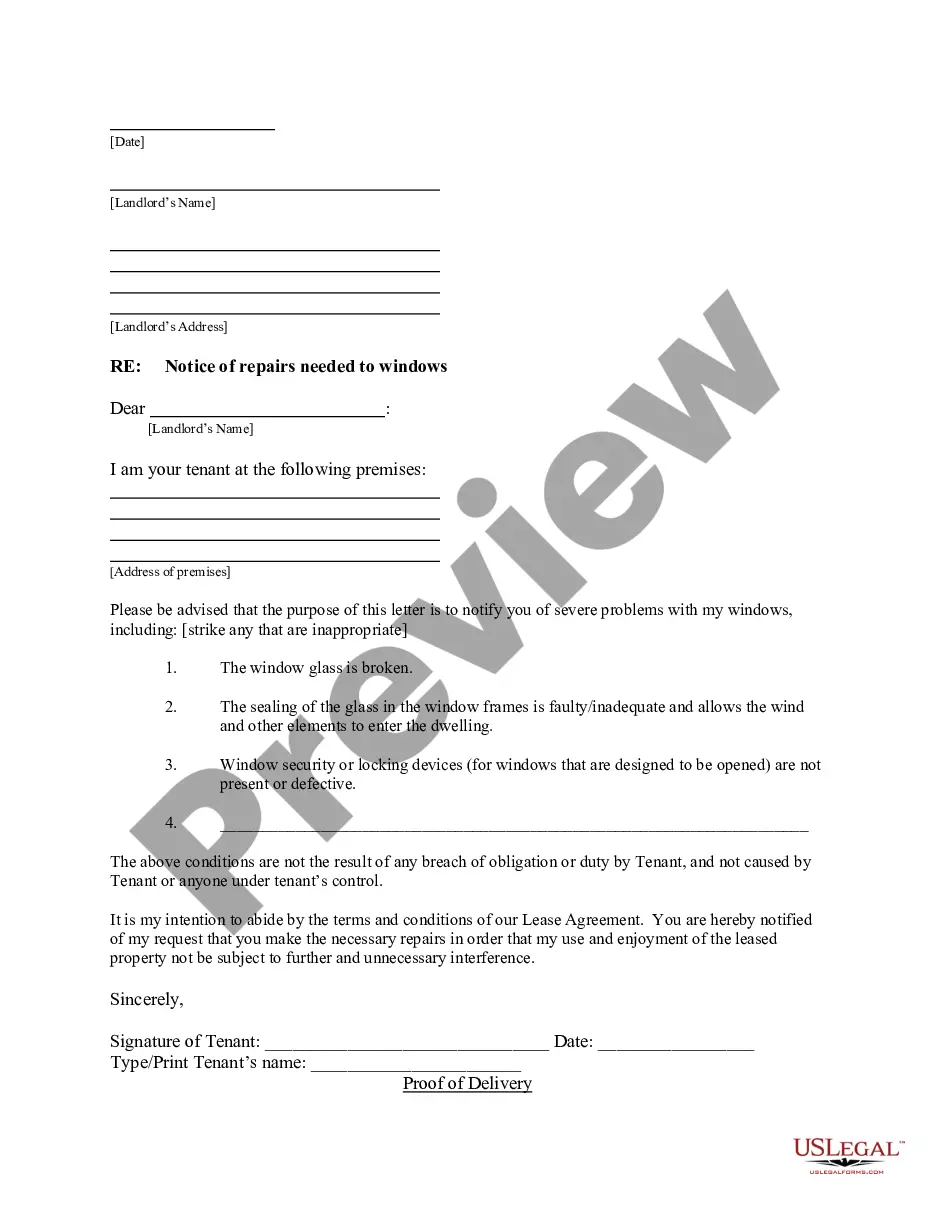




Form popularity
FAQ
Rule 32 - Use of Depositions in Court Proceedings (A) Use of depositions. Every deposition intended to be presented as evidence must be filed at least one day before the day of trial or hearing unless for good cause shown the court permits a later filing.
Rule 37 Sanctions is the Appropriate Remedy for Interference with or Concealment of Evidence, not Spoliation Claim. The Ohio Supreme Court recently ruled that Civil Procedure Rule 37 provides the remedy against attorneys that interfere with or conceal evidence in discovery, rather than a spoliation claim.
Rule 33(A) Availability; procedures for use This provision ensures that the court and parties are not required to consult two documents or different parts of the same document in order to review the full text of an interrogatory and the corresponding answer or objection.
NUMBER AND SCOPE OF INTERROGATORIES. Rule 33 (a), Federal Rules of Civil Procedure , restricts to 25 (including all discrete subparts) the number of interrogatories a party may serve on any other party.
Rule 37-Failure to Make or Cooperate in Discovery: Sanctions. (a) Motion for Order Compelling Disclosure or Discovery. A party, upon reasonable notice to other parties and all persons affected thereby, may apply for an order compelling disclosure or discovery as follows: (1) Appropriate Court.
37. On notice to other parties and all affected persons, a party may move for an order compelling discovery. The motion shall include a certification that the movant has in good faith conferred or attempted to confer with the person or party failing to make discovery in an effort to obtain it without court action.
A party shall not propound more than forty interrogatories to any other party without leave of the commission. Upon motion, and for good cause shown, the commission may extend the number of interrogatories that a party may serve upon another party.
Good evening. There are two things to remember when answering interrogatories...i) answer only the exact question asked with as few words as possible without expanding on anything; and ii) answer as irrelevant anything you don't really want to address.
Unless otherwise stipulated or ordered by the court, a party may serve on any other party no more than 25 written interrogatories, including all discrete subparts.