Notice For Discovery In Cuyahoga
Description

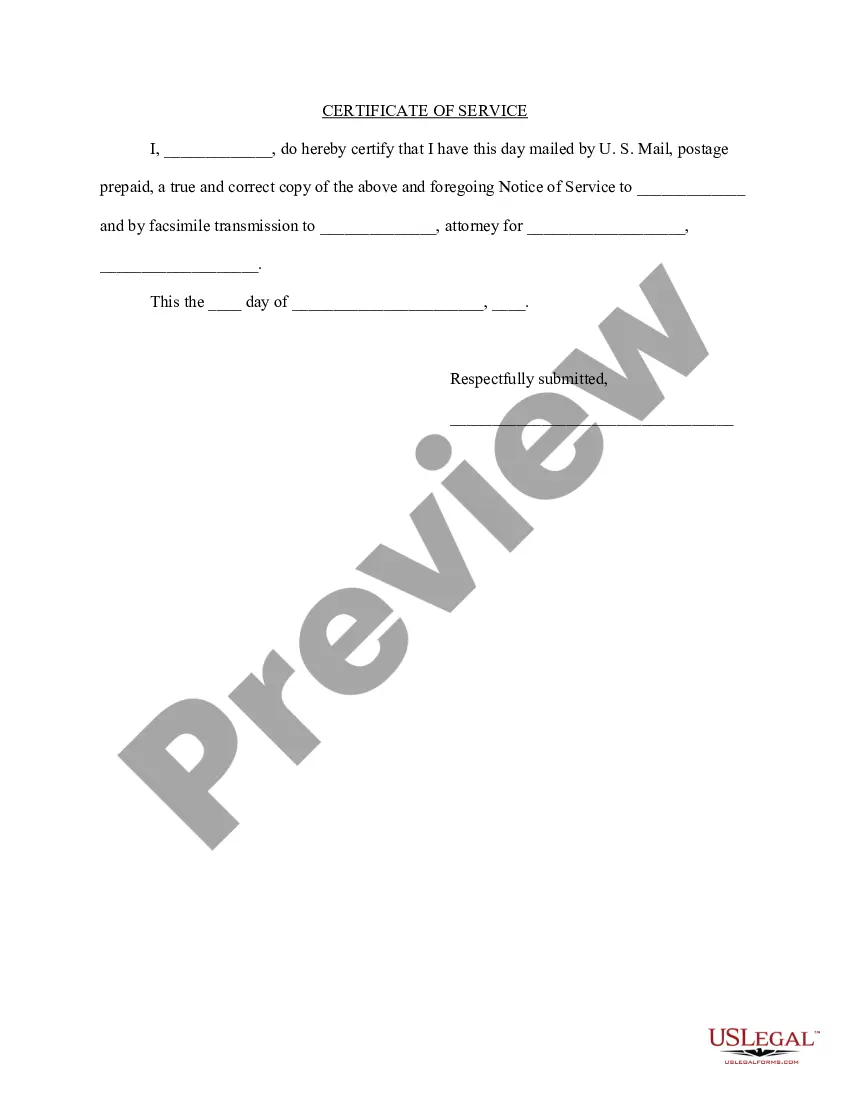
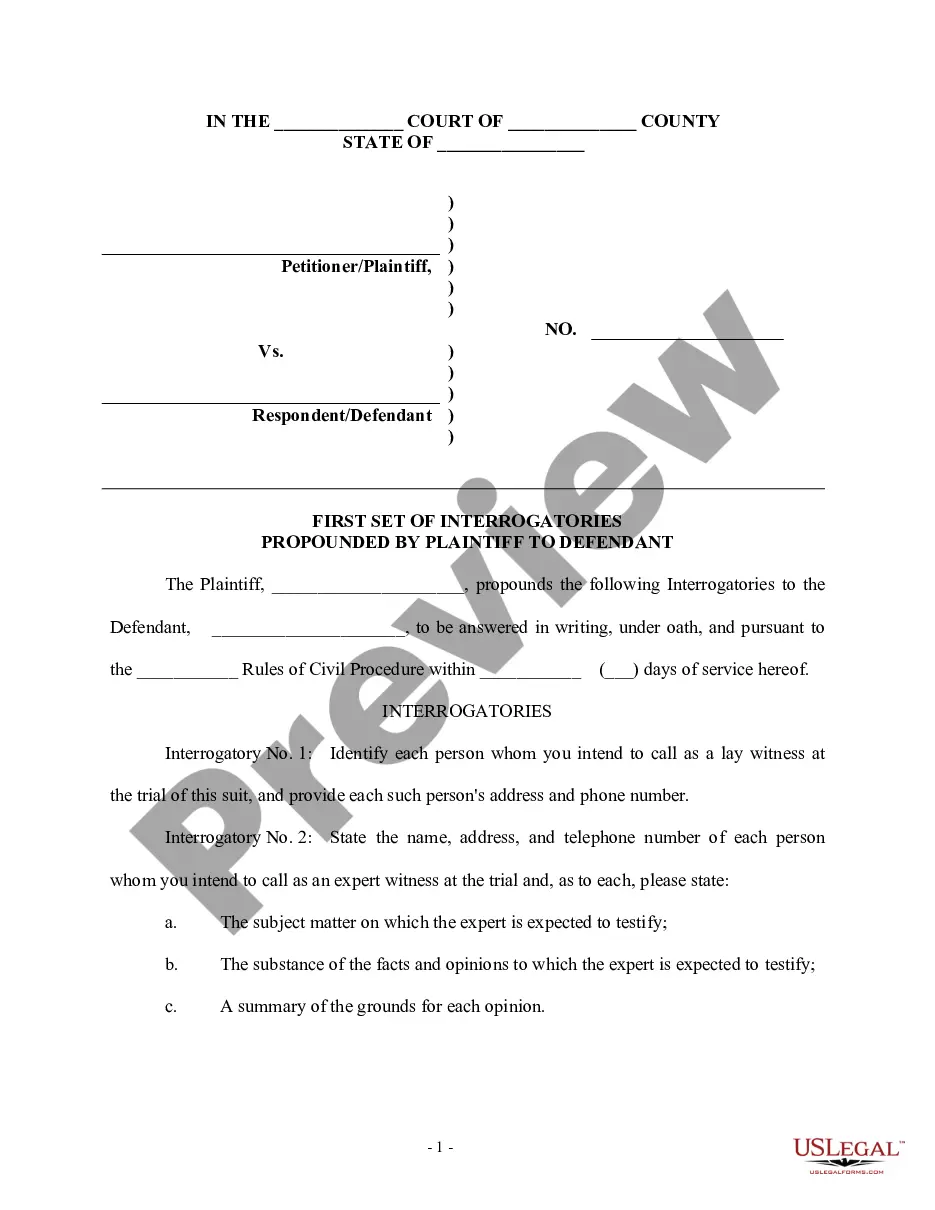

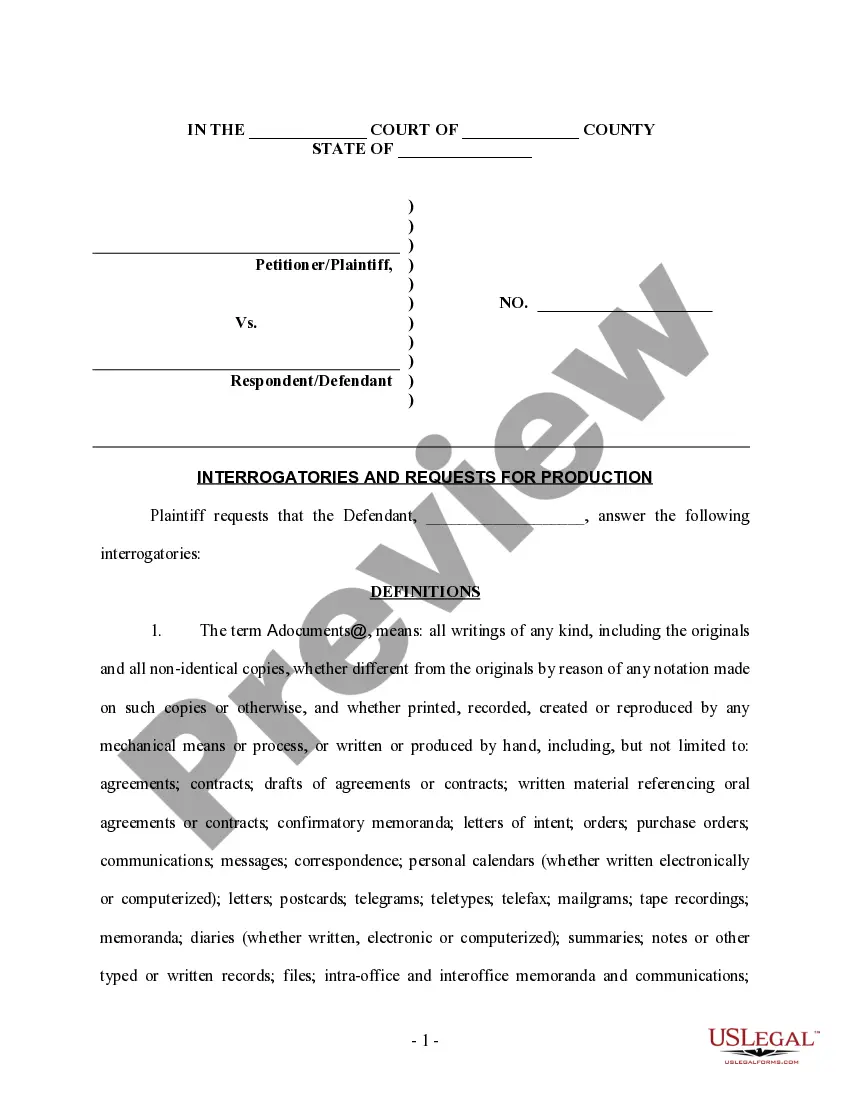
Get your form ready online
Our built-in tools help you complete, sign, share, and store your documents in one place.
Make edits, fill in missing information, and update formatting in US Legal Forms—just like you would in MS Word.
Download a copy, print it, send it by email, or mail it via USPS—whatever works best for your next step.
Sign and collect signatures with our SignNow integration. Send to multiple recipients, set reminders, and more. Go Premium to unlock E-Sign.
If this form requires notarization, complete it online through a secure video call—no need to meet a notary in person or wait for an appointment.
We protect your documents and personal data by following strict security and privacy standards.

Make edits, fill in missing information, and update formatting in US Legal Forms—just like you would in MS Word.

Download a copy, print it, send it by email, or mail it via USPS—whatever works best for your next step.

Sign and collect signatures with our SignNow integration. Send to multiple recipients, set reminders, and more. Go Premium to unlock E-Sign.

If this form requires notarization, complete it online through a secure video call—no need to meet a notary in person or wait for an appointment.

We protect your documents and personal data by following strict security and privacy standards.
Looking for another form?









Form popularity
FAQ
Example 1: Contempt of Court A Show Cause Order is issued to a party who has allegedly violated a court order. The individual must appear in court to explain why they should not be held in contempt for failing to comply with the original order, such as not paying court-ordered child support.
An order to show cause (O.S.C.), is a court order or the demand of a judge requiring a party to justify or explain why the court should or should not grant a motion or a relief. For example, if a party requests a restraining order from a judge, the judge may need more information.
The arraignment judge checks that the defendant knows the charges they face. The court assigns the defendant an attorney if they don't have one. Defendants enter a plea to the charges.
On the next court date, there will be a hearing to determine if you have indeed violated a previous written order of the court. If you are unable to show the Court that you have not violated the Order, then you will most likely be held in Contempt of Court.
Show Cause is a formal process that gives you the opportunity to outline any circumstances that have adversely impacted on your academic performance and what you will do to address these circumstances if you are permitted to continue with your studies.
A motion to show cause is used to bring one party's failure to comply with a Court order to the Court's attention. The motion to show cause must be completely filled out and must be supported by an Affidavit.
11.0 HEARING AND SUBMISSION OF MOTIONS If the motion requires consideration of facts not appearing of record, the movant shall serve and file copies of all affidavits, depositions, photographs or documentary evidence which the movant desires to submit in support of the motion.
Interrogatories may, without leave of court, be served upon the plaintiff after filing of the complaint and upon any other party with or after service of the summons and complaint upon that party.
33. Rule 33 - Interrogatories to Parties (A) Availability; procedures for use. Any party, without leave of court, may serve upon any other party up to forty written interrogatories to be answered by the party served.