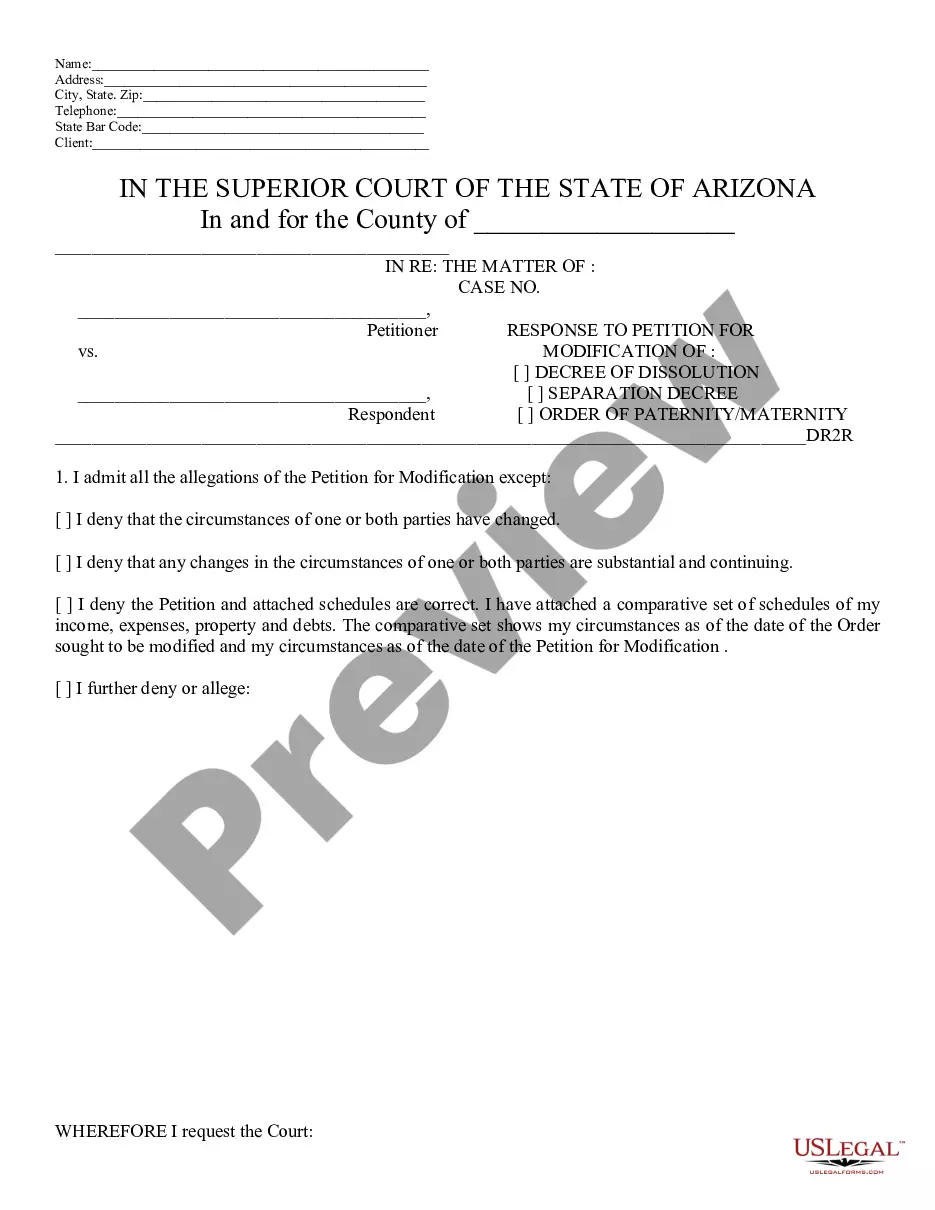
Notice Discovery Template With Time In Cook
Description

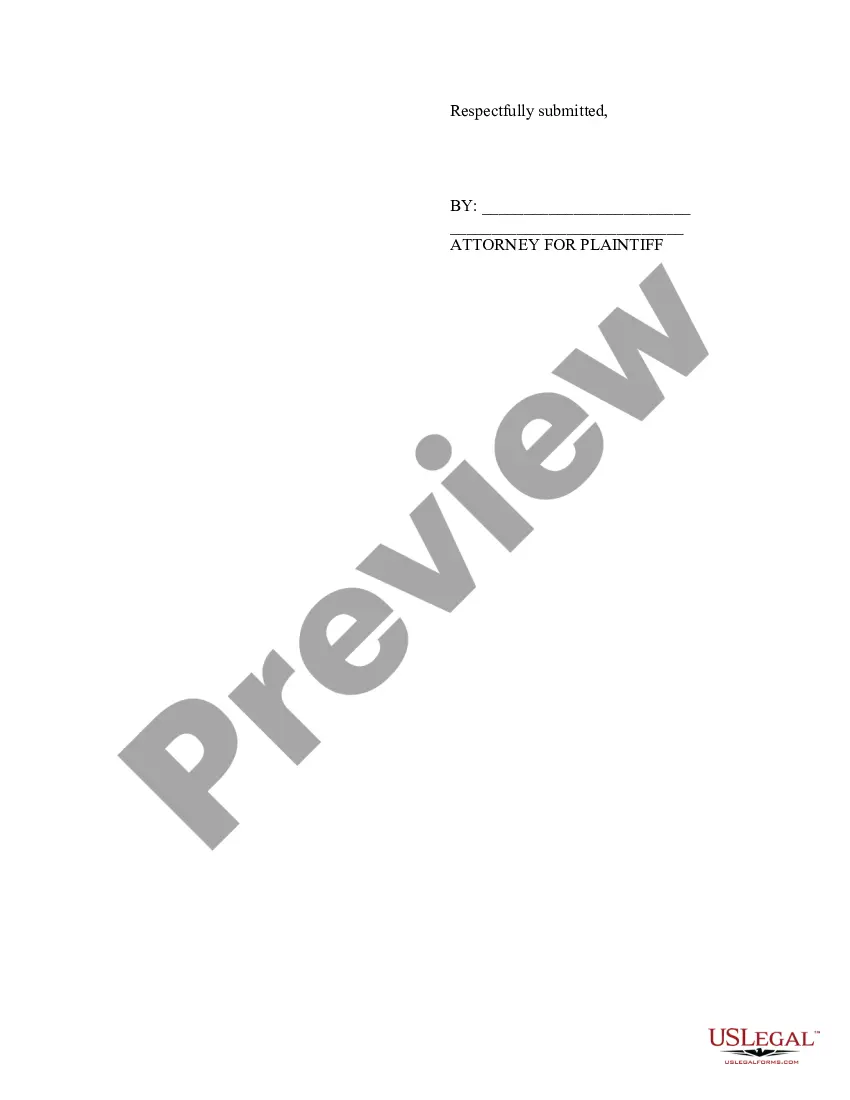
Get your form ready online
Our built-in tools help you complete, sign, share, and store your documents in one place.
Make edits, fill in missing information, and update formatting in US Legal Forms—just like you would in MS Word.
Download a copy, print it, send it by email, or mail it via USPS—whatever works best for your next step.
Sign and collect signatures with our SignNow integration. Send to multiple recipients, set reminders, and more. Go Premium to unlock E-Sign.
If this form requires notarization, complete it online through a secure video call—no need to meet a notary in person or wait for an appointment.
We protect your documents and personal data by following strict security and privacy standards.

Make edits, fill in missing information, and update formatting in US Legal Forms—just like you would in MS Word.

Download a copy, print it, send it by email, or mail it via USPS—whatever works best for your next step.

Sign and collect signatures with our SignNow integration. Send to multiple recipients, set reminders, and more. Go Premium to unlock E-Sign.

If this form requires notarization, complete it online through a secure video call—no need to meet a notary in person or wait for an appointment.

We protect your documents and personal data by following strict security and privacy standards.
Looking for another form?





Form popularity
FAQ
(a) Except as otherwise provided in this chapter, any party shall be entitled as a matter of right to complete discovery proceedings on or before the 30th day, and to have motions concerning discovery heard on or before the 15th day, before the date initially set for the trial of the action.
How Does Discovery Work? There are four main types of discovery requests: (1) depositions; (2) interrogatories; (3) requests for admissions; and (4) requests for the production of documents. Depositions are formal witness interviews.
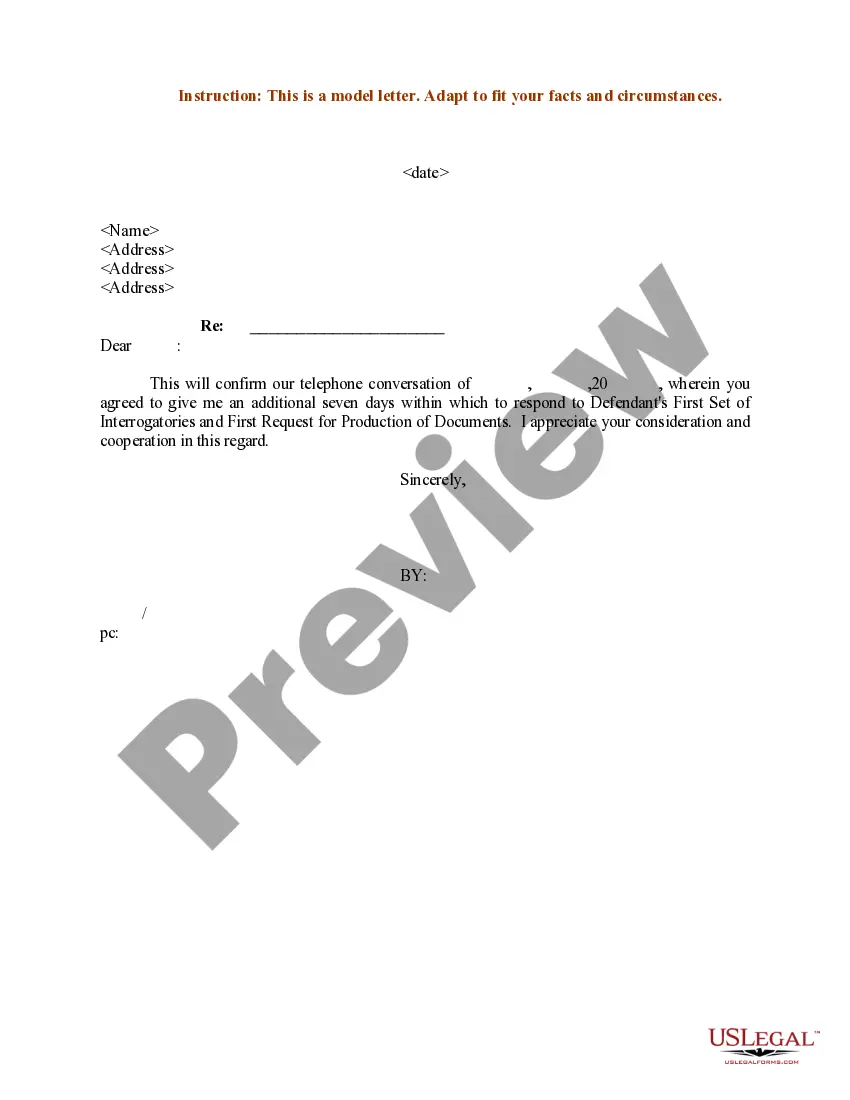
Parties usually send their discovery requests and responses to the other party electronically, by email. But, parties may also send or respond to discovery requests by U.S. mail or a parcel service. Discovery requests and responses should not be sent to the Administrative Judge, except to support a motion.
In the United States, there are five basic forms of discovery: depositions, interrogatories, requests for production of documents (or permission to inspect), physical and mental examinations, and requests for admission.
Discovery generally begins after the defendant files an answer, the parties hold a discovery planning conference, and the judge issues a scheduling order. The discovery process is designed to go forward between the parties with minimal court involvement.
The discovery process can be divided into two stages: data collection and data processing. The stages are subdivided into phases. Topology deduction takes place during the data processing stage, as the information from the data collection stage is analyzed, interpreted and processed by the stitchers.
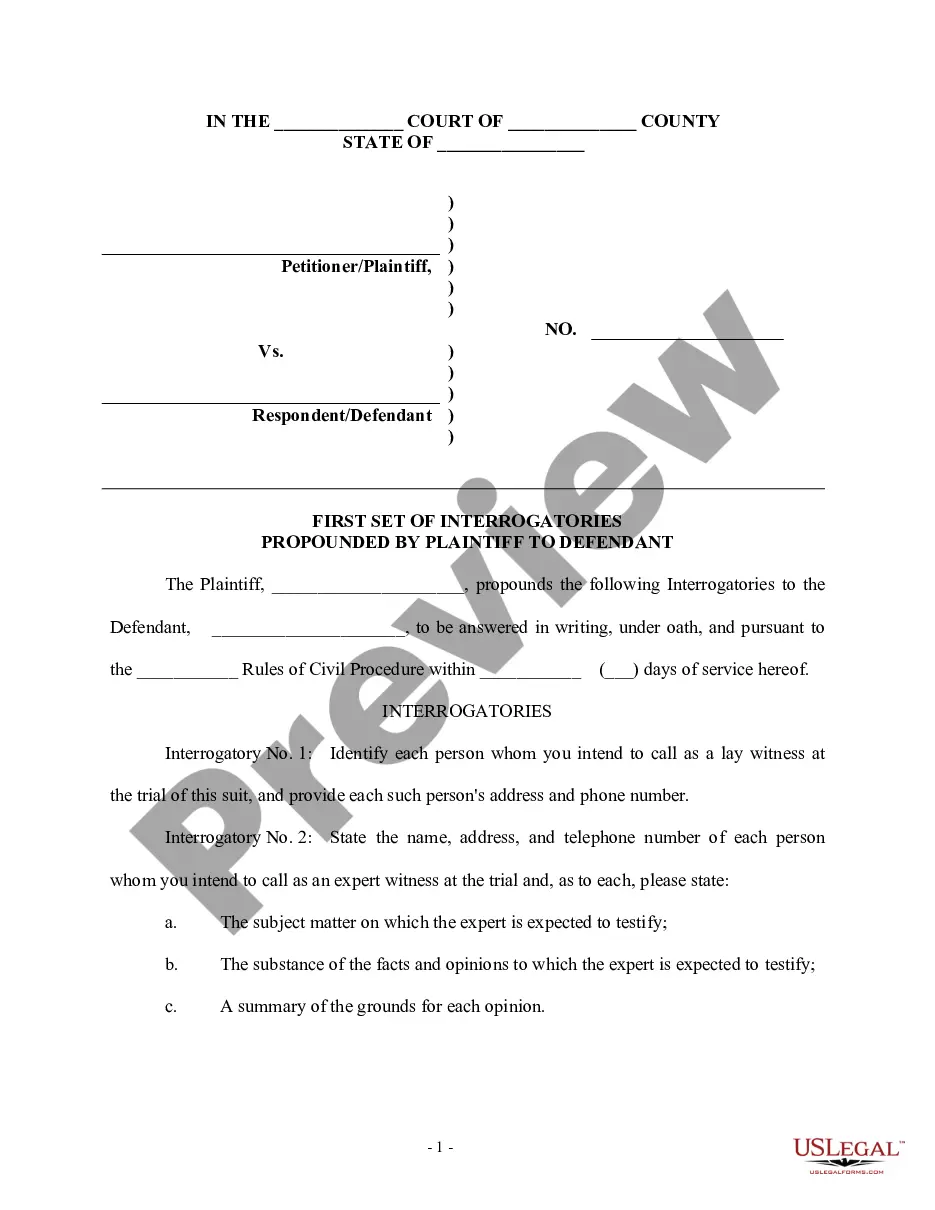
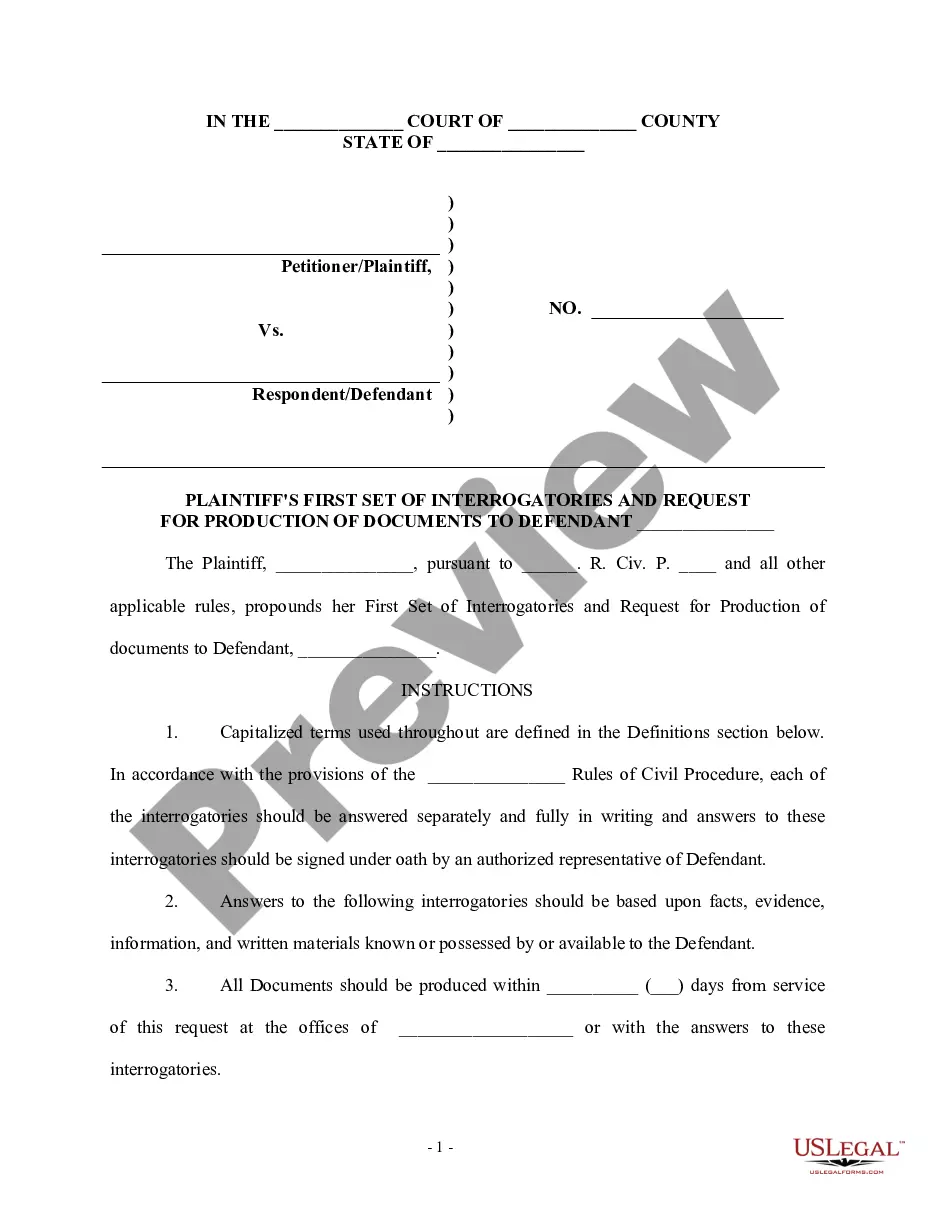
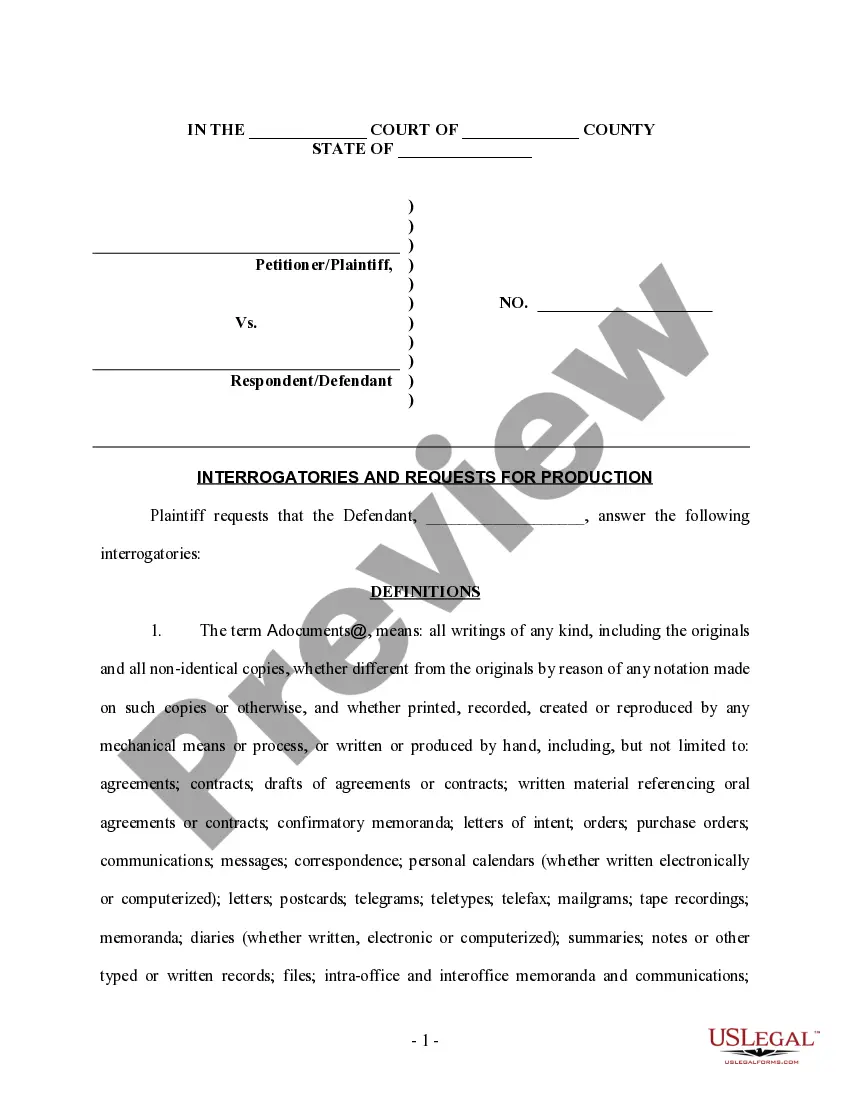
How to use Special Interrogatories Download a template for Special Interrogatories. There are many different templates available for Special Interrogatories. Fill out basic information at the top. Add your own definitions (if useful) ... Write your questions (interrogatories) ... Sign and date the document. Make copies.
Steps Of The Discovery Process. There are four key actions in the discovery process which include interrogatories, request for documents, request for admissions, and depositions.
To change a court date, you must get a judge's permission. You ask the judge's permission by filing a motion. This motion asks the judge to reschedule a court date. If you are asking for a new court date, it is called a continuance.
If your subpoena was not served in person and in-person or personal service is required, then you may have grounds to file a motion to quash.