Proof Of Service For Discovery In Contra Costa
Description


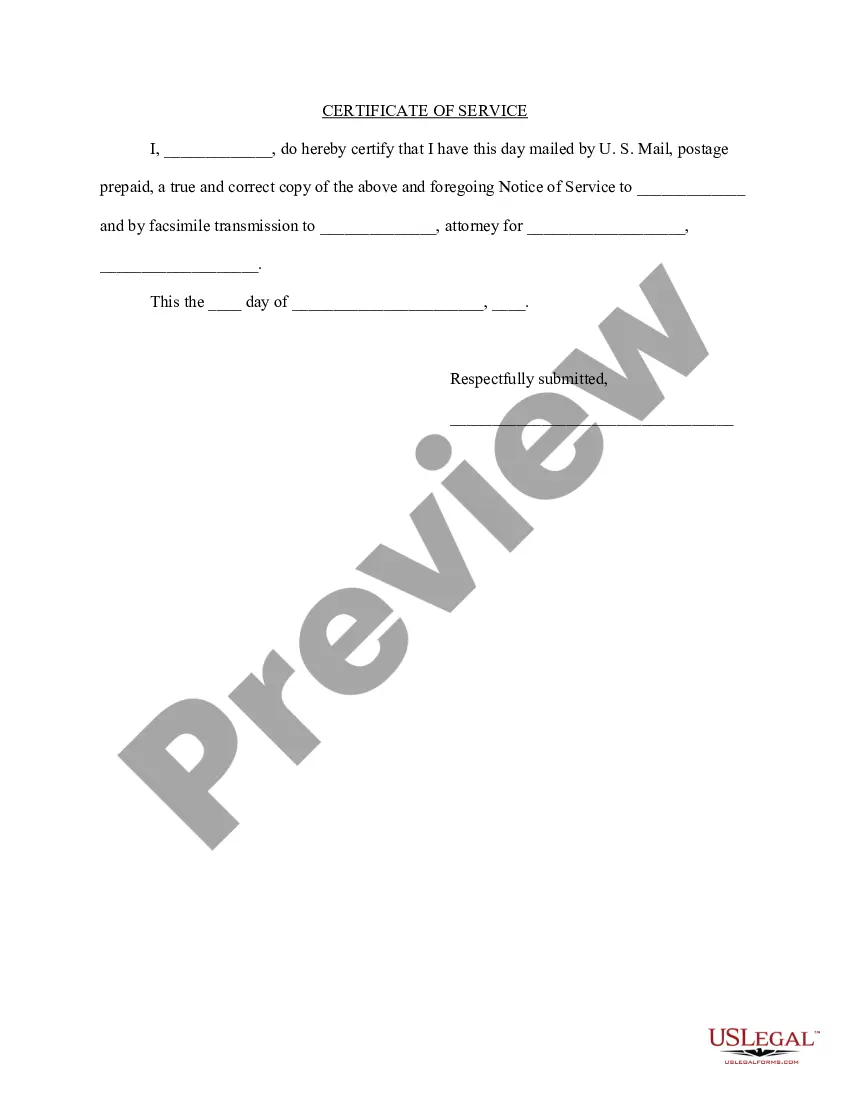
Get your form ready online
Our built-in tools help you complete, sign, share, and store your documents in one place.
Make edits, fill in missing information, and update formatting in US Legal Forms—just like you would in MS Word.
Download a copy, print it, send it by email, or mail it via USPS—whatever works best for your next step.
Sign and collect signatures with our SignNow integration. Send to multiple recipients, set reminders, and more. Go Premium to unlock E-Sign.
If this form requires notarization, complete it online through a secure video call—no need to meet a notary in person or wait for an appointment.
We protect your documents and personal data by following strict security and privacy standards.

Make edits, fill in missing information, and update formatting in US Legal Forms—just like you would in MS Word.

Download a copy, print it, send it by email, or mail it via USPS—whatever works best for your next step.

Sign and collect signatures with our SignNow integration. Send to multiple recipients, set reminders, and more. Go Premium to unlock E-Sign.

If this form requires notarization, complete it online through a secure video call—no need to meet a notary in person or wait for an appointment.

We protect your documents and personal data by following strict security and privacy standards.
Looking for another form?
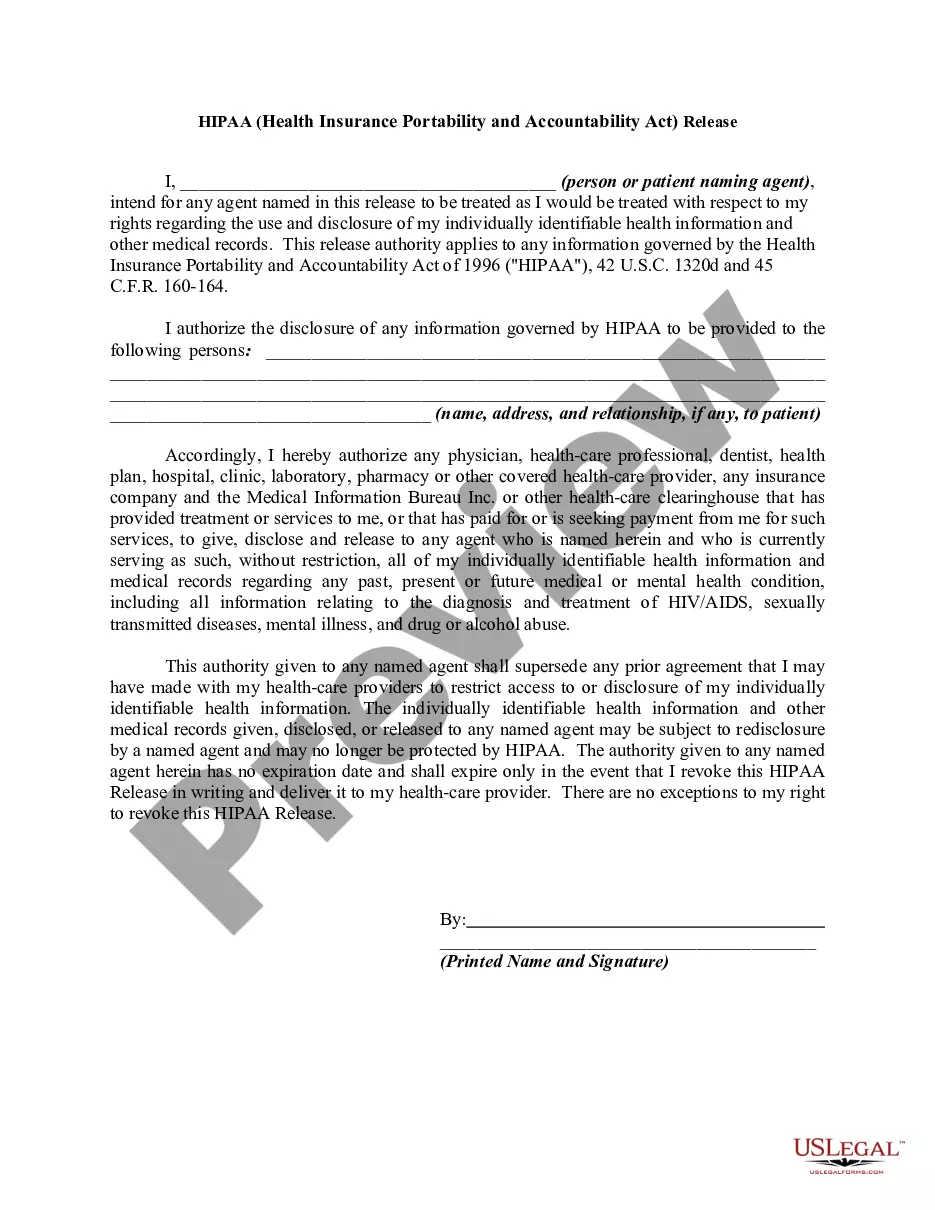
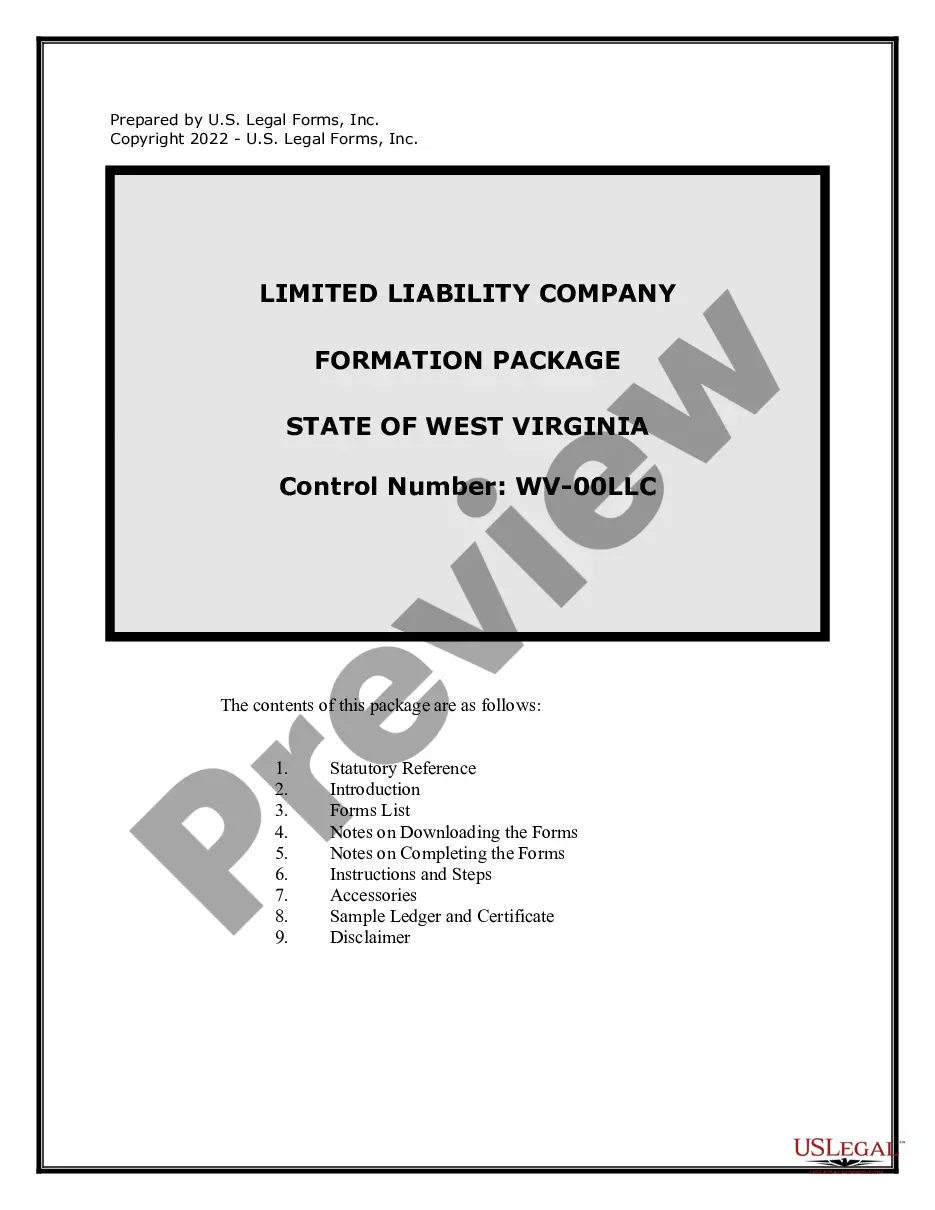
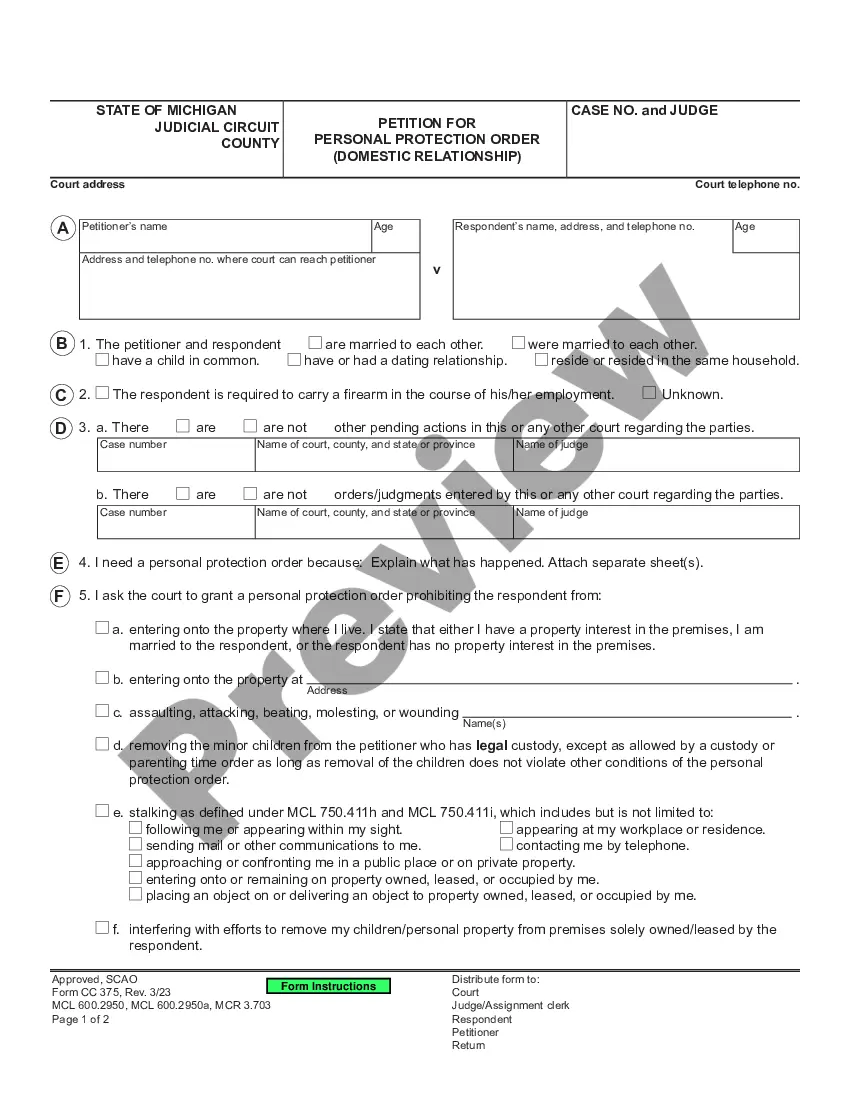



Form popularity
FAQ
An example of a Proof of Service is a signed declaration from the person who served the documents, stating the name of the person who was served and the date, time, and manner of service. A Proof of Service may also include an affidavit, which is a sworn statement that the documents were properly served.
(2) Proof of electronic service may be in electronic form and may be filed electronically with the court. (3) Under rule 3.1300(c), proof of service of the moving papers must be filed at least five court days before the hearing.
A party or other person may serve documents electronically directly, by an agent, or through a designated electronic filing service provider.
The process server must fill out and sign the proof of service form, which shows how, when, and where the papers were served, and who received them. The server then gives you the proof of service. Make a copy of the proof of service. Take both the original and the copy to the court clerk to file.
You must submit copies of your evidence to the court and to each party in your case at least 10 days prior to the hearing. When submitting evidence, you must complete form LASC CIV 278 and use LASC CIV 279 mailing labels. You will have to provide proof that the other parties were sent copies of your evidence.
Obtain the Form: Obtain the affidavit of service form from the court or its website. Fill Out Personal Information: Include the servicer's and recipient's names, addresses, and any other required identification details. Detail Document Information: Specify the type of documents served (e.g., complaint, summons).
The complaint must be served on all named defendants and proofs of service on those defendants must be filed with the court within 60 days after the filing of the complaint.
The person who served the documents must complete the Proof of Service. A party to the action cannot serve the documents. The Proof of Service should be typed or printed. If you have Internet access, a fillable version of this proof of service form is available at urts.ca/forms.htm.
You may have a friend or relative serve the papers if that person is at least 18 years old and is willing to help you, is able to complete the form to prove service and could appear in court to tell what they served. Remember, you must later file the Proof of Service.