Notice Discovery Template With Time In Contra Costa
Description

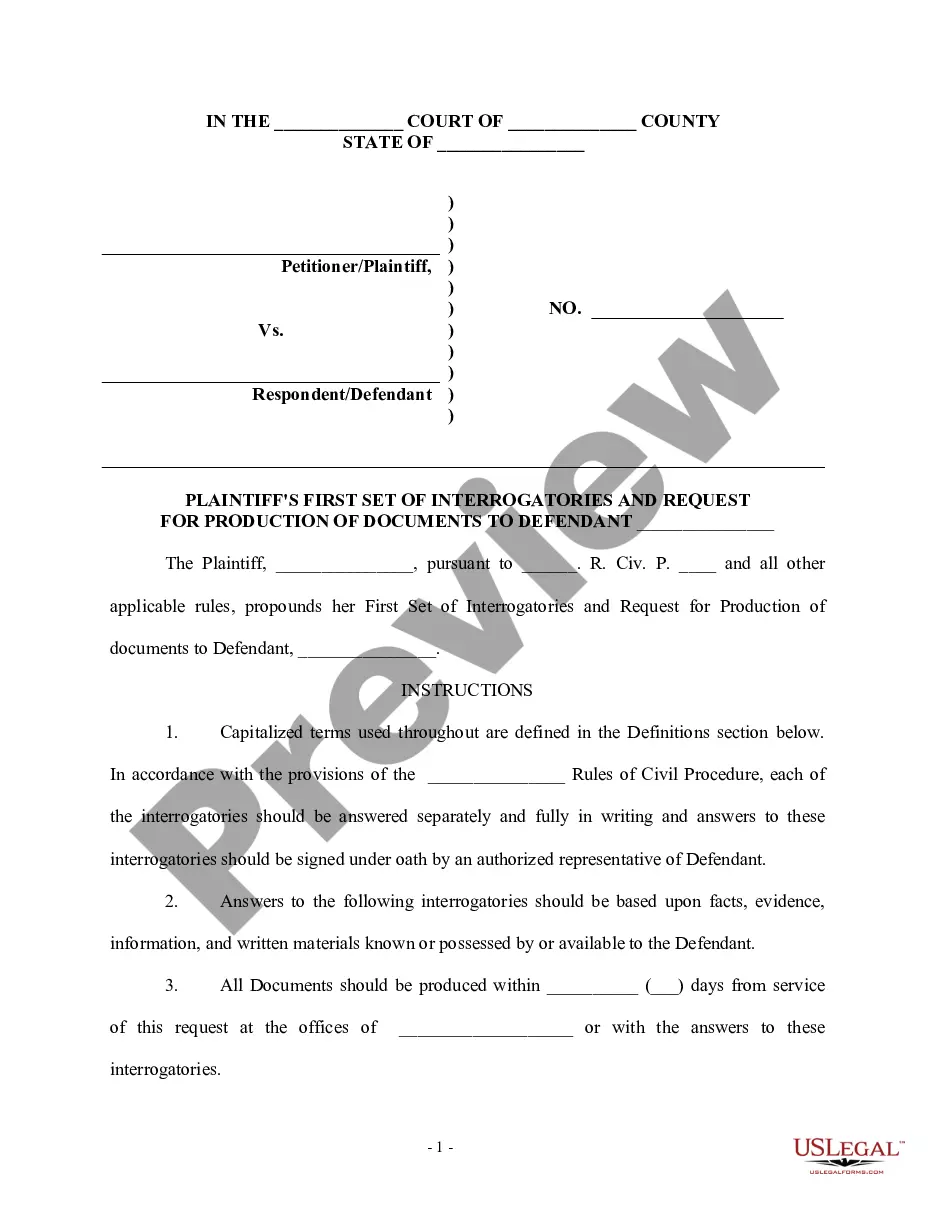
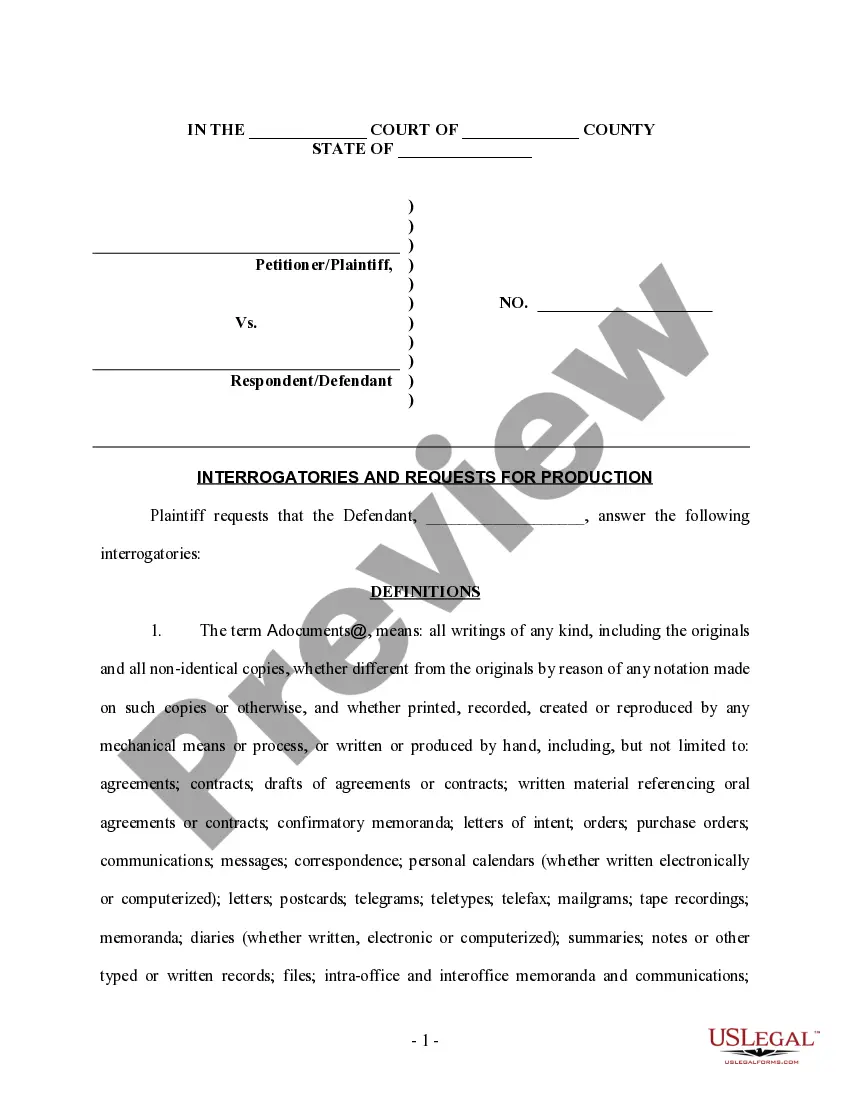
Get your form ready online
Our built-in tools help you complete, sign, share, and store your documents in one place.
Make edits, fill in missing information, and update formatting in US Legal Forms—just like you would in MS Word.
Download a copy, print it, send it by email, or mail it via USPS—whatever works best for your next step.
Sign and collect signatures with our SignNow integration. Send to multiple recipients, set reminders, and more. Go Premium to unlock E-Sign.
If this form requires notarization, complete it online through a secure video call—no need to meet a notary in person or wait for an appointment.
We protect your documents and personal data by following strict security and privacy standards.

Make edits, fill in missing information, and update formatting in US Legal Forms—just like you would in MS Word.

Download a copy, print it, send it by email, or mail it via USPS—whatever works best for your next step.

Sign and collect signatures with our SignNow integration. Send to multiple recipients, set reminders, and more. Go Premium to unlock E-Sign.

If this form requires notarization, complete it online through a secure video call—no need to meet a notary in person or wait for an appointment.

We protect your documents and personal data by following strict security and privacy standards.
Looking for another form?
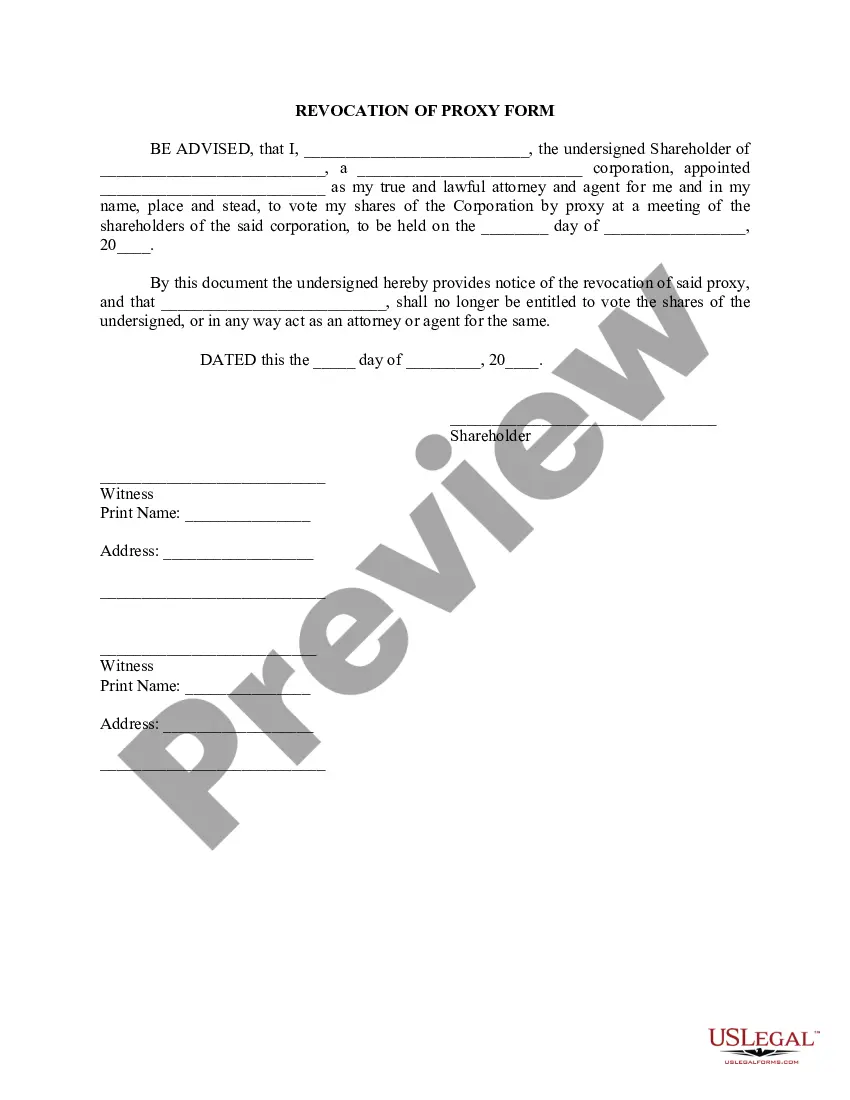







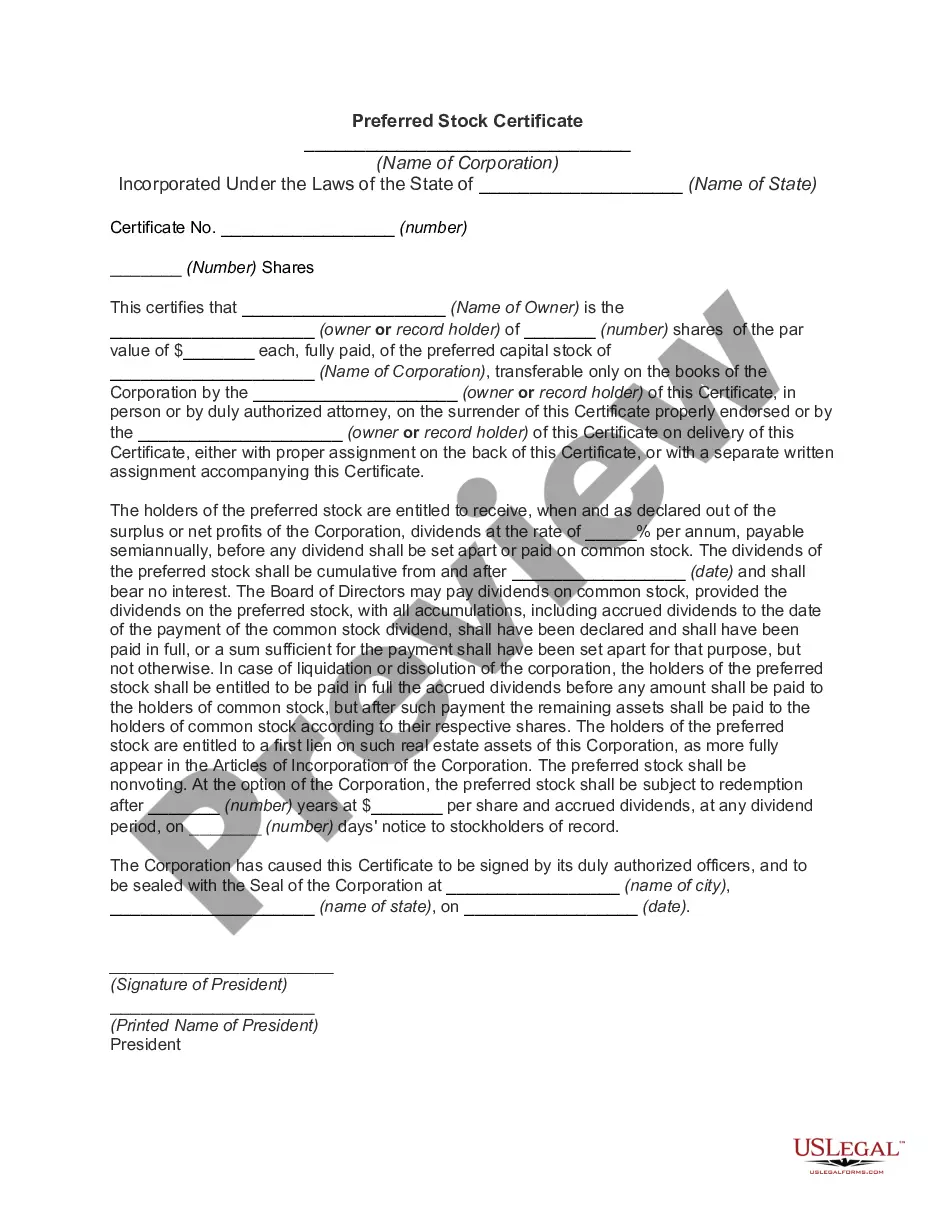
Form popularity
FAQ
(a) Except as otherwise provided in this chapter, any party shall be entitled as a matter of right to complete discovery proceedings on or before the 30th day, and to have motions concerning discovery heard on or before the 15th day, before the date initially set for the trial of the action.
In a summary judgment or summary adjudication motion, no opening or responding memorandum may exceed 20 pages.
A summary judgment motion was filed in your case. A summary judgment motion asks the court to decide this case without having a trial.
Under Code of Civil Procedure § 437c(c), a motion for summary judgment "shall be granted if all the papers submitted show that there is no triable issue as to any material fact and that the moving party is entitled to judgment as a matter of law." (Code Civ.
Under a motion for summary judgment, the movant should assert that a fact cannot be genuinely disputed based on the record . The nonmovant is given notice and a reasonable time to respond, after which the court may grant or deny summary judgment.