Notice For Discovery In Chicago
Description

Get your form ready online
Our built-in tools help you complete, sign, share, and store your documents in one place.
Make edits, fill in missing information, and update formatting in US Legal Forms—just like you would in MS Word.
Download a copy, print it, send it by email, or mail it via USPS—whatever works best for your next step.
Sign and collect signatures with our SignNow integration. Send to multiple recipients, set reminders, and more. Go Premium to unlock E-Sign.
If this form requires notarization, complete it online through a secure video call—no need to meet a notary in person or wait for an appointment.
We protect your documents and personal data by following strict security and privacy standards.

Make edits, fill in missing information, and update formatting in US Legal Forms—just like you would in MS Word.

Download a copy, print it, send it by email, or mail it via USPS—whatever works best for your next step.

Sign and collect signatures with our SignNow integration. Send to multiple recipients, set reminders, and more. Go Premium to unlock E-Sign.

If this form requires notarization, complete it online through a secure video call—no need to meet a notary in person or wait for an appointment.

We protect your documents and personal data by following strict security and privacy standards.
Looking for another form?



Form popularity
FAQ
Assuming that the Complaint survives any Motion to Dismiss filed by the defendant, the Defendant will file an answer to the allegations of the Complaint. Once the Complaint has been answered, the case is “at issue” and the discovery phase of litigation begins.
The court may at any time on its own initiative, or on motion of any party or witness, make a protective order as justice requires, denying, limiting, conditioning, or regulating discovery to prevent unreasonable annoyance, expense, embarrassment, disadvantage, or oppression.
All dates set for the disclosure of witnesses, including rebuttal witnesses, and the completion of discovery shall be chosen to ensure that discovery will be completed not later than 60 days before the date on which the trial court reasonably anticipates that trial will commence, unless otherwise agreed by the parties.
The other party might not respond, or s/he could file a “motion to compel discovery.” A motion to compel discovery is a written request to the judge in which the party seeking discovery asks the judge to issue an order requiring that the other party turns over the requested documents by a certain date or face certain ...
As originally promulgated Rule 214 was patterned after former Rule 17. It provided for discovery of documents and tangible things, and for entry upon real estate, in the custody or control of any “party or other person,” by moving the court for an order compelling such discovery.
Sometimes, there are exceptions via a discovery rule, allowing for a delay to the statute of limitations to start the time tolling not on the date the incident occurred leading to injury but instead on the date of discovery of an injury or when damages were first reasonably discoverable, per 735 ILCS 5/13-214.3(b).
A discovery response is essentially a choice that you make after receiving a request for information. The question then becomes, Should you comply or not?
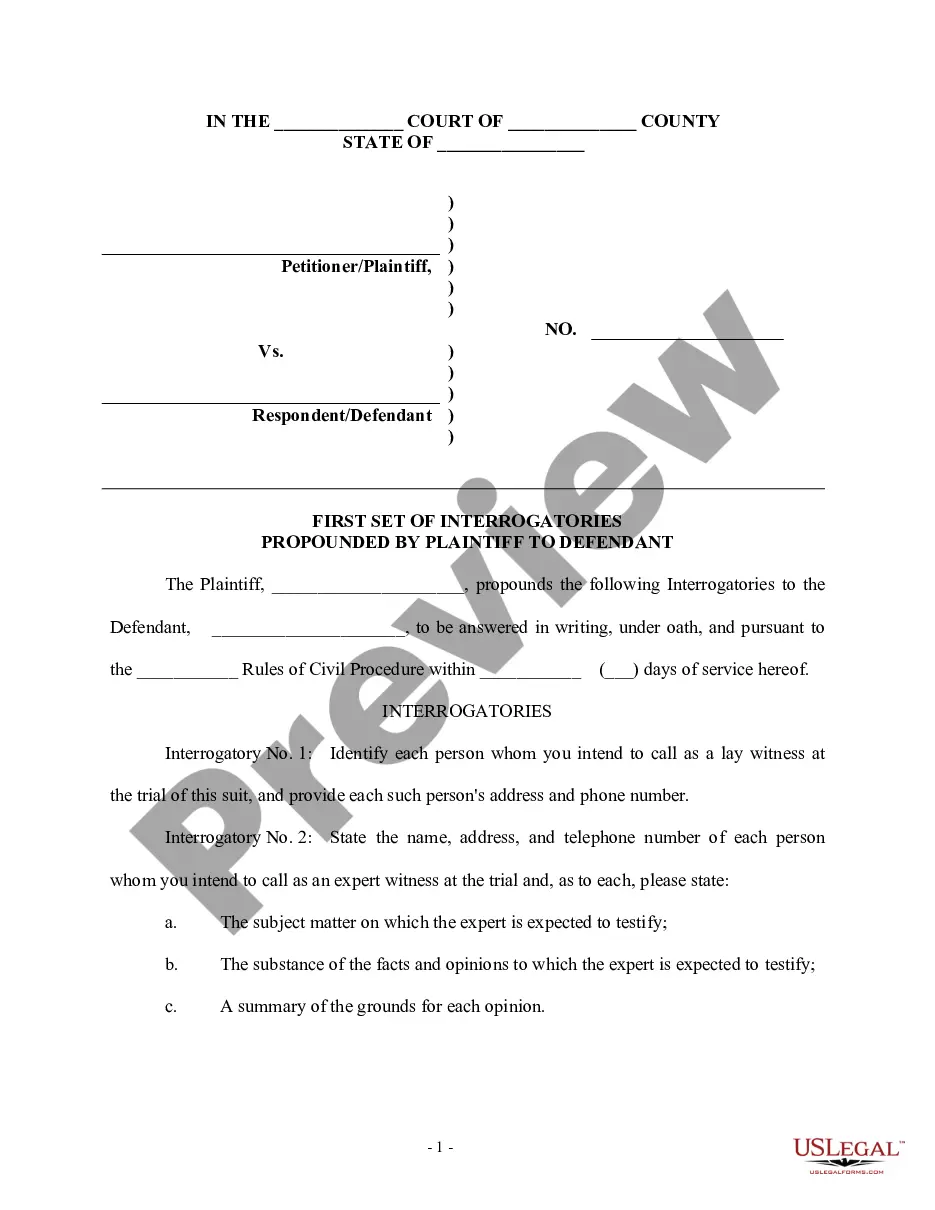
Also, amended Rule 213(d) retains the requirement that “within 28 days after service of the interrogatories upon the party to whom they are directed, the party shall serve a sworn answer or an objection to each interrogatory, with proof of service upon all other parties entitled to notice.
The court may at any time on its own initiative, or on motion of any party or witness, make a protective order as justice requires, denying, limiting, conditioning, or regulating discovery to prevent unreasonable annoyance, expense, embarrassment, disadvantage, or oppression.