Notice Discovery Template With Formulas In Broward
Description

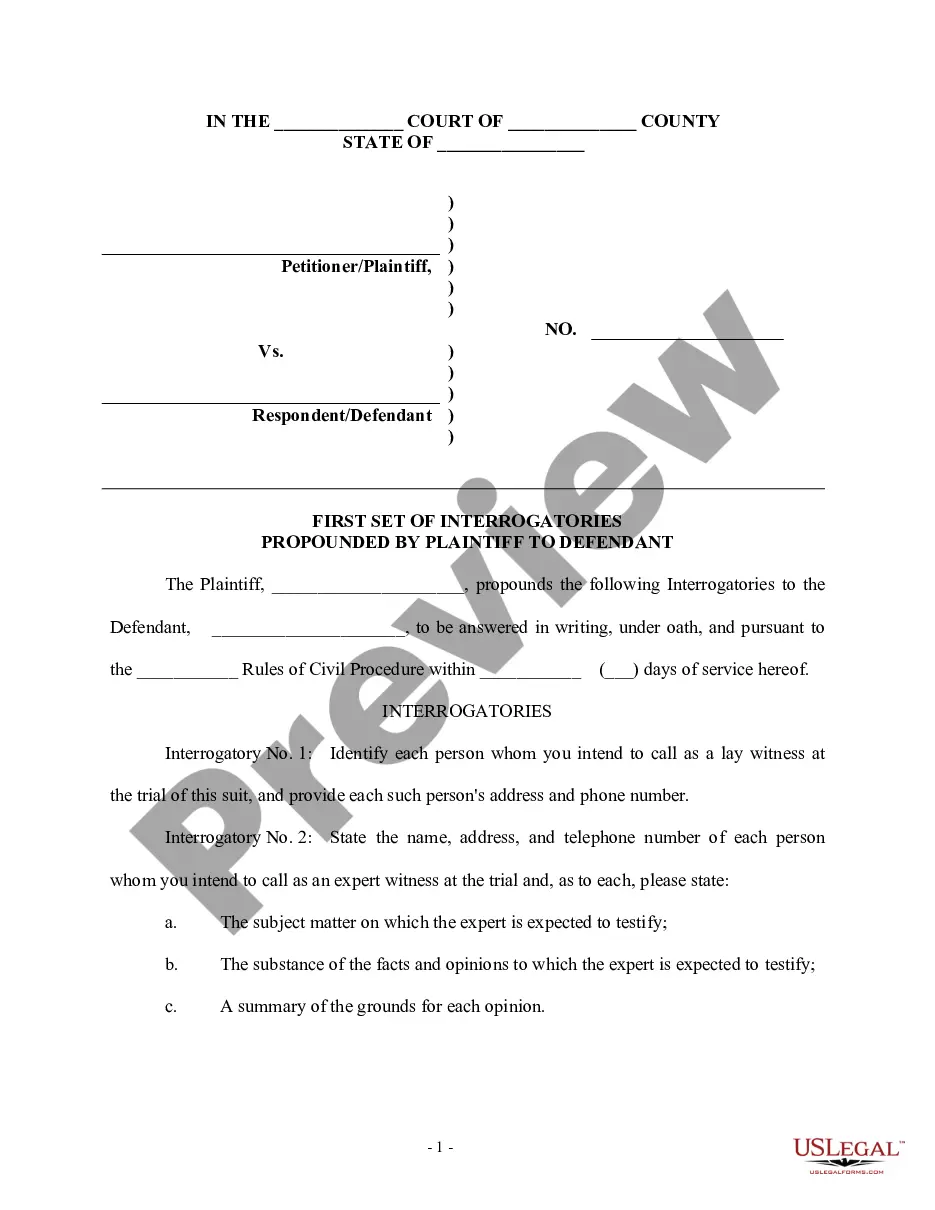
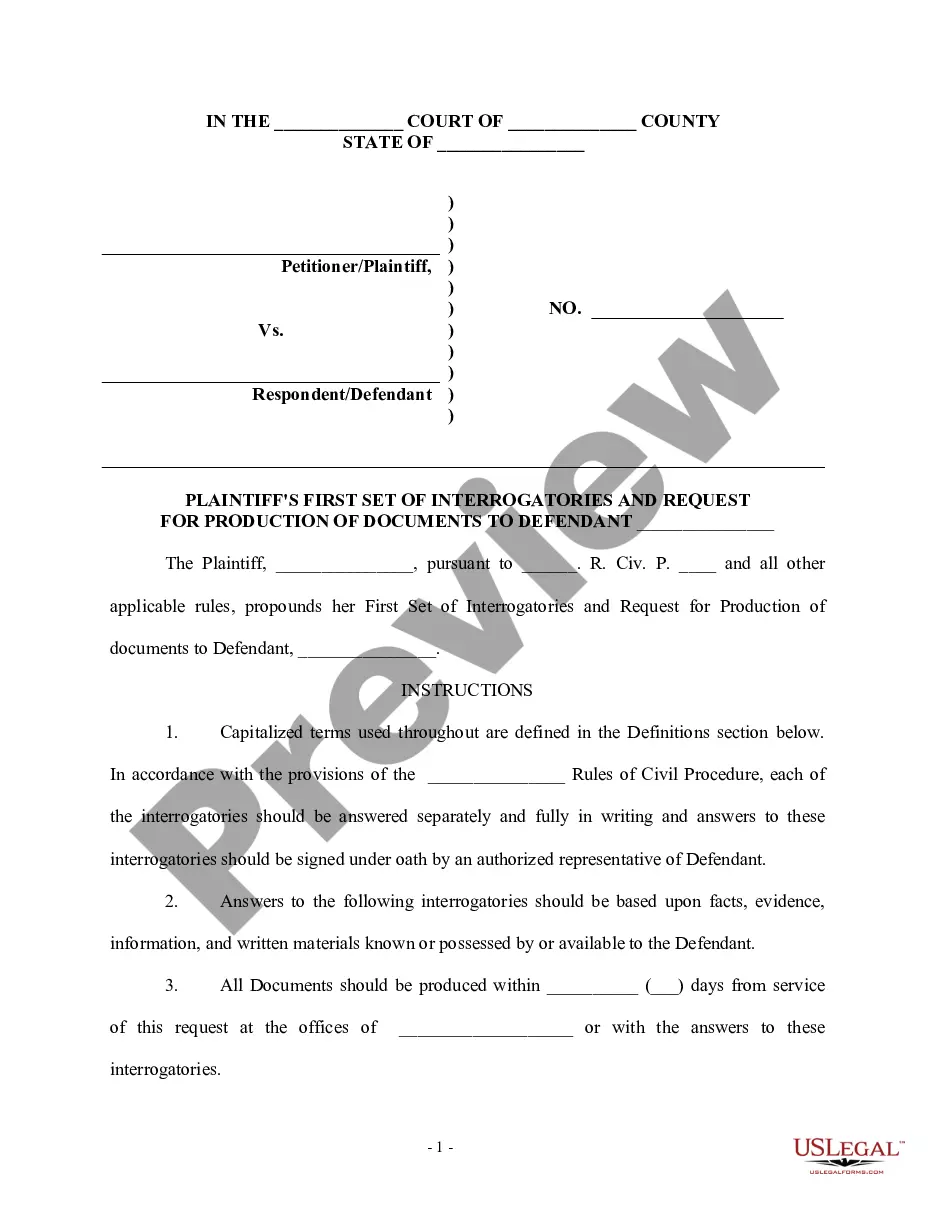
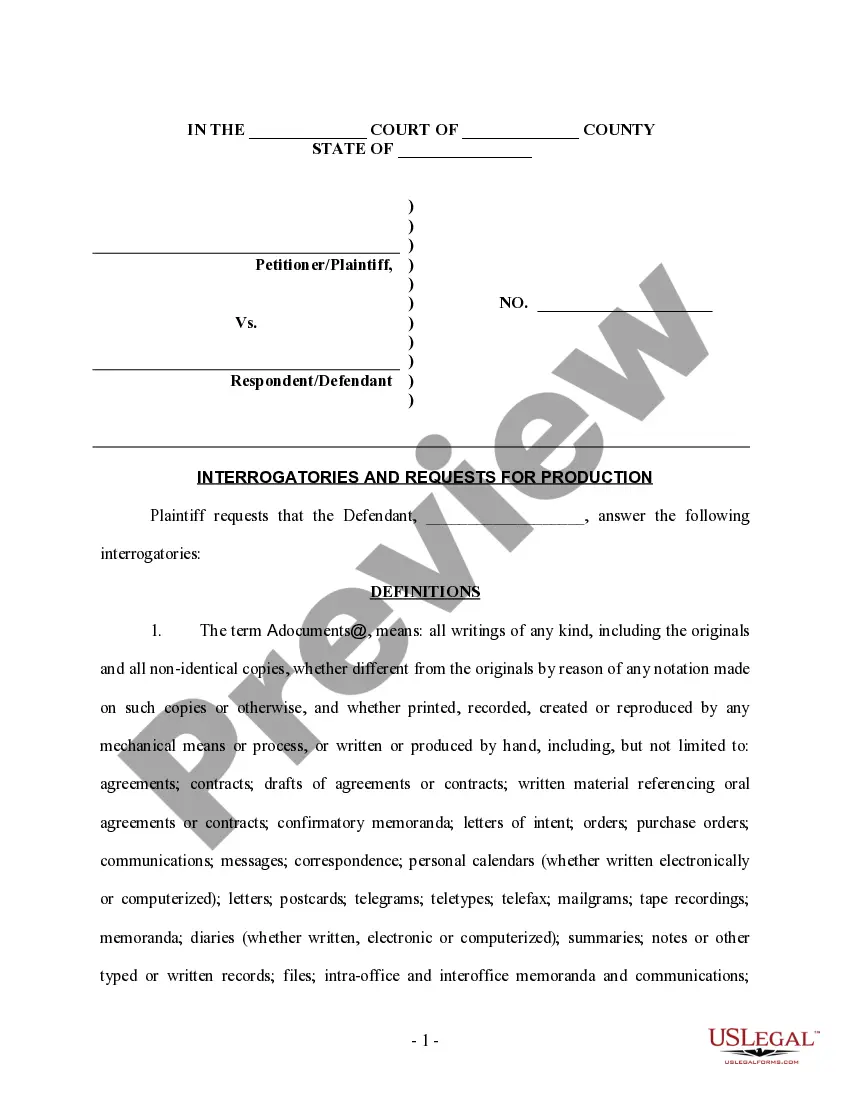
Get your form ready online
Our built-in tools help you complete, sign, share, and store your documents in one place.
Make edits, fill in missing information, and update formatting in US Legal Forms—just like you would in MS Word.
Download a copy, print it, send it by email, or mail it via USPS—whatever works best for your next step.
Sign and collect signatures with our SignNow integration. Send to multiple recipients, set reminders, and more. Go Premium to unlock E-Sign.
If this form requires notarization, complete it online through a secure video call—no need to meet a notary in person or wait for an appointment.
We protect your documents and personal data by following strict security and privacy standards.

Make edits, fill in missing information, and update formatting in US Legal Forms—just like you would in MS Word.

Download a copy, print it, send it by email, or mail it via USPS—whatever works best for your next step.

Sign and collect signatures with our SignNow integration. Send to multiple recipients, set reminders, and more. Go Premium to unlock E-Sign.

If this form requires notarization, complete it online through a secure video call—no need to meet a notary in person or wait for an appointment.

We protect your documents and personal data by following strict security and privacy standards.
Looking for another form?








Form popularity
FAQ
Under the rules, once charges have formally been filed, the State has a period of fifteen days to turn over their initial discovery submission.
DISCOVERY OBJECTIONS A. Boilerplate or General Objections The parties shall not make nonspecific, boilerplate objections. The parties also shall not make General Objections that are not tied to a particular discovery request. Such objections will be summarily overruled.
The doctrine of discovery refers to a principle in public international law under which, when a nation “discovers” land, it directly acquires rights on that land.
Parties may obtain discovery regarding any matter, not privileged, that is relevant to the subject matter of the pending action, whether it relates to the claim or defense of the party seeking discovery or the claim or defense of any other party, including the existence, description, nature, custody, condition, and ...
Discovery is how you gather the evidence you will need to prove your case as plaintiff, or defeat the plaintiff's case as a defendant. You use discovery to find out things like: What the other side plans to say about an issue in your case.
A: Yes, if the pro se litigant is in any court other than small claims court (where you must seek leave of court to conduct depos or other discovery, whether you are pro se or have counsel). If you are the pro se litigant, you need to read and understand the entire set of procedural rules applicable to your case.
A motion for protective order does not automatically stay the deposition and the deposition shall proceed unless an order granting the motion is entered by the Court.
Parties wishing to keep confidential documents obtained or disclosed during discovery, including for attorneys' eyes only, may file a motion for protective order, with a proposed order, showing good cause for the relief requested.
Rule 30 (d)(1) limits a deposition to one day of seven hours unless otherwise authorized by the Court or stipulated by the parties.
The resulting order will protect specific information from disclosure in civil discovery.