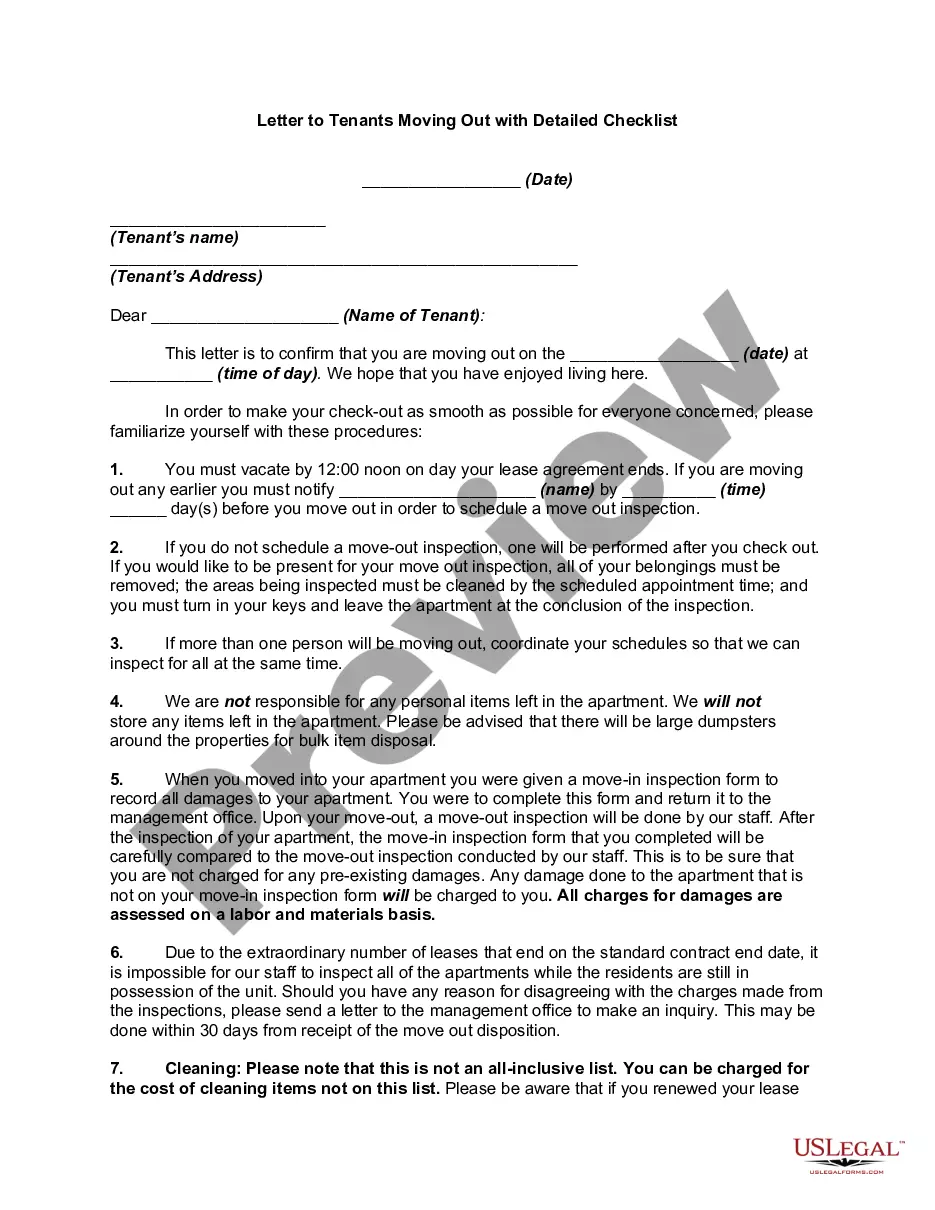
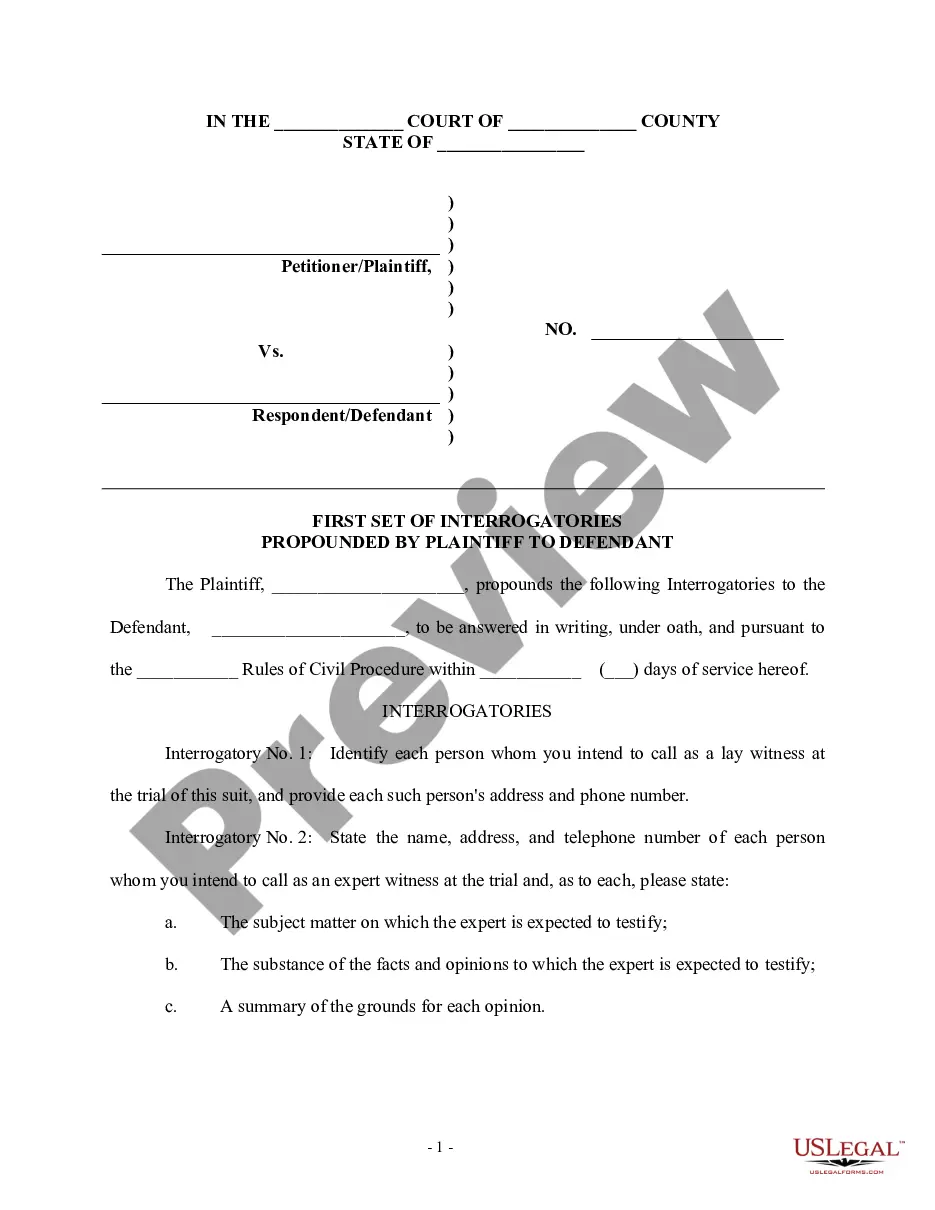
Notice Discovery Template For Product In Arizona
Description


Get your form ready online
Our built-in tools help you complete, sign, share, and store your documents in one place.
Make edits, fill in missing information, and update formatting in US Legal Forms—just like you would in MS Word.
Download a copy, print it, send it by email, or mail it via USPS—whatever works best for your next step.
Sign and collect signatures with our SignNow integration. Send to multiple recipients, set reminders, and more. Go Premium to unlock E-Sign.
If this form requires notarization, complete it online through a secure video call—no need to meet a notary in person or wait for an appointment.
We protect your documents and personal data by following strict security and privacy standards.

Make edits, fill in missing information, and update formatting in US Legal Forms—just like you would in MS Word.

Download a copy, print it, send it by email, or mail it via USPS—whatever works best for your next step.

Sign and collect signatures with our SignNow integration. Send to multiple recipients, set reminders, and more. Go Premium to unlock E-Sign.

If this form requires notarization, complete it online through a secure video call—no need to meet a notary in person or wait for an appointment.

We protect your documents and personal data by following strict security and privacy standards.
Looking for another form?









Form popularity
FAQ
Arizona adopts the discovery rule. This means that if you did not reasonably discover your injury immediately, the statute of limitations begins upon discovery. For example, suppose you went to the doctor for a surgery and experienced pain afterward.
The good faith requirement of Rule 37(f) means that a party is not permitted to exploit the routine operation of an information system to thwart discovery obligations by allowing that operation to continue in order to destroy specific stored information that it is required to preserve.
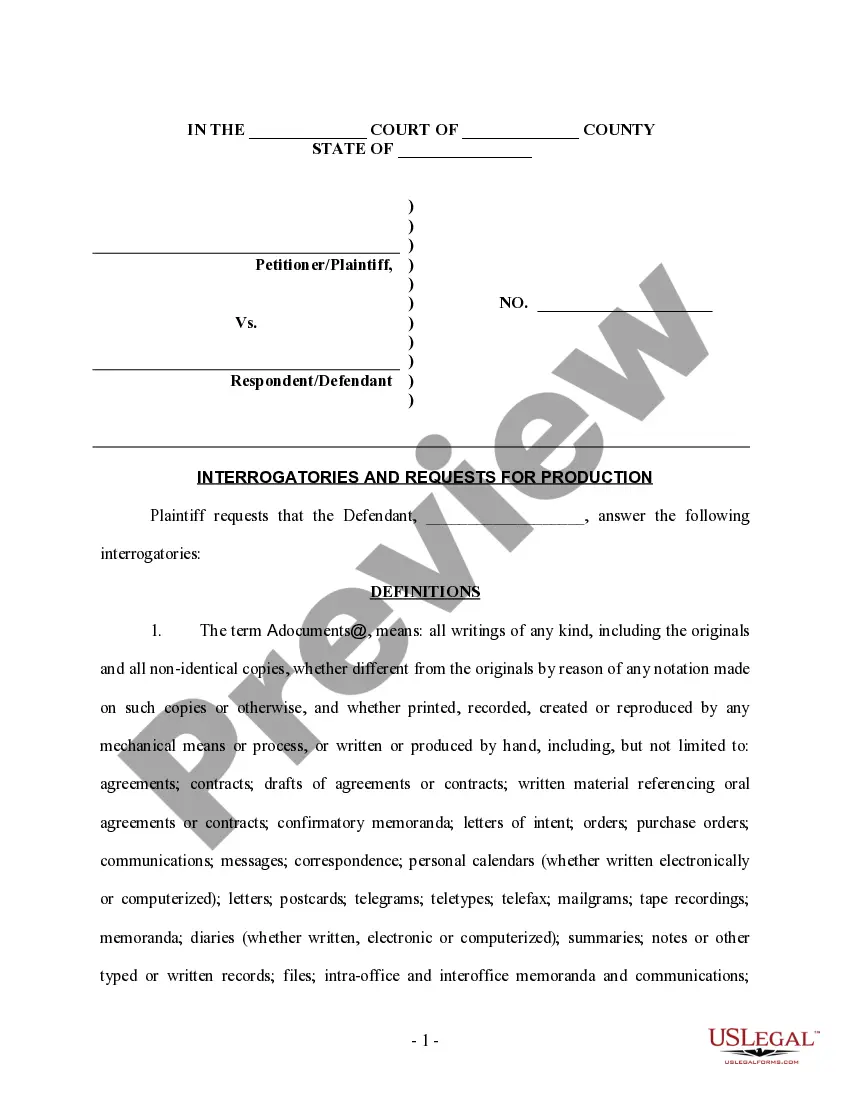
Discovery requests typically follow a common format that you can mirror. First, list instructions detailing the request for production. Be sure to mention Rule 34 and Rule 26(b), which outline the scope of the discovery request. It's also necessary to include a section with definitions.
Good faith is a broad term that's used to encompass honest dealing. Depending on the exact setting, good faith may require an honest belief or purpose, faithful performance of duties , observance of fair dealing standards, or an absence of fraudulent intent .
A golden rule letter is a letter to the other side, in which you outline the discovery disputes that you have with them (not answering discovery requests, objections to discovery requests that you think are not well taken, etc.).
Rule 37-Failure to Make or Cooperate in Discovery: Sanctions. (a) Motion for Order Compelling Disclosure or Discovery. A party, upon reasonable notice to other parties and all persons affected thereby, may apply for an order compelling disclosure or discovery as follows: (1) Appropriate Court.
In Arizona, a Rule 69 agreement is a device designed to help divorcing spouses resolve many of their differences out of court. A Rule 69 agreement is a plan that can effectively settle various matters relevant to a divorce.
ARIZONA RULES OF CIVIL PROCEDURE RULE 26.2 The amount of discovery a party may take is limited by the tier to which their case is assigned. In addition, the days in which discovery is to be completed is limited by the tier to which their case is assigned.
If a party obtains or discovers information that it knows or reasonably should know is relevant to a hearing or deposition scheduled to occur in less than 30 days, the party must disclose such information reasonably in advance of the hearing or deposition.