Corporate Resolution Form Pdf In Harris
Description

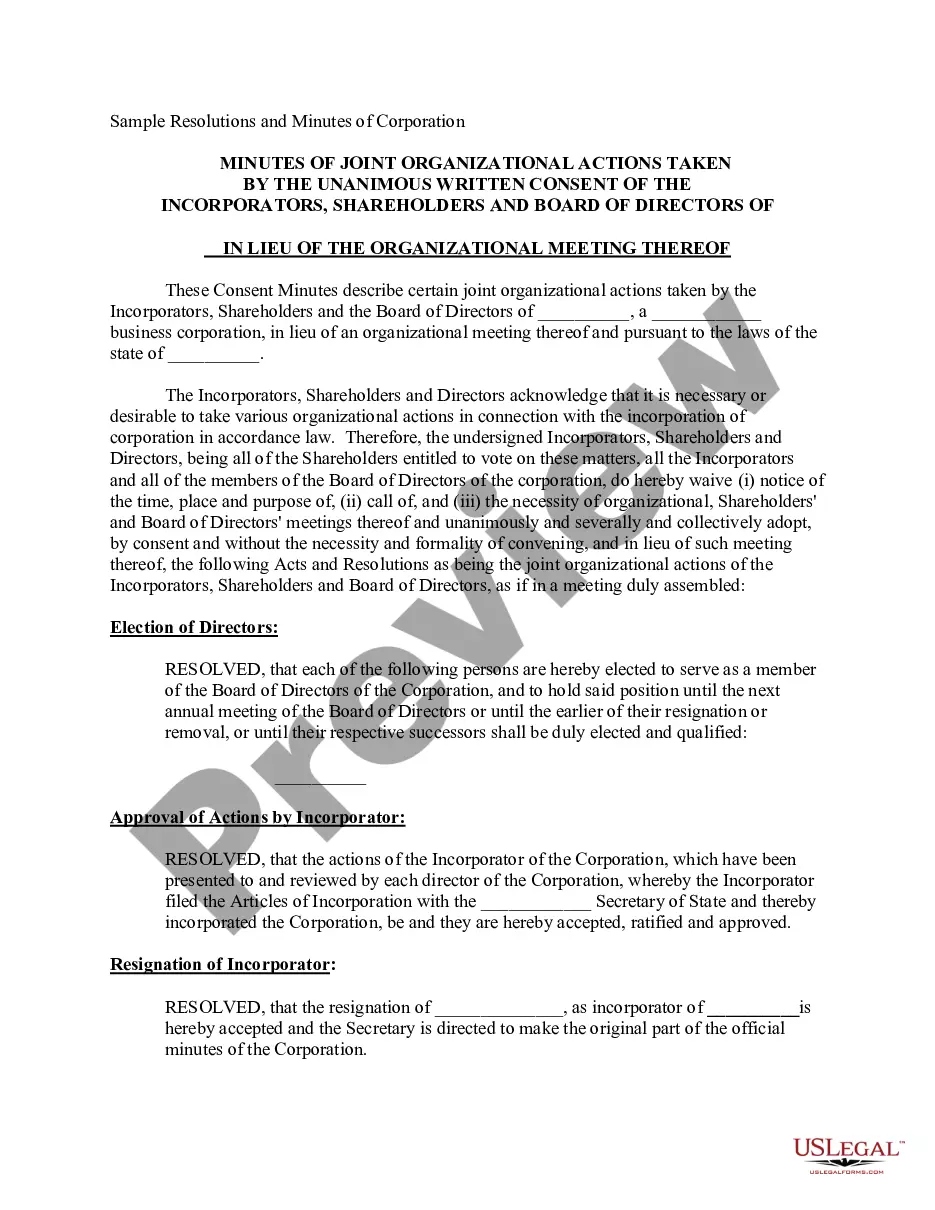
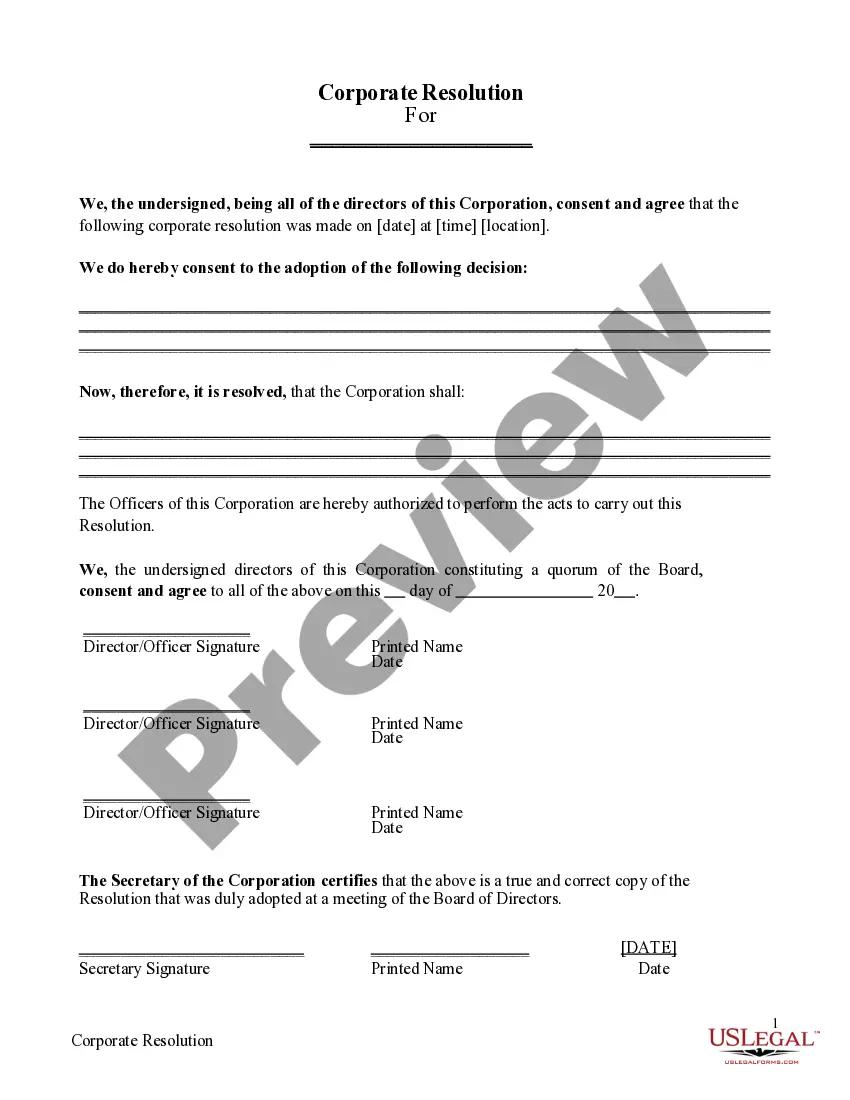
Get your form ready online
Our built-in tools help you complete, sign, share, and store your documents in one place.
Make edits, fill in missing information, and update formatting in US Legal Forms—just like you would in MS Word.
Download a copy, print it, send it by email, or mail it via USPS—whatever works best for your next step.
Sign and collect signatures with our SignNow integration. Send to multiple recipients, set reminders, and more. Go Premium to unlock E-Sign.
If this form requires notarization, complete it online through a secure video call—no need to meet a notary in person or wait for an appointment.
We protect your documents and personal data by following strict security and privacy standards.

Make edits, fill in missing information, and update formatting in US Legal Forms—just like you would in MS Word.

Download a copy, print it, send it by email, or mail it via USPS—whatever works best for your next step.

Sign and collect signatures with our SignNow integration. Send to multiple recipients, set reminders, and more. Go Premium to unlock E-Sign.

If this form requires notarization, complete it online through a secure video call—no need to meet a notary in person or wait for an appointment.

We protect your documents and personal data by following strict security and privacy standards.
Looking for another form?





Form popularity
FAQ
A resolution is a formal way in which a company can note decisions that are made at a meeting of company members. There are two types of resolutions: ordinary and special. Under the Corporations Act 2001, most of the decisions that affect a company need to be made by a resolution.
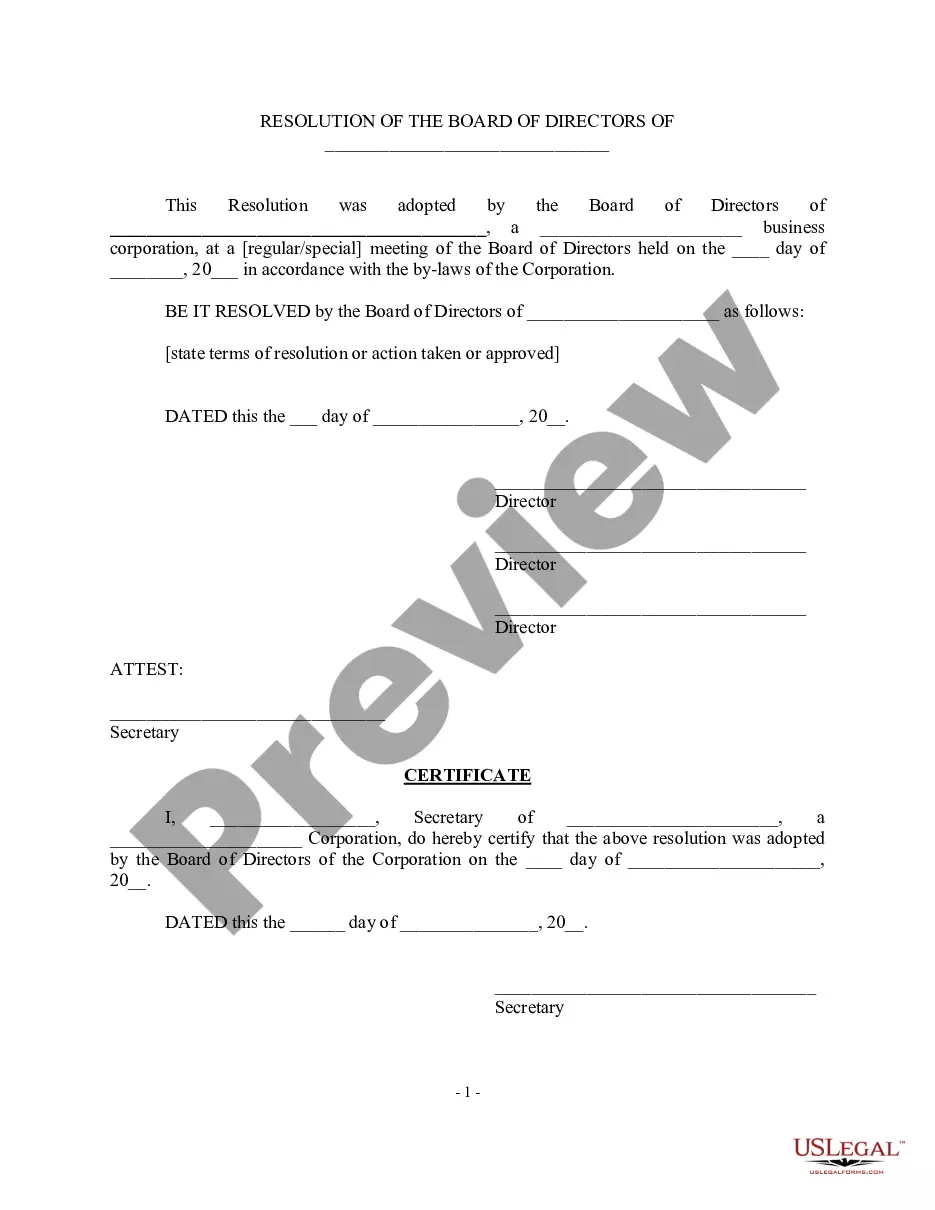
Corporate resolutions are formal documents that record major decisions made by a company's board of directors or its shareholders.
Yes, shareholders can file corporate resolutions. Generally, it will be circulated among board members before a meeting. Then a motion will be added to the meeting agenda, and everyone can vote on whether or not to enact it. If the resolution is approved, it will be signed and filed away.
A resolution is a formal way in which a company can note decisions that are made at a meeting of company members. There are two types of resolutions: ordinary and special. Under the Corporations Act 2001, most of the decisions that affect a company need to be made by a resolution.
What is a corporate signing authority resolution? The corporate resolution for signing authority permits certain corporate executives with legal standing to sign contracts on the corporation's behalf.
There are now just two types of resolution, ordinary resolutions (passed by a simple majority) and special resolutions (passed by a 75% majority).
Corporate resolution examples include everything from authorizations for financial transactions and mergers to partnership approval, adoption of new bylaws, and executive compensation decisions.
How to write a corporate resolution Hold a board meeting. Board members typically create corporate resolutions at their board meetings to summarize what they discussed. Include introductory elements. Write a statement of consent. List the resolutions. Conclude with a statement of resolution. Proofread the document.
How to fill out a resolution of the board of directors? Date, time, and location of the meeting. Title that describes the board's decision to be made. Statement of majority or unanimous decision. Resolution of the decision, including any necessary actions. Officers responsible for carrying out the resolution.
Examples of board resolutions include appointing or removing a board member, amending the company's articles of association, or formal changes to board roles, contracts, and policies.