Corporate Insolvency Resolution Process With Example In Collin
Description

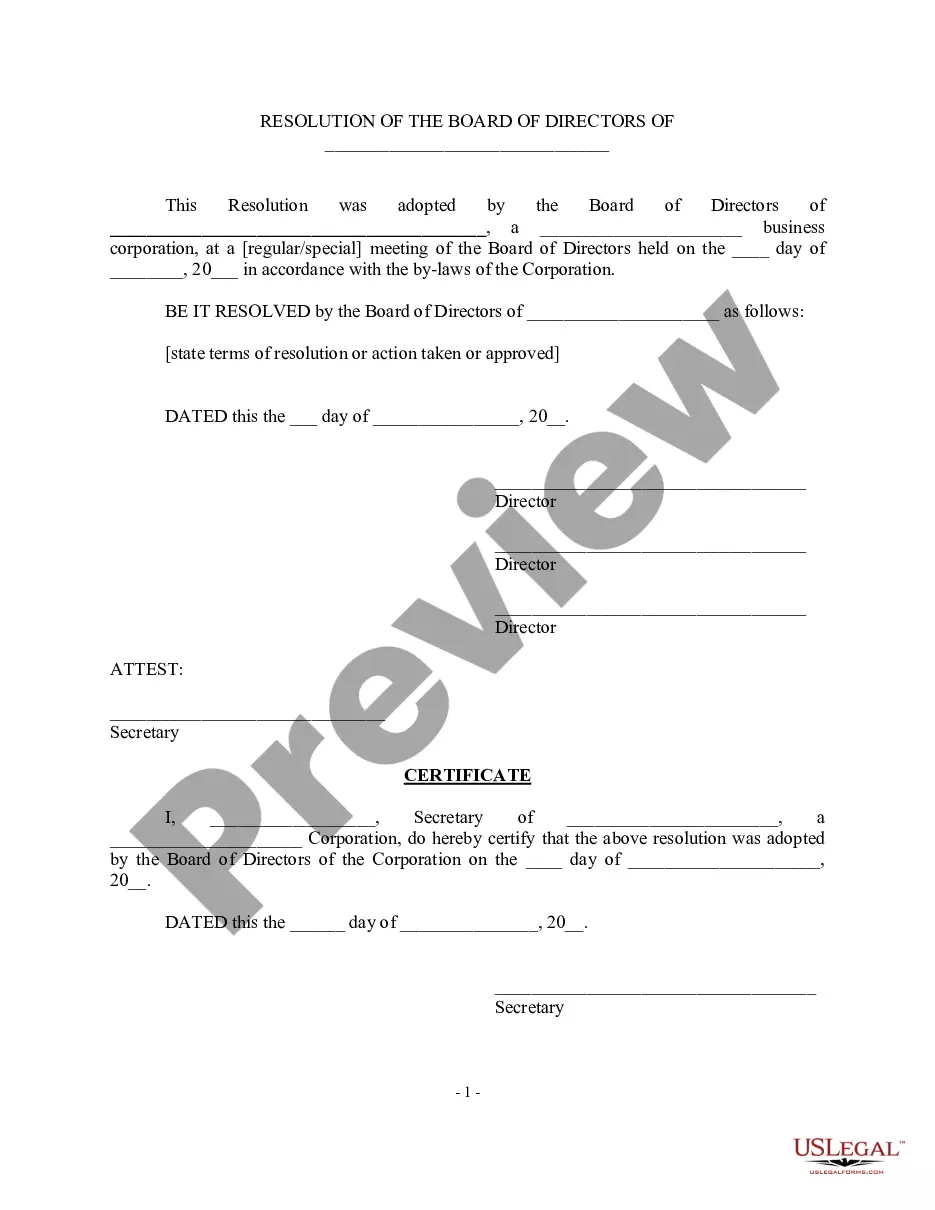
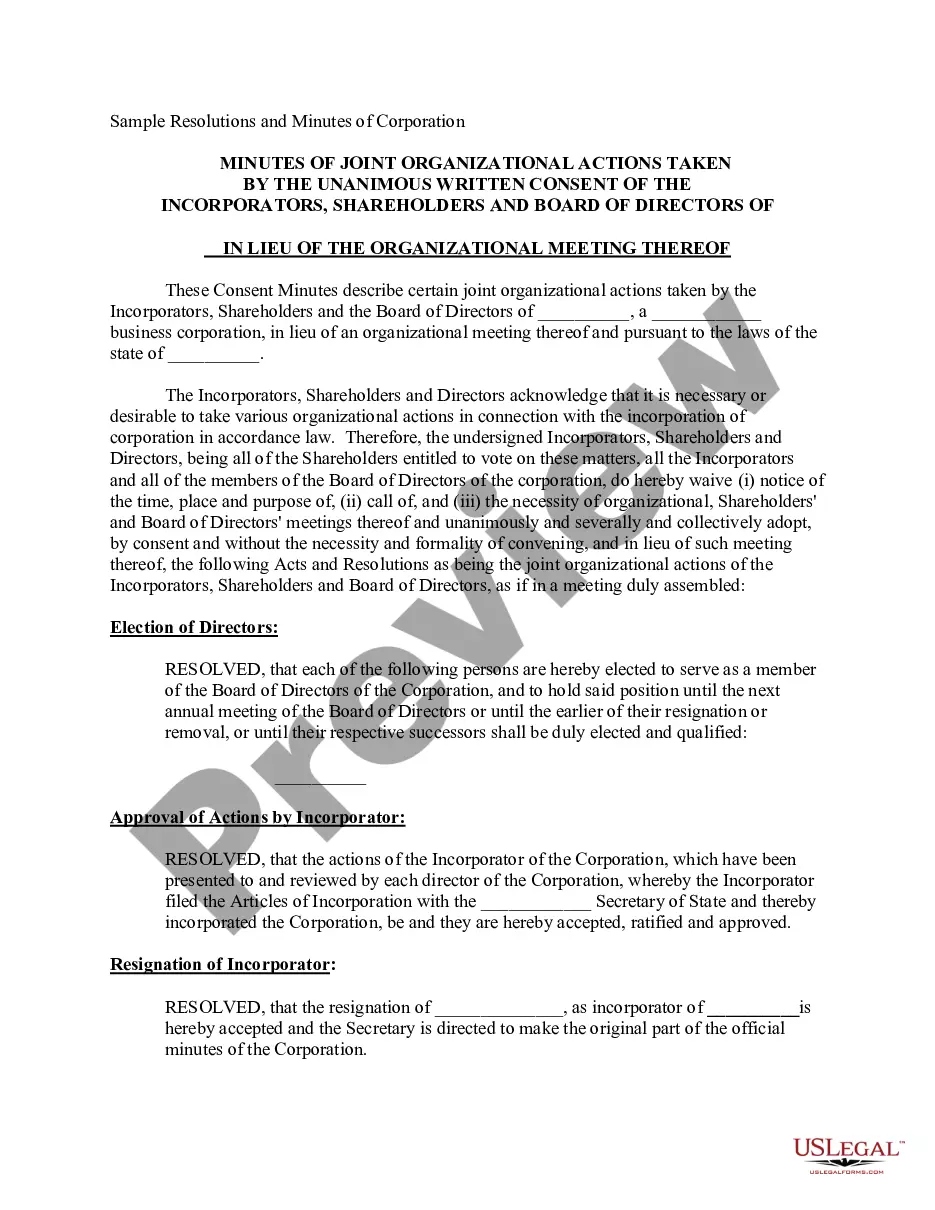
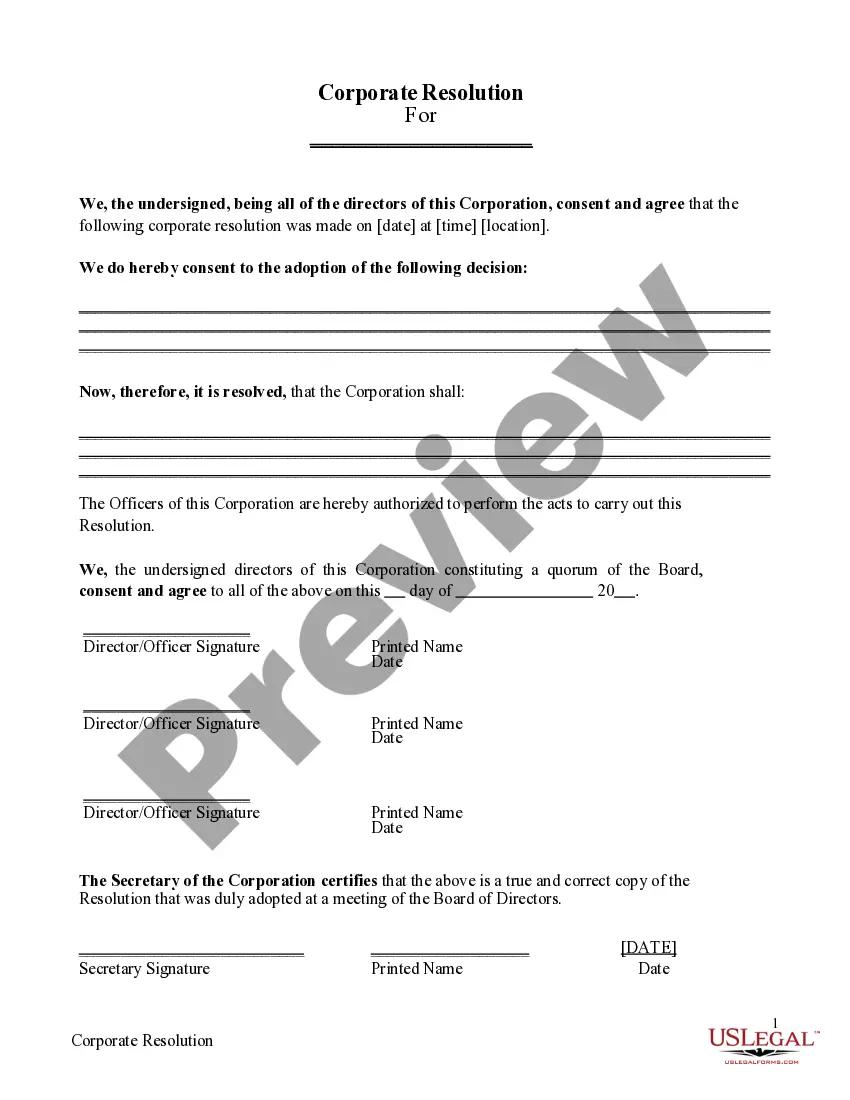
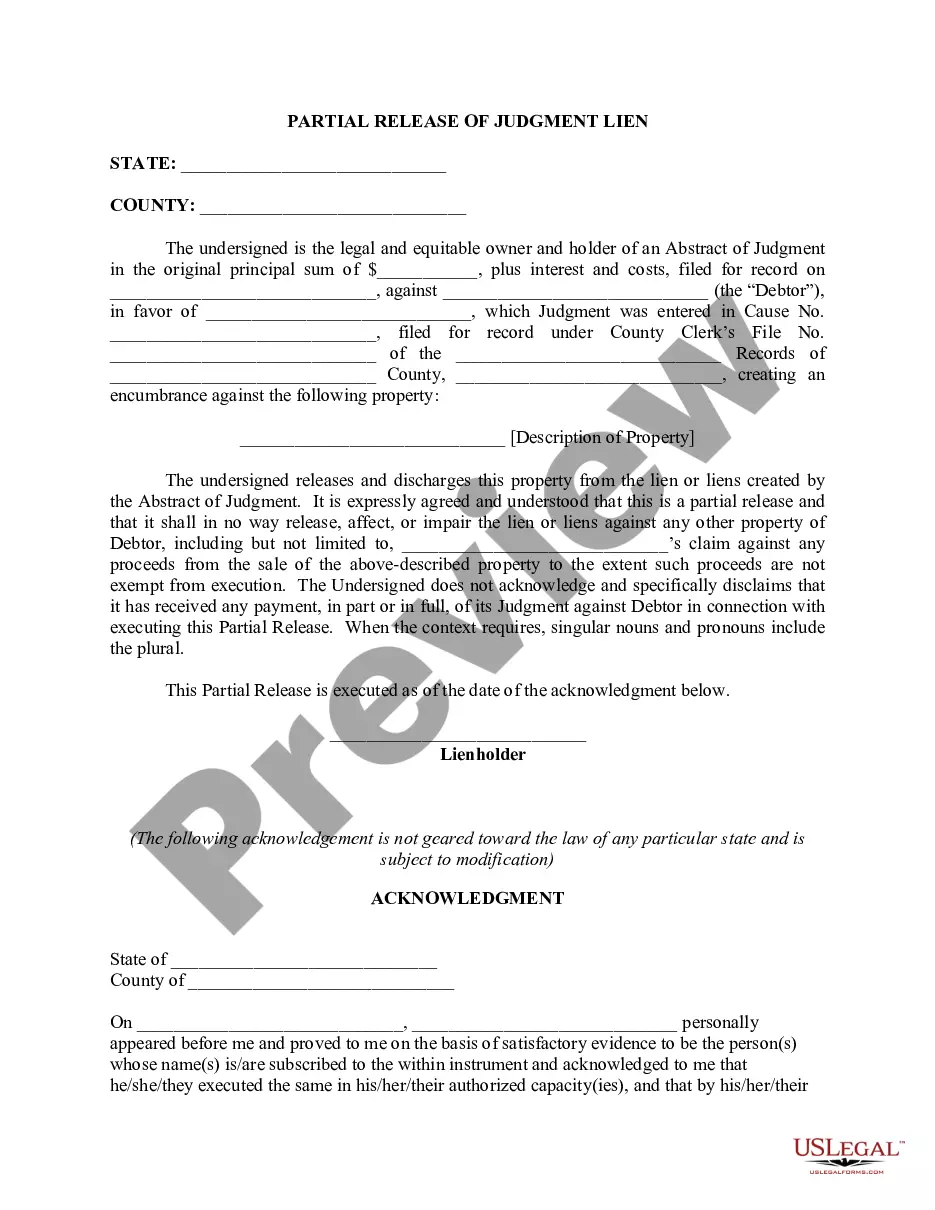
Get your form ready online
Our built-in tools help you complete, sign, share, and store your documents in one place.
Make edits, fill in missing information, and update formatting in US Legal Forms—just like you would in MS Word.
Download a copy, print it, send it by email, or mail it via USPS—whatever works best for your next step.
Sign and collect signatures with our SignNow integration. Send to multiple recipients, set reminders, and more. Go Premium to unlock E-Sign.
If this form requires notarization, complete it online through a secure video call—no need to meet a notary in person or wait for an appointment.
We protect your documents and personal data by following strict security and privacy standards.

Make edits, fill in missing information, and update formatting in US Legal Forms—just like you would in MS Word.

Download a copy, print it, send it by email, or mail it via USPS—whatever works best for your next step.

Sign and collect signatures with our SignNow integration. Send to multiple recipients, set reminders, and more. Go Premium to unlock E-Sign.

If this form requires notarization, complete it online through a secure video call—no need to meet a notary in person or wait for an appointment.

We protect your documents and personal data by following strict security and privacy standards.
Looking for another form?





Form popularity
FAQ
CIRP is the process through which it is determined whether the person who has defaulted is capable of repayment or not (IRPs will evaluate the assets and liabilities to determine the repayment capability). If a person is not capable of repaying the debt the company is restructured or liquidated.
Corporate Bankruptcy For corporations, the assets and liabilities primarily belong to the legal entity. In this case, the business goes bankrupt, not the individual. The legal structure of a corporation protects the individual's assets in a Bankruptcy proceeding.
A CVA is an insolvency procedure that allows a company to agree with its creditors about how a company's debts should be dealt with. A CVA can be set up when a company is in liquidation or in administration, as well as at any other time. It can be proposed by: the administrator, where the company is in administration.
The Corporate Insolvency Resolution Process ('CIRP') is a recovery mechanism for the creditors of a corporate debtor. A corporate debtor means a company or Limited Liability Partnership ('LLP') that owes a debt to its creditors.
Insolvency procedures generally require two elements. The first is a legal framework that sets forth the rights and obligations of participants, both substantively and procedurally. The second is an institutional framework that will implement these rights and obligations.
CIRP is the process through which it is determined whether the person who has defaulted is capable of repayment or not (IRPs will evaluate the assets and liabilities to determine the repayment capability). If a person is not capable of repaying the debt the company is restructured or liquidated.
CIRP is fundamentally concluded in six stages, keeping variable factors constant. The stages are as follows: Stage 1 - Petition to the NCLT: When a company defaults in furnishing payments to its creditors, as discussed above, the creditors hold a right to bring forward a CIRP petition before the Adjudicating Authority.
A growing number of companies in the country are affected by insolvency and redundancy. Repossessions, bankruptcies and insolvencies are almost certain to continue to rise. The company has asked a court to begin insolvency proceedings.
