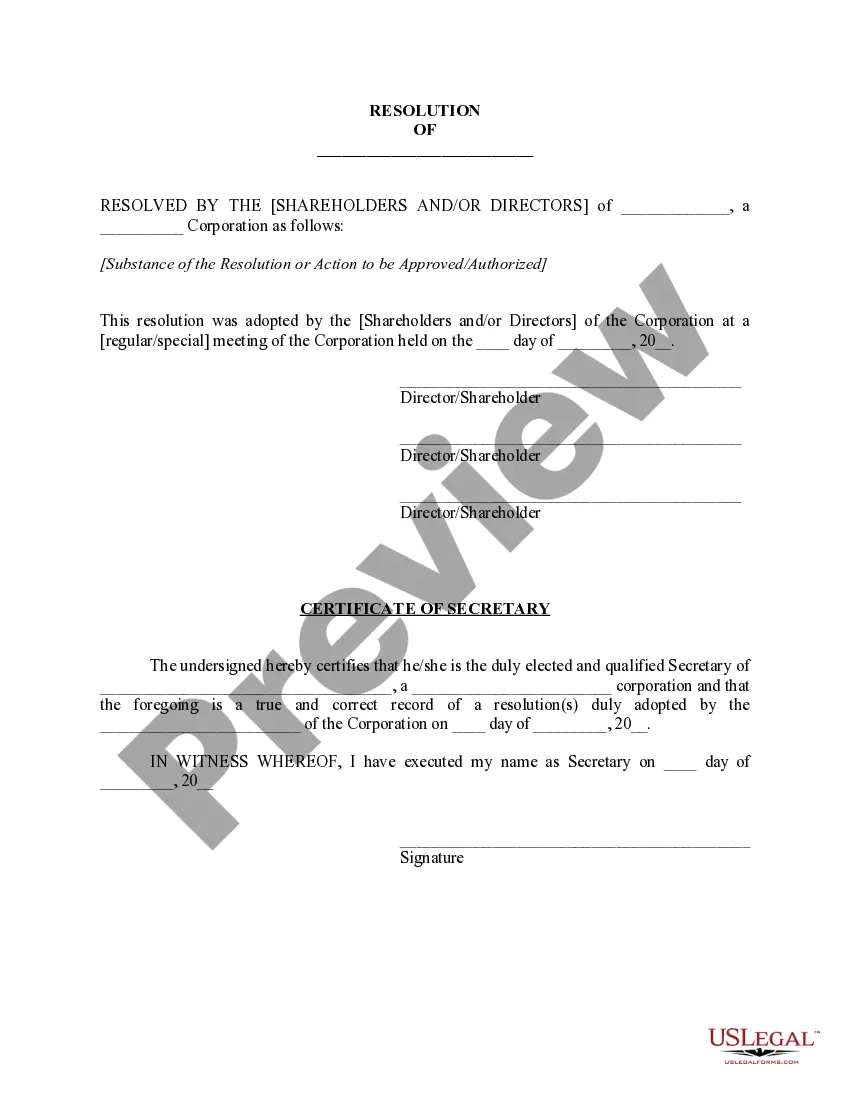
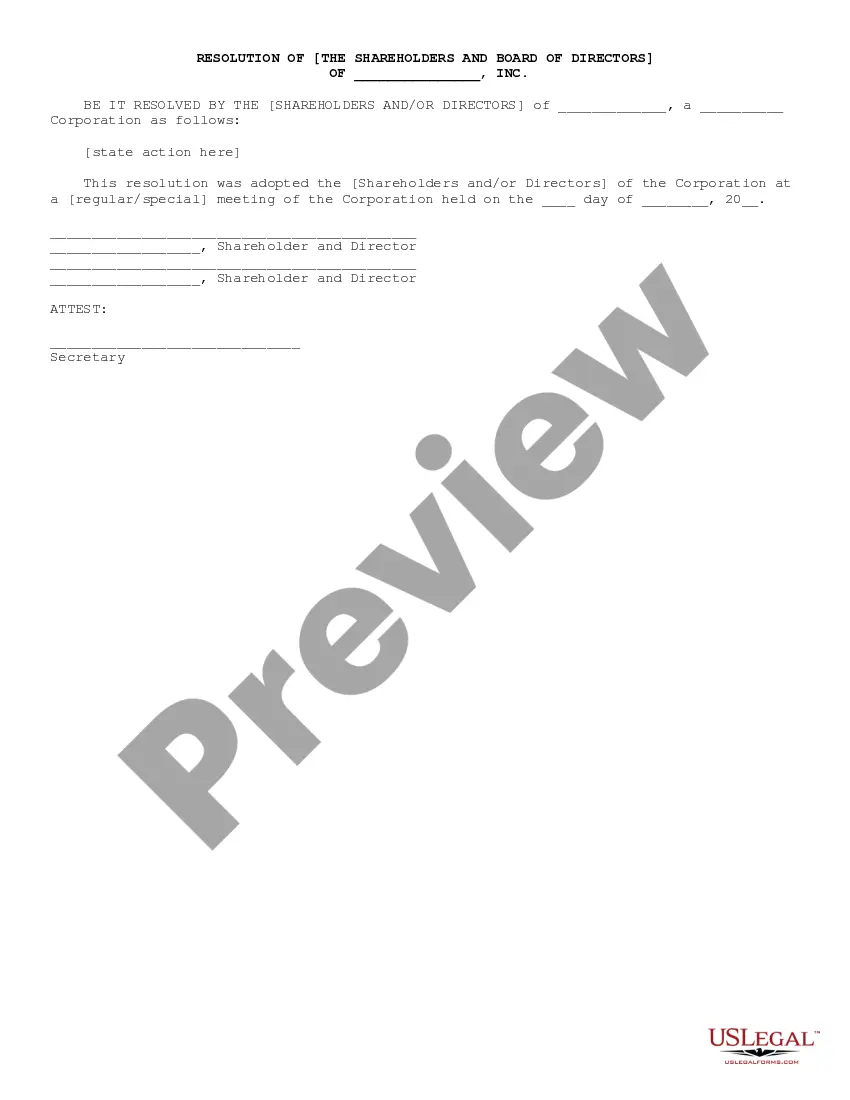
Non Profit Board Resolution Template With Sponsorship In Palm Beach
Description


Get your form ready online
Our built-in tools help you complete, sign, share, and store your documents in one place.
Make edits, fill in missing information, and update formatting in US Legal Forms—just like you would in MS Word.
Download a copy, print it, send it by email, or mail it via USPS—whatever works best for your next step.
Sign and collect signatures with our SignNow integration. Send to multiple recipients, set reminders, and more. Go Premium to unlock E-Sign.
If this form requires notarization, complete it online through a secure video call—no need to meet a notary in person or wait for an appointment.
We protect your documents and personal data by following strict security and privacy standards.

Make edits, fill in missing information, and update formatting in US Legal Forms—just like you would in MS Word.

Download a copy, print it, send it by email, or mail it via USPS—whatever works best for your next step.

Sign and collect signatures with our SignNow integration. Send to multiple recipients, set reminders, and more. Go Premium to unlock E-Sign.

If this form requires notarization, complete it online through a secure video call—no need to meet a notary in person or wait for an appointment.

We protect your documents and personal data by following strict security and privacy standards.
Looking for another form?





Form popularity
FAQ
In addition to 501(c)(3) organizations, 501(c)(3) nonprofits can also donate to 501(c)(4) organizations. These contributions must be used for charitable purposes, and no amount can be used for political activities.
Usually, fiscal sponsorships occur between two organizations doing similar work. However, any 501(c)(3) can serve as a fiscal sponsor for any other non-profit. Fiscal sponsorship can be both a long and short-term arrangement.
Being a Sponsor. Any project/organization that you fiscally sponsor must be nonprofit/charitable in nature, not engaged in anything that would endanger your own 501(c)(3) status, and be doing work that is in line with your own mission statement.
How to Write a Board Resolution (Step-by-Step) Establish Resolution Title. The resolution title should capture the board's name and a concise statement about the issue you want to record. Document Resolution. Use formal language to record the resolutions. Document Board of Director Votes.
Exemption requirements - 501(c)(3) organizations In addition, it may not be an action organization, i.e., it may not attempt to influence legislation as a substantial part of its activities and it may not participate in any campaign activity for or against political candidates.
A board resolution, though not a legal document, is formal and the decisions made by the board are legally binding.
How to write a board resolution Put the date and resolution number at the top. Give the resolution a title that relates to the decision. Use formal language. Continue writing out each critical statement. Wrap up the heart of the resolution in the last statement.
Resolutions begin with "Whereas" statements, which provides the basic facts and reasons for the resolution, and conclude with "Resolved" statements which, identifies the specific proposal for the requestor's course of action.