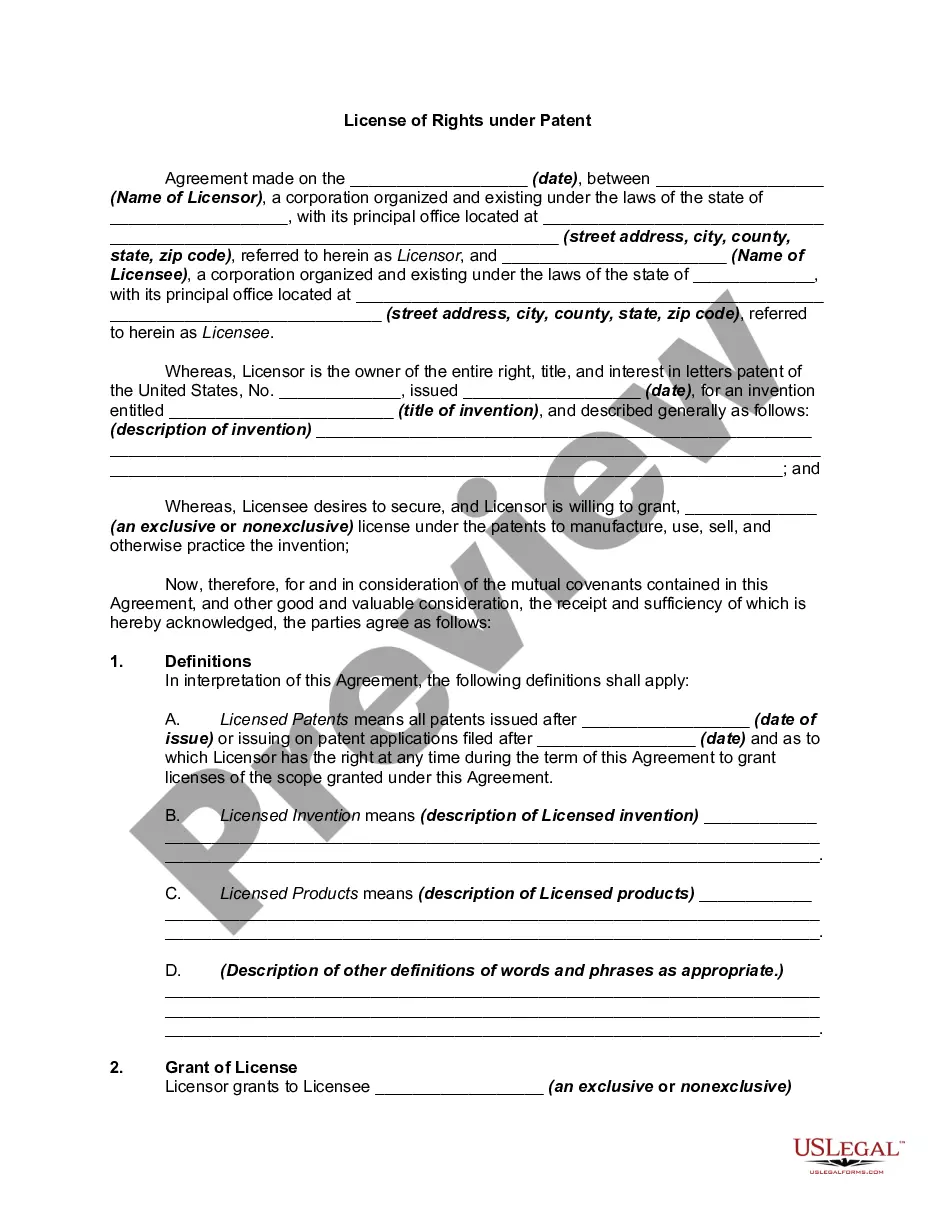
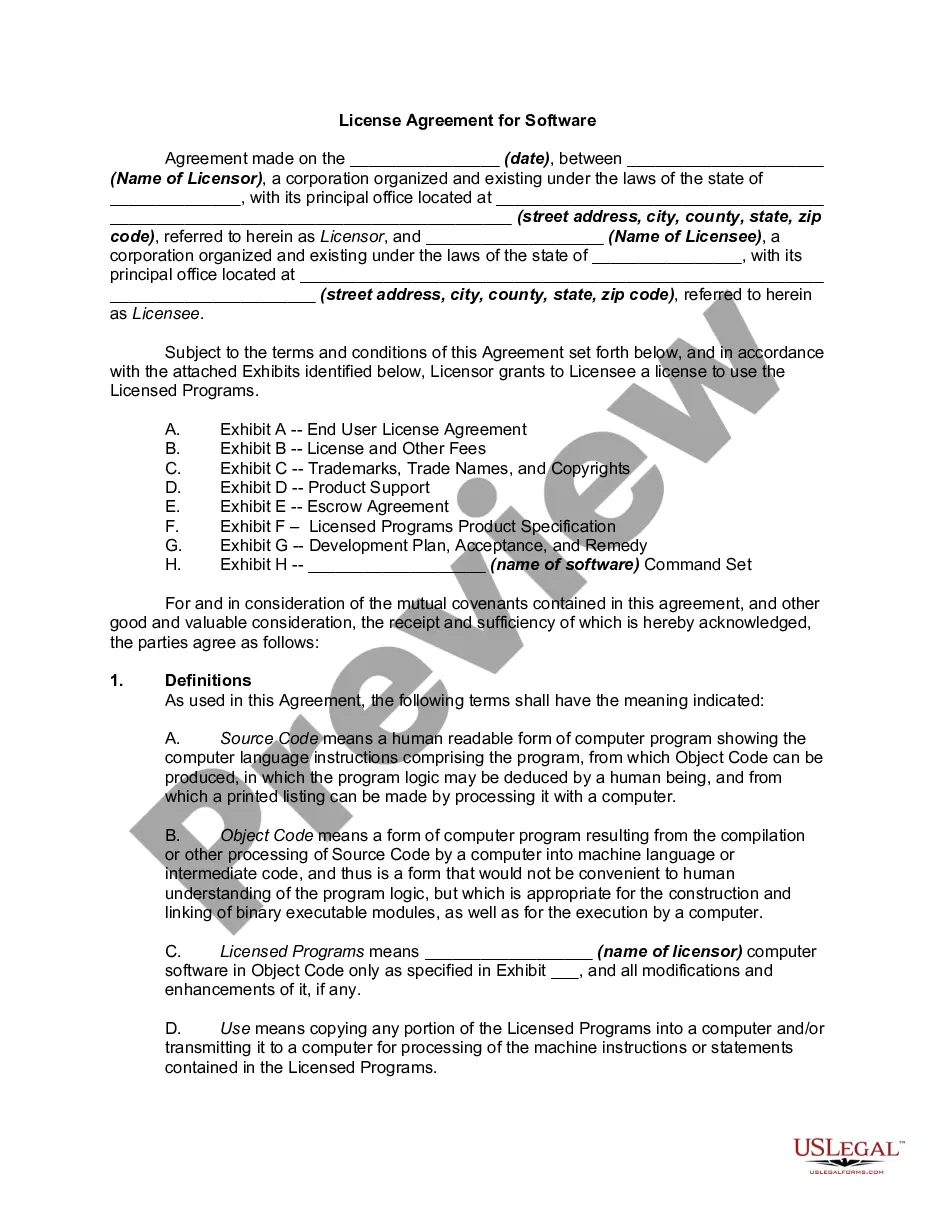
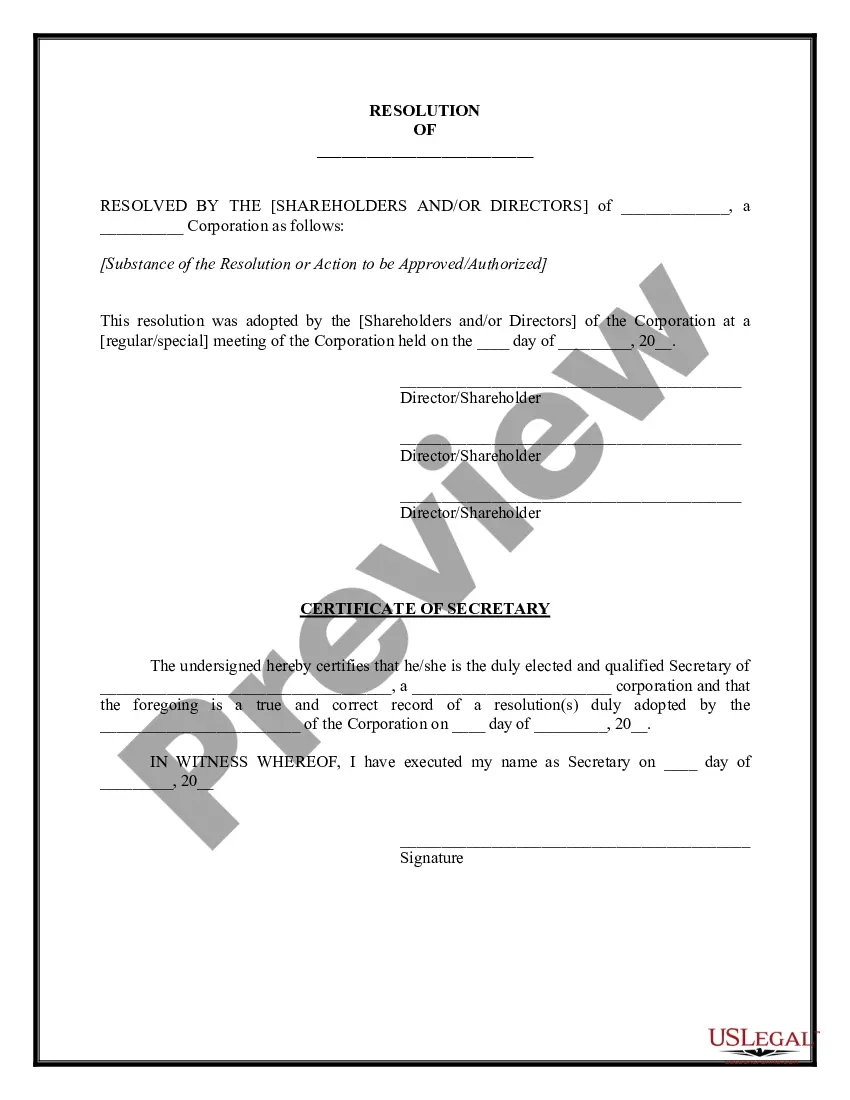
Non Profit Resolution Template Forgiveness In Minnesota
Description
Get your form ready online
Our built-in tools help you complete, sign, share, and store your documents in one place.
Make edits, fill in missing information, and update formatting in US Legal Forms—just like you would in MS Word.
Download a copy, print it, send it by email, or mail it via USPS—whatever works best for your next step.
Sign and collect signatures with our SignNow integration. Send to multiple recipients, set reminders, and more. Go Premium to unlock E-Sign.
If this form requires notarization, complete it online through a secure video call—no need to meet a notary in person or wait for an appointment.
We protect your documents and personal data by following strict security and privacy standards.

Make edits, fill in missing information, and update formatting in US Legal Forms—just like you would in MS Word.

Download a copy, print it, send it by email, or mail it via USPS—whatever works best for your next step.

Sign and collect signatures with our SignNow integration. Send to multiple recipients, set reminders, and more. Go Premium to unlock E-Sign.

If this form requires notarization, complete it online through a secure video call—no need to meet a notary in person or wait for an appointment.

We protect your documents and personal data by following strict security and privacy standards.
Looking for another form?






Form popularity
FAQ
609.05 LIABILITY FOR CRIMES OF ANOTHER. A person is criminally liable for a crime committed by another if the person intentionally aids, advises, hires, counsels, or conspires with or otherwise procures the other to commit the crime.
Stat. ch. 317A. A nonprofit corporation's purpose and activities must serve the organization's mission to benefit the public, and may not be operated to profit other persons or entities.
Nonprofit organizations are required make their Form 990 and applications for tax-exempt status widely accessible and available to anyone who requests. File Form 990 by the 15th day of the 5th month after the organization's accounting period ends (May 15th for a calendar-year filer).
Board members that fail to follow a nonprofit's bylaws are in breach of their duty to the organization and may be held liable for their actions. In addition to being used internally, nonprofit bylaws are used by third parties to the organization, such as investors, landlords, and financial institutions.
When a court sentences a person who violates section 169A. 20 (driving while impaired) while having an alcohol concentration of 0.16 or more as measured at the time, or within two hours of the time, of the violation, the court may impose a penalty assessment of up to $1,000.
561.02 MALICIOUSLY MAINTAINED STRUCTURE. Any fence, or any other structure, maliciously ed or maintained for the purpose of annoying the owners or occupants of adjoining property shall be deemed a private nuisance.
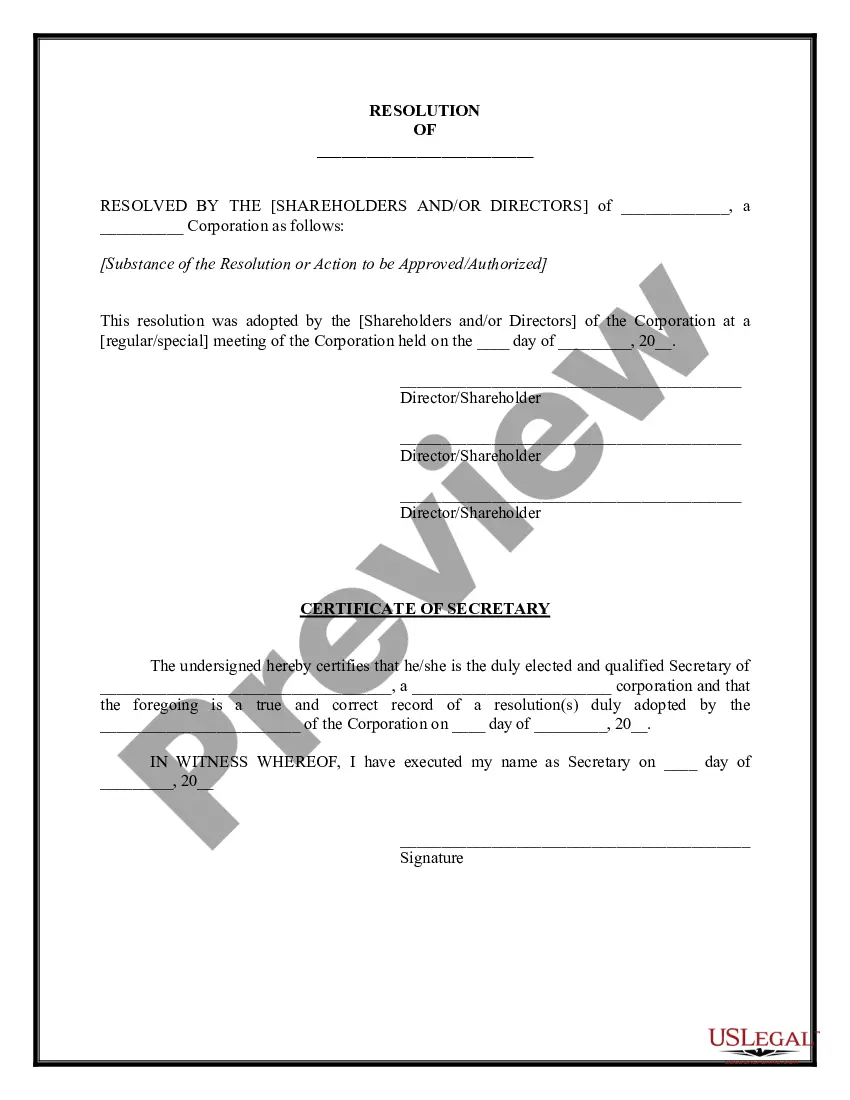
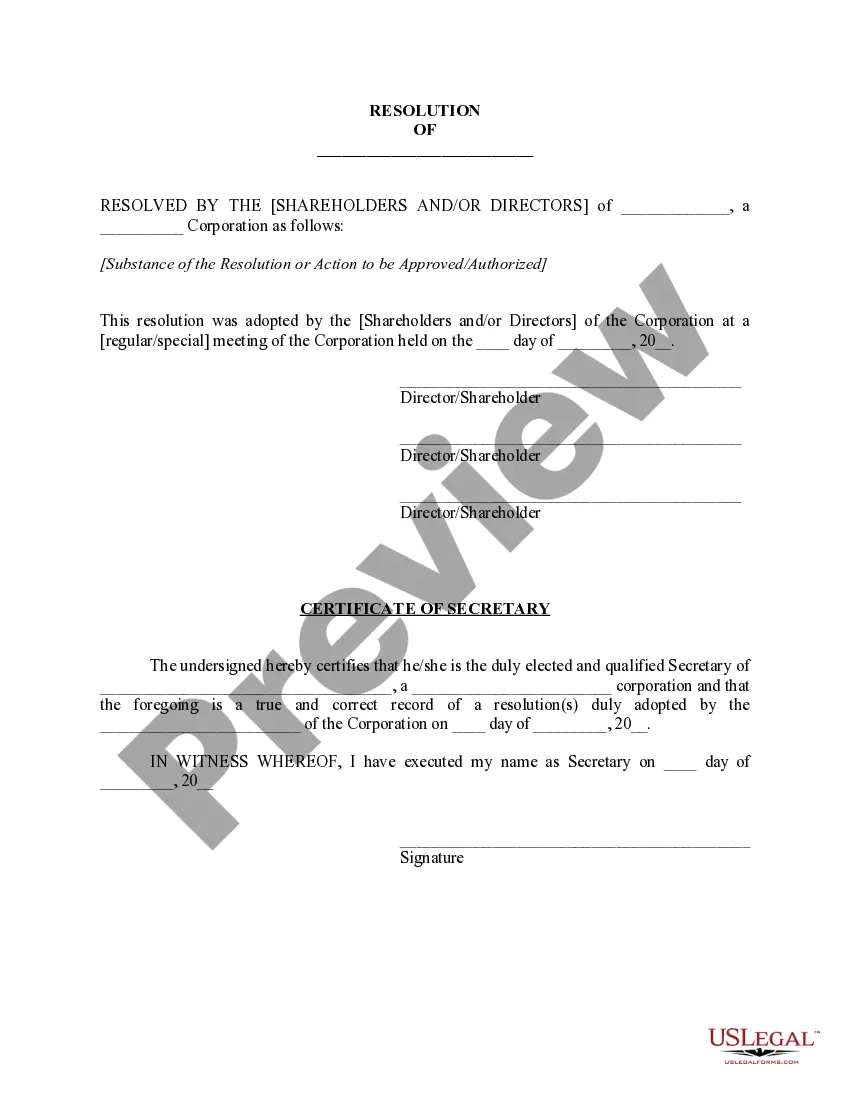
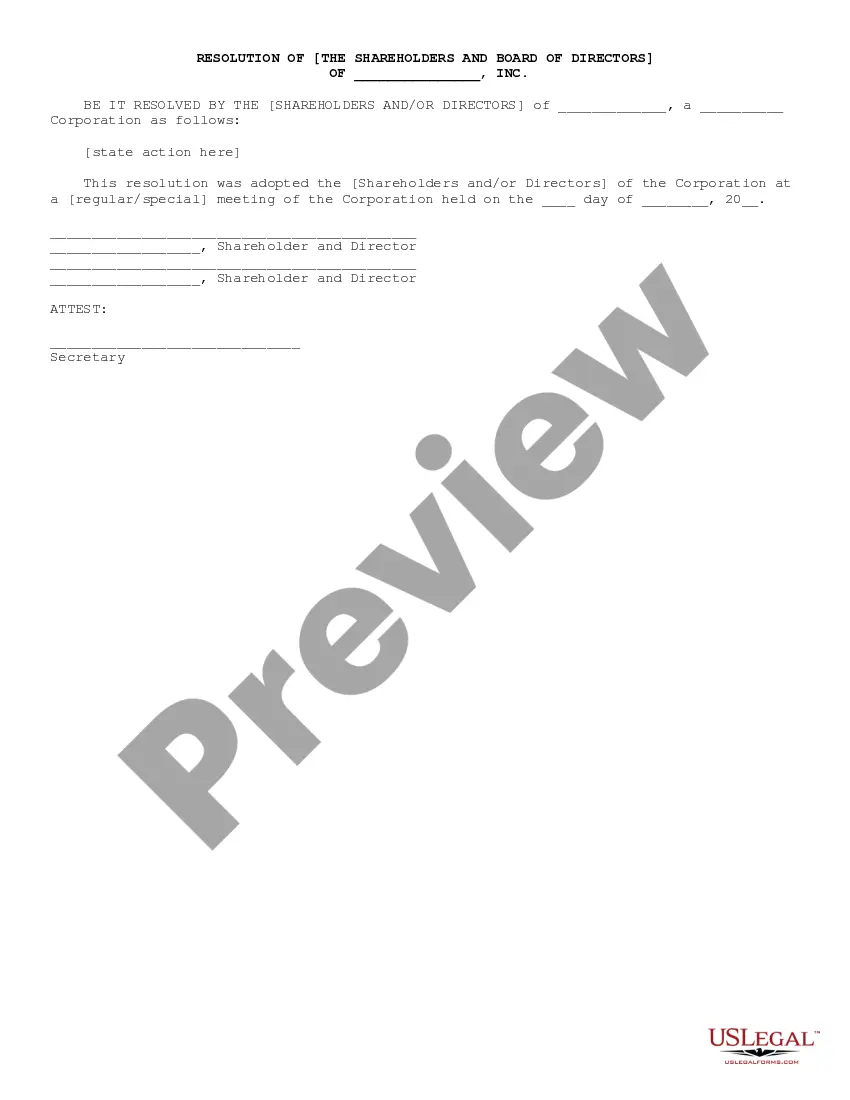
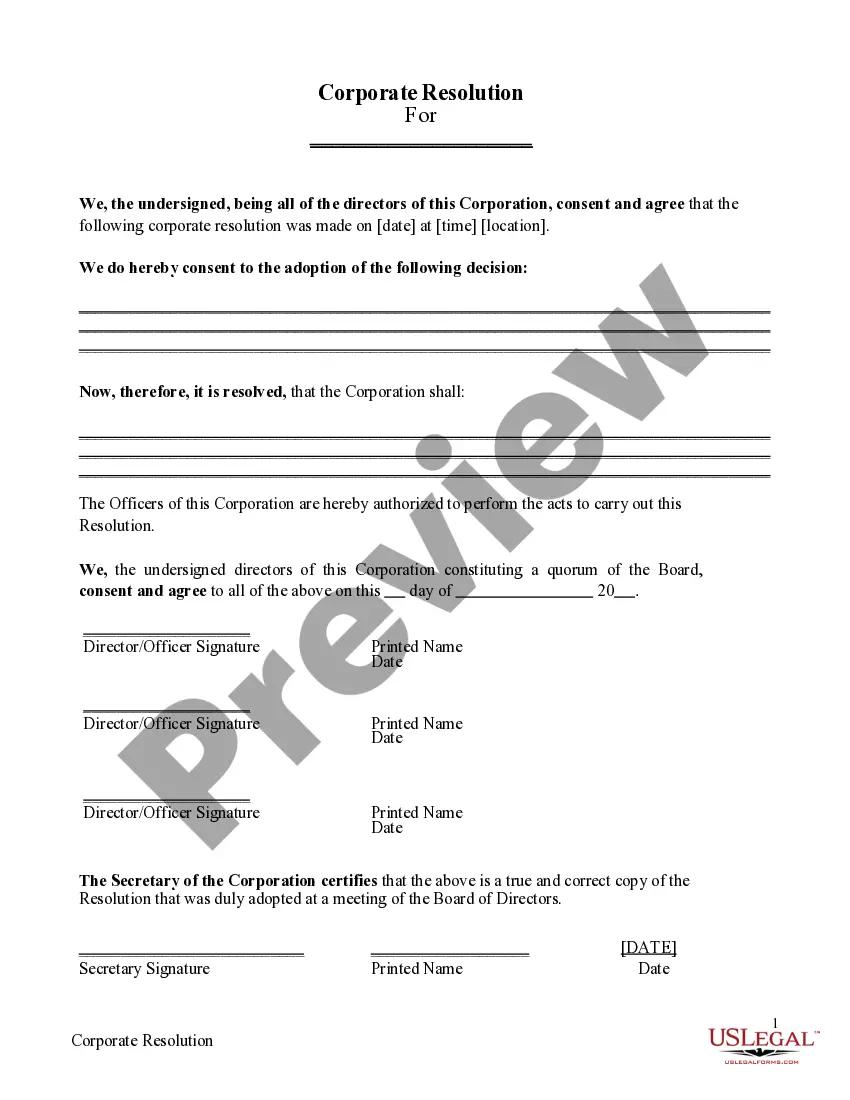
What Are the Components of a Nonprofit Board Resolution Template? The board meeting date. The number of the resolution. A title of the resolution. The resolution itself (what is being voted on) The name and vote of each voting member of the board. The Chairperson's name and signature.
Writing a strong resolution requires a balance of clarity, intention, and practicality. Start by being clear and specific about your goals. A vague resolution like ``I want to be healthier'' can easily lose focus.
7 steps for writing a resolution Put the date and resolution number at the top. Give the resolution a title that relates to the decision. Use formal language. Continue writing out each critical statement. Wrap up the heart of the resolution in the last statement.