Nonprofit Resolution Template For 501c3 In Illinois
Description
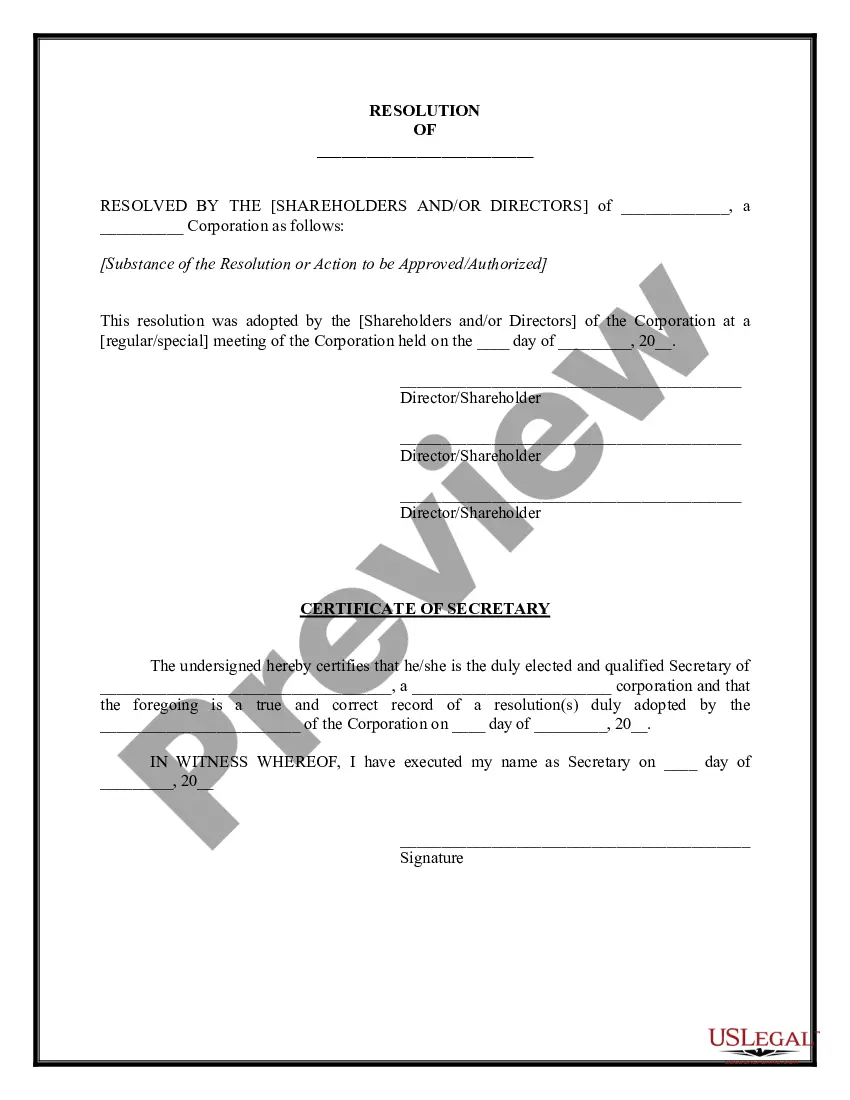
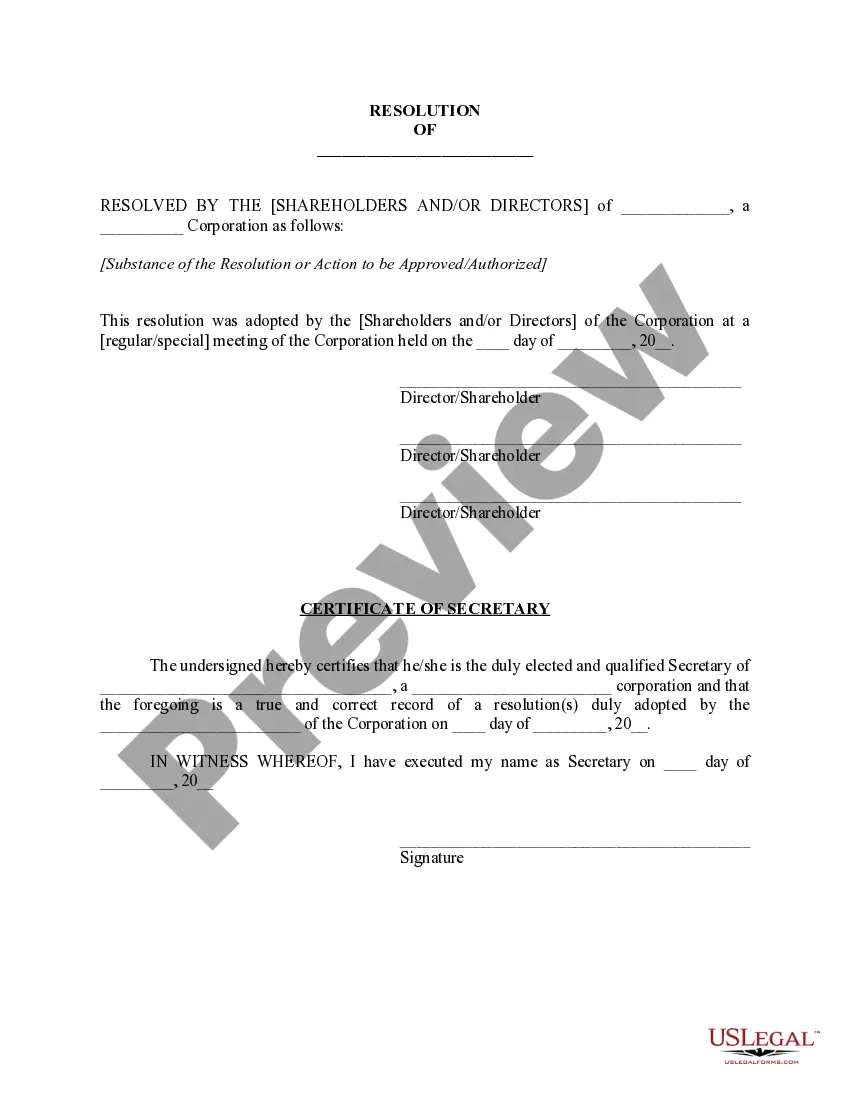
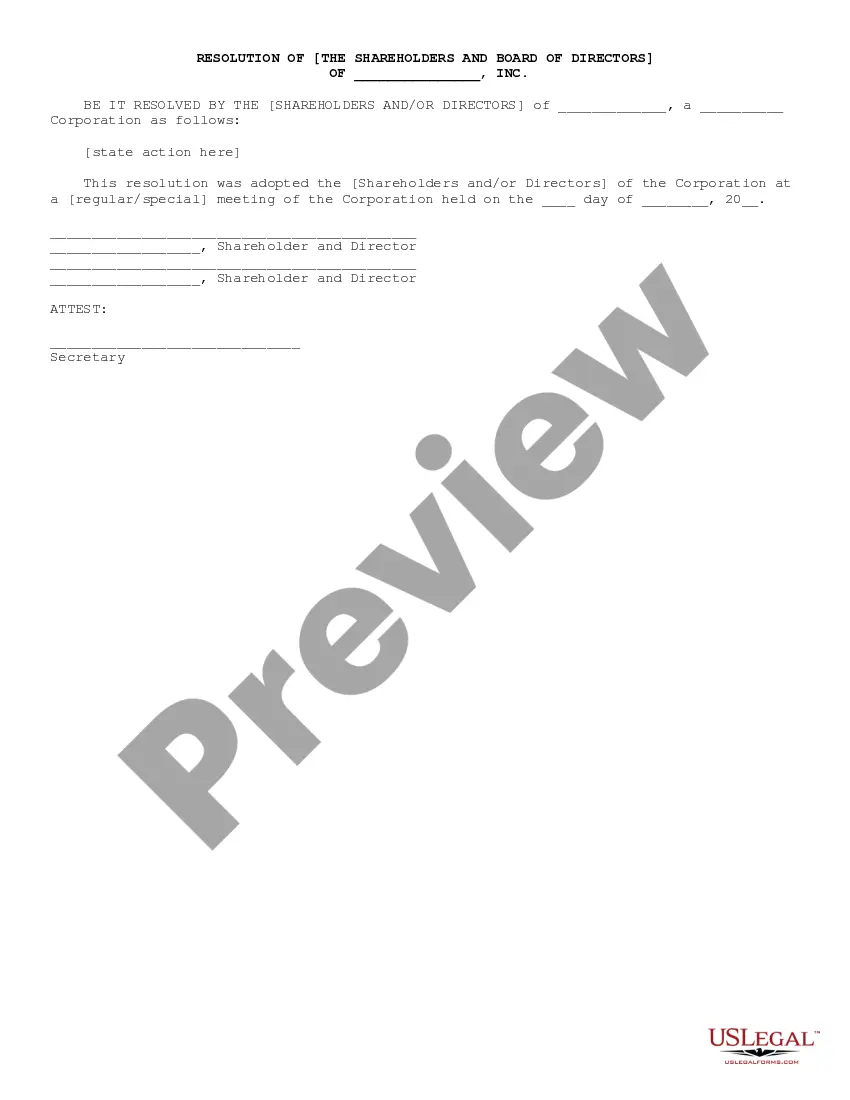
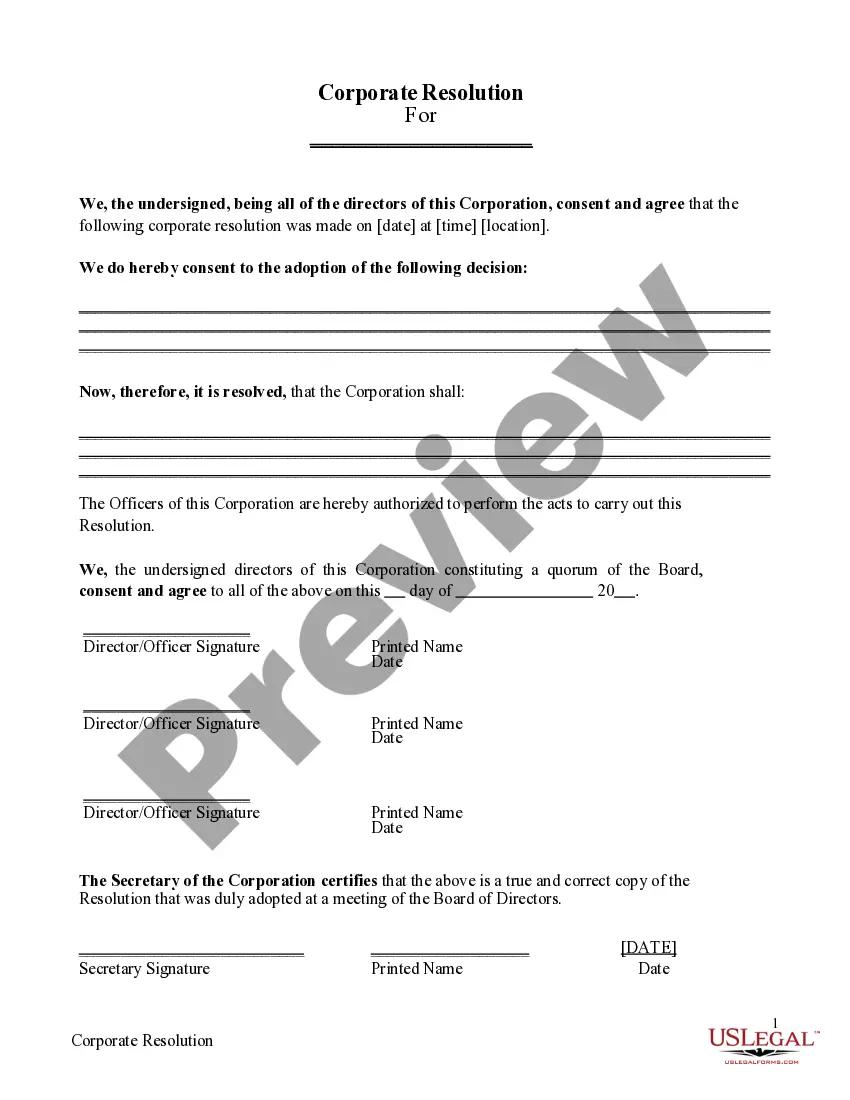
Get your form ready online
Our built-in tools help you complete, sign, share, and store your documents in one place.
Make edits, fill in missing information, and update formatting in US Legal Forms—just like you would in MS Word.
Download a copy, print it, send it by email, or mail it via USPS—whatever works best for your next step.
Sign and collect signatures with our SignNow integration. Send to multiple recipients, set reminders, and more. Go Premium to unlock E-Sign.
If this form requires notarization, complete it online through a secure video call—no need to meet a notary in person or wait for an appointment.
We protect your documents and personal data by following strict security and privacy standards.

Make edits, fill in missing information, and update formatting in US Legal Forms—just like you would in MS Word.

Download a copy, print it, send it by email, or mail it via USPS—whatever works best for your next step.

Sign and collect signatures with our SignNow integration. Send to multiple recipients, set reminders, and more. Go Premium to unlock E-Sign.

If this form requires notarization, complete it online through a secure video call—no need to meet a notary in person or wait for an appointment.

We protect your documents and personal data by following strict security and privacy standards.
Looking for another form?








Form popularity
FAQ
In order for a corporation or other qualifying entity to receive 501(c)(3) status, it must apply to the IRS for recognition by filing Form 1023 (or Form 1023-EZ), Application for Recognition of Tax Exemption. The application is a thorough examination of the organization's structure, governance, and programs.
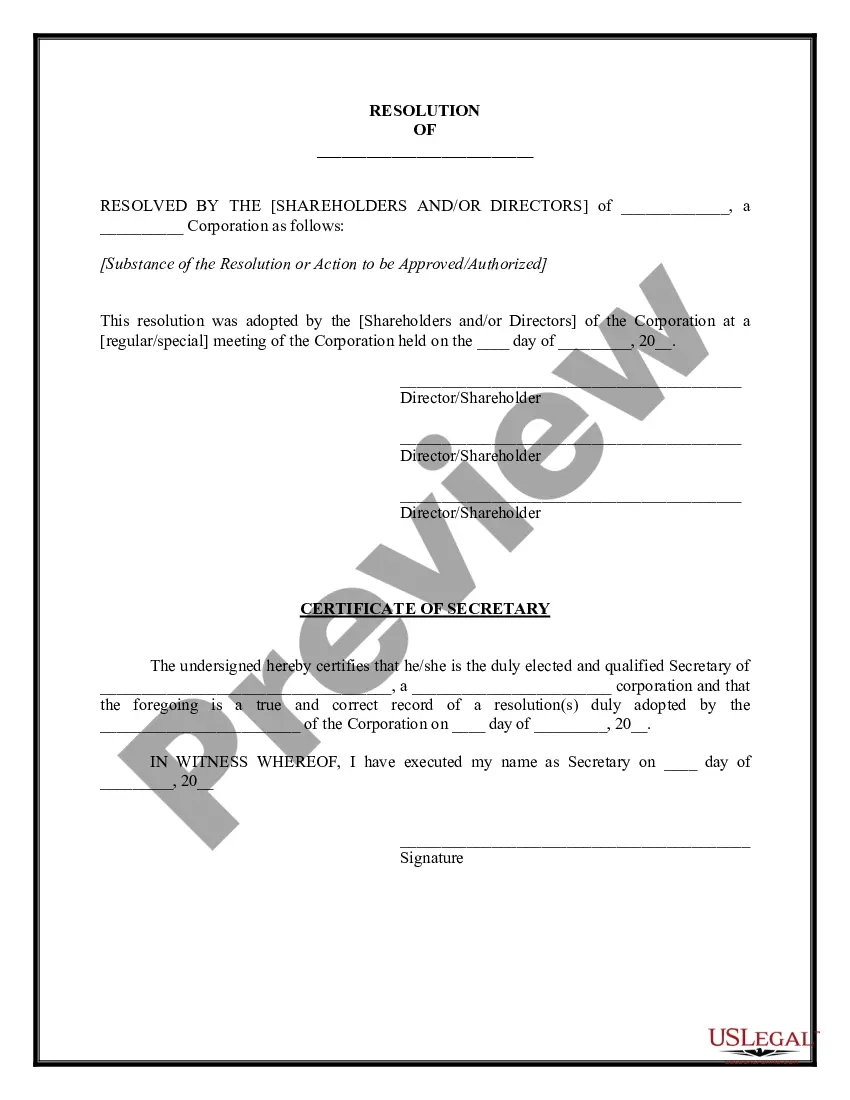
What Are the Components of a Nonprofit Board Resolution Template? The board meeting date. The number of the resolution. A title of the resolution. The resolution itself (what is being voted on) The name and vote of each voting member of the board. The Chairperson's name and signature.
Churches and religious organizations, like many other charitable organizations, may qualify for exemption from federal income tax under Section 501(c)(3).
There must be at least three directors. They do not have to be Illinois residents or corporation members, but you may require these and any other qualifications you choose. Restrictions and qualifications may be outlined in the Articles of Incorporation under the Other Provisions section or in the corporate by-laws.
501(c)(3) organization. A 501(c)(3) organization is a United States corporation, trust, unincorporated association or other type of organization exempt from federal income tax under section 501(c)(3) of Title 26 of the United States Code. It is one of the 29 types of 501(c) nonprofit organizations in the US.
The IRS determination letter notifies a nonprofit organization that its application for federal tax exemption under Section 501(c)(3) has been approved. This is an exciting day for an emerging nonprofit! Having your IRS determination letter in hand affords your nonprofit organization several unique advantages.
Nonprofit Employer Identification Number (EIN) is a Federal nine-digit tax ID number that IRS assigns to nonprofits, charities, organizations, and businesses in the following format: XX-X. EIN is used to identify the tax accounts of employers and certain others who have no employees.
The five steps to becoming a 501(c)(3) corporation are: choose a purpose, form a corporation, file paperwork with the IRS, comply with state and local requirements, and maintain your nonprofit status. Becoming a nonprofit means you are exempt from certain tax requirements that apply to other types of businesses.