Settlement Agreement Fixed Fee In Suffolk
Description


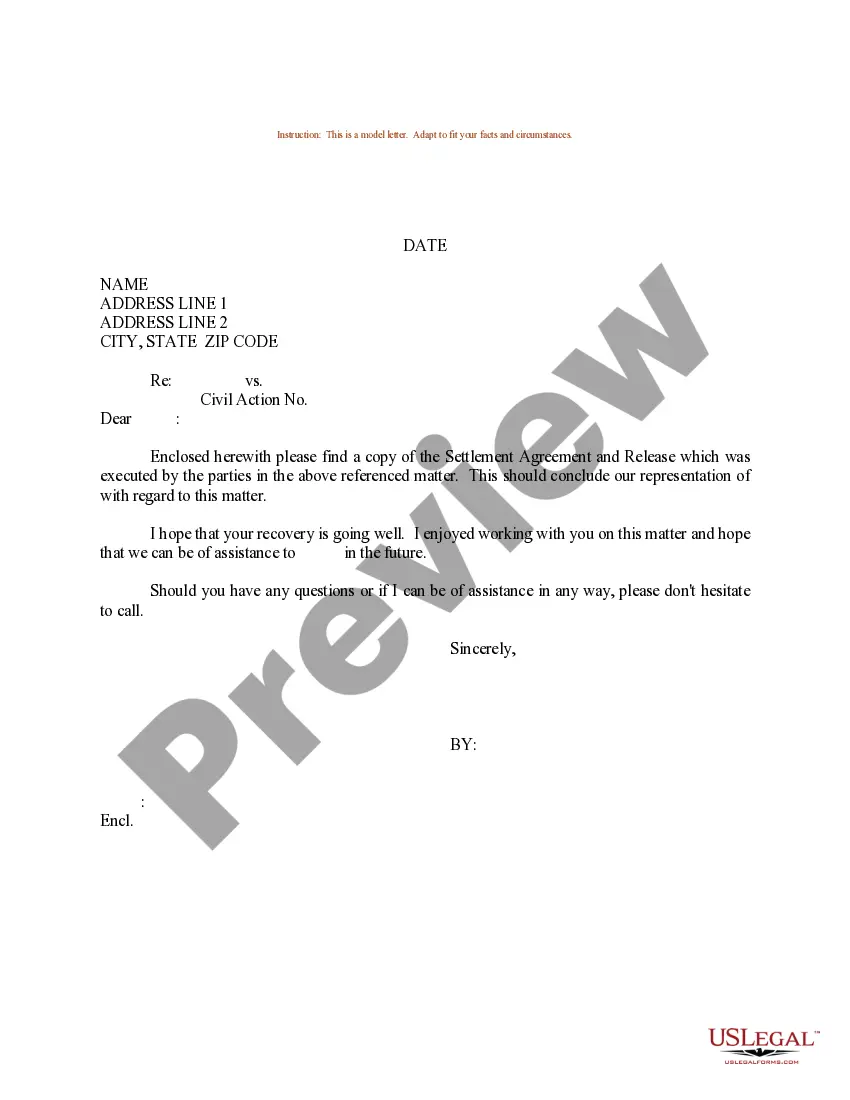
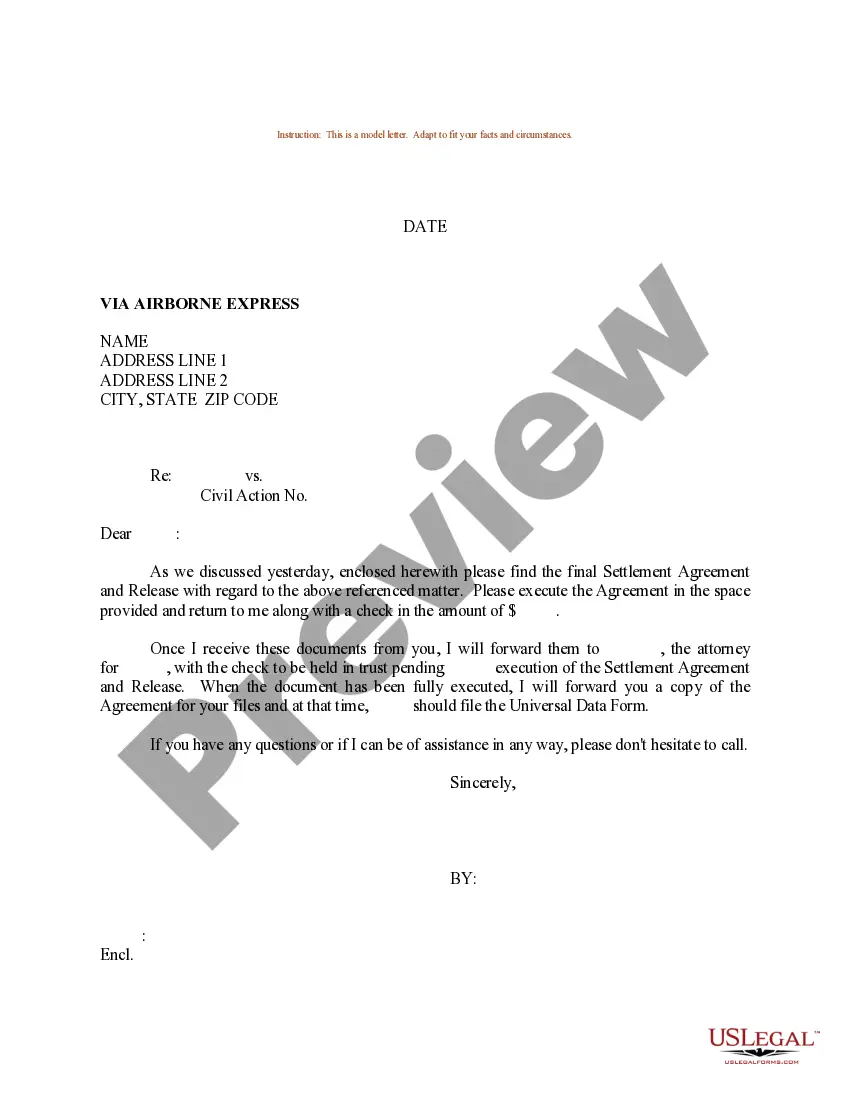
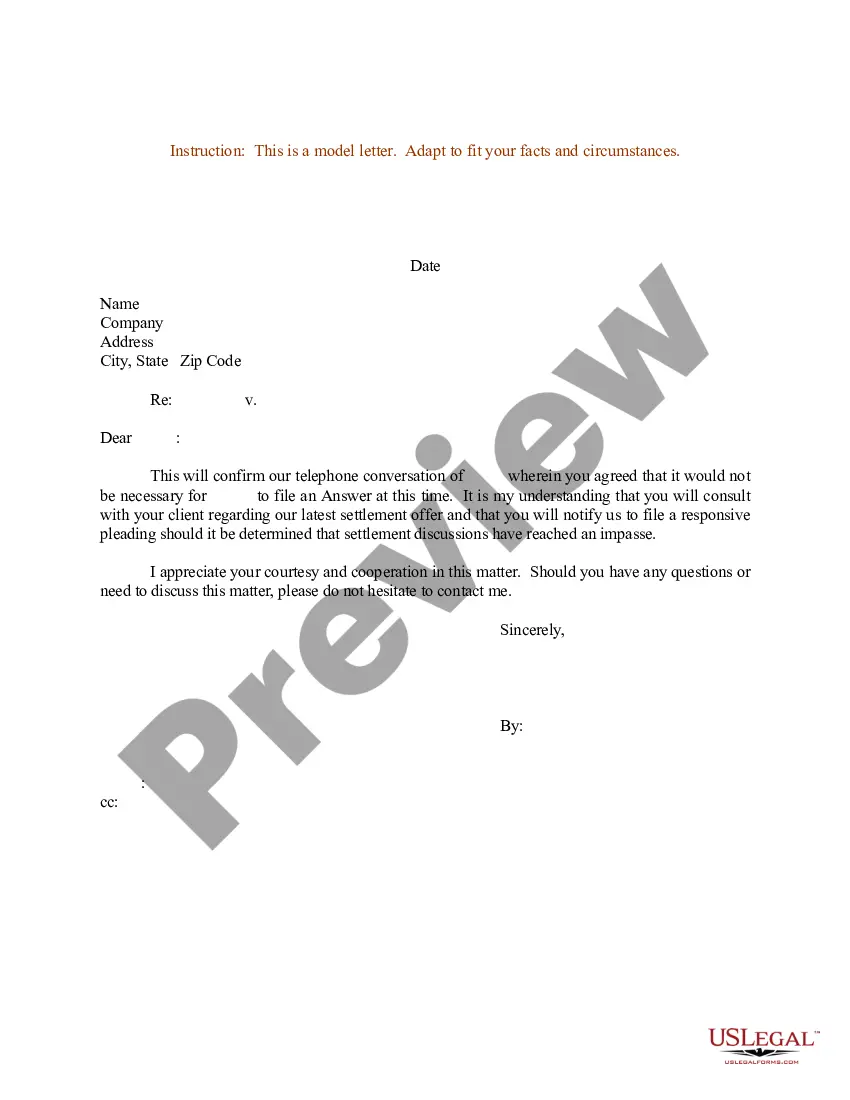
Get your form ready online
Our built-in tools help you complete, sign, share, and store your documents in one place.
Make edits, fill in missing information, and update formatting in US Legal Forms—just like you would in MS Word.
Download a copy, print it, send it by email, or mail it via USPS—whatever works best for your next step.
Sign and collect signatures with our SignNow integration. Send to multiple recipients, set reminders, and more. Go Premium to unlock E-Sign.
If this form requires notarization, complete it online through a secure video call—no need to meet a notary in person or wait for an appointment.
We protect your documents and personal data by following strict security and privacy standards.

Make edits, fill in missing information, and update formatting in US Legal Forms—just like you would in MS Word.

Download a copy, print it, send it by email, or mail it via USPS—whatever works best for your next step.

Sign and collect signatures with our SignNow integration. Send to multiple recipients, set reminders, and more. Go Premium to unlock E-Sign.

If this form requires notarization, complete it online through a secure video call—no need to meet a notary in person or wait for an appointment.

We protect your documents and personal data by following strict security and privacy standards.
Looking for another form?







Form popularity
FAQ
A settlement agreement is a legally binding contract that resolves a dispute between parties, typically without the need for formal court proceedings. It's commonly used in various legal contexts, such as legal contract disputes, employment disputes, marital issues, and medical malpractice cases.
Sometimes, tripartite settlement agreements will be used in TUPE situations, i.e. settlement agreements with 3 parties to them; the old employer, the employee, and the new employer. This way, the risk of a potential claim against anyone is eradicated.
To negotiate a settlement agreement, you need to strike the balance between the carrot and the stick. Offer something to your employer, in terms of the concessions which they want. For example your resignation and a confidentiality clause or maybe a smooth handover to your successor.
A settlement allows the injured party to begin to think of their future and to move on from the case itself bringing peace of mind and future financial stability.
A COT3 is a legally binding settlement agreement, which is a contract between an employer and an employee, in which the employee agrees not to make or pursue any claims against the employer in exchange for other terms, usually, financial in nature.
What is Settlement Clause? A Settlement Clause in legal documents refers to a provision that outlines the terms and conditions under which a dispute will be resolved, often through a settlement agreement, rather than through litigation.
A settlement agreement is a legally binding contract made between an employer and employee. Employers usually offer settlement agreements when they are terminating someone's employment, or if there is an ongoing dispute that they want to resolve. Settlement agreements used to be known as compromise agreements.
Settlement Clause is a term that may refer to a clause in a Directors and Officers (D&O) insurance policy that outlines when and under what conditions the insurer is allowed to settle a claim made against the company or its directors and officers.
Small Claims Court helps individuals or corporations resolve disputes when the amount of the claim is $10,000 or less. All defendants must have an address in New York City. Get Small Claims Court information, including locations and hours of operation. Learn about case types handled by Small Claims Court.
To begin an action in Small Claims Court, a person, or someone acting on his or her behalf, must come to the Small Claims Court Clerk's office in the proper county and fill out a statement of claim. To find out where the clerk's office is located in your county, click on Locations.