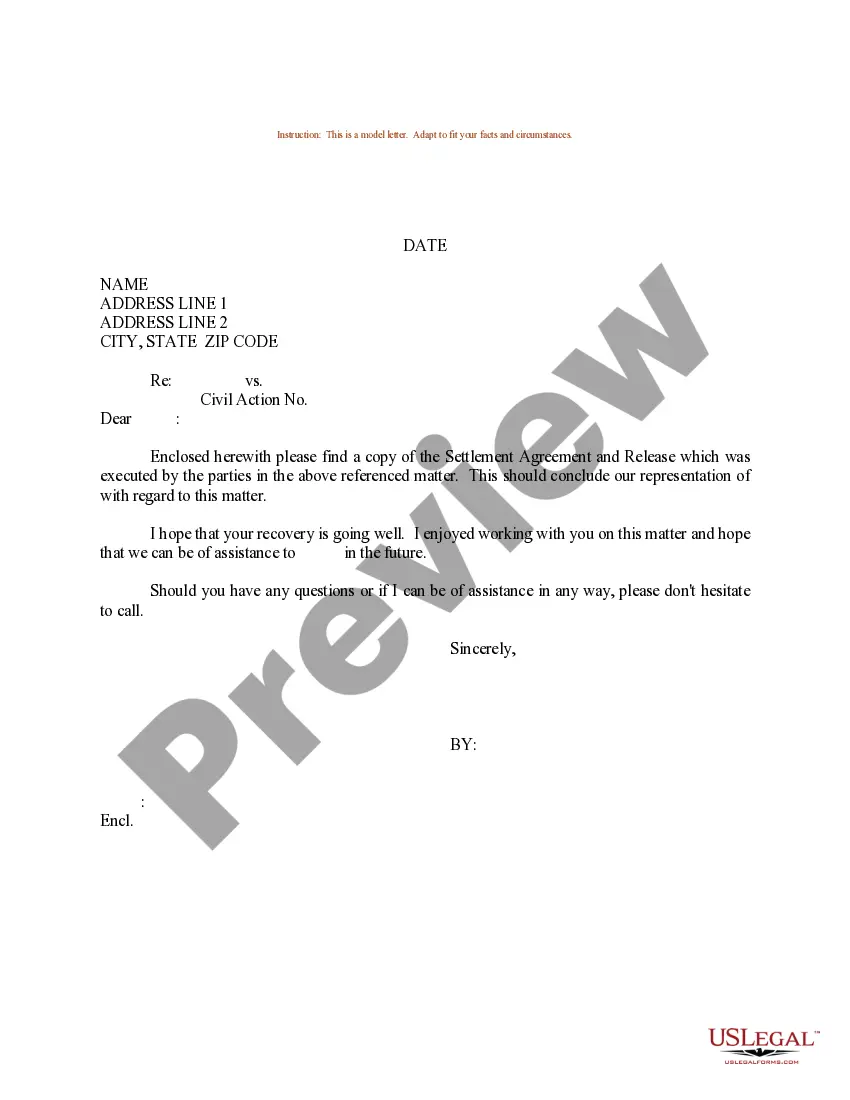
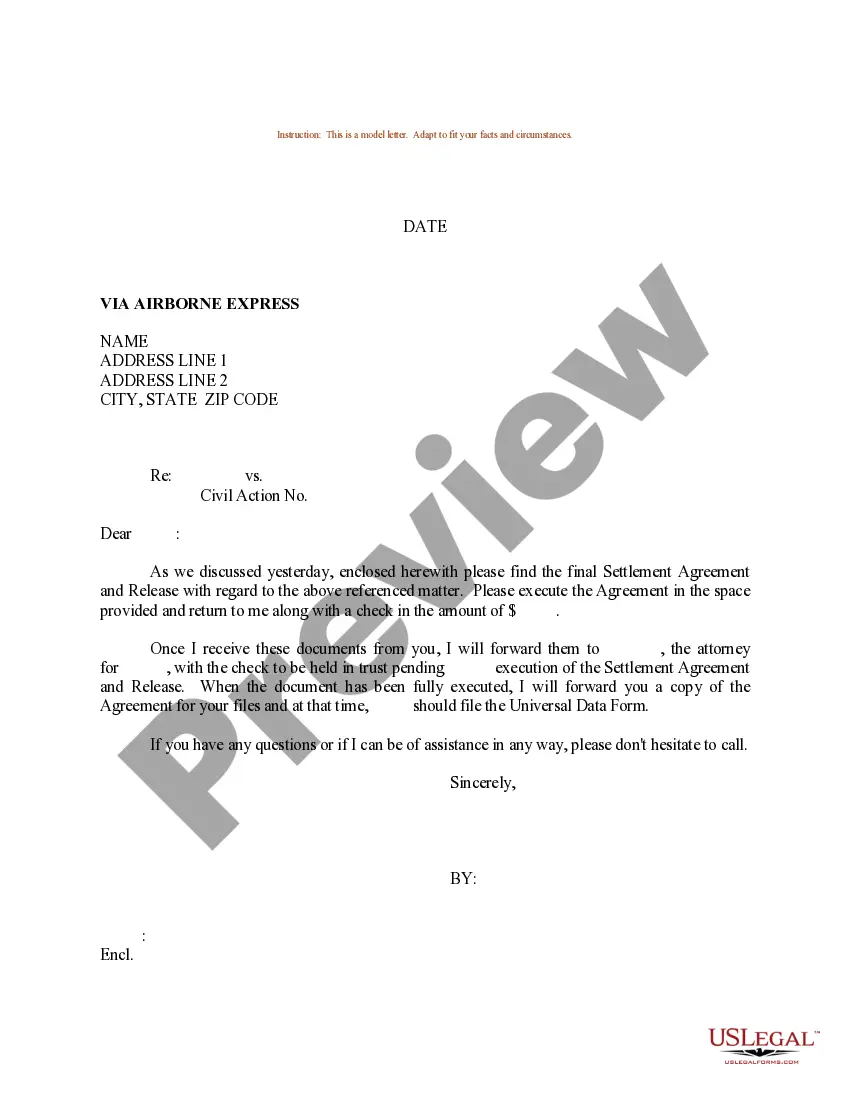
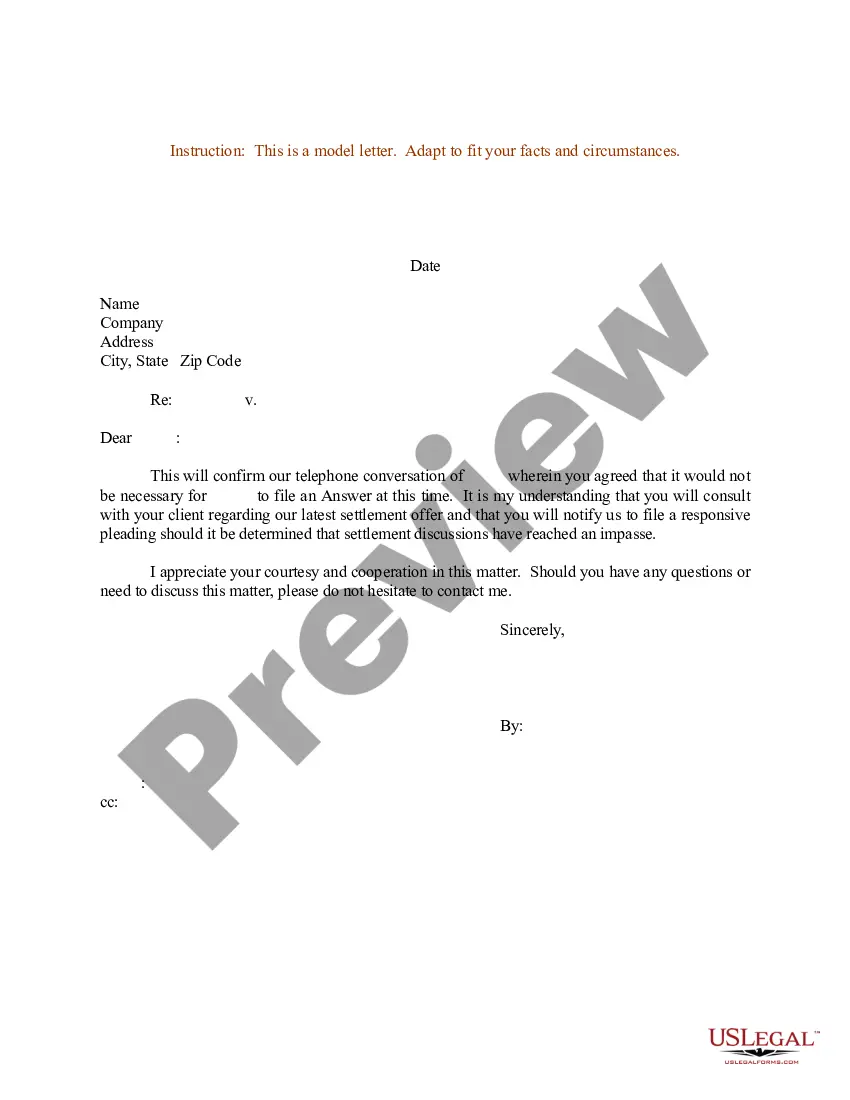
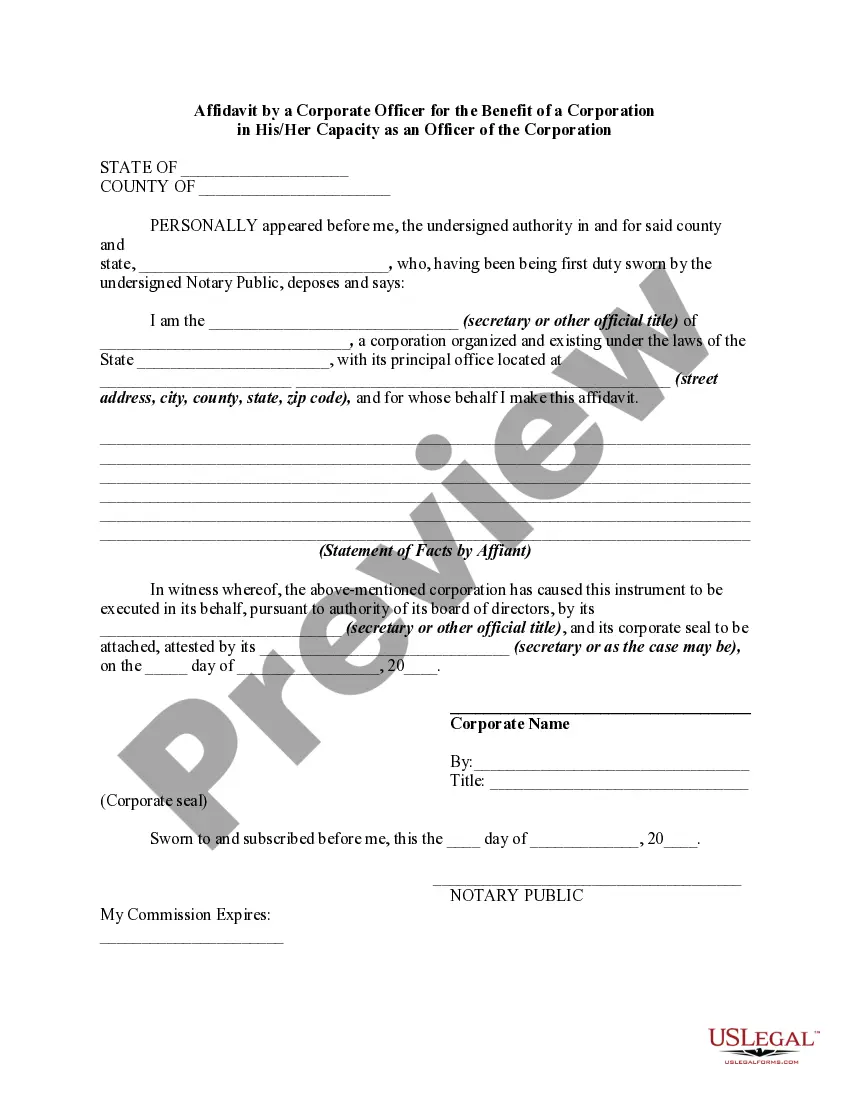
Settlement Agreement Fixed Fee In San Jose
Description


Get your form ready online
Our built-in tools help you complete, sign, share, and store your documents in one place.
Make edits, fill in missing information, and update formatting in US Legal Forms—just like you would in MS Word.
Download a copy, print it, send it by email, or mail it via USPS—whatever works best for your next step.
Sign and collect signatures with our SignNow integration. Send to multiple recipients, set reminders, and more. Go Premium to unlock E-Sign.
If this form requires notarization, complete it online through a secure video call—no need to meet a notary in person or wait for an appointment.
We protect your documents and personal data by following strict security and privacy standards.

Make edits, fill in missing information, and update formatting in US Legal Forms—just like you would in MS Word.

Download a copy, print it, send it by email, or mail it via USPS—whatever works best for your next step.

Sign and collect signatures with our SignNow integration. Send to multiple recipients, set reminders, and more. Go Premium to unlock E-Sign.

If this form requires notarization, complete it online through a secure video call—no need to meet a notary in person or wait for an appointment.

We protect your documents and personal data by following strict security and privacy standards.
Looking for another form?







Form popularity
FAQ
Substantial judgment can include these costs; however, this is not guaranteed. Litigation expenses are often borne by the individuals involved. Unless a statute or contract specifies otherwise, each party pays their attorney's fees. The prevailing party may sometimes seek to recover legal fees as part of the judgment.
While parties can negotiate settlement agreements on their own, having a lawyer can be highly beneficial, especially in complex cases like medical malpractice or intricate employment disputes.
A settlement agreement is always in writing, and both parties must agree to the provisions in the settlement agreement. Also, both parties must sign the settlement agreement for it to be legally binding. A settlement agreement will resolve a civil lawsuit.
You do not need a lawyer to settle but this is something your attorney will advise you on based on the specific details of your situation. Hopefully, you get the not-so-subtle suggestion of getting an attorney. Self-representation in a lawsuit is a terrible idea, probably only second to ignoring it.
The parties involved in the case start the settlement process by exchanging information. This phase is essential because it allows each party to understand the facts of the case and their position. Lawyers are not strictly necessary when going through the resolution process.
Making an offer It is very important to make sure the creditor accepts your full and final settlement offer in writing. Make sure you keep a copy in case there is a dispute. This could happen years later and you may need the letter as proof. Never send a lump-sum payment before the offer is accepted.
The most common means of enforcing a settlement agreement is to make a motion to enforce in the pending action under Code of Civil Procedure Section 664.6. A real life example of this is found in the litigation surrounding the storied wealth of the Hearst family.
Drafting a settlement agreement Consult with legal counsel. Always get legal advice when drafting or entering into a settlement agreement. Detail the dispute. Clearly outline the nature of the dispute and the reasons for the settlement. Specify terms. Include a release. Maintain confidentiality. Sign and date.
To meet the requirements of summary enforcement, an out-of-court written settlement agreement must be signed by the parties themselves and not just their attorneys. In addition, all of the parties to the settlement agreement must sign the agreement and not just the party against whom enforcement is sought.
A settlement agreement is a legally binding contract between an employer and an employee that outlines the terms for resolving a dispute or ending the employment relationship. It typically includes compensation for the employee in exchange for waiving their right to bring future claims against the employer.