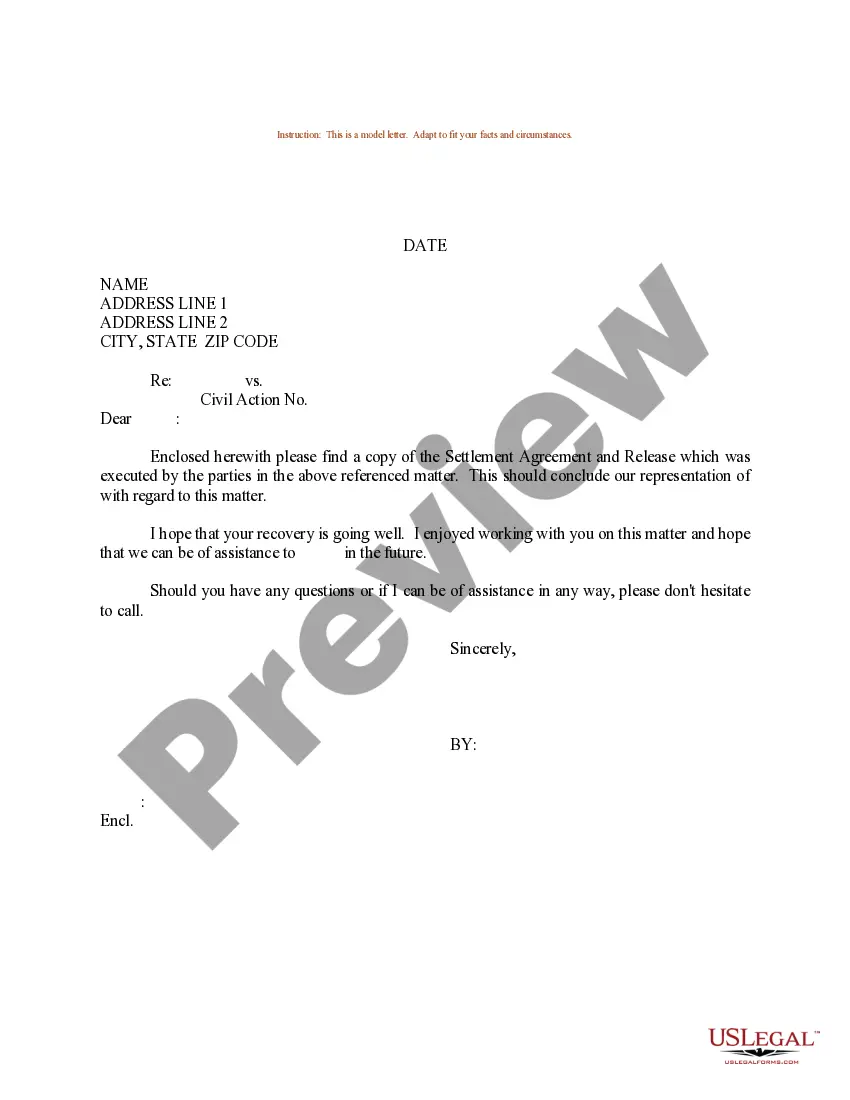
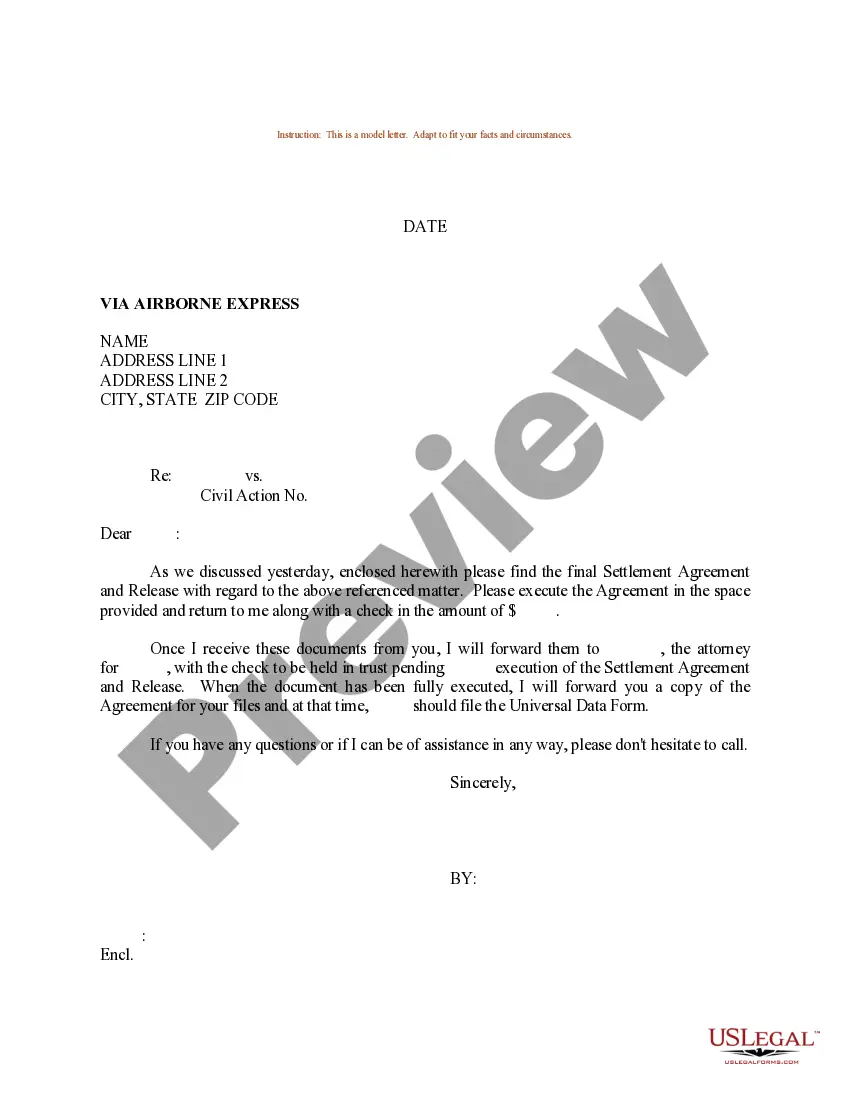
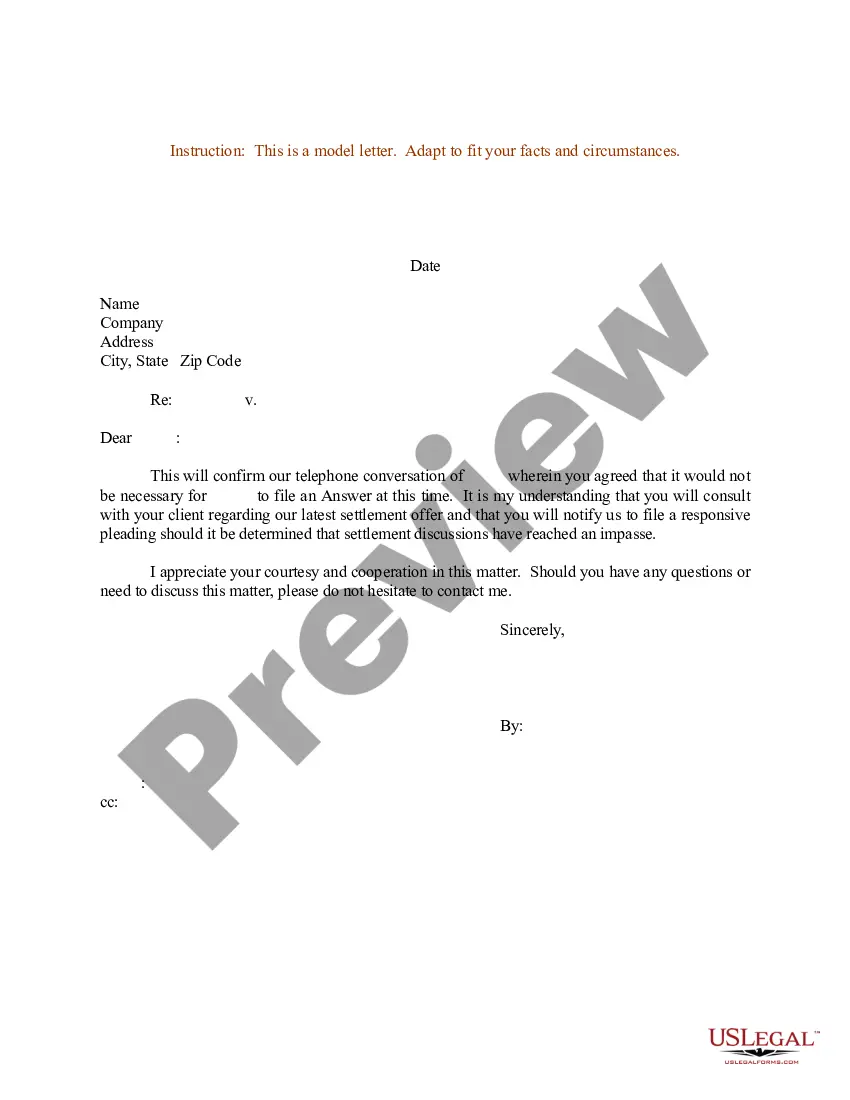
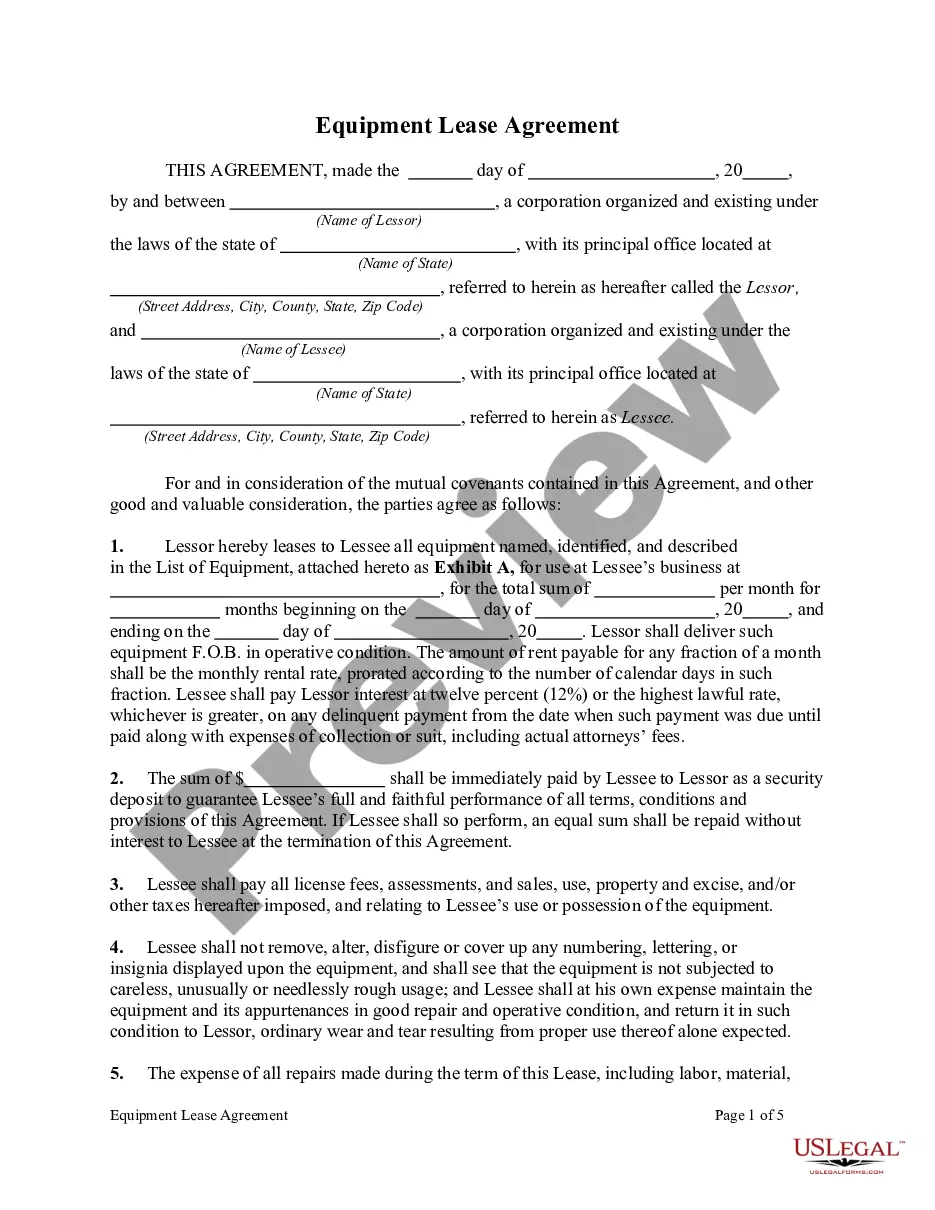
Confirmation Of Settlement Letter Without Insurance In San Jose
Description


Get your form ready online
Our built-in tools help you complete, sign, share, and store your documents in one place.
Make edits, fill in missing information, and update formatting in US Legal Forms—just like you would in MS Word.
Download a copy, print it, send it by email, or mail it via USPS—whatever works best for your next step.
Sign and collect signatures with our SignNow integration. Send to multiple recipients, set reminders, and more. Go Premium to unlock E-Sign.
If this form requires notarization, complete it online through a secure video call—no need to meet a notary in person or wait for an appointment.
We protect your documents and personal data by following strict security and privacy standards.

Make edits, fill in missing information, and update formatting in US Legal Forms—just like you would in MS Word.

Download a copy, print it, send it by email, or mail it via USPS—whatever works best for your next step.

Sign and collect signatures with our SignNow integration. Send to multiple recipients, set reminders, and more. Go Premium to unlock E-Sign.

If this form requires notarization, complete it online through a secure video call—no need to meet a notary in person or wait for an appointment.

We protect your documents and personal data by following strict security and privacy standards.
Looking for another form?


Form popularity
FAQ
Your letter should clearly: State that the offer you received is unacceptable. Refute any statements in the adjustor's letter that are inaccurate and damaging to your claim. Re-state an acceptable figure. Explain why your counteroffer is appropriate, including the reasons behind your general damage demands.
After sending a demand letter, the first step is to wait for a response by the deadline you provided. If your demand letter worked, you should expect a settlement within a couple of weeks. However, the time you have to wait for a settlement may vary based on different factors.
In the demand letter, a claimant often begins the negotiating process with a request for compensation that might be considerably higher than the amount they'd be satisfied to accept in the end. The letter is only the beginning of a settlement negotiation process that is similar to bargaining at a swap meet.
Treat the following as a set of general guidelines: Gather complete information before you start writing. Describe your injuries and medical treatment. List your medical expenses, lost wages, and non-economic damages. Make a settlement demand. Include a deadline for legal action if you want to, but don't bluff.
The length of putting a settlement agreement together varies on a case-by-case-basis. This could be a small number of days, weeks or months - depending on how negotiations go. As a general rule, you should provide your employees with ten days to review the agreement.
The insurance company sends the check after it processes the release that you sign. Once signed, the insurance company has a legal obligation to write and send the check as soon as possible. Sometimes, internal issues may slow down the process.
No uniform timeframe exists between sending the demand letter and arriving at a settlement. In addition to the insurance company's review, there will be negotiations between the insurance company and your attorney, and those can take a long time. You can count on the process taking more than two months.
State the settlement offer you are willing to accept and the reasons why. You can repeat the position you stated in the first demand letter. Your attorney can advise you on whether you should stick with the amount stated in your first demand letter or if you should present a counteroffer.
7 Tips for Writing a Demand Letter to the Insurance Company Detail Your Version of Events. Gather & Organize Your Expenses. Calculate Anticipated Expenses. Detail the Negative Impact the Accident Has Had on Your Life. Discuss Your Road to Recovery. Include a Fair and Reasonable Demand Amount.