Confirmation Letter Format In San Bernardino
Description


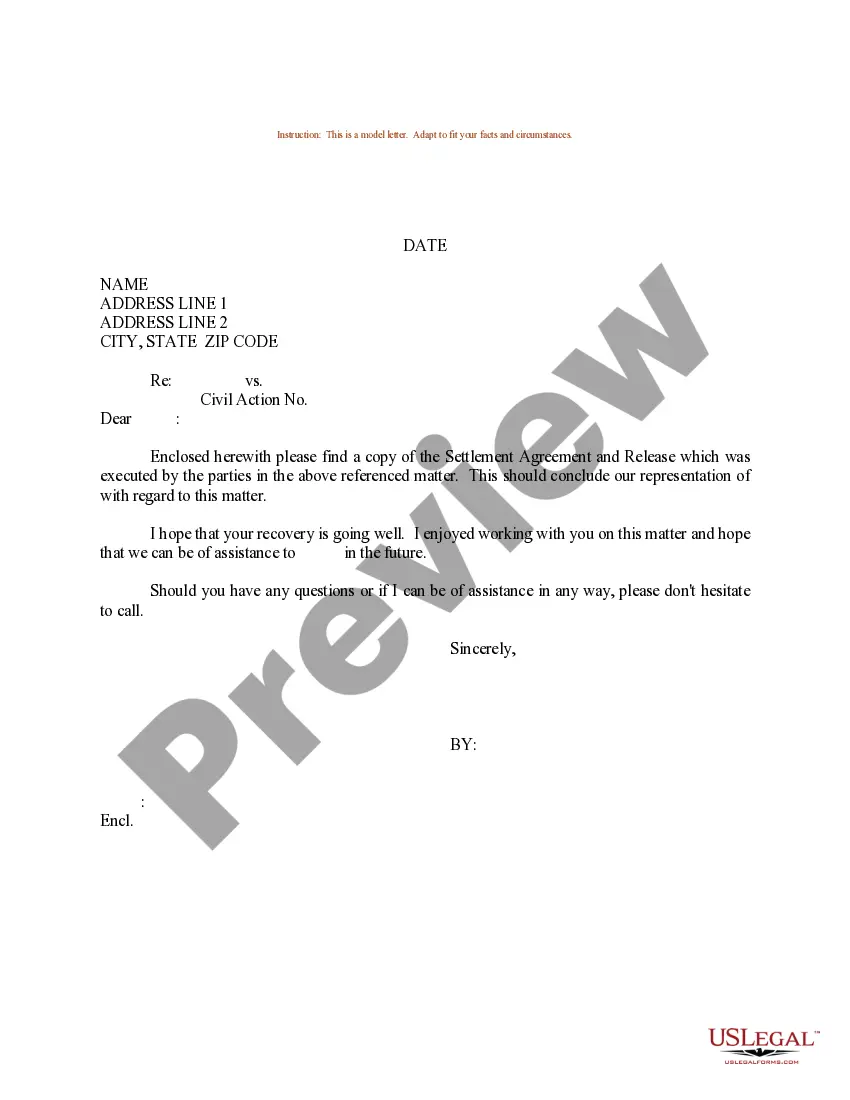
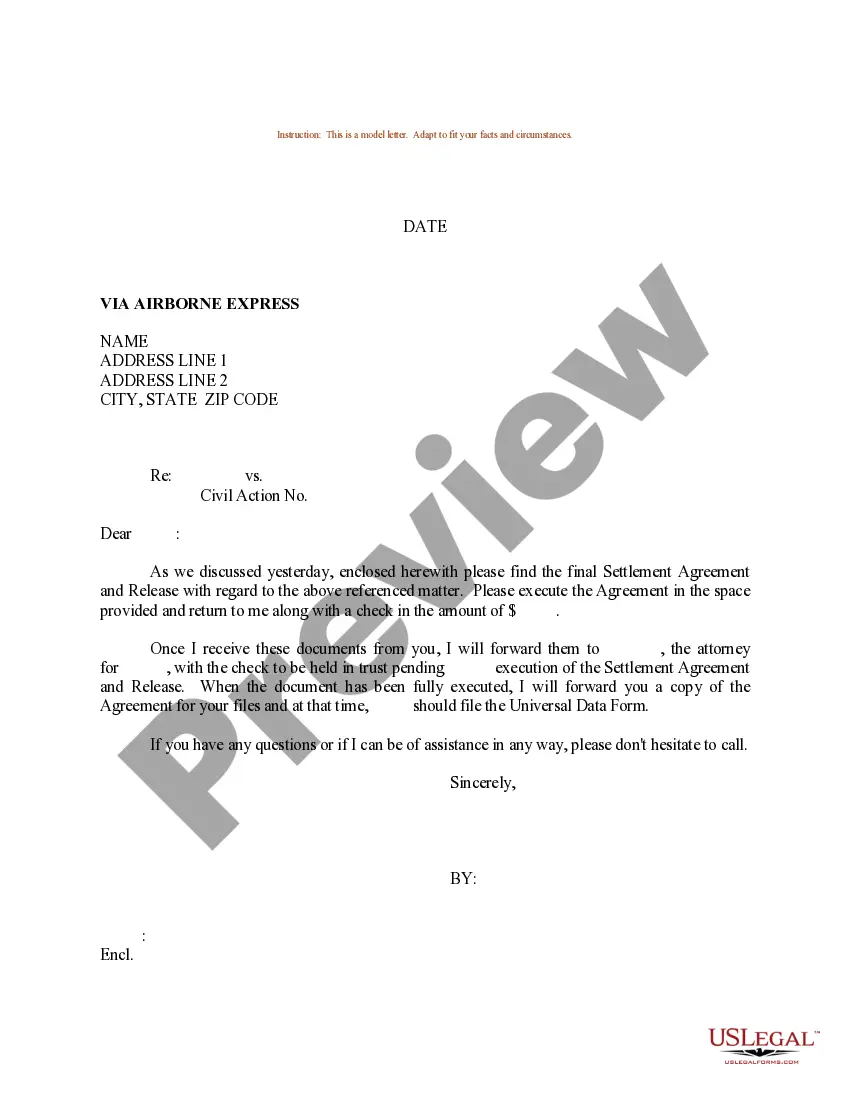
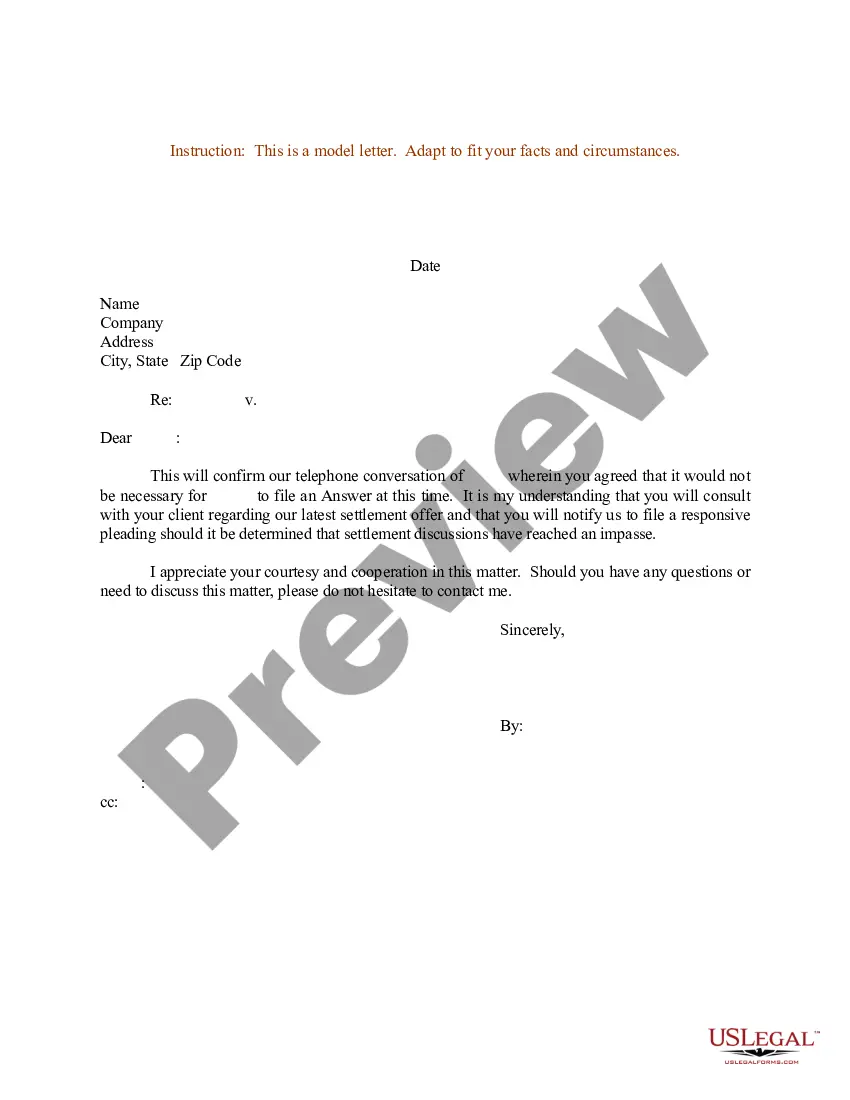
Get your form ready online
Our built-in tools help you complete, sign, share, and store your documents in one place.
Make edits, fill in missing information, and update formatting in US Legal Forms—just like you would in MS Word.
Download a copy, print it, send it by email, or mail it via USPS—whatever works best for your next step.
Sign and collect signatures with our SignNow integration. Send to multiple recipients, set reminders, and more. Go Premium to unlock E-Sign.
If this form requires notarization, complete it online through a secure video call—no need to meet a notary in person or wait for an appointment.
We protect your documents and personal data by following strict security and privacy standards.

Make edits, fill in missing information, and update formatting in US Legal Forms—just like you would in MS Word.

Download a copy, print it, send it by email, or mail it via USPS—whatever works best for your next step.

Sign and collect signatures with our SignNow integration. Send to multiple recipients, set reminders, and more. Go Premium to unlock E-Sign.

If this form requires notarization, complete it online through a secure video call—no need to meet a notary in person or wait for an appointment.

We protect your documents and personal data by following strict security and privacy standards.
Looking for another form?








Form popularity
FAQ
A proposed order, in the context of legal proceedings, is a document that outlines the specific actions or decisions that a party involved in a case is asking the court to make. It is typically drafted by one of the parties or their attorney and presented to the court for approval.
A proposed order or judgment must be served on other parties only when parties filed an opposition to the motion or other request, when parties entered into a stipulation or other agreement, or when the judge requires that the proposed order be served before it is lodged.
To change the name(s) on real property, the present owner(s) may execute a new deed conveying the property from the name(s) as they presently appear, to the name(s) that will be used to hold title. Full names of all parties must be used.
A request for ex parte relief must be in writing and include all of the following: (1) An application containing the case caption and stating the relief requested; (2) A declaration in support of the application making the required factual showing; > > Read More..
Any party may, within 15 days after the proposed statement of decision and judgment have been served, serve and file objections to the proposed statement of decision or judgment.
A proposed order is often lodged and/or served with moving or opposition papers. It must not be attached to them, but must be a separate document. The requirements for proposed orders, including the requirements for submitting proposed orders by electronic means, are stated in CRC 3.1312.
Steps to respond to a request for a court order Respond. Fill out court form to tell the court if you agree or disagree. File forms. File the forms with the court. Serve other side. Serve copies of the forms on the other side (or their lawyer if they have one). Attend hearing.
The documentary stamp tax or DST is a kind of tax that is imposed on the exercise of certain rights. As long as you exercise that, formal documents of that exercise of right may be taxed. Simply put, it's a stamp that certifies an agreement is taxable.
The Documentary Transfer Tax (DTT) imposes a tax on each deed, instrument, or writing by which any lands, tenements, or any other realty sold, shall be granted, transferred, or otherwise conveyed to another person. The State Revenue and Taxation Code 11902 - 11934 governs this tax.