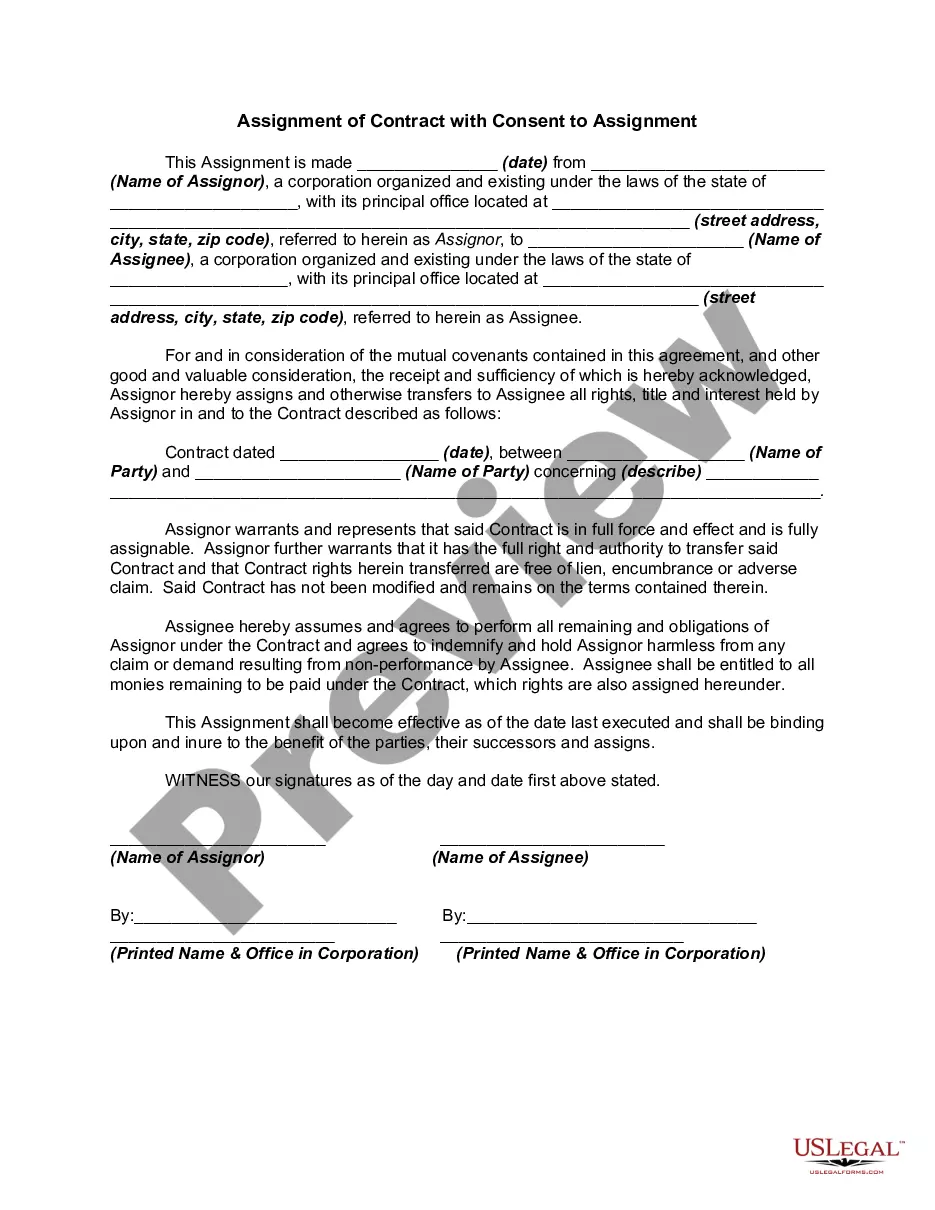
Confirmation Letter Example In San Bernardino
Description


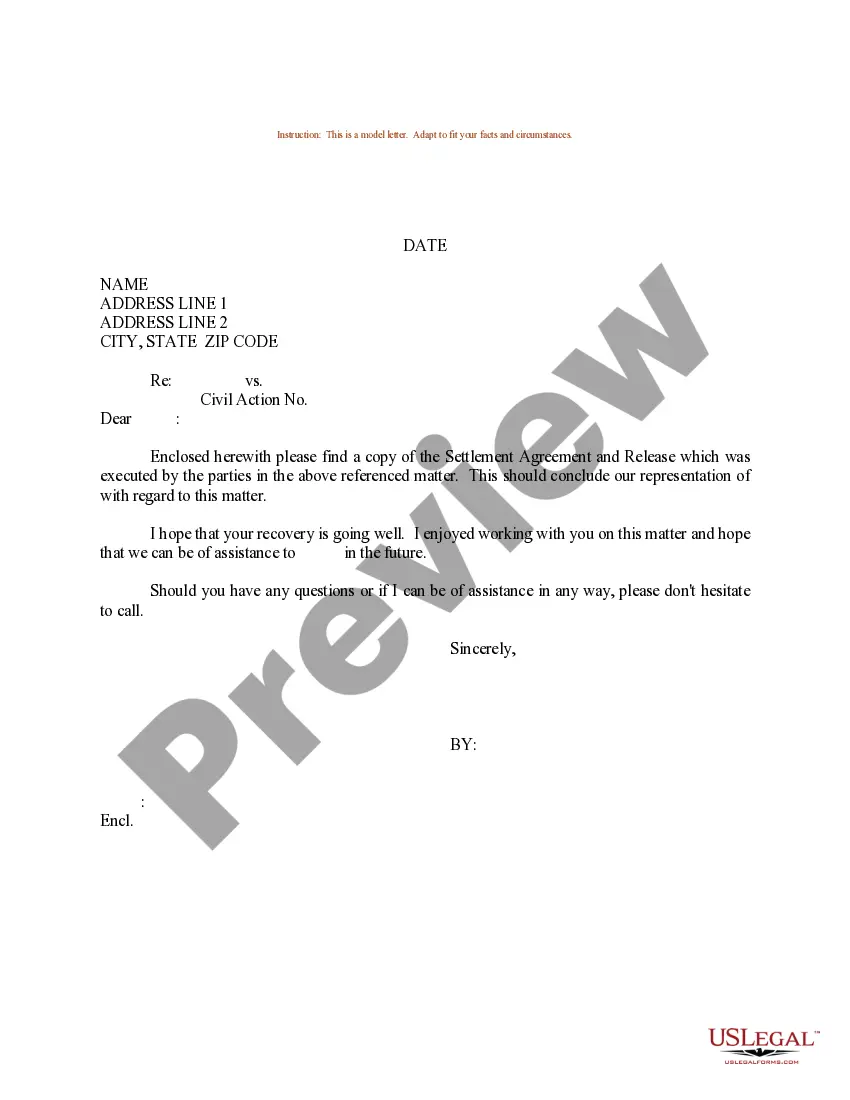
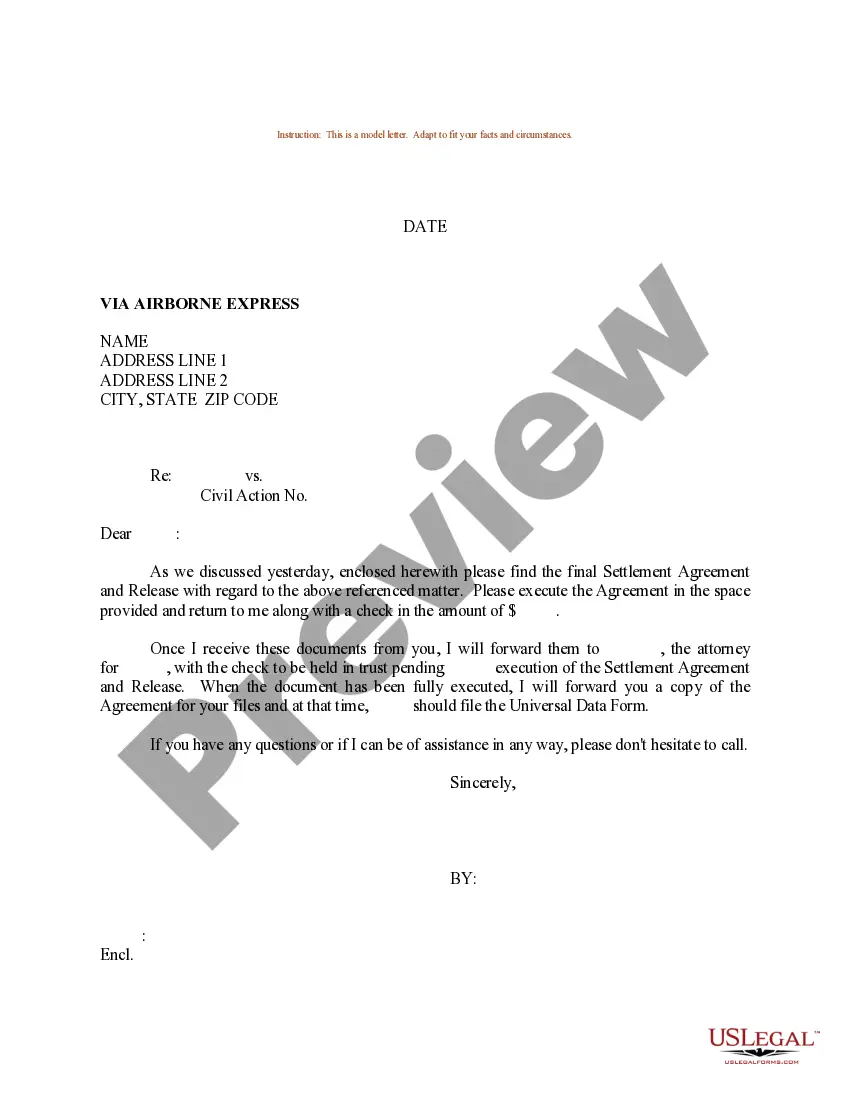
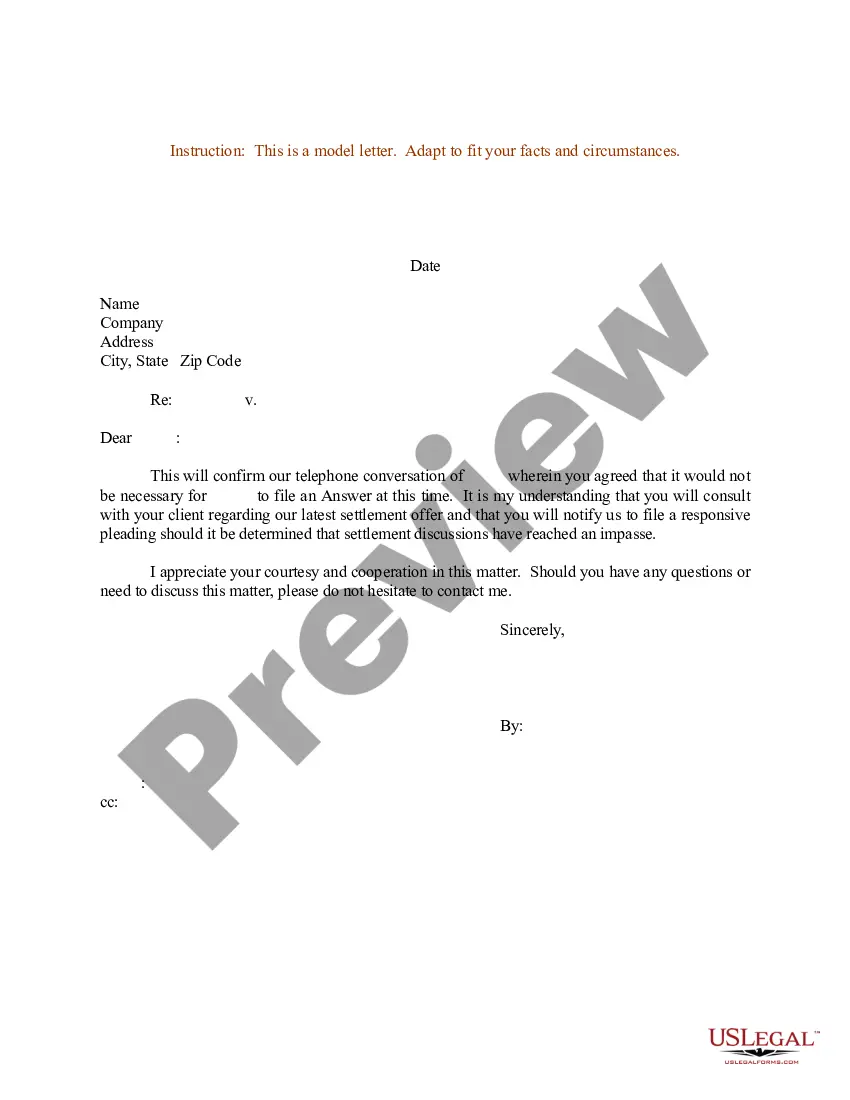
Get your form ready online
Our built-in tools help you complete, sign, share, and store your documents in one place.
Make edits, fill in missing information, and update formatting in US Legal Forms—just like you would in MS Word.
Download a copy, print it, send it by email, or mail it via USPS—whatever works best for your next step.
Sign and collect signatures with our SignNow integration. Send to multiple recipients, set reminders, and more. Go Premium to unlock E-Sign.
If this form requires notarization, complete it online through a secure video call—no need to meet a notary in person or wait for an appointment.
We protect your documents and personal data by following strict security and privacy standards.

Make edits, fill in missing information, and update formatting in US Legal Forms—just like you would in MS Word.

Download a copy, print it, send it by email, or mail it via USPS—whatever works best for your next step.

Sign and collect signatures with our SignNow integration. Send to multiple recipients, set reminders, and more. Go Premium to unlock E-Sign.

If this form requires notarization, complete it online through a secure video call—no need to meet a notary in person or wait for an appointment.

We protect your documents and personal data by following strict security and privacy standards.
Looking for another form?









Form popularity
FAQ
Confirmation letters include the following components: Recipient Information: The name and contact information of the recipient. Sender Information: The name and contact information of the sender. Date: The date on which the letter is sent. Subject: A brief subject line indicating the purpose of the letter.
Introduce yourself and let the Priest know you are preparing for confirmation. Talk about your sponsor and the activities you have done together. Explain how your family background influences you to be a faithful Catholic. Mention you would want to be baptized on a given date. End with a note of thanks
Best Confirmation Wishes “Wishing you all of God's blessings on this extraordinary day. Congratulations!” “Wishing you all the joy and happiness in the world! Thank God for this opportunity to celebrate you and your faith!”
Use formal language such as "Dear Mr./Ms./Mrs." Step 2: Start the letter by stating the purpose of the letter. For instance, if you are writing to confirm an appointment, mention that in the opening sentence. Step 3: Provide details of the agreement or transaction.
Confirmation Letter Templates Dear Recipient Name, We are pleased to confirm your employment with ABC Ventures starting from Joining Date in the position of Job Title. As per the terms and conditions of your employment, your responsibilities will include Job Responsibilities. Your starting salary is Salary.
Writing the Confirmation Letter Step 1: Start with a Proper Salutation. Address the recipient using their professional title and name. Step 2: Clearly State the Purpose of the Letter. Step 3: Provide Relevant Details. Step 4: Include Any Necessary Instructions or Next Steps. Step 5: Express Gratitude and Offer Assistance.
Confirmation letters include the following components: Recipient Information: The name and contact information of the recipient. Sender Information: The name and contact information of the sender. Date: The date on which the letter is sent. Subject: A brief subject line indicating the purpose of the letter.
A: Anywhere between 14 to 90 days after closing. A properly recorded deed can take anywhere from 14 days to 90 days. That may seem like a long time, but your local government office goes over every little detail on the deed to make sure the property is correct and there are no errors.
A proposed order is often lodged and/or served with moving or opposition papers. It must not be attached to them, but must be a separate document. The requirements for proposed orders, including the requirements for submitting proposed orders by electronic means, are stated in CRC 3.1312.
To change the name(s) on real property, the present owner(s) may execute a new deed conveying the property from the name(s) as they presently appear, to the name(s) that will be used to hold title. Full names of all parties must be used.