Settlement Confirmation Letter With Loan In Salt Lake
Description


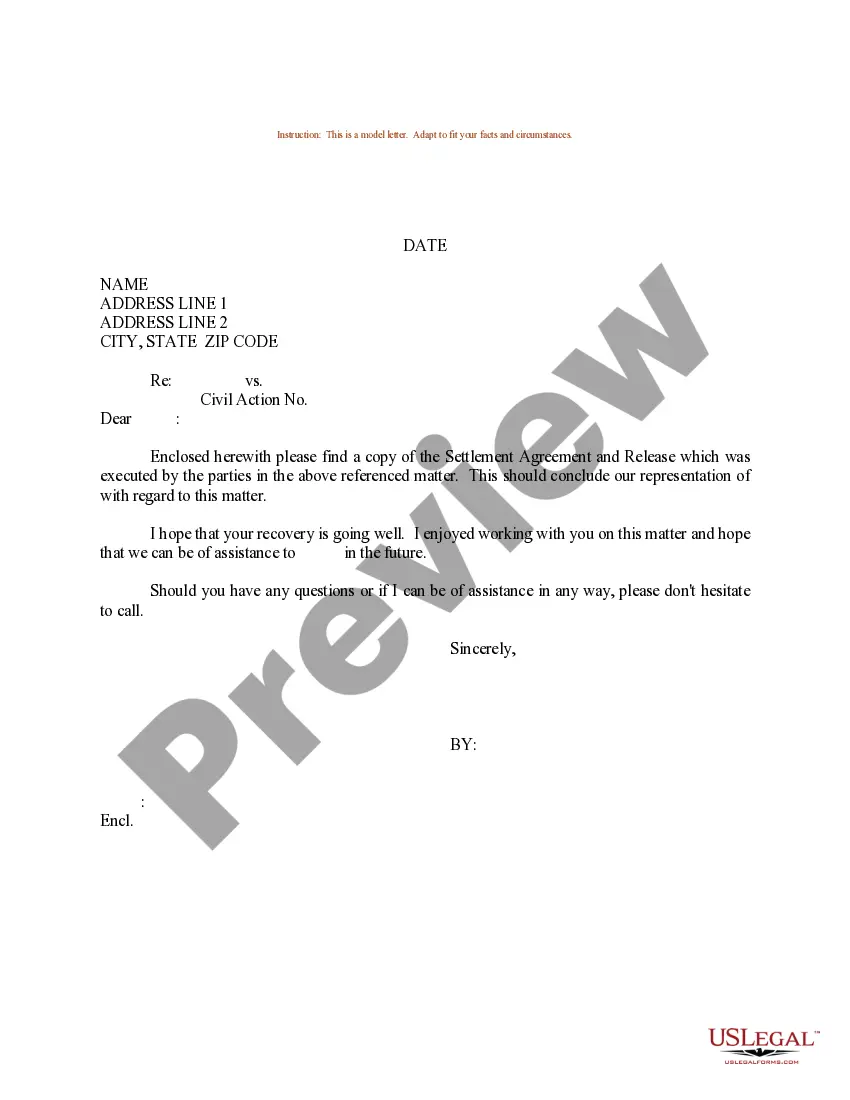
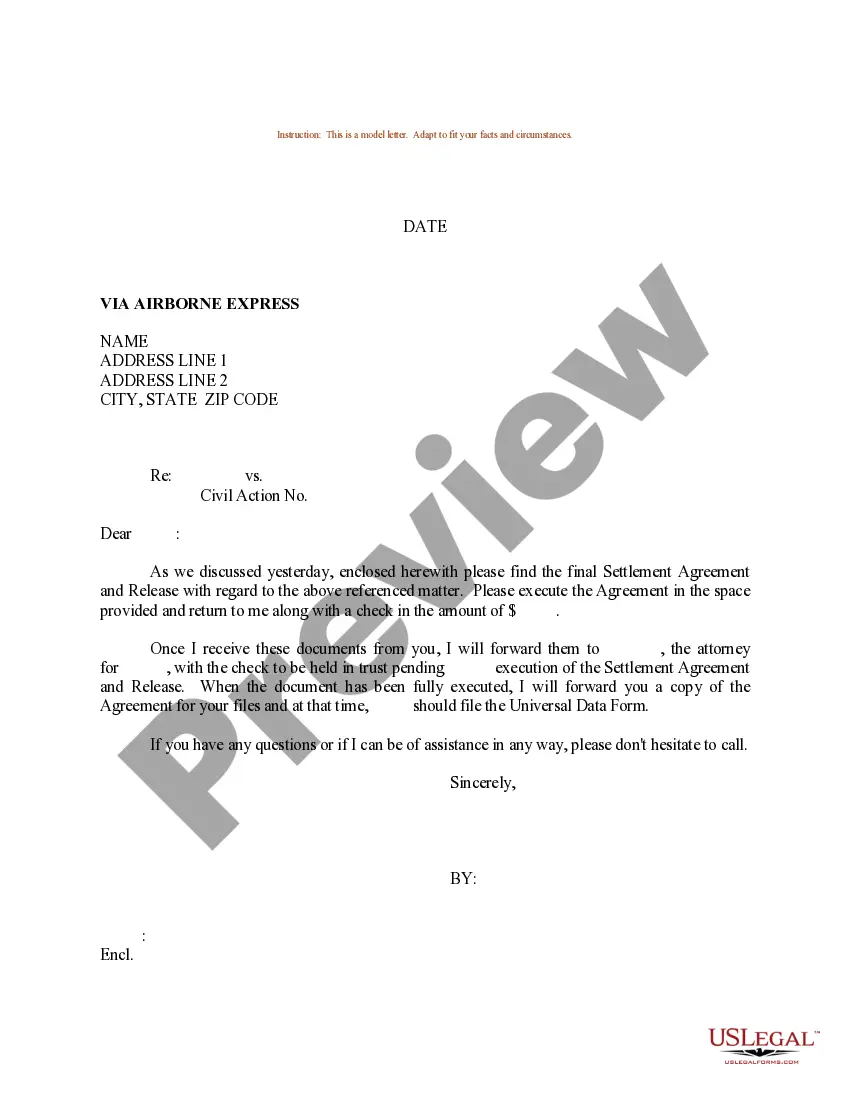
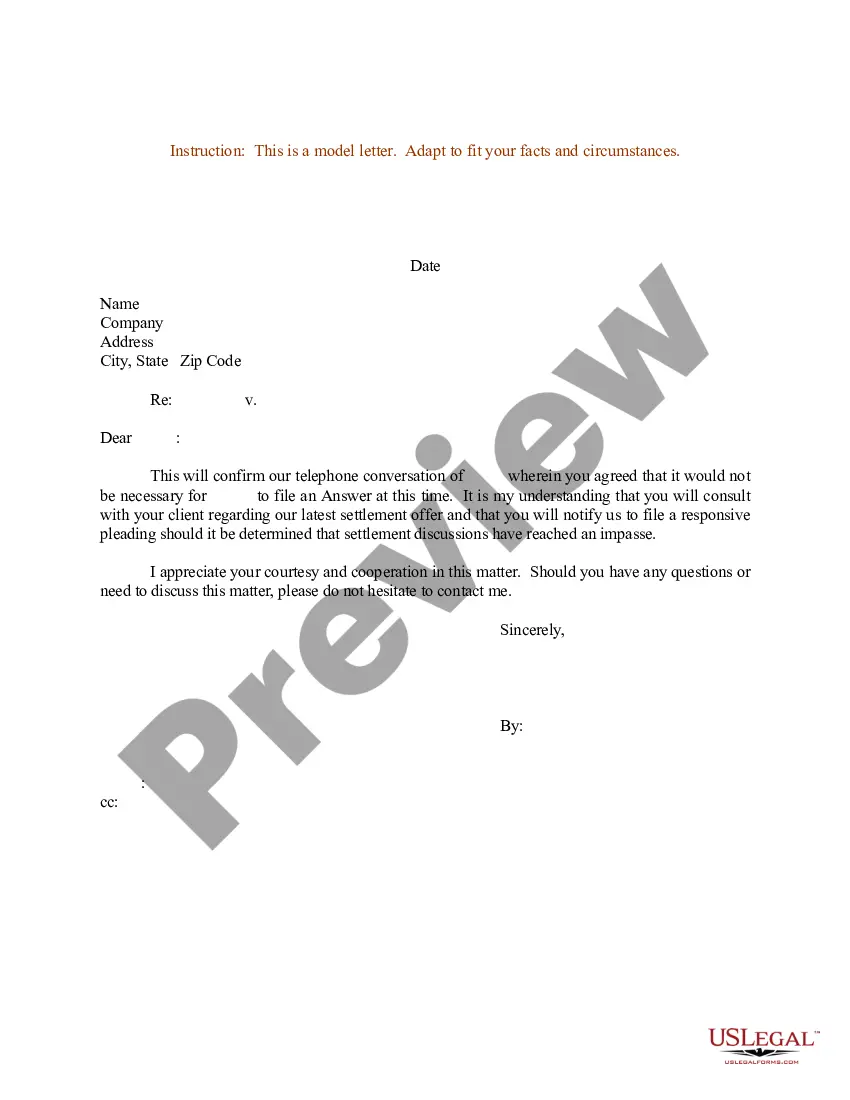
Get your form ready online
Our built-in tools help you complete, sign, share, and store your documents in one place.
Make edits, fill in missing information, and update formatting in US Legal Forms—just like you would in MS Word.
Download a copy, print it, send it by email, or mail it via USPS—whatever works best for your next step.
Sign and collect signatures with our SignNow integration. Send to multiple recipients, set reminders, and more. Go Premium to unlock E-Sign.
If this form requires notarization, complete it online through a secure video call—no need to meet a notary in person or wait for an appointment.
We protect your documents and personal data by following strict security and privacy standards.

Make edits, fill in missing information, and update formatting in US Legal Forms—just like you would in MS Word.

Download a copy, print it, send it by email, or mail it via USPS—whatever works best for your next step.

Sign and collect signatures with our SignNow integration. Send to multiple recipients, set reminders, and more. Go Premium to unlock E-Sign.

If this form requires notarization, complete it online through a secure video call—no need to meet a notary in person or wait for an appointment.

We protect your documents and personal data by following strict security and privacy standards.
Looking for another form?


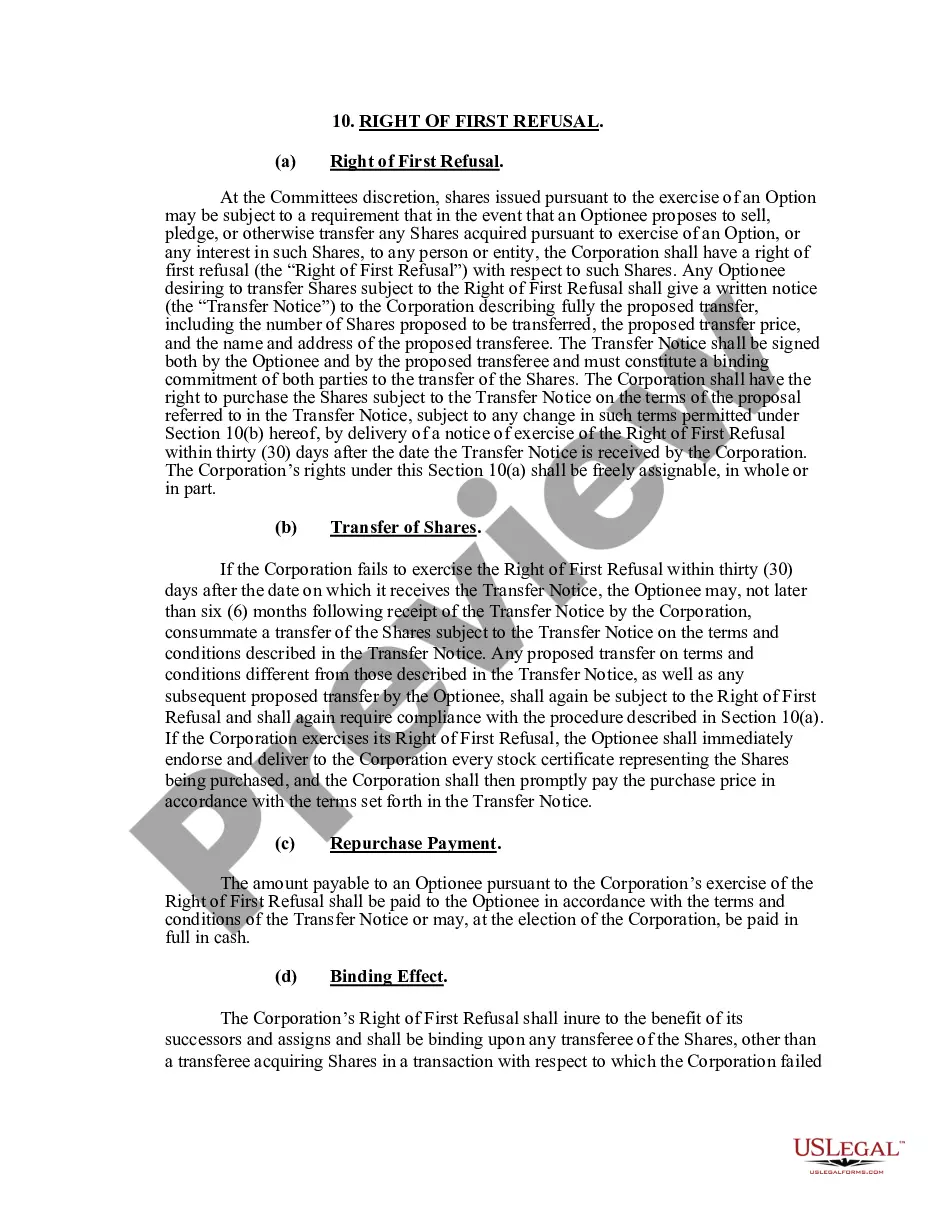






Form popularity
FAQ
Pros of writing a debt settlement letter While settling is never a guarantee, it may put you in a better financial position. If your request is accepted, debt settlement amounts settle on average for about 48% of the total balance, ing to a 2017 Fair Credit Council report.
Treat the following as a set of general guidelines: Gather complete information before you start writing. Describe your injuries and medical treatment. List your medical expenses, lost wages, and non-economic damages. Make a settlement demand. Include a deadline for legal action if you want to, but don't bluff.
In Utah, for most debts, a creditor has six years to take legal action on that unpaid debt. After the statute of limitations expires, a creditor or debt collector can no longer sue you for the debt.
Treat the following as a set of general guidelines: Gather complete information before you start writing. Describe your injuries and medical treatment. List your medical expenses, lost wages, and non-economic damages. Make a settlement demand. Include a deadline for legal action if you want to, but don't bluff.
Follow these steps to respond to a Utah debt collection case Follow these three steps to respond to a Summons and Complaint in Utah: Answer each claim listed in the Complaint document. Assert your affirmative defenses. File the Answer with the court and serve the plaintiff.
Re-aging debt refers to a restart of the clock on an old debt's statute of limitations. Re-aging debt can happen if a borrower talks to a creditor or debt collector about an old debt or makes a payment on one. Re-aging debt is good for debt collectors because it gives them greater legal rights to collect a debt.
Use this 11-word phrase to stop debt collectors: “Please cease and desist all calls and contact with me immediately.” You can use this phrase over the phone, in an email or letter, or both.
After the 3-6 year period passes, can the creditor still collect these debts from debtors? The lender or collection agency can still attempt to negotiate with the debtor, but they don't have much to work with. They are not legally able to bring any legal action against the debtor, so these actions usually fall flat.
What things should be included in the Full and Final Settlement Letter? Settlement Amount: Clearly state the finalized amount to be settled. Settlement Cheque: Provide details regarding the issuance of the settlement cheque. Resignation/Termination Date: Specify the date on which the employee resigned or was terminated.
What things should be included in the Full and Final Settlement Letter? Settlement Amount: Clearly state the finalized amount to be settled. Settlement Cheque: Provide details regarding the issuance of the settlement cheque. Resignation/Termination Date: Specify the date on which the employee resigned or was terminated.