Confirmation Of Settlement Letter For Payment In Salt Lake
Description
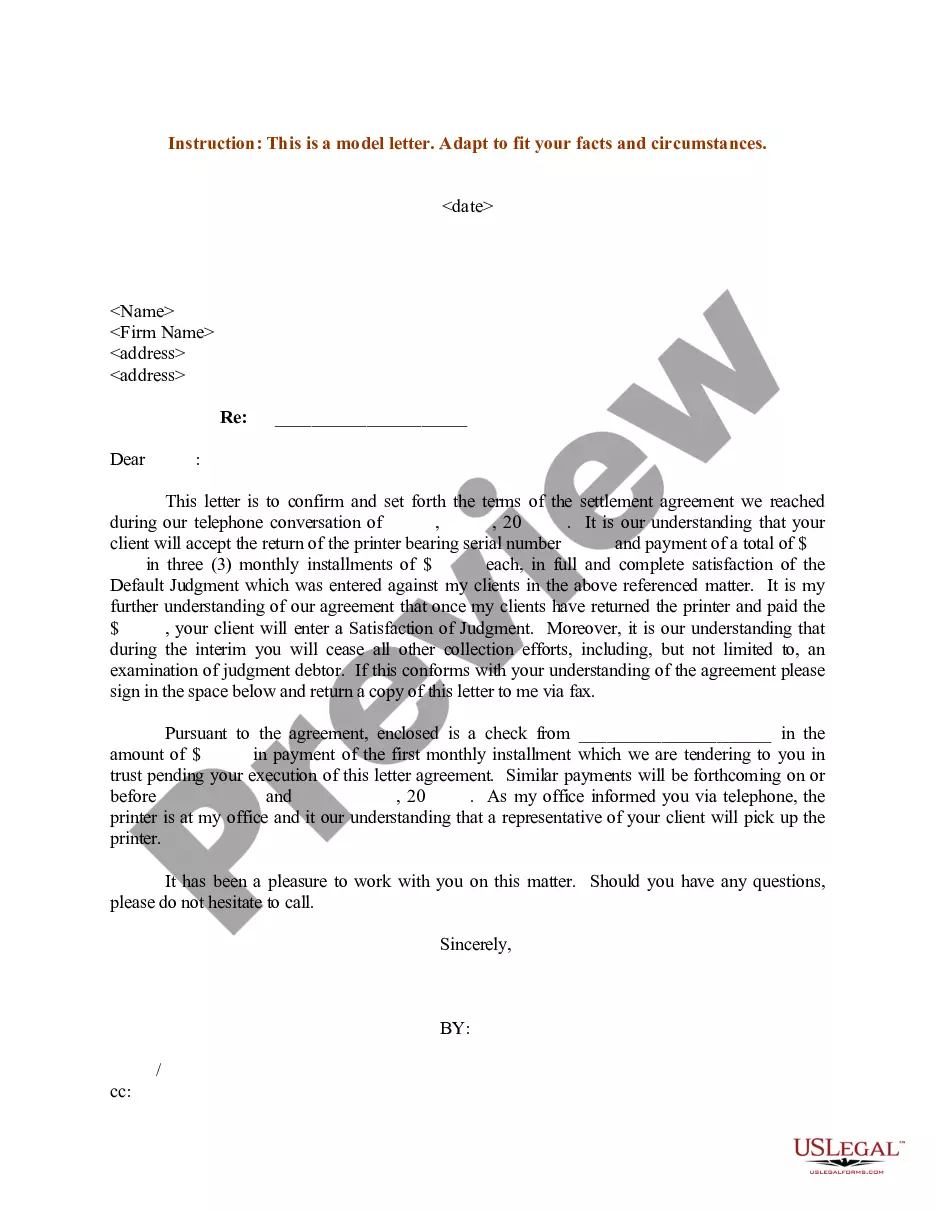
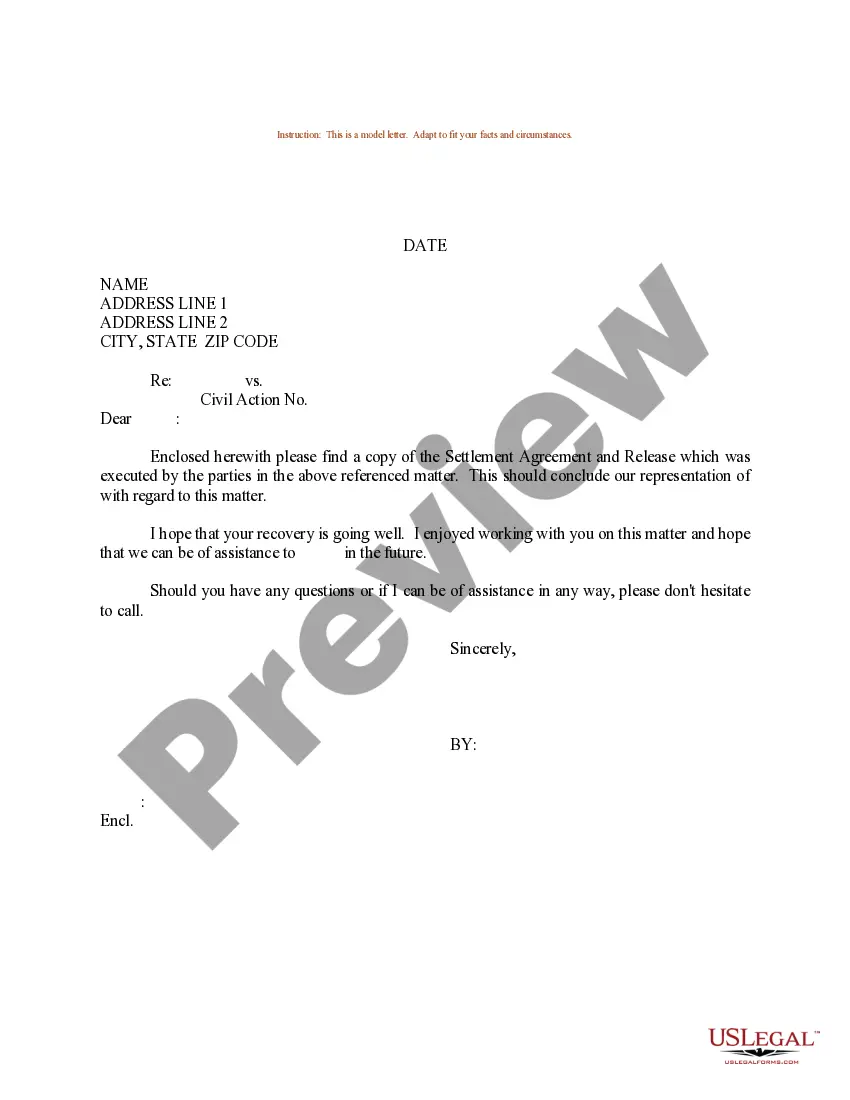
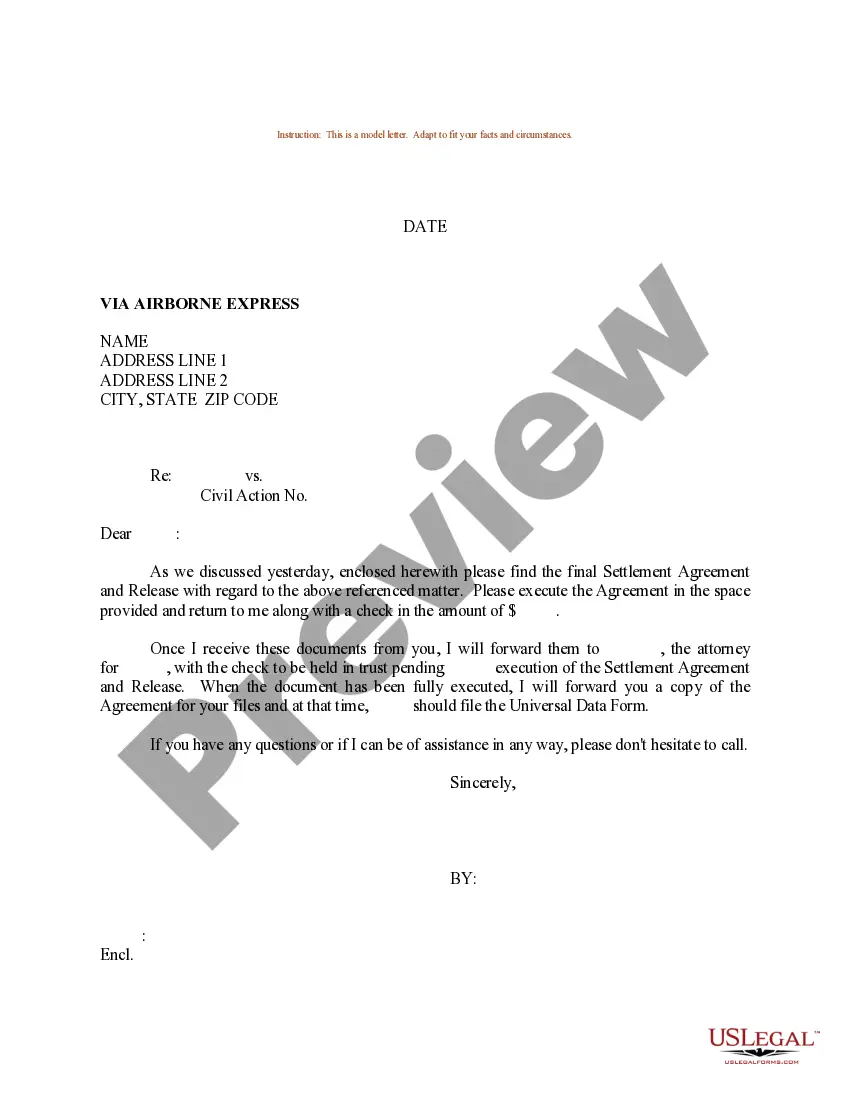
Get your form ready online
Our built-in tools help you complete, sign, share, and store your documents in one place.
Make edits, fill in missing information, and update formatting in US Legal Forms—just like you would in MS Word.
Download a copy, print it, send it by email, or mail it via USPS—whatever works best for your next step.
Sign and collect signatures with our SignNow integration. Send to multiple recipients, set reminders, and more. Go Premium to unlock E-Sign.
If this form requires notarization, complete it online through a secure video call—no need to meet a notary in person or wait for an appointment.
We protect your documents and personal data by following strict security and privacy standards.

Make edits, fill in missing information, and update formatting in US Legal Forms—just like you would in MS Word.

Download a copy, print it, send it by email, or mail it via USPS—whatever works best for your next step.

Sign and collect signatures with our SignNow integration. Send to multiple recipients, set reminders, and more. Go Premium to unlock E-Sign.

If this form requires notarization, complete it online through a secure video call—no need to meet a notary in person or wait for an appointment.

We protect your documents and personal data by following strict security and privacy standards.
Looking for another form?
Form popularity
FAQ
In Utah, for most debts, a creditor has six years to take legal action on that unpaid debt. After the statute of limitations expires, a creditor or debt collector can no longer sue you for the debt.
Use this 11-word phrase to stop debt collectors: “Please cease and desist all calls and contact with me immediately.” You can use this phrase over the phone, in an email or letter, or both.
Statutes of Limitations for Each State (In Number of Years) StateWritten contractsOpen-ended accounts (including credit cards) Utah 6 4 Vermont 6 6 Virginia 5 3 Washington 6 647 more rows
Harassment is strictly prohibited The Fair Debt Collection Practices Act (FDCPA) forbids debt collectors from harassing, oppressing, or abusing the debtor or anyone they contact regarding debt repayment. Some examples of harassment are: Repetitive phone calls made with the intent to annoy, abuse, or harass.
Small Claims court is less formal, and you do not need an attorney to represent you. The filing fees are due at the time you file the affidavit.
You don't have to have a minimum amount of monetary damages in order to go to court. Small claims court by definition will have a maximum amount of potential damages, but if you, say, promise a kid 50 cents if he brings you your mail, and he takes off with your two quarters, you can theoretically sue to get it back.
About Small Claims Small claims cases are governed by Utah Code Title 78a, Chapter 8. There are simplified rules for Small Claims found in the Rules of Small Claims Procedures of the Utah Code. The maximum amount you may sue for in Small Claims action is $20,000.
Your debt settlement proposal letter must be formal and clearly state your intentions and what you expect from your creditors. You should also include all the key information your creditor will need to locate your account on their system, which includes: Your full name used on the account. Your full address.
The Nuts and Bolts of a Demand Letter Gather complete information before you start writing. Describe your injuries and medical treatment. List your medical expenses, lost wages, and non-economic damages. Make a settlement demand. Include a deadline for legal action if you want to, but don't bluff.
I am applying to make a repayment arrangement on the grounds of financial hardship. I assume you will stay all enforcement action while you consider my application. If this is not possible, please let me know immediately in writing. I have been in financial hardship because (give a reason).