Settlement Confirmation Letter Without Prejudice In Phoenix
Description


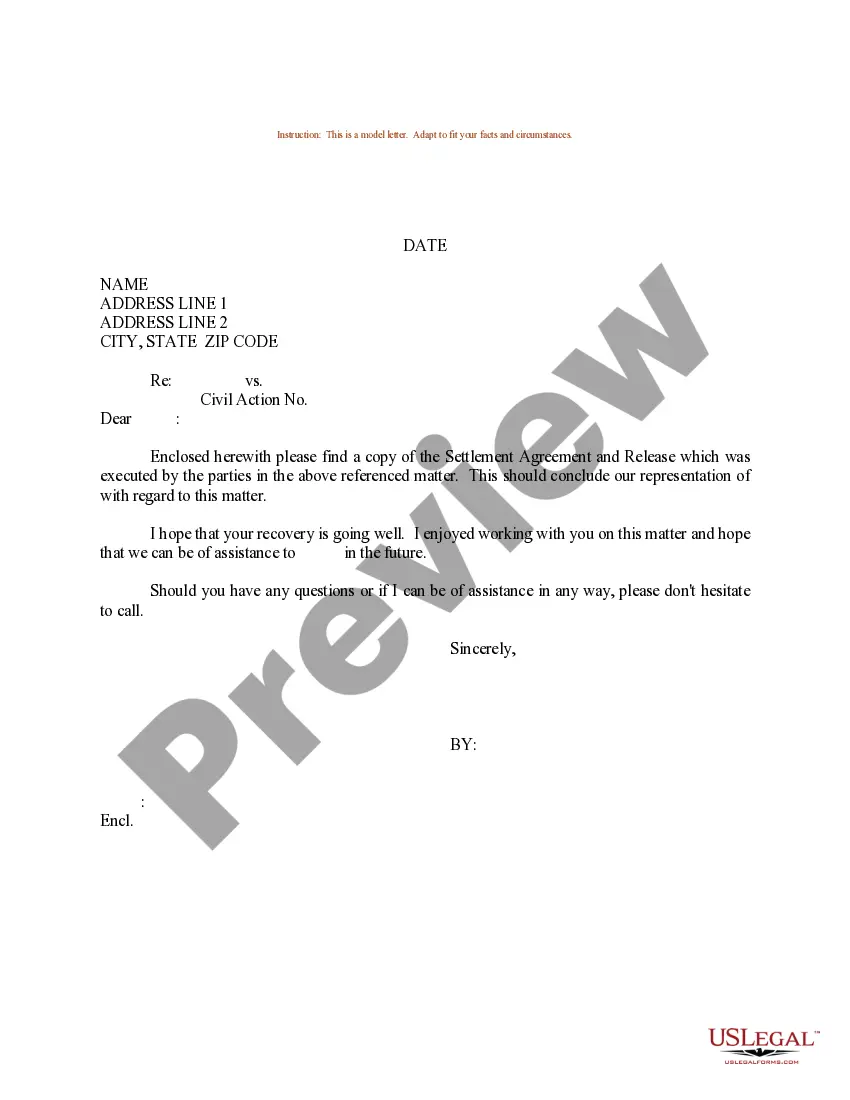
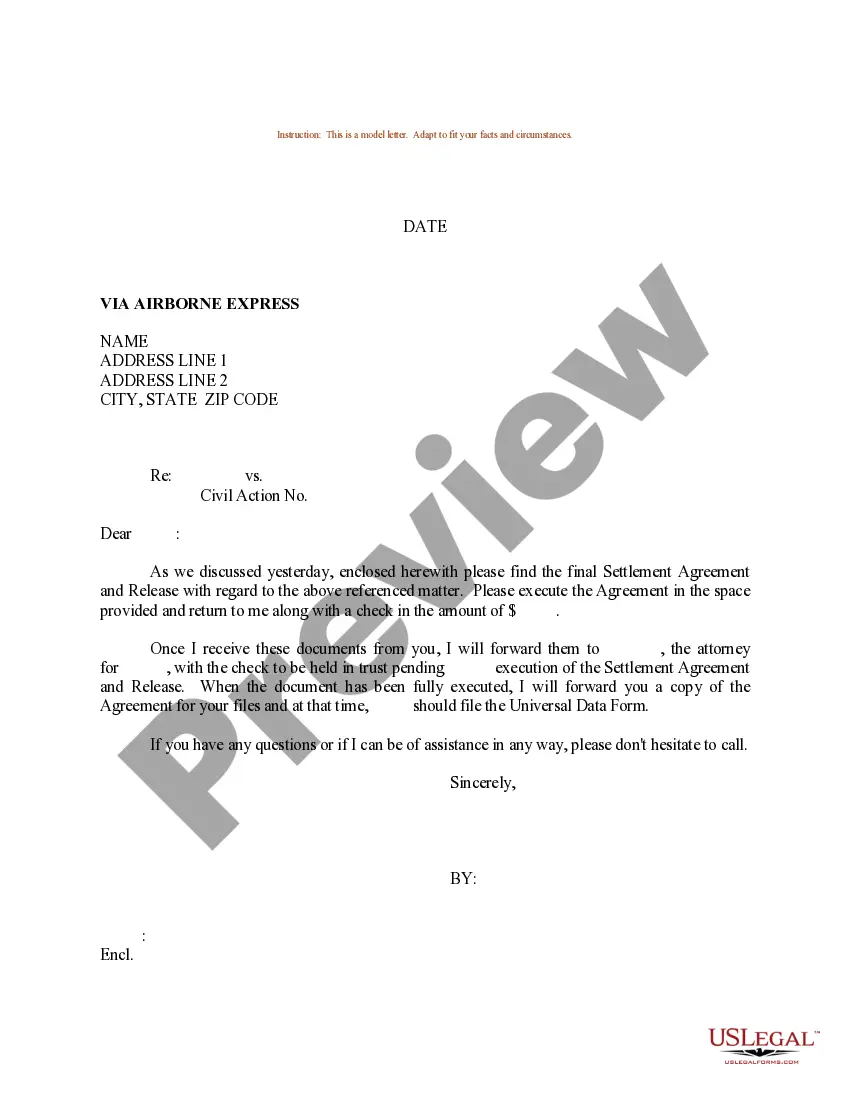
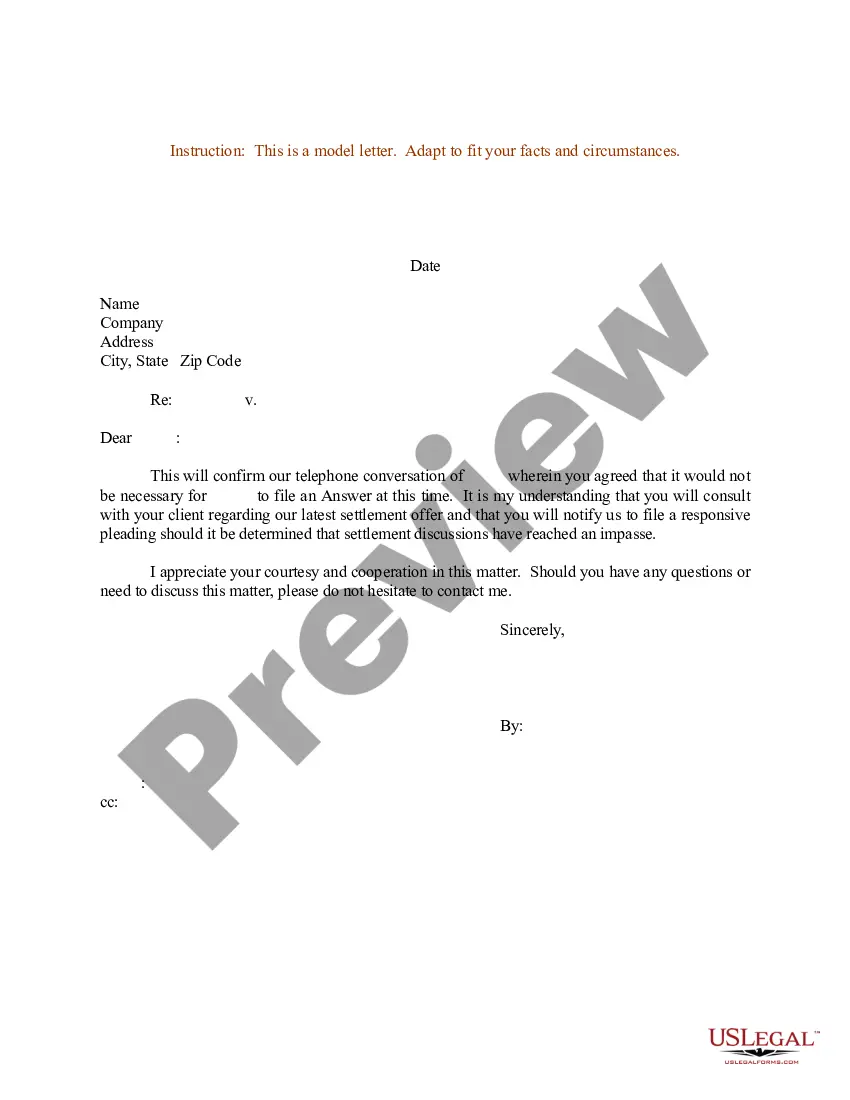
Get your form ready online
Our built-in tools help you complete, sign, share, and store your documents in one place.
Make edits, fill in missing information, and update formatting in US Legal Forms—just like you would in MS Word.
Download a copy, print it, send it by email, or mail it via USPS—whatever works best for your next step.
Sign and collect signatures with our SignNow integration. Send to multiple recipients, set reminders, and more. Go Premium to unlock E-Sign.
If this form requires notarization, complete it online through a secure video call—no need to meet a notary in person or wait for an appointment.
We protect your documents and personal data by following strict security and privacy standards.

Make edits, fill in missing information, and update formatting in US Legal Forms—just like you would in MS Word.

Download a copy, print it, send it by email, or mail it via USPS—whatever works best for your next step.

Sign and collect signatures with our SignNow integration. Send to multiple recipients, set reminders, and more. Go Premium to unlock E-Sign.

If this form requires notarization, complete it online through a secure video call—no need to meet a notary in person or wait for an appointment.

We protect your documents and personal data by following strict security and privacy standards.
Looking for another form?





Form popularity
FAQ
The plaintiff files a document (complaint) with the clerk of the court stating the reasons why the plaintiff is suing the defendant, and what action the plaintiff wants the court to take. A copy of the complaint and a summons are delivered to (served on) the defendant.
You don't have to have a minimum amount of monetary damages in order to go to court. Small claims court by definition will have a maximum amount of potential damages, but if you, say, promise a kid 50 cents if he brings you your mail, and he takes off with your two quarters, you can theoretically sue to get it back.
You start a lawsuit by filing a complaint. In some circumstances, you file a petition or a motion. The court has several complaint forms that you may use in drafting your complaint. The forms are available online and at the Pro Se Intake Unit.
A plaintiff representing herself may obtain and fill out a prepared Complaint form from the Clerk of the Court at the courthouse or online at each county court website or by visiting . The Complaint must be filed with the Clerk of the appropriate court.
Many types of cases can be filed in small claims court, and it isn't uncommon to see someone suing for $500.
To file a small claims or civil lawsuit in Justice Court, fill out a Complaint, Summons, Answer Form and take it to the Justice Court in which the incident occurred or in which one or both of the parties reside. Then file the claim to receive a case number for the action.
After you've been served with a complaint. If you are the “defendant” (the person being sued) in a small claims case , you do not need to file anything with the court if you have been served with a Small Claims Affidavit of Complaint. You simply need to attend your small claims court date to defend yourself.
A small claims lawsuit is a claim against another party for damages of an amount less than $3,500.00. These lawsuits are designed to resolve civil disputes in front of a small claims hearing officer or a Justice of the Peace.
Minimum and Maximum Amounts for Small Claims As of the latest rules, there is no minimum amount required to file a small claims case. However, there is a maximum amount that the claim must not exceed. The current ceiling for small claims cases in first-level courts in the Philippines is PHP 400,000.
Dismissal without prejudice means that the judge dismissed the plaintiff's or prosecutor's case without damaging their right to have their matter heard in court later. A prosecutor may ask to withdraw the case against a person to have more time to make a case stronger, find more evidence or question other witnesses.