Confirmation And Settlement Process In Minnesota
Description


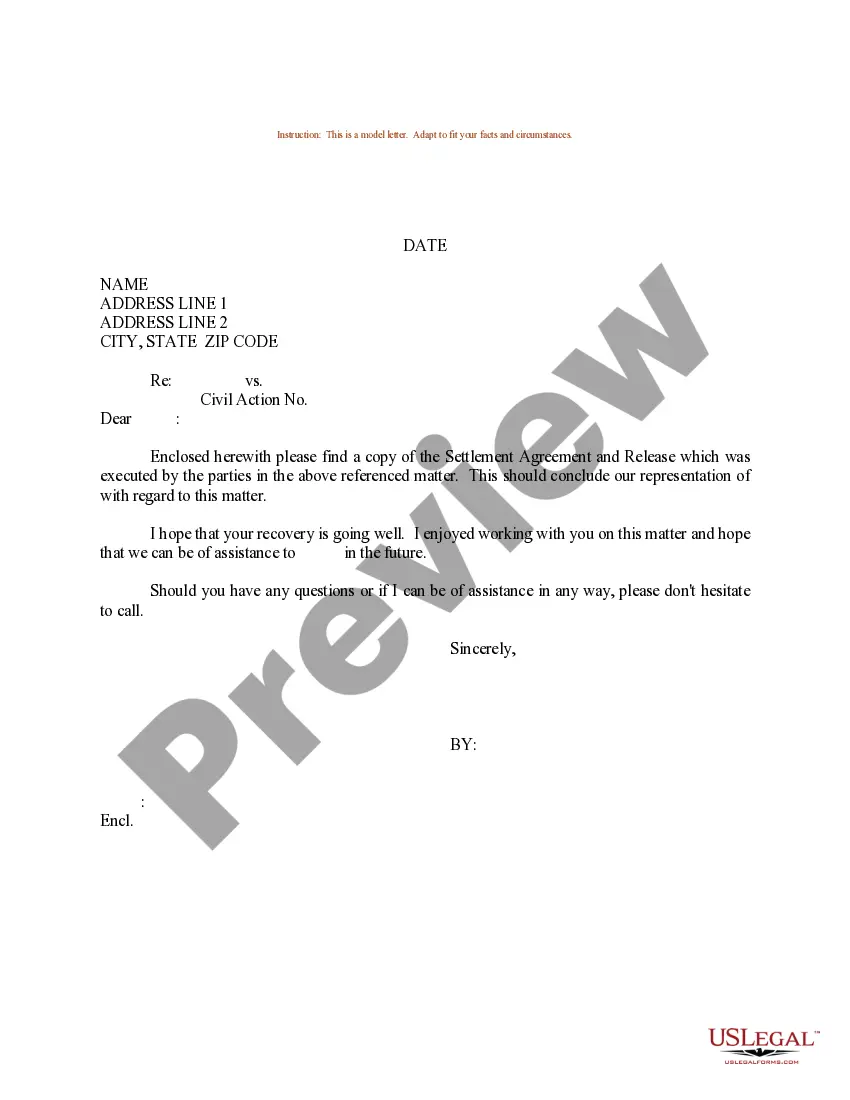
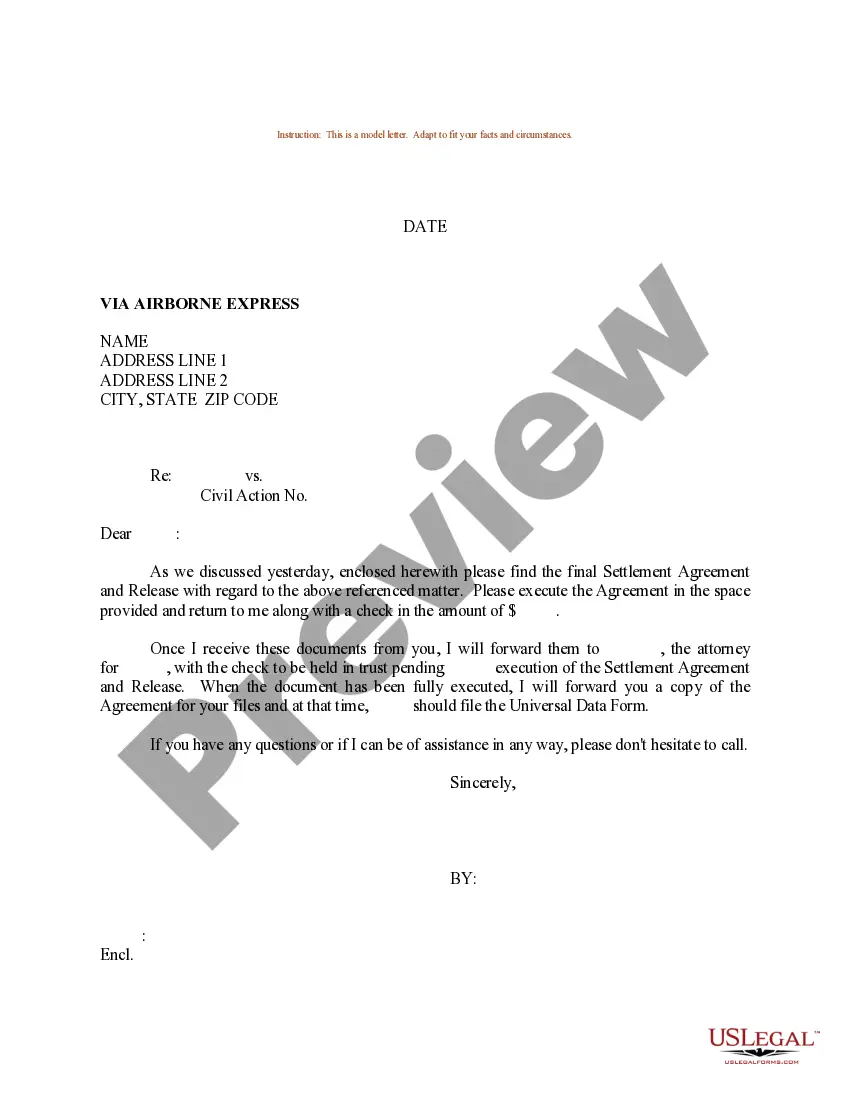
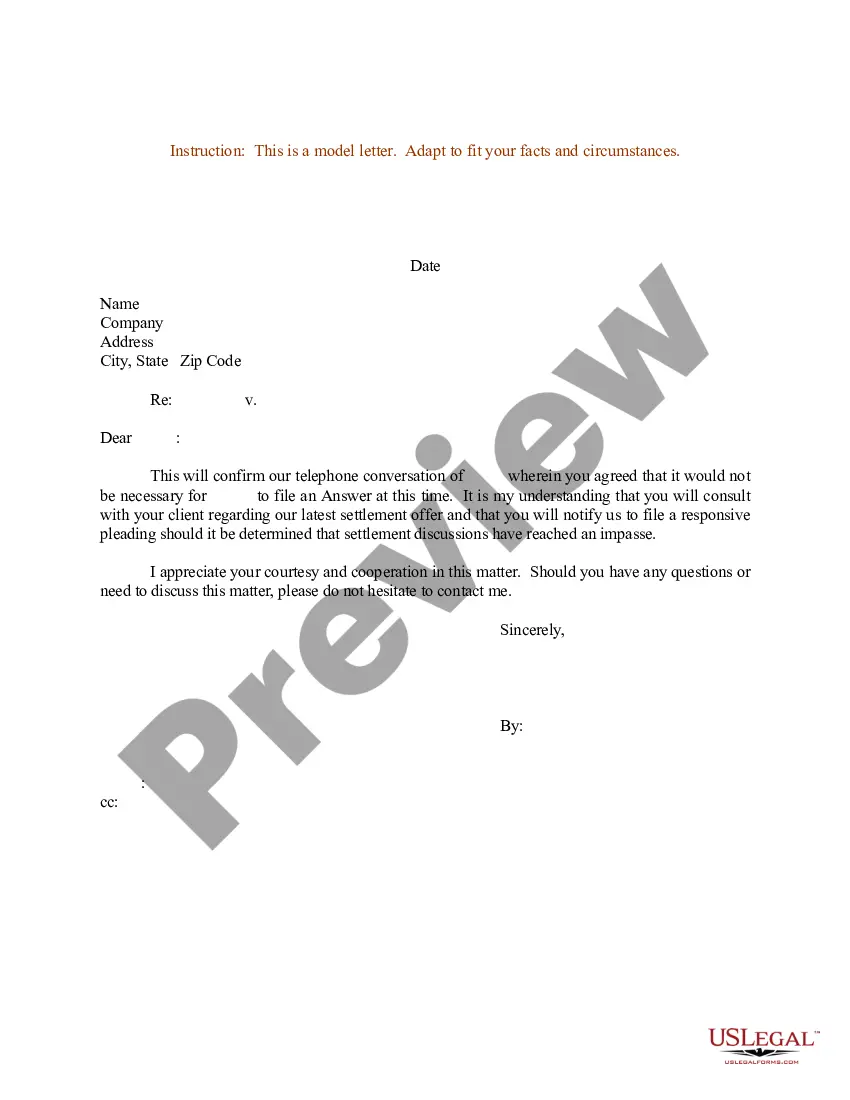
Get your form ready online
Our built-in tools help you complete, sign, share, and store your documents in one place.
Make edits, fill in missing information, and update formatting in US Legal Forms—just like you would in MS Word.
Download a copy, print it, send it by email, or mail it via USPS—whatever works best for your next step.
Sign and collect signatures with our SignNow integration. Send to multiple recipients, set reminders, and more. Go Premium to unlock E-Sign.
If this form requires notarization, complete it online through a secure video call—no need to meet a notary in person or wait for an appointment.
We protect your documents and personal data by following strict security and privacy standards.

Make edits, fill in missing information, and update formatting in US Legal Forms—just like you would in MS Word.

Download a copy, print it, send it by email, or mail it via USPS—whatever works best for your next step.

Sign and collect signatures with our SignNow integration. Send to multiple recipients, set reminders, and more. Go Premium to unlock E-Sign.

If this form requires notarization, complete it online through a secure video call—no need to meet a notary in person or wait for an appointment.

We protect your documents and personal data by following strict security and privacy standards.
Looking for another form?










Form popularity
FAQ
Some of the most common delays in getting your lump-sum settlement or taking your workers' compensation case to a hearing include: Problems getting in to see medical professionals who can provide an opinion about your injuries. Waiting periods to get your case heard in front of a judge.
Generally, the workers' compensation settlements range from $2,000 to $40,000, although some may settle for millions.
Overall, permanent restrictions make it clear the individual will never recover fully or earn to the same extent they could pre-injury. This lifetime loss of earnings and limited capacity rightfully translate into higher settlement values.
Does a process server have to be licensed in Minnesota? No. Visit ServeNow's Become a Process Server page for more information. Unless otherwise ordered by the court, the sheriff or any other person not less than 18 years of age and not a party to the action, may make service of a summons or other process.
Timeline of How to File a Lawsuit Step 1: File a Complaint. Plaintiff files a complaint and summons with the local county court. Step 2: Answer Complaint. Step 3: Discovery. Step 4: Failing to Respond to Discovery. Step 5: Conclusion of Lawsuit.
Rule 69. In aid of the judgment or execution, the judgment creditor, or successor in interest when that interest appears of record, may obtain discovery from any person, including the judgment debtor, in the manner provided by these rules.
Personal service upon an individual in the state shall be accomplished by delivering a copy of the summons and complaint, notice, motion, or other document to the individual personally or by leaving a copy at the individual's house or usual place of residence with some person of suitable age and discretion who ...
Service of summons within the state shall be as follows: (a) Upon an Individual. Upon an individual by delivering a copy to the individual personally or by leaving a copy at the individual's usual place of abode with some person of suitable age and discretion then residing therein.
When do I file my civil lawsuit? Civil actions (except family cases) need to be filed with the court within one year after service of the summons and complaint on the defendant. See Rule 5.04 of the MN Rules of Civil Procedure.
Injuries to the brain and head often have the highest value in workers' compensation claims, as they can have life-altering consequences. Severe injuries to the spinal cord may also be eligible for higher values in a workers' compensation claim.