Confirmation Letter Sample For Audit In Massachusetts
Description


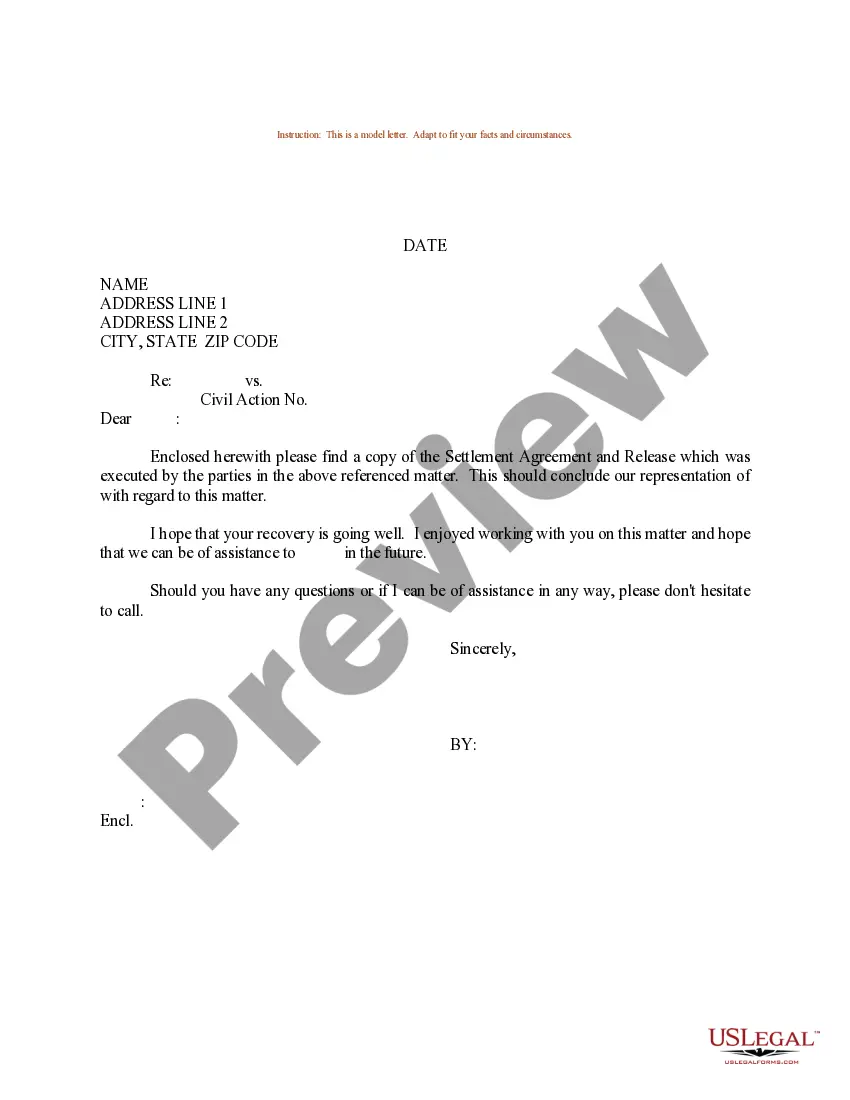
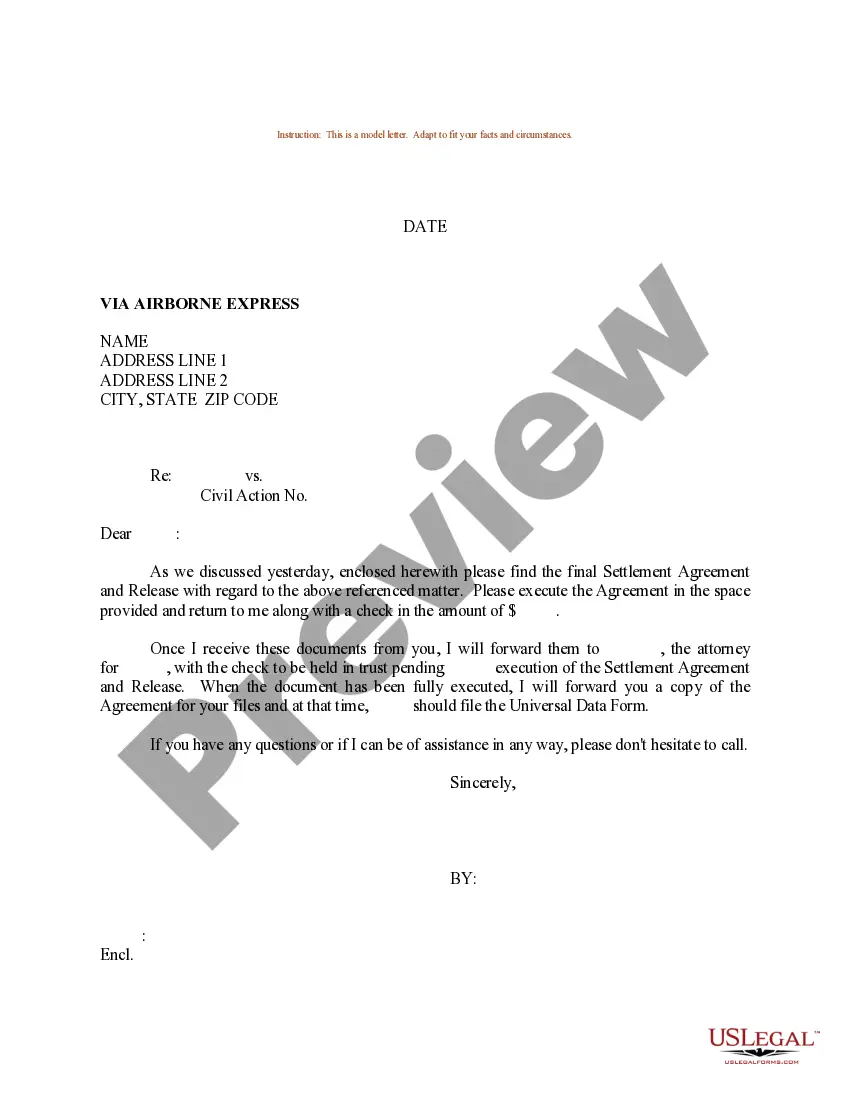
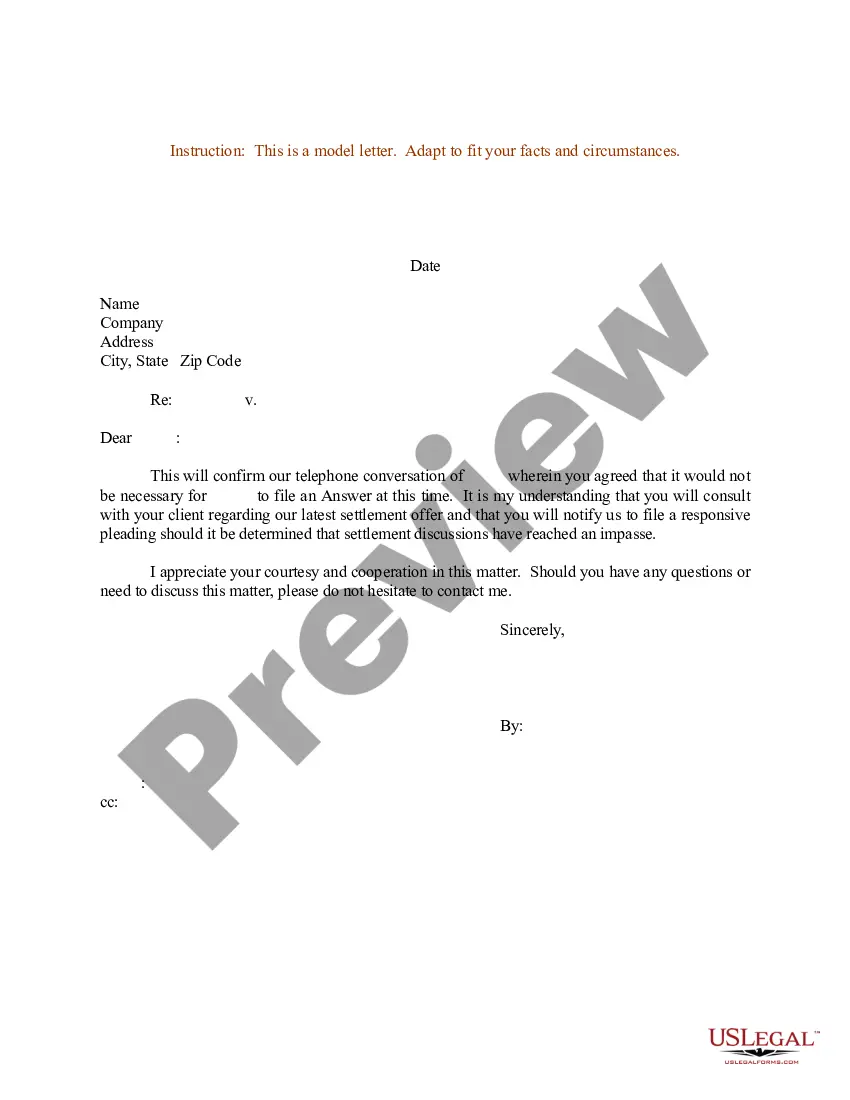
Get your form ready online
Our built-in tools help you complete, sign, share, and store your documents in one place.
Make edits, fill in missing information, and update formatting in US Legal Forms—just like you would in MS Word.
Download a copy, print it, send it by email, or mail it via USPS—whatever works best for your next step.
Sign and collect signatures with our SignNow integration. Send to multiple recipients, set reminders, and more. Go Premium to unlock E-Sign.
If this form requires notarization, complete it online through a secure video call—no need to meet a notary in person or wait for an appointment.
We protect your documents and personal data by following strict security and privacy standards.

Make edits, fill in missing information, and update formatting in US Legal Forms—just like you would in MS Word.

Download a copy, print it, send it by email, or mail it via USPS—whatever works best for your next step.

Sign and collect signatures with our SignNow integration. Send to multiple recipients, set reminders, and more. Go Premium to unlock E-Sign.

If this form requires notarization, complete it online through a secure video call—no need to meet a notary in person or wait for an appointment.

We protect your documents and personal data by following strict security and privacy standards.
Looking for another form?
Form popularity
FAQ
Here are the key elements to include: Acknowledge the Email. Start your reply by acknowledging the audit confirmation request. Provide the Requested Information. Clarify Any Discrepancies (If Applicable) ... Offer Further Assistance. End with a Professional Closing.
Professional Reply Acknowledge the Email. Start your reply by acknowledging the audit confirmation request. Provide the Requested Information. Clarify Any Discrepancies (If Applicable) ... Offer Further Assistance. End with a Professional Closing.
The IRS performs audits by mail or in person. The notice you receive will have specific information about why your return is being examined, what documents if any they need from you, and how you should proceed. Once the IRS completes the examination, it may accept your return as filed or propose changes.
You fundamentally have three ways of responding: Agreement and corrective action plan. If you agree with the audit finding, simply say so, then move on with a corrective plan of action. Disagreement. When you disagree with the finding, proceed with caution. No response.
An audit letter is a written request for information about a person or entity being audited, usually sent to an attorney, banker, or other relevant party. The letter asks for details about pending or threatened litigation that may affect the audit.
Ensure your responses directly address the audit issues. Need to define coordinator for the action plan (who is responsible to ensure completion). Need an expected date of completion that makes sense. Need to coordinate efforts, decide technical ownership vs. functional ownership of an issue.
Here are three tips you should keep in mind to increase the effectiveness of your reply. Restate The Information That Was Confirmed. It may seem redundant but restating the information that you confirmed is a smart move. Declare What You Will Do With The Confirmed Information. Ask For Further Confirmation If Needed.
An IRS audit letter typically contains the taxpayer's name, tax ID number, contact information, and a request for additional documentation to support claims on the tax return. It may also include the name of the IRS officer handling the case and invite the taxpayer to a meeting.
10 Best Practices for Writing a Digestible Audit Report Reference everything. Include a reference section. Use figures, visuals, and text stylization. Contextualize the audit. Include positive and negative findings. Ensure every issue incorporates the five C's of observations. Include detailed observations.
As mentioned, auditors send confirmation letters to third-parties. This could be a bank, lawyer or supplier. For example, a letter may be sent to a company's lawyers to determine whether there's any pending litigation that needs to be reported or disclosed in the company's audited financial statements.