Confirmation Of Settlement Letter Format In Maryland
Description


Get your form ready online
Our built-in tools help you complete, sign, share, and store your documents in one place.
Make edits, fill in missing information, and update formatting in US Legal Forms—just like you would in MS Word.
Download a copy, print it, send it by email, or mail it via USPS—whatever works best for your next step.
Sign and collect signatures with our SignNow integration. Send to multiple recipients, set reminders, and more. Go Premium to unlock E-Sign.
If this form requires notarization, complete it online through a secure video call—no need to meet a notary in person or wait for an appointment.
We protect your documents and personal data by following strict security and privacy standards.

Make edits, fill in missing information, and update formatting in US Legal Forms—just like you would in MS Word.

Download a copy, print it, send it by email, or mail it via USPS—whatever works best for your next step.

Sign and collect signatures with our SignNow integration. Send to multiple recipients, set reminders, and more. Go Premium to unlock E-Sign.

If this form requires notarization, complete it online through a secure video call—no need to meet a notary in person or wait for an appointment.

We protect your documents and personal data by following strict security and privacy standards.
Looking for another form?




Form popularity
FAQ
Use this form to certify to the court that documents were mailed or hand delivered to a party in a case.
Enter the Case Number Enter your case number using one of the following formats: 99-12345. -cv-12345.
An electronic certificate of good standing will be emailed to you within five business days. All certificates are valid for ninety days from issuance.
Rule 19-735 - Resignation of Attorney (a)Application. An application to resign from the practice of law in this State shall be submitted in writing under oath to the Supreme Court, with a copy to Bar Counsel.
A Maryland Statement of Probable Cause is an integral element of the state's criminal law system. It's a legally required document provided by law enforcement and reviewed by a commissioner, explaining why an individual was arrested.
Once an insurer receives an insurance claim, they may test your resolve by tabling a settlement offer. You can reject the first settlement offer to set the ground for settlement negotiations. A personal injury attorney can compile various sources of evidence to convince the insurer to a higher valuation of your losses.
If you accept a settlement offer, you and the other party will sign it. The document will outline the settlement's terms, including the agreed-upon compensation amount. You should read it entirely and ensure you understand it. A settlement agreement is legally binding—once you sign it, you cannot change it.
State the settlement offer you are willing to accept and the reasons why. You can repeat the position you stated in the first demand letter. Your attorney can advise you on whether you should stick with the amount stated in your first demand letter or if you should present a counteroffer.
Treat the following as a set of general guidelines: Gather complete information before you start writing. Describe your injuries and medical treatment. List your medical expenses, lost wages, and non-economic damages. Make a settlement demand. Include a deadline for legal action if you want to, but don't bluff.
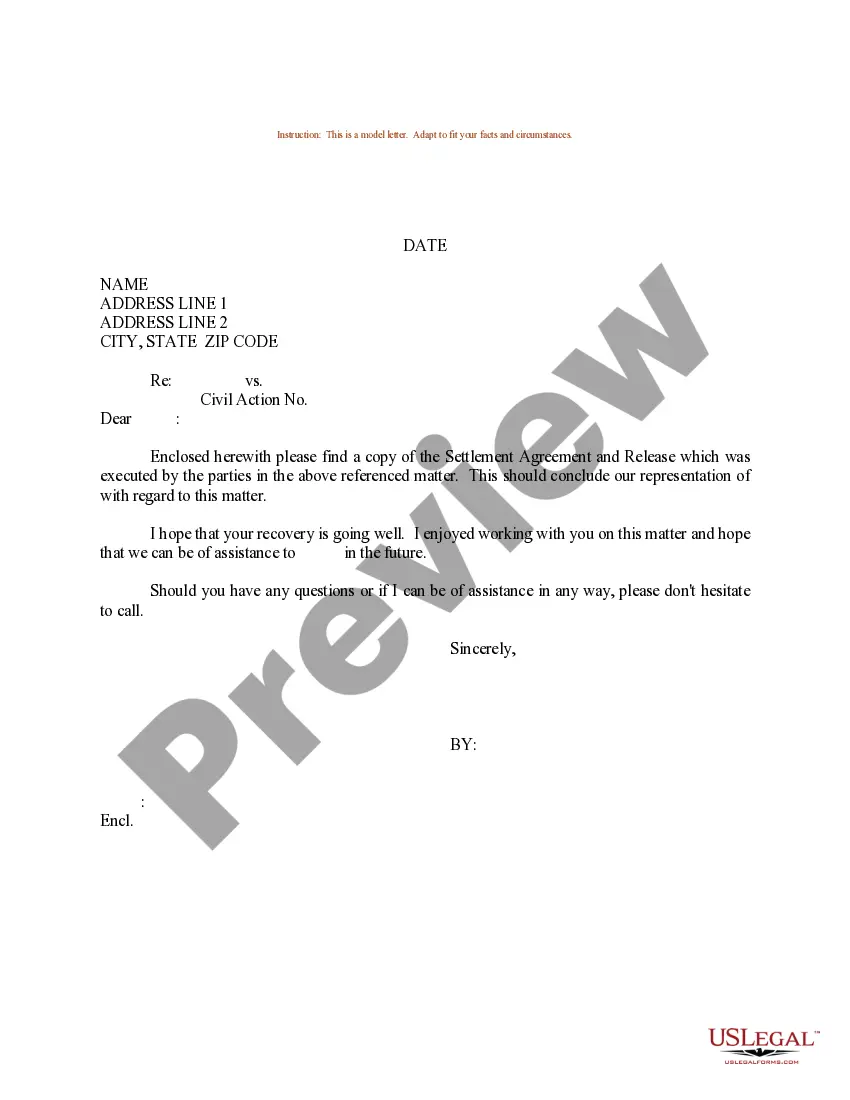
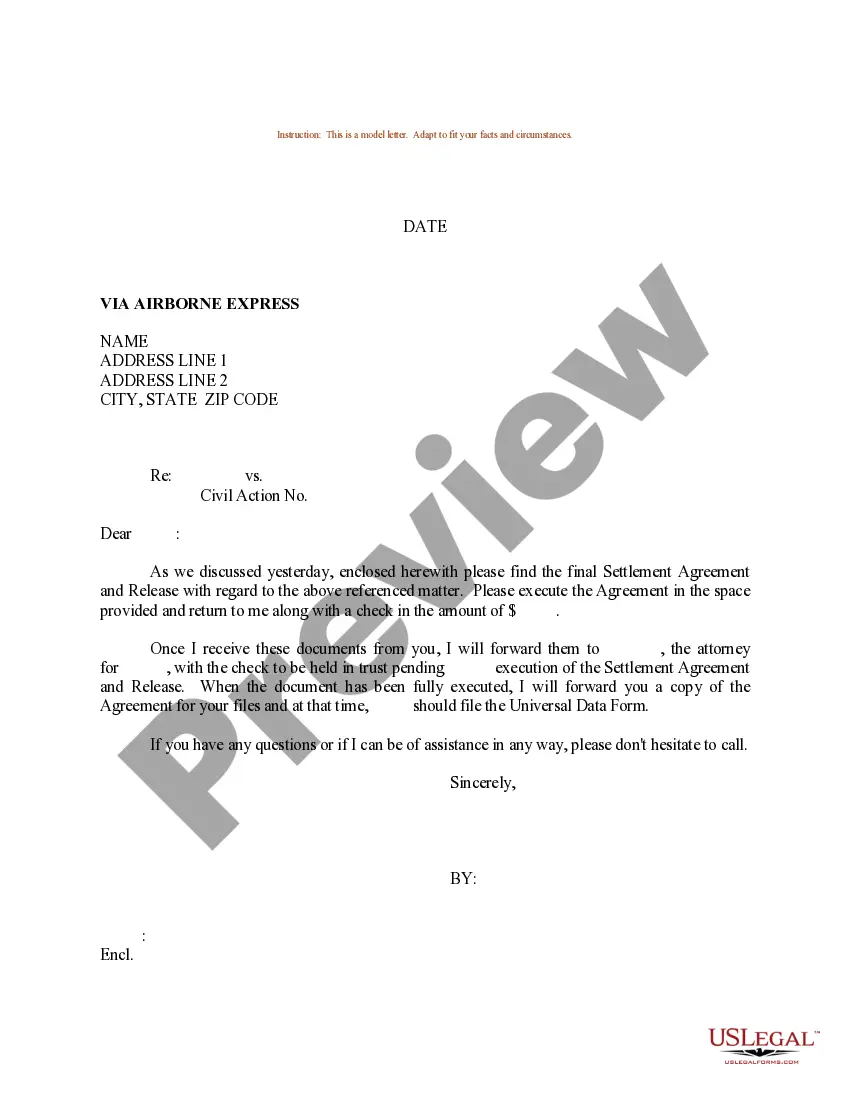
Format for Full and Final Settlement Letter The letter is to be written formally and mention all the details with regard to the settlement. Date: The date on which the letter is issued. Employee Information: Name, designation, employee ID, and the last working day.