Confirmation Letter For Speaking Engagement In Kings
Description

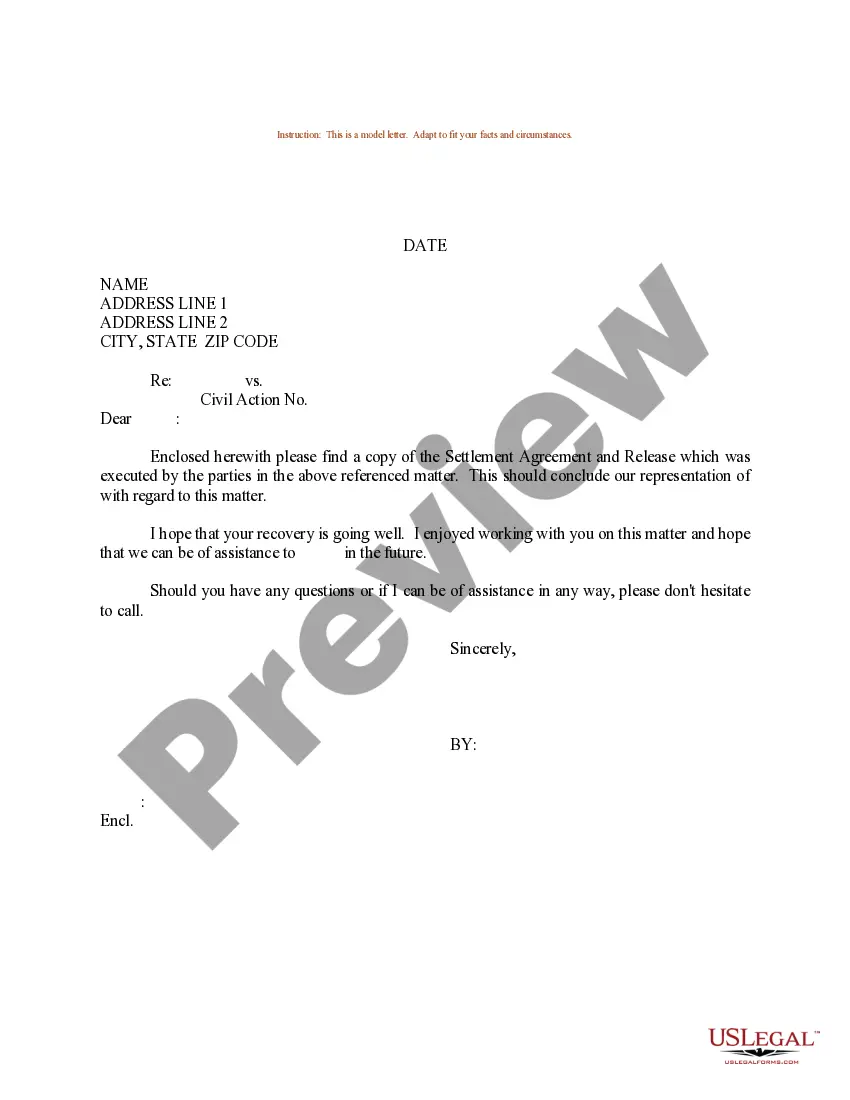
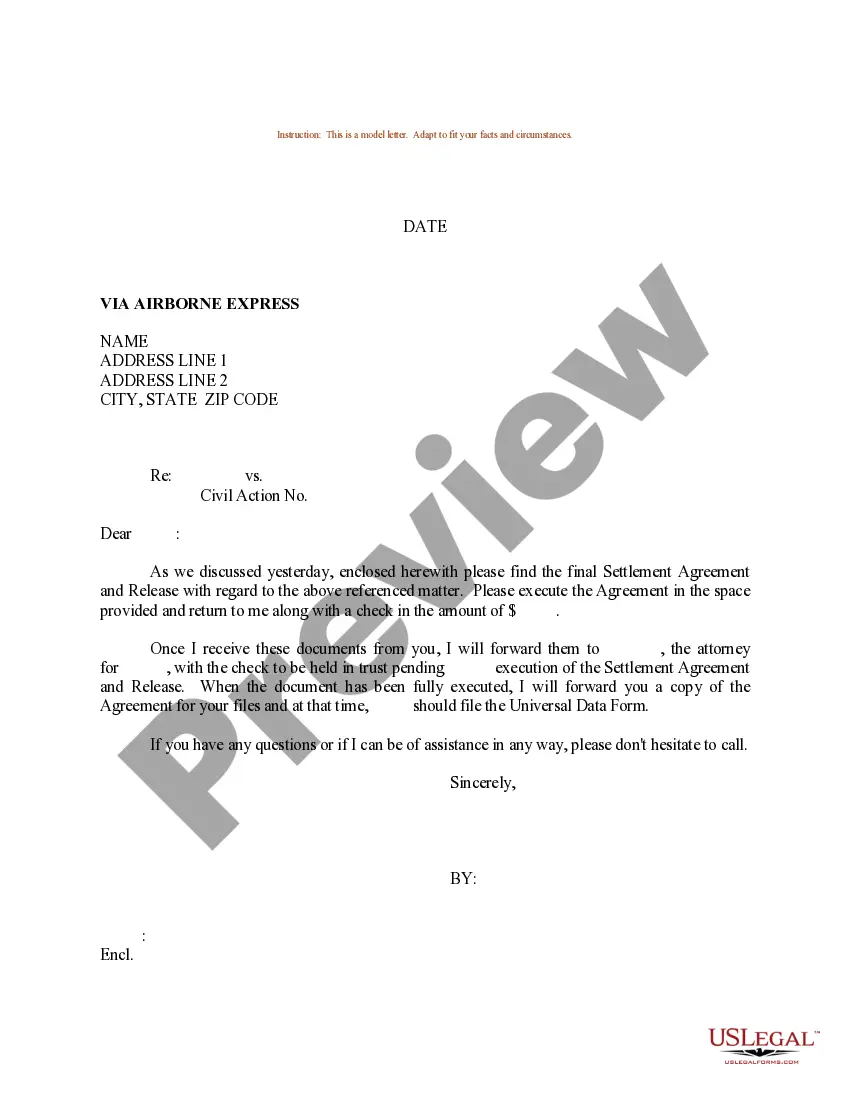
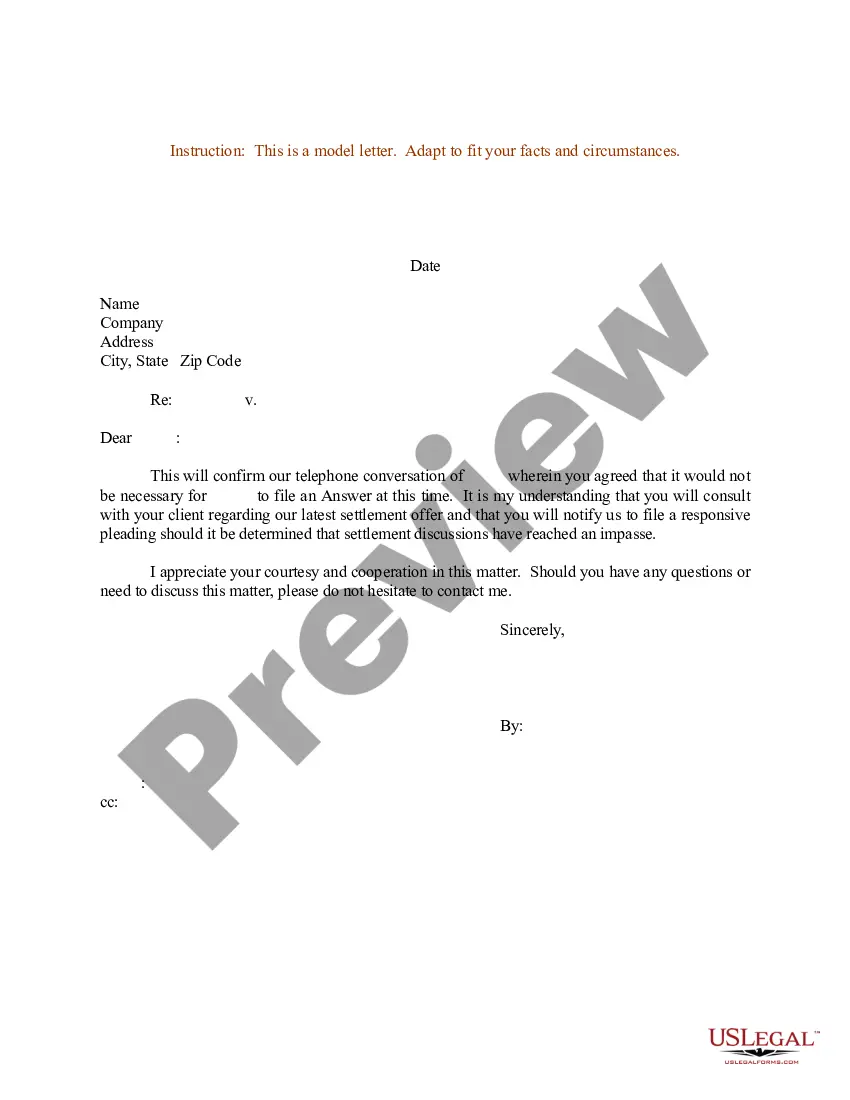
Get your form ready online
Our built-in tools help you complete, sign, share, and store your documents in one place.
Make edits, fill in missing information, and update formatting in US Legal Forms—just like you would in MS Word.
Download a copy, print it, send it by email, or mail it via USPS—whatever works best for your next step.
Sign and collect signatures with our SignNow integration. Send to multiple recipients, set reminders, and more. Go Premium to unlock E-Sign.
If this form requires notarization, complete it online through a secure video call—no need to meet a notary in person or wait for an appointment.
We protect your documents and personal data by following strict security and privacy standards.

Make edits, fill in missing information, and update formatting in US Legal Forms—just like you would in MS Word.

Download a copy, print it, send it by email, or mail it via USPS—whatever works best for your next step.

Sign and collect signatures with our SignNow integration. Send to multiple recipients, set reminders, and more. Go Premium to unlock E-Sign.

If this form requires notarization, complete it online through a secure video call—no need to meet a notary in person or wait for an appointment.

We protect your documents and personal data by following strict security and privacy standards.
Looking for another form?







Form popularity
FAQ
How to write a confirmation email Start with a clear and specific subject line. Personalize the greeting. Confirm the action taken by the recipient. Provide the necessary details about the action. Include a call to action (CTA) guiding the next steps. Offer a way to contact for further assistance.
Body of the Letter Introduce yourself. Say something about your family or your background. Request the Sacrament. Explain how you have prepared for the Sacrament. Tell how you will continue to carry out your life of service to God and others through the power of the Holy Spirit.
9 steps to send a brilliant confirmation message email Add the right recipients. Write an appealing subject line. Address the recipient or customer by their first name. Communicate the purpose briefly. List out all key details. Ask questions or request more information. Show appreciation. Add your customer support details.
Introduce yourself. Include your name, parish, and a bit about who you are. Request the sacrament. Give reasons why you would like to be confirmed. Describe your preparation journey. Describe your relationship with God. Tell the Bishop what name you have chosen for confirmation and why.
Could you please acknowledge receipt of this email and the attached document(s), so we can ensure the safe delivery of these materials? Thank you for your attention, and should you have any questions or need clarification, don't hesitate to contact me.
Here is how to write a confirmation email in 10 steps: Specify the recipients. Add the email addresses of the recipient or recipients in the email address bar. Write a subject line. Craft a greeting. State the purpose of the email. List the details. Request additional information. Ask questions. Express gratitude.
SAMPLE SPEAKER CONFIRMATION LETTER Dear <Name>: Thank you for agreeing to serve as an author/presenter/speaker at our upcoming CME activity, <title of activity>, to be held <date> at <location>. Your presentation on <title of presentation> is scheduled to begin at <time>.
Bishop: Dips his right thumb in the Chrism and makes the sign of the cross on the forehead of the one to be confirmed, as he says: “(Name), be sealed with the gift of the Holy Spirit.” Newly confirmed: Amen. Bishop: Peace be with you. Newly confirmed: And with your spirit.
I am writing you today to request to receive the Sacrament of Confirmation. I want to be confirmed because I want to deepen my relationship with Jesus. I know that when I receive the gifts of the Holy Spirit, I will be more fully equipped to face the challenges that I will have in the future.
Here is how to write a confirmation email in 10 steps: Specify the recipients. Add the email addresses of the recipient or recipients in the email address bar. Write a subject line. Craft a greeting. State the purpose of the email. List the details. Request additional information. Ask questions. Express gratitude.