Settlement Agreement Cover Letter With No Experience In Houston
Description


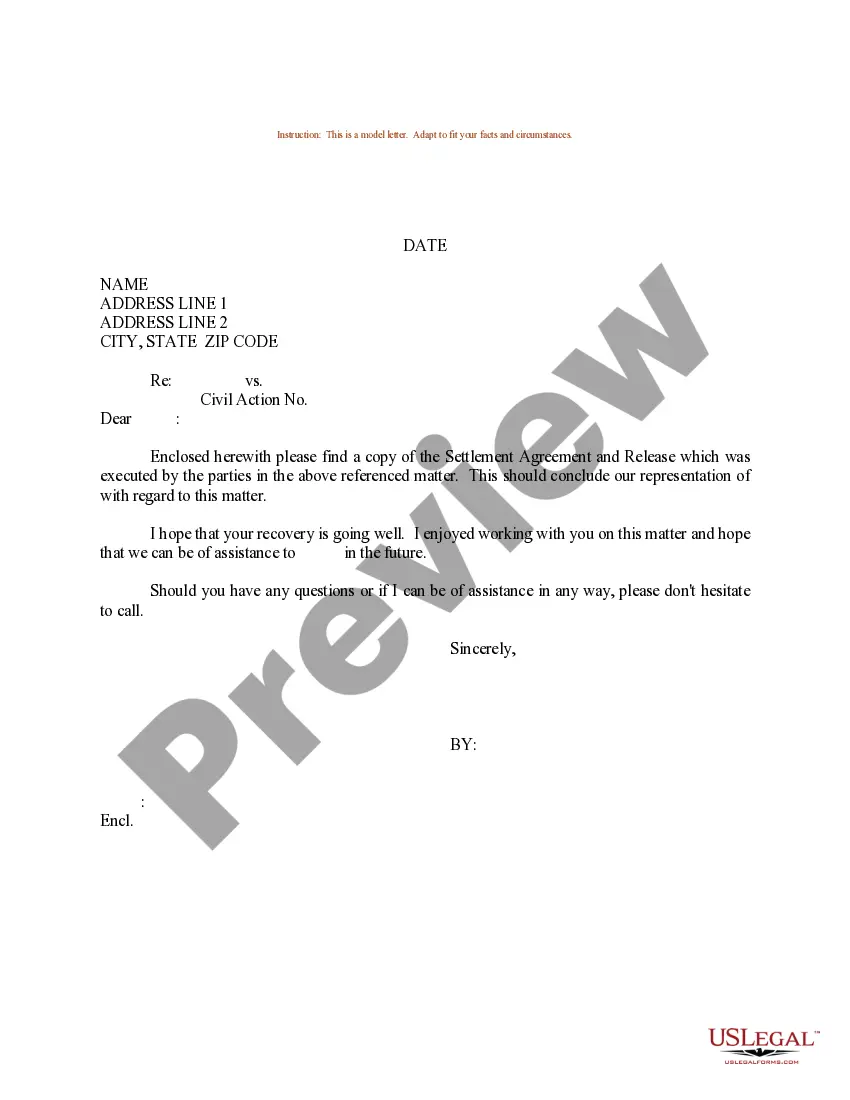
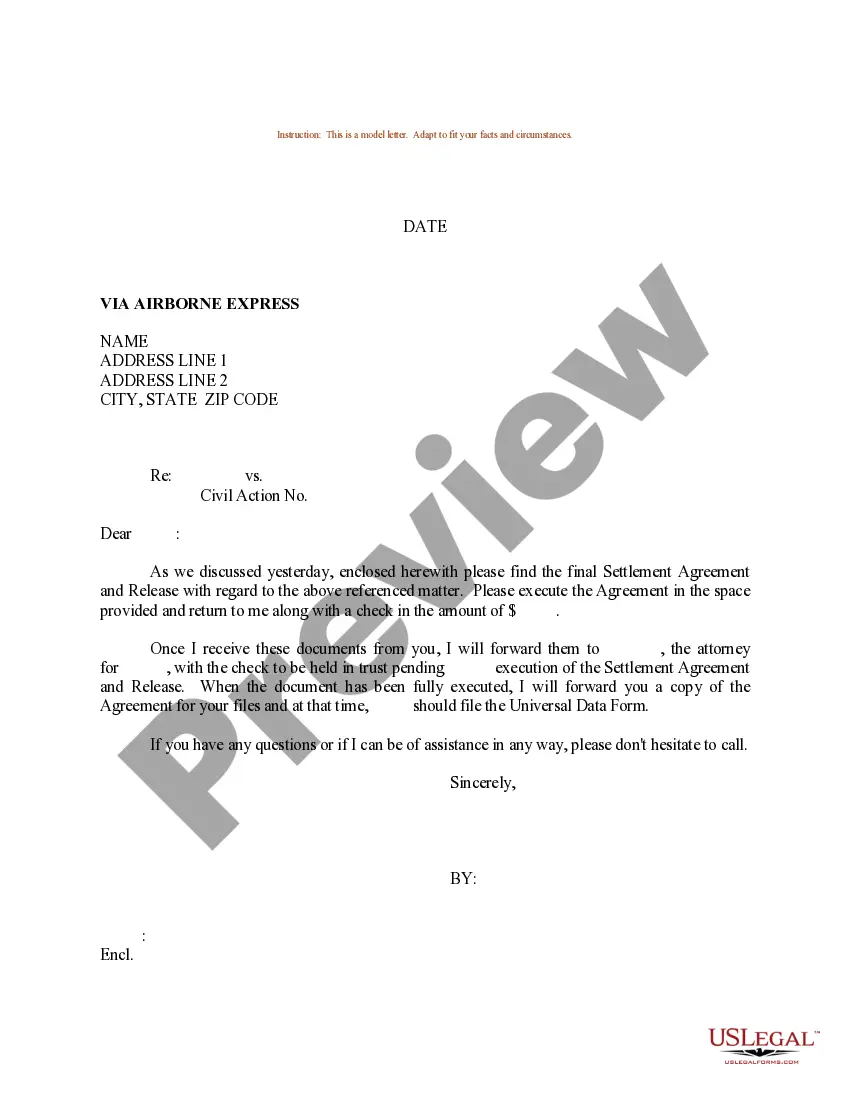
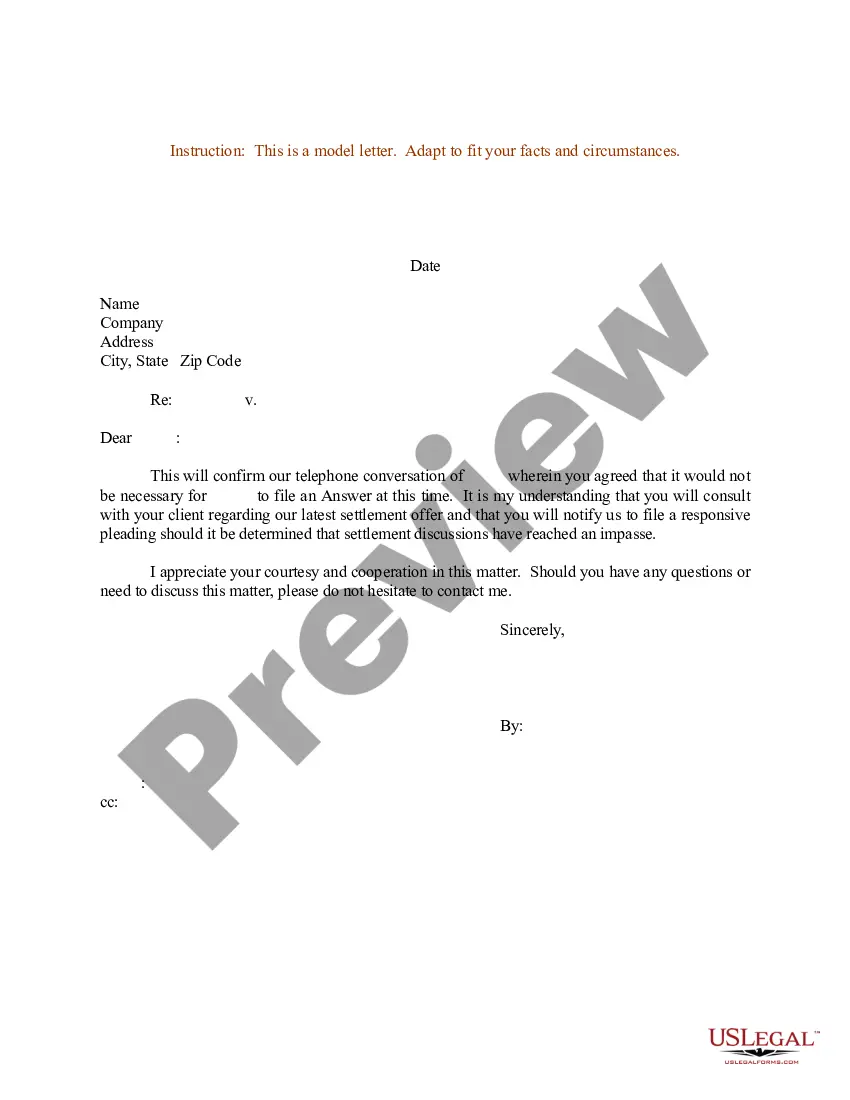
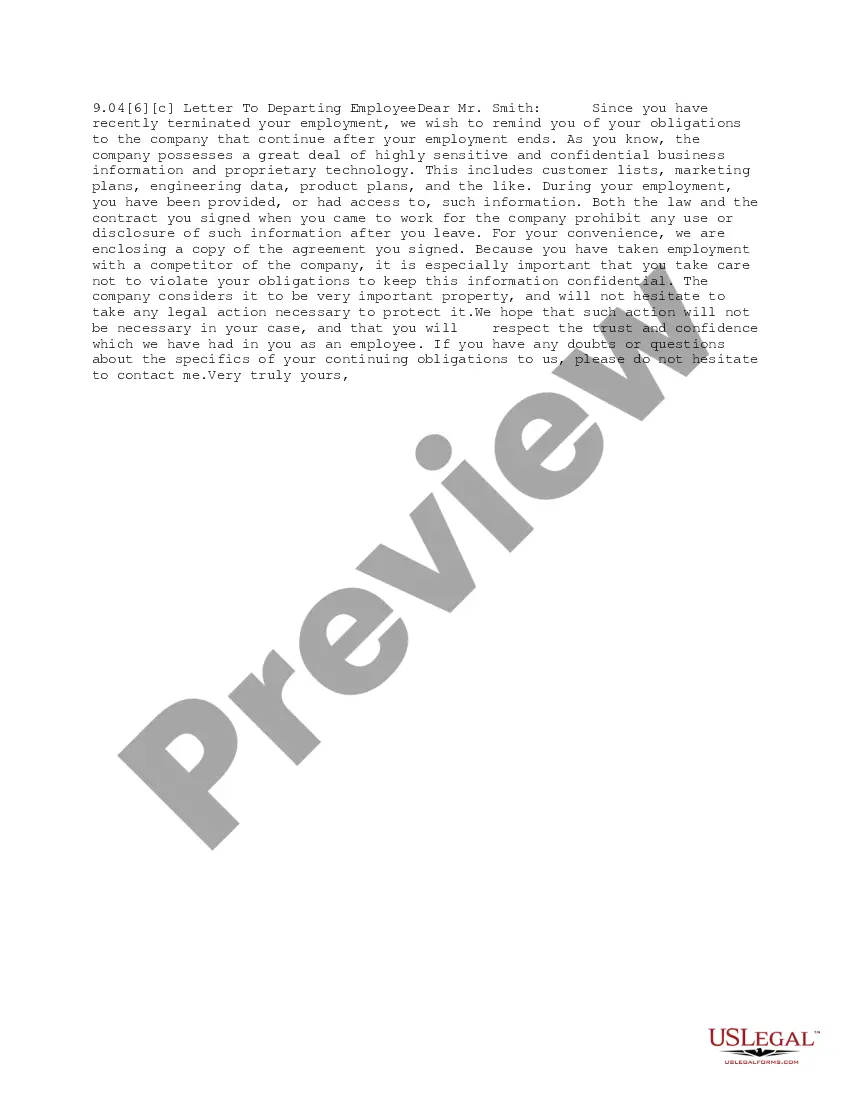
Get your form ready online
Our built-in tools help you complete, sign, share, and store your documents in one place.
Make edits, fill in missing information, and update formatting in US Legal Forms—just like you would in MS Word.
Download a copy, print it, send it by email, or mail it via USPS—whatever works best for your next step.
Sign and collect signatures with our SignNow integration. Send to multiple recipients, set reminders, and more. Go Premium to unlock E-Sign.
If this form requires notarization, complete it online through a secure video call—no need to meet a notary in person or wait for an appointment.
We protect your documents and personal data by following strict security and privacy standards.

Make edits, fill in missing information, and update formatting in US Legal Forms—just like you would in MS Word.

Download a copy, print it, send it by email, or mail it via USPS—whatever works best for your next step.

Sign and collect signatures with our SignNow integration. Send to multiple recipients, set reminders, and more. Go Premium to unlock E-Sign.

If this form requires notarization, complete it online through a secure video call—no need to meet a notary in person or wait for an appointment.

We protect your documents and personal data by following strict security and privacy standards.
Looking for another form?





Form popularity
FAQ
The parties involved in the case start the settlement process by exchanging information. This phase is essential because it allows each party to understand the facts of the case and their position. Lawyers are not strictly necessary when going through the resolution process.
The Nuts and Bolts of a Demand Letter Gather complete information before you start writing. Describe your injuries and medical treatment. List your medical expenses, lost wages, and non-economic damages. Make a settlement demand. Include a deadline for legal action if you want to, but don't bluff.
A settlement agreement is always in writing, and both parties must agree to the provisions in the settlement agreement. Also, both parties must sign the settlement agreement for it to be legally binding. A settlement agreement will resolve a civil lawsuit.
You do not need a lawyer to settle but this is something your attorney will advise you on based on the specific details of your situation. Hopefully, you get the not-so-subtle suggestion of getting an attorney. Self-representation in a lawsuit is a terrible idea, probably only second to ignoring it.
While parties can negotiate settlement agreements on their own, having a lawyer can be highly beneficial, especially in complex cases like medical malpractice or intricate employment disputes.
Drafting a settlement agreement Consult with legal counsel. Always get legal advice when drafting or entering into a settlement agreement. Detail the dispute. Clearly outline the nature of the dispute and the reasons for the settlement. Specify terms. Include a release. Maintain confidentiality. Sign and date.
I am writing this letter to state that on _ (Day) i.e. (Date), I got relieved from your _ (Company/ Organization) but my full and final settlement has not been done. I request you to kindly do the full and final settlement and send me all dues (if any).
Don't forget legal requirements. Maintain a polite, neutral tone. Outline the facts clearly. Explain the costs or "damages" you've incurred. Make your total demand explicit. Ask for more than you want to allow for negotiation. Specify a response deadline. Explain what you will do if the demand isn't met.
Treat the following as a set of general guidelines: Gather complete information before you start writing. Describe your injuries and medical treatment. List your medical expenses, lost wages, and non-economic damages. Make a settlement demand. Include a deadline for legal action if you want to, but don't bluff.