Confirmation And Settlement Process In Fulton
Description


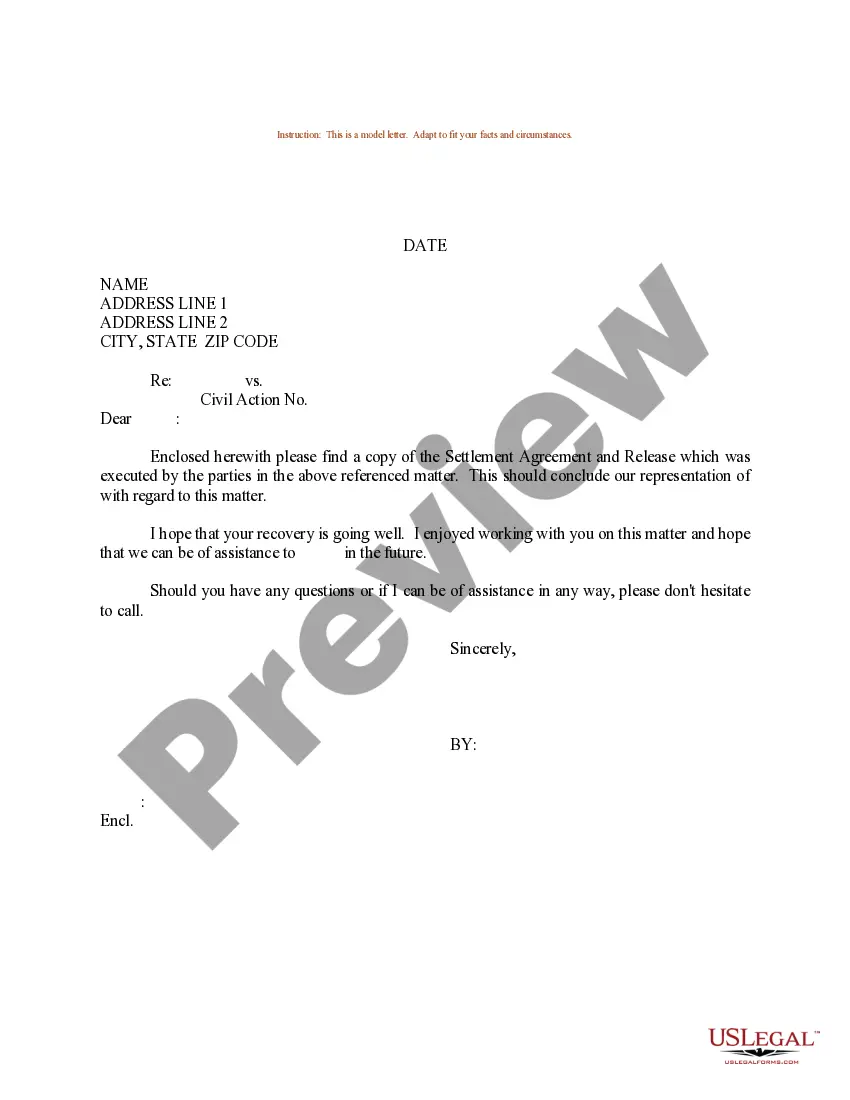
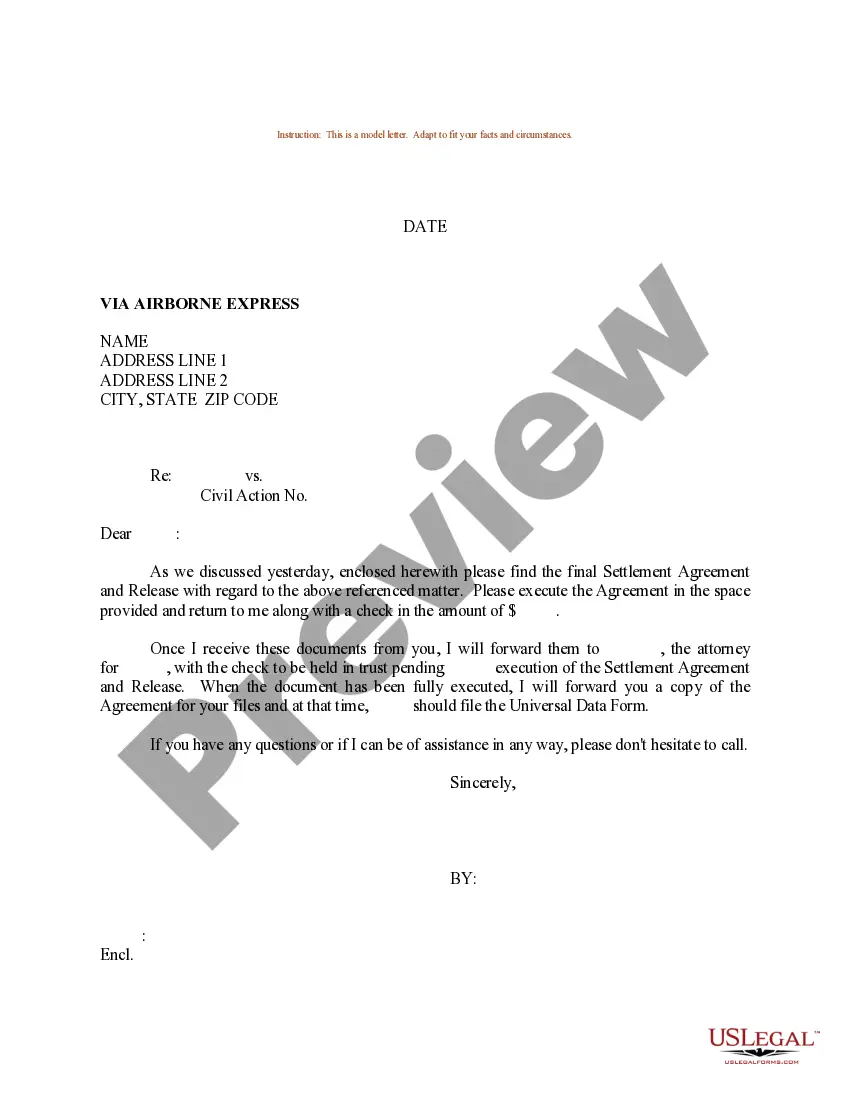
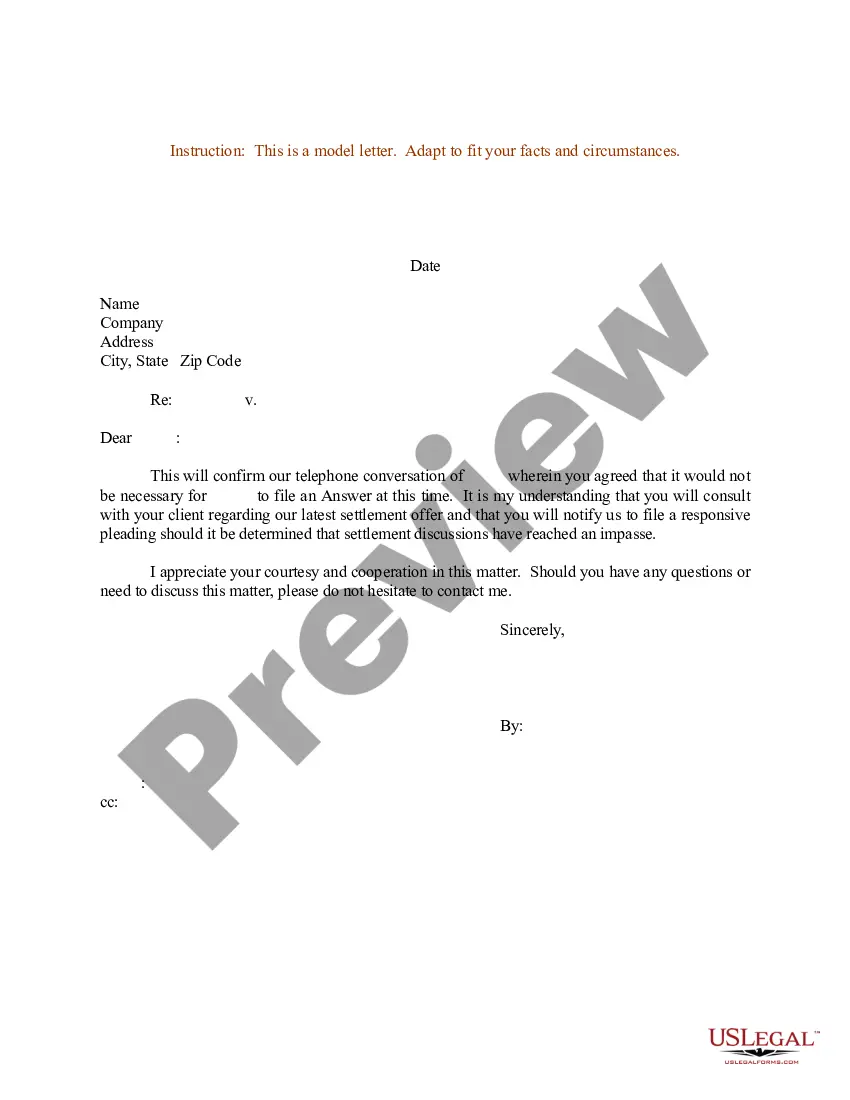
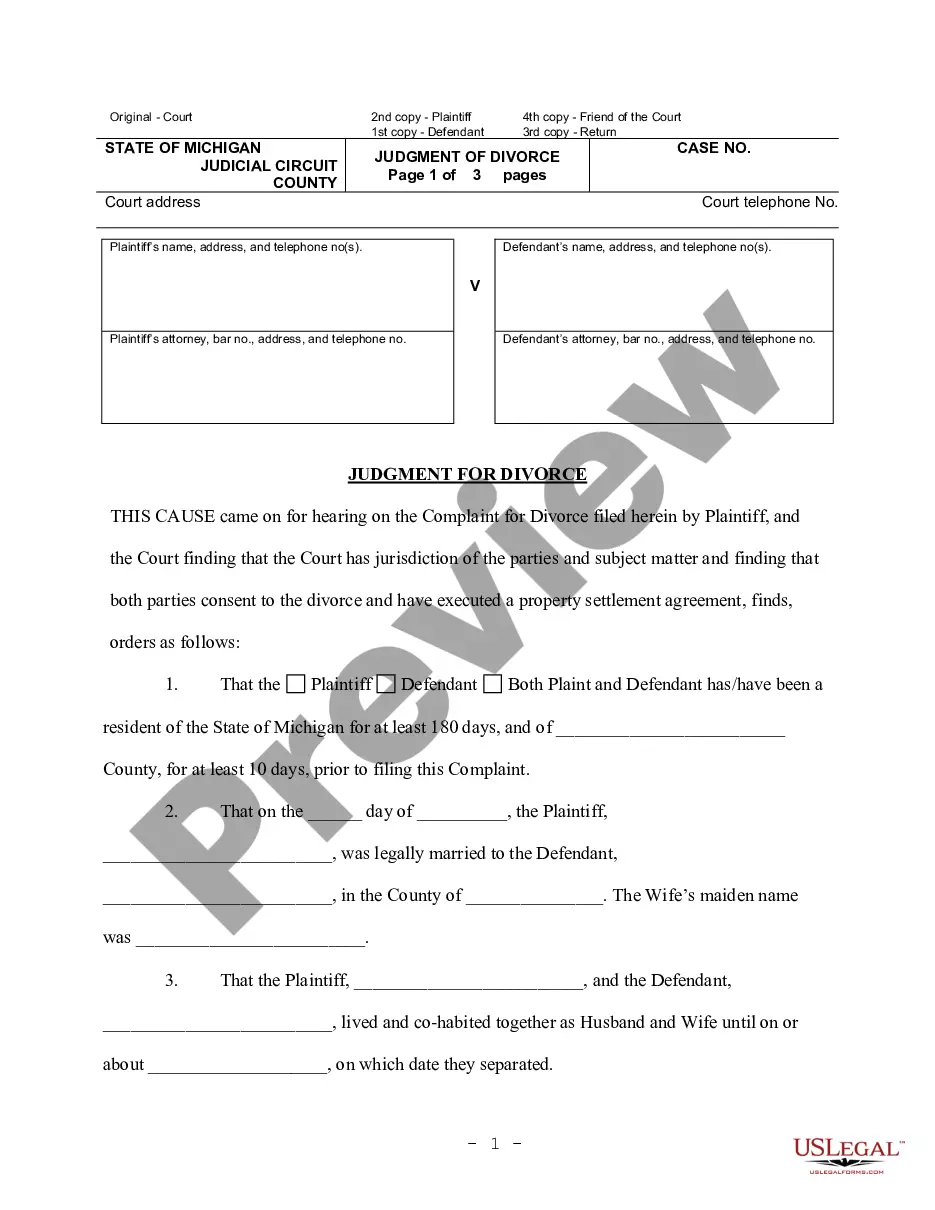
Get your form ready online
Our built-in tools help you complete, sign, share, and store your documents in one place.
Make edits, fill in missing information, and update formatting in US Legal Forms—just like you would in MS Word.
Download a copy, print it, send it by email, or mail it via USPS—whatever works best for your next step.
Sign and collect signatures with our SignNow integration. Send to multiple recipients, set reminders, and more. Go Premium to unlock E-Sign.
If this form requires notarization, complete it online through a secure video call—no need to meet a notary in person or wait for an appointment.
We protect your documents and personal data by following strict security and privacy standards.

Make edits, fill in missing information, and update formatting in US Legal Forms—just like you would in MS Word.

Download a copy, print it, send it by email, or mail it via USPS—whatever works best for your next step.

Sign and collect signatures with our SignNow integration. Send to multiple recipients, set reminders, and more. Go Premium to unlock E-Sign.

If this form requires notarization, complete it online through a secure video call—no need to meet a notary in person or wait for an appointment.

We protect your documents and personal data by following strict security and privacy standards.
Looking for another form?




Form popularity
FAQ
How do I file a complaint or petition in civil court? You file the complaint or petition with the clerk of court. You generally want to file in the court in the county where the person you are suing lives. Along with the complaint, the court must be told where to serve (give it a copy of it to) the defendant.
At the outset of settlement negotiations, list all individuals and entities—both for the plaintiff and the defendant—that the agreement will cover. ✔ List all legal issues to be settled. List all claims your adversary may legally release via settlement. Verify the agreement covers these claims.
Civil process includes but is not limited to small claims, divorce, child support, dispossessory actions, garnishments, evictions, and statements of claim. The civil section is also responsible for executing Probate Court Orders to Apprehend.
You can file a claim for which you are seeking $15,000 or less. If your claim exceeds $15,000 principal, the Magistrate Court does not have jurisdiction (the legal authority) to hear your case, and it must be filed in another court; such as, Superior Court.
Stages Of A Civil Case Pre-filing stage. During this stage, the dispute arises and the parties gather information, try to negotiate a resolution, and prepare for the possibility of a court case. Pleading stage. Discovery stage. Pre-trial stage. Trial Stage. Post-trial stage.
How do I file a complaint or petition in civil court? You file the complaint or petition with the clerk of court. You generally want to file in the court in the county where the person you are suing lives. Along with the complaint, the court must be told where to serve (give it a copy of it to) the defendant.
Conclusion: Going to small claims court may be worth it for $500, but it will determine how you weigh your costs versus benefits. At a minimum, it is worth it to send a demand letter.
The Magistrate Court of Fulton County is also referred to as small claims court. You can electronically file a claim when you are seeking $15,000.00 or less.
You can file a claim for which you are seeking $15,000 or less. If your claim exceeds $15,000 principal, the Magistrate Court does not have jurisdiction (the legal authority) to hear your case, and it must be filed in another court; such as, Superior Court.
How do I file a complaint or petition in civil court? You file the complaint or petition with the clerk of court. You generally want to file in the court in the county where the person you are suing lives. Along with the complaint, the court must be told where to serve (give it a copy of it to) the defendant.