Confirmation Letter Sample For Audit In Florida
Description



Form popularity
FAQ
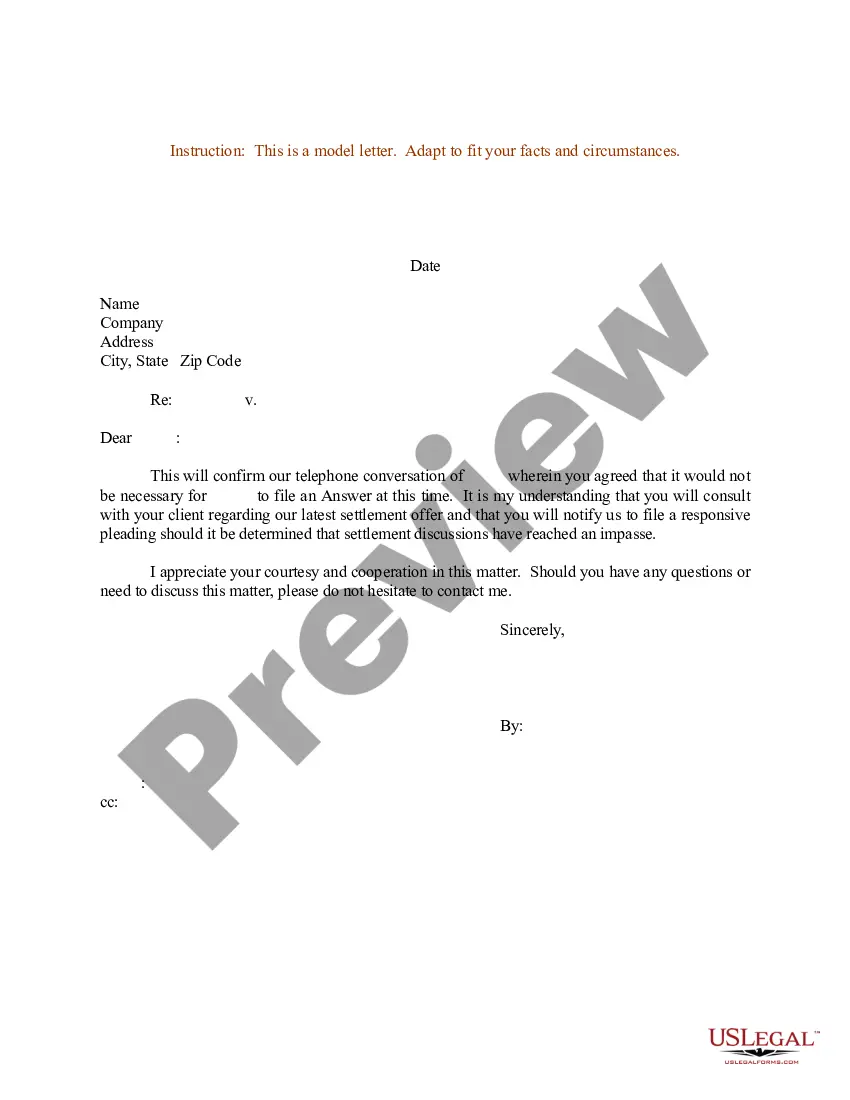
During the course of an audit, you may hear your auditors refer to something called a “confirmation letter.” This is a letter that your auditor will send out to third parties, such as banks or suppliers, asking them to confirm certain financial information.
Examples of audit documentation include memoranda, confirmations, correspondence, schedules, audit programs, and letters of representation. Audit documentation may be in the form of paper, electronic files, or other media. 5.
Audit team reports frequently adhere to the rule of the “Five C's” of data sharing and communication, and a thorough summary in a report will include each of these elements. The “Five C's” are criteria, condition, cause, consequence, and corrective action.
An IRS audit letter typically includes the taxpayer's name, tax ID number or Social Security number, employee ID number, address, and contact information. It also specifies the tax year being audited and the documentation required.
10 Best Practices for Writing a Digestible Audit Report Reference everything. Include a reference section. Use figures, visuals, and text stylization. Contextualize the audit. Include positive and negative findings. Ensure every issue incorporates the five C's of observations. Include detailed observations.
Professional Reply Acknowledge the Email. Start your reply by acknowledging the audit confirmation request. Provide the Requested Information. Clarify Any Discrepancies (If Applicable) ... Offer Further Assistance. End with a Professional Closing.
Urgent or Fast Track requests must be sent to the bank via Confirmation. Any requests which are posted, faxed or emailed to the bank will be subject to a 25 business day SLA. Provide the full name (as per bank statement), main account number and sort code for every related legal entity required.
Writing Effective Confirmation Letters Be Clear and Concise: Clearly and concisely outline the details and terms being confirmed. Use Formal Language: Use formal and professional language in the letter. Include Relevant Information: Include all relevant information, such as dates, times, locations, and terms.
If you need to write a confirmation letter, here are five helpful steps you can use to write your own: Include a letter header. Start with an explanation. Add detailed information. Highlight attachments. End with a supportive statement.
Confirmation letters include the following components: Recipient Information: The name and contact information of the recipient. Sender Information: The name and contact information of the sender. Date: The date on which the letter is sent. Subject: A brief subject line indicating the purpose of the letter.