Confirmation Of Settlement Letter Without Insurance In Collin
Description

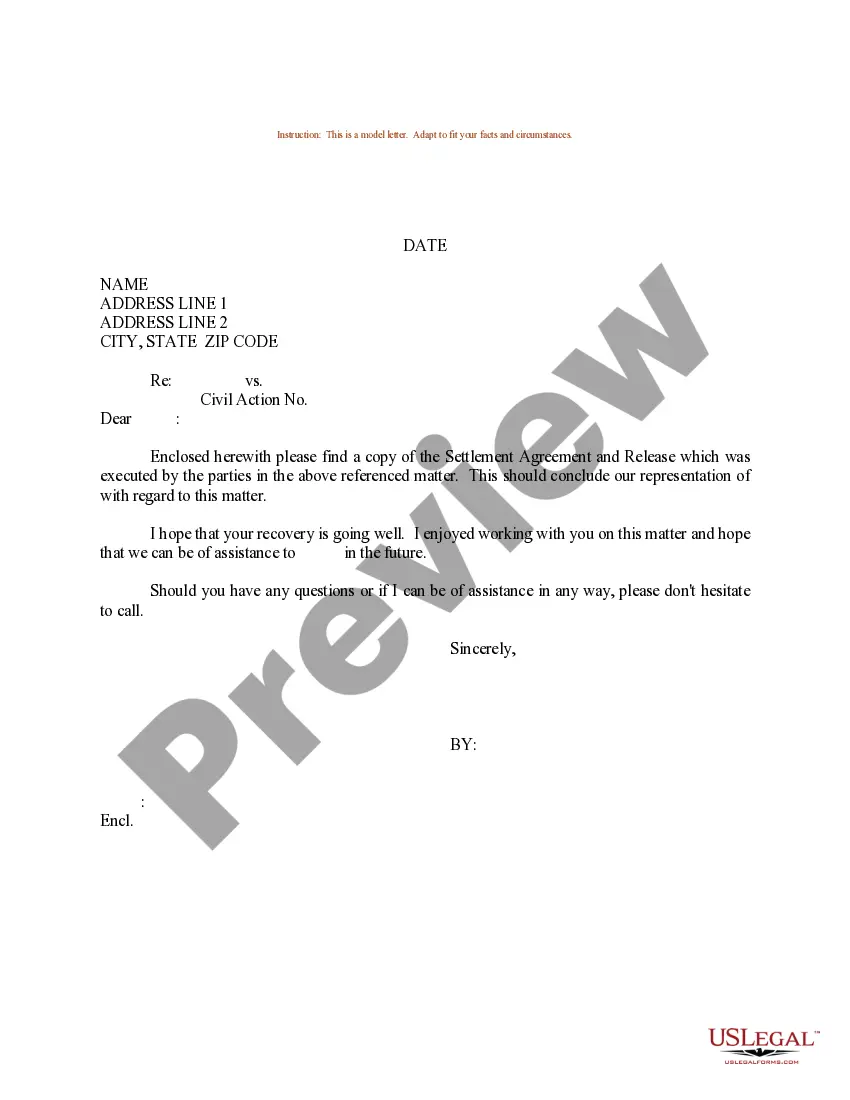
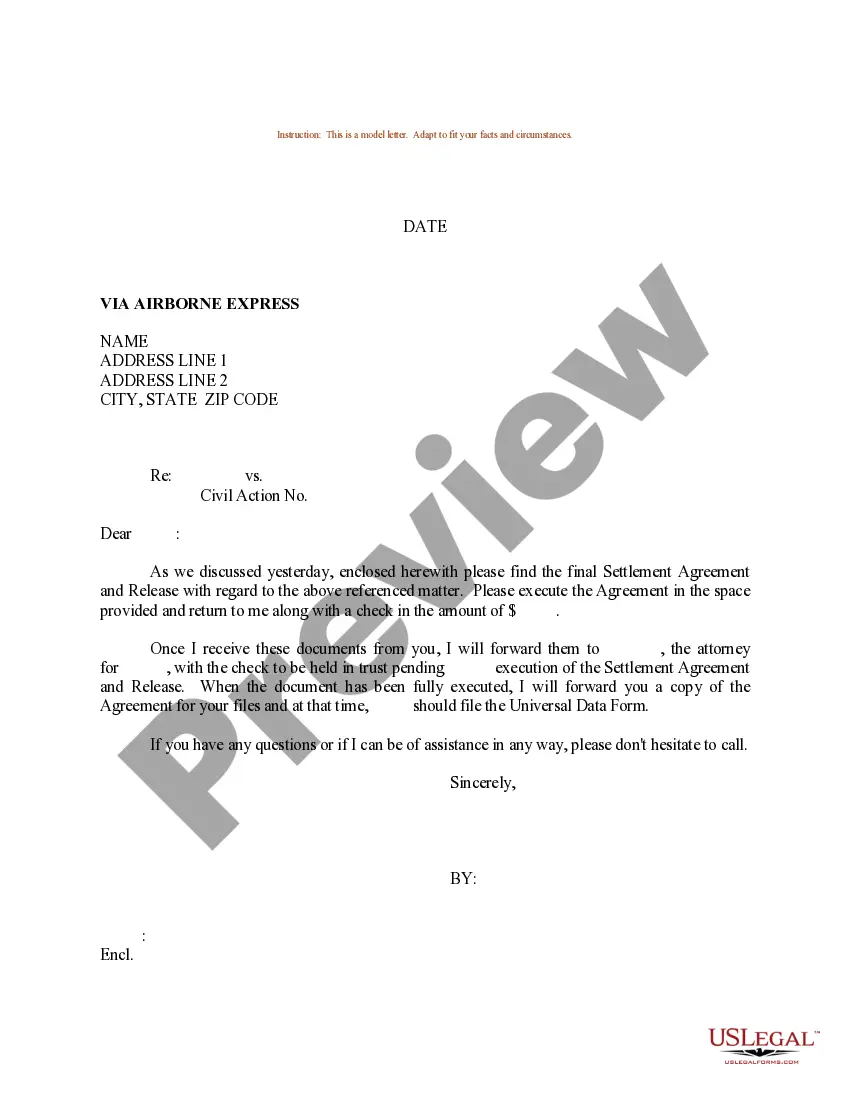
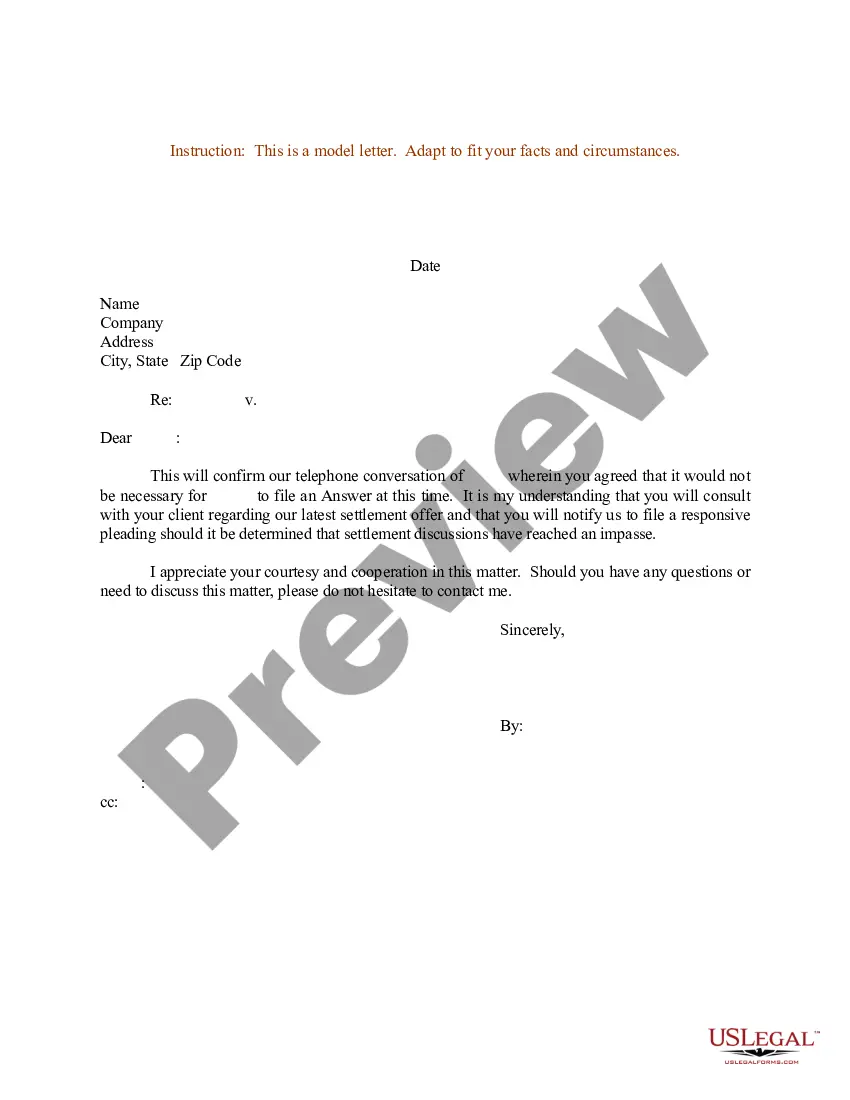
Get your form ready online
Our built-in tools help you complete, sign, share, and store your documents in one place.
Make edits, fill in missing information, and update formatting in US Legal Forms—just like you would in MS Word.
Download a copy, print it, send it by email, or mail it via USPS—whatever works best for your next step.
Sign and collect signatures with our SignNow integration. Send to multiple recipients, set reminders, and more. Go Premium to unlock E-Sign.
If this form requires notarization, complete it online through a secure video call—no need to meet a notary in person or wait for an appointment.
We protect your documents and personal data by following strict security and privacy standards.

Make edits, fill in missing information, and update formatting in US Legal Forms—just like you would in MS Word.

Download a copy, print it, send it by email, or mail it via USPS—whatever works best for your next step.

Sign and collect signatures with our SignNow integration. Send to multiple recipients, set reminders, and more. Go Premium to unlock E-Sign.

If this form requires notarization, complete it online through a secure video call—no need to meet a notary in person or wait for an appointment.

We protect your documents and personal data by following strict security and privacy standards.
Looking for another form?





Form popularity
FAQ
A claim acknowledgement letter is a formal document sent by an insurance company to a policyholder in response to a claim they have filed. This letter serves several key purposes: Acknowledges Receipt: It confirms that the insurance company has received the claim.
You get Form 1095-A, B, or C from your health coverage company or employer, depending on the coverage type you have bought. These issuing agencies also file the forms with the IRS (Internal Revenue Service).
This is a type of offer where you ask the creditor to accept part of the amount you owe and write off the rest. You can find information about how to use this letter in our guide Full and final settlement offers. You can choose to send a letter in your own name or in joint names.
A settlement letter is an official documentation from the insurer that clarifies your medical expenses and highlights the resolution of your claim; if it's approved, denied, or partially covered. This makes it an important document to be submitted while applying for a health insurance claim.
Treat the following as a set of general guidelines: Gather complete information before you start writing. Describe your injuries and medical treatment. List your medical expenses, lost wages, and non-economic damages. Make a settlement demand. Include a deadline for legal action if you want to, but don't bluff.
7 Top Tips to Give a Recorded Statement to an Insurance Company Proving Accident Details. Before you give a recorded statement, take some time to prepare. Avoid Speculation in Your Recorded Statement. Always Be Truthful. The Issue of Fault is Paramount. Be Polite. Don't Agree to Anything. Get a Copy of Your Statement.
Settlement Letter means the letter agreement between the Parties relating to the Funded Participation and containing, among other things, details of the Settlement Amount and Traded Margin(s); Sample 1.
What things should be included in the Full and Final Settlement Letter? Settlement Amount: Clearly state the finalized amount to be settled. Settlement Cheque: Provide details regarding the issuance of the settlement cheque. Resignation/Termination Date: Specify the date on which the employee resigned or was terminated.
A settlement demand letter is a document you send to an opposing party explaining how you were injured, why the opposing party is liable for your damages, and how much compensation you seek. An effective demand letter can help jumpstart negotiations to settle your dispute outside of court without a hearing or a trial.
A comprehensive claim settlement letter should include: Policyholder's Information: Name and policy number. Claim Details: Reference number and details of the claim. Settlement Amount: The total amount agreed upon for settlement.