Confirmation Letter Sample For Company In Alameda
Description


Get your form ready online
Our built-in tools help you complete, sign, share, and store your documents in one place.
Make edits, fill in missing information, and update formatting in US Legal Forms—just like you would in MS Word.
Download a copy, print it, send it by email, or mail it via USPS—whatever works best for your next step.
Sign and collect signatures with our SignNow integration. Send to multiple recipients, set reminders, and more. Go Premium to unlock E-Sign.
If this form requires notarization, complete it online through a secure video call—no need to meet a notary in person or wait for an appointment.
We protect your documents and personal data by following strict security and privacy standards.

Make edits, fill in missing information, and update formatting in US Legal Forms—just like you would in MS Word.

Download a copy, print it, send it by email, or mail it via USPS—whatever works best for your next step.

Sign and collect signatures with our SignNow integration. Send to multiple recipients, set reminders, and more. Go Premium to unlock E-Sign.

If this form requires notarization, complete it online through a secure video call—no need to meet a notary in person or wait for an appointment.

We protect your documents and personal data by following strict security and privacy standards.
Looking for another form?









Form popularity
FAQ
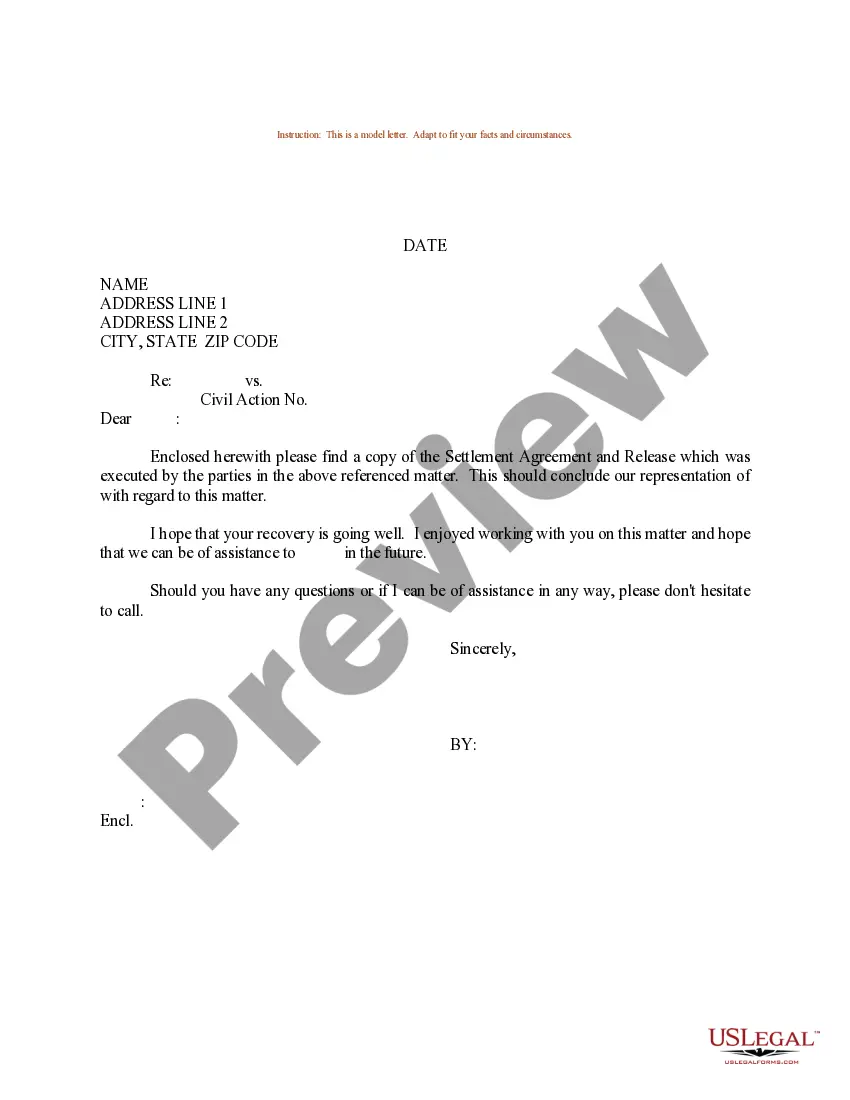
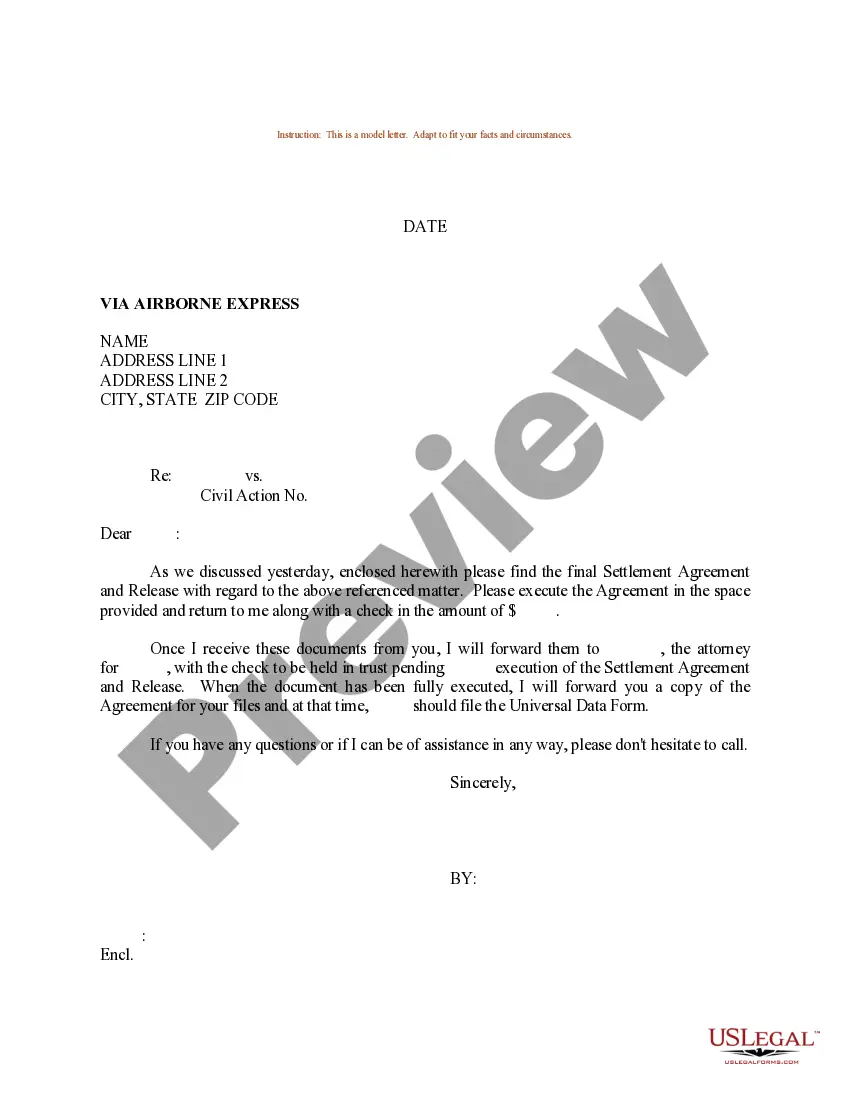
Confirmation Letter Format Header: Includes the company's name, address, and official contact information. Date: Includes the date on which the letter is being sent. Recipient's information: Includes the recipient's name, title, and official address. Subject: It describes the purpose of the letter.
Confirmation letters include the following components: Recipient Information: The name and contact information of the recipient. Sender Information: The name and contact information of the sender. Date: The date on which the letter is sent. Subject: A brief subject line indicating the purpose of the letter.
If you need to write a confirmation letter, here are five helpful steps you can use to write your own: Include a letter header. Start with an explanation. Add detailed information. Highlight attachments. End with a supportive statement.
Writing Effective Confirmation Letters Be Clear and Concise: Clearly and concisely outline the details and terms being confirmed. Use Formal Language: Use formal and professional language in the letter. Include Relevant Information: Include all relevant information, such as dates, times, locations, and terms.
If you need to write a confirmation letter, here are five helpful steps you can use to write your own: Include a letter header. Start with an explanation. Add detailed information. Highlight attachments. End with a supportive statement.
Drafting Other Formal Confirmation Letters Type your letter in formal business letter format. Use an appropriate salutation. Confirm the specific arrangement made. Include any other important information. Ask for a follow-up if needed. Thank the recipient. Edit and proofread your letter before printing.
Could you please acknowledge receipt of this email and the attached document(s), so we can ensure the safe delivery of these materials? Thank you for your attention, and should you have any questions or need clarification, don't hesitate to contact me.
Contact the human resources department. It may be your company's policy that you direct all employment verification requests to the human resources department. In some cases, an HR representative may write the letter, or they may provide a template that your direct supervisor can use.
If you have a human resources (HR) department, you'll most likely send your request to an HR representative. Smaller companies may require your employer, direct supervisor or payroll manager to send the letter.
Contact the human resources department. It may be your company's policy that you direct all employment verification requests to the human resources department. In some cases, an HR representative may write the letter, or they may provide a template that your direct supervisor can use.